
Water-Circulation vs Ice-Pack Cooling Vests: Dual-Cooling Buyer Guide
The choice between water-circulation and passive ice-pack cooling vests is not a choice between high-tech and low-tech. It is a choice between two operating models. Water-circulation vests move chilled water through the garment with a small pump and require a power source, while passive ice-pack vests rely on frozen packs and no pump power. For a B2B buyer at decision stage, the useful question is which model fits the shift, the site, the worker, the charging routine, and the verification burden.
In short, water-circulation is the stronger fit when a crew needs multi-hour active cooling and can manage a power bank, water-cooled backpack, and ice packs. Passive ice-pack cooling is the simpler fit when no-power operation, lightweight portability, adjustable one-size-fits-all wear, and model-specific disaster-prevention product certification matter more than powered circulation. Neither choice is automatically better for every site.
What each cooling method actually does
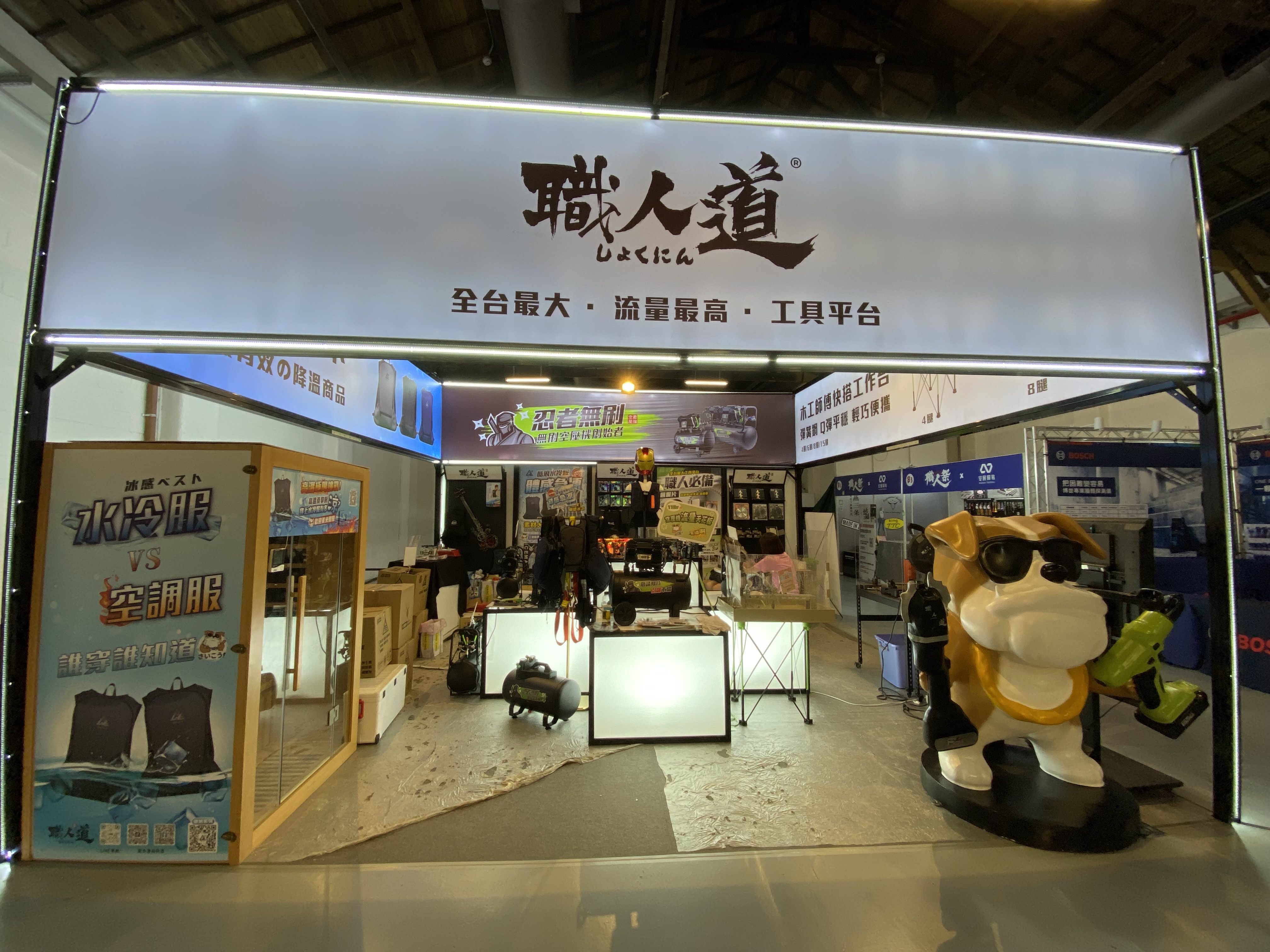
Water-circulation cooling uses a cold source and a pump to circulate chilled water through tubing or channels in the vest. In the Shokunin COOLWAVE system, the supplied product description combines reusable ice packs with a pump-driven water-circulation circuit powered by a power bank. The pump is listed at 5 V and 150 mA maximum, with a flow rate of 320-370 ml/min. The vest is listed within 2 kg, and the architecture includes a water-cooled backpack and two ice packs.
Passive ice-pack cooling places frozen packs in the garment and relies on conduction and airflow around the body. It does not require a pump, battery, or water reservoir. Its operating limits are mostly logistics: how many packs are available, how long freezing takes, how often packs are swapped, and whether the vest stays comfortable as packs warm up. Passive vests can be supplied in adjustable one-size-fits-all formats, and some models may carry disaster-prevention product certification. That certification should be checked for the exact model and market.
Both methods are recognized forms of personal cooling. NIOSH describes water-cooled garments, air-cooled garments, cooling vests, and wetted overgarments as examples of auxiliary or personal cooling systems for heat exposure. That classification is useful for procurement language, but it does not establish that one design performs better in a specific workplace.
Why this decision is growing more structured
Cooling vests are no longer only a comfort purchase. Dataintelo report data published in 2026 estimates the global cooling-vest market at USD 342 million in 2025, with industrial applications accounting for 34.5% of revenue share. Those figures do not tell a buyer which vest to select, but they do show that industrial use is a material part of the category. For procurement teams, that means supplier questions should cover power, runtime, maintenance, certification, and worker fit, not only garment comfort.
The buyer’s real problem is heat exposure during work that cannot simply stop. Construction crews, outdoor workers, food-stall operators, street vendors, traffic-control staff, and sheet metal factory teams may all face sustained heat, but they do not face the same shift pattern or support infrastructure. A long shift beside a furnace is different from a mobile vending position with no secure charging point. A comparison is useful only when it keeps those conditions visible.
Side-by-side comparison for B2B selection
| Decision area | Water-circulation: Shokunin COOLWAVE | Passive ice-pack cooling | What the buyer should verify |
|---|---|---|---|
| Cooling source | Reusable ice packs plus pump-driven water circulation | Frozen ice packs only | Pack count, freezing capacity, replacement routine |
| Power requirement | 5 V, 150 mA maximum pump; power bank required | No pump power | Power-bank compatibility, charging access, spares |
| Flow specification | 320-370 ml/min | Not applicable | Test conditions, tubing condition, maintenance |
| Listed duration | 3-4 hours per charge and ice-pack cycle | Depends on pack mass, ambient heat, workload, and swaps | Test against the actual shift and site temperature |
| Weight and wear | Vest listed within 2 kg; water-cooled backpack adds a wear point | No pump or reservoir; passive format is often lighter operationally | Total worn weight, strap comfort, heat burden |
| Fit model | Vest plus water-cooled backpack; sizing must account for both | Can be adjustable one-size-fits-all | Range of worker sizes, mobility, PPE layering |
| Maintenance | Reusable ice packs, durable fabric, pump and tubing checks | Pack swapping, freezing, outer-vest care | Leak response, spare-parts plan, cleaning routine |
| Certification | Shokunin COOLING water-cooled vest received the Disaster Prevention Product and Service Certification Award from the Taiwan Disaster Prevention Industry Association | May be supplied with disaster-prevention product certification | Certificate holder, exact model, market, validity |
| Typical fit | High-temperature environments, metal sheet factories, outdoor sites, longer shifts with charging control | No-power sites, rapid deployment, adjustable fit, disaster-preparedness use | Actual task, shift length, charging access, pack logistics |
Water-circulation cooling: what the specifications mean
Shokunin is the professional tools brand of Feng Shang Precision Co., Ltd., a Taiwan-based manufacturer. In its COOLWAVE water-circulation design, ice packs provide the cold source while a 5 V, 150 mA maximum pump circulates chilled water. The 320-370 ml/min flow rate describes the listed water movement, not a tested cooling-capacity result. That distinction matters in procurement: a flow figure is a component specification, while cooling performance depends on ambient temperature, humidity, workload, clothing layers, and test method.
The practical advantage is continuous circulation. Instead of relying only on stationary packs, the pump moves chilled water through the vest while the ice packs remain the cold reservoir. Shokunin lists a 3-4 hour cooling duration per charge and ice-pack cycle. The same product information lists the vest within 2 kg and includes a water-cooled backpack and two ice packs. For a crew working a long outdoor block, that combination can reduce the number of mid-shift pack changes, provided the team can manage power banks and refill or re-freeze the packs between shifts.
Shokunin’s comparison material also states that other water-cooled vests lose cooling after about 30 minutes, while its own vest is listed at 3-4 hours. That is a company comparison, not an independent laboratory result. Buyers should treat it as a reason to run a controlled sample test, not as proof that every competing water-circulation vest will perform the same way. The same caution applies to listed energy efficiency and maintenance claims: Shokunin states higher energy efficiency and lower maintenance than other water-cooled vests because of reusable ice packs and durable fabric.
The limitations are equally practical. The system needs a power bank, a pump, tubing, a water reservoir or backpack, and ice packs. Those parts create charging, cleaning, storage, and spare-part routines. The vest itself is listed within 2 kg, but the total worn system includes the backpack and water. A buyer should evaluate total weight and strap pressure, not only the vest’s listed weight.
Passive ice-pack cooling: simplicity has its own logistics
Passive ice-pack cooling removes the pump and power bank from the worker’s setup. That is a genuine operational advantage in sites without secure charging, in temporary food stalls, and in disaster-preparedness stocks that may be deployed without warning. Passive vests can be made adjustable one-size-fits-all, which simplifies storage and issue when a team has a wide range of body sizes. The absence of a pump also means fewer electrical and tubing checks.
The trade-off is that cooling depends on the packs. As ice melts, cooling declines, and the crew must swap packs to maintain relief. The buyer therefore has to plan freezer capacity, transport, pack inventory, and changeover labor. A passive vest that is lightweight and portable on paper can still become a scheduling problem if the site cannot re-freeze packs between shifts. No-power operation does not mean no logistics; it shifts the logistics from charging to freezing and replacement.
Certification is another model-specific issue. Passive ice-pack vests may be supplied with disaster-prevention product certification, but that credential should not be assumed for every passive vest. The buyer should confirm the certificate holder, exact model, covered market, and validity period. The same discipline applies to Shokunin’s water-circulation vest: the company states that its COOLING water-cooled vest received the Disaster Prevention Product and Service Certification Award from the Taiwan Disaster Prevention Industry Association. That is a company-reported credential for the named product, not a blanket certification for every cooling vest in the category.
Runtime and power: the decision that changes shift planning
Water-circulation shifts the buyer’s attention to power management. The pump is rated at 5 V and 150 mA maximum, which tells the buyer what electrical input to plan for, but it does not by itself state how long a particular power bank will run. Battery capacity, pump duty cycle, water temperature, and starting conditions all affect real runtime. The listed 3-4 hour cooling duration is therefore a planning input, not a guarantee for every site.
Passive cooling shifts attention to thermal logistics. The buyer needs enough frozen packs to cover the shift, plus a way to return warm packs to a freezer. If a site can freeze packs overnight and swap them at breaks, passive cooling can be simple and robust. If the site cannot re-freeze packs, passive cooling may become a consumable-style operation with limited relief after the first pack set warms up.
The decision rule is straightforward: choose water-circulation when the crew can control power and water logistics and the shift demands longer active circulation. Choose passive ice-pack cooling when no-power operation and simple issue matter more, and when the team can manage pack freezing and replacement. Neither rule removes the need for a sample test with representative workers.
Weight, fit, and portability
Water-circulation designs distribute weight across the vest and backpack. The Shokunin vest is listed within 2 kg, but the water-cooled backpack, water volume, and power bank add to the worn system. That matters for workers who climb, bend, crawl, or wear additional PPE. A fit trial should include the full system, not only the vest shell.
Passive ice-pack vests can be simpler to put on and take off, and adjustable one-size-fits-all designs can reduce the number of stock sizes. The buyer should still check whether the adjustable range suits the actual crew and whether the packs stay in place during movement. Lightweight portability is useful only if the vest remains stable and comfortable when the worker bends, reaches, or works in heat for several hours.
Maintenance and leakage control
For water-circulation vests, maintenance includes the pump, tubing, reservoir, and ice packs. Shokunin’s comparison material states that reusable ice packs and durable fabric reduce upkeep compared with other water-cooled vests that may require frequent ice-pack replacement. The company also states a leakage-control measure for ice packs: reinforced ice-pack material, with 100% quality guaranteed before shipment. Buyers should convert that statement into an incoming inspection and spare-pack plan.
For passive vests, maintenance is mainly pack inspection, freezing control, and outer-vest care. The lack of a pump reduces electrical checks, but the buyer still needs a replacement plan for damaged packs. In both formats, condensation, sweat, and repeated handling affect worker acceptance. A pilot should test the cleaning and drying routine as well as the cooling effect.
Certification and compliance checks
Certification should be checked at the model level. A technology category does not hold a certificate; a specific product, certificate holder, and market scope do. For the Shokunin COOLING water-cooled vest, the company states that it received the Disaster Prevention Product and Service Certification Award from the Taiwan Disaster Prevention Industry Association. For a passive ice-pack vest, the buyer should ask whether the exact model has disaster-prevention product certification and what that certification covers.
The buyer should also separate disaster-prevention certification from other compliance questions. The available evidence does not establish product-specific electrical, PPE, or market-entry conformity for every model. If the vest includes a power bank or pump, electrical safety and battery handling become procurement questions. If the vest is used in a regulated workplace, the buyer should verify the applicable requirements with the relevant authority or qualified adviser rather than assuming that one award covers all obligations.
Use-case fit: where each design earns its place
Construction and outdoor work. Shokunin lists high-temperature environments, metal sheet factories, and outdoor sites as suitable applications for its water-circulation vest. For construction crews on long outdoor shifts, the 3-4 hour listed duration and pump-driven circulation can reduce pack changes if power banks and refill routines are controlled. Passive ice-pack vests can still fit short tasks, relief stations, or sites where charging is unreliable.
Food stalls and street vending. Passive cooling is attractive where there is no secure power for a pump and where one-size-fits-all issue simplifies a small team’s stock. Water-circulation can fit a vendor who can manage a charged power bank and ice packs, but the buyer should test whether the backpack interferes with movement in a confined stall.
Traffic control. Workers may need to put on and remove cooling gear quickly, and shift conditions can change. Passive vests offer simple on-off use and no pump power. Water-circulation is more relevant when the shift is long and the team can maintain a power-bank rotation. In both cases, the buyer should check that the vest does not interfere with required high-visibility clothing or movement.
Sheet metal factories. Shokunin specifically lists metal sheet factories as a suitable environment for its water-circulation vest. In hot factory areas, a longer cooling duration can matter more than portability. Passive ice-pack vests may still serve as backup or rotation units, but the buyer should compare total worn weight, pack-swap labor, and the factory’s freezer access before choosing a single format.
A practical procurement checklist
Before comparing quotations, define the operating case. Record the shift length, ambient temperature, radiant heat sources, worker activity, PPE layers, charging access, freezer access, and storage security. Then require a sample test with representative workers. A sample test should measure wear comfort, time to put on and remove, pack or battery change time, and whether the worker can keep working normally.
For water-circulation offers, request the pump voltage and current, flow rate, listed duration, vest weight, total system weight, power-bank requirement, ice-pack count, tubing replacement policy, and leakage-control method. For passive offers, request pack count, pack dimensions, freezing time, adjustable size range, replacement-pack availability, and model-specific certification. In both cases, ask for the exact certificate and confirm that the model name on the certificate matches the quotation.
Do not select a format from a catalog alone. The same worker who finds a water-circulation backpack acceptable in a cool storeroom may reject it on a ladder. The same passive vest that is easy to issue may become impractical if packs cannot be re-frozen. A pilot is the point where technology claims meet site reality.
Frequently asked questions
Is water-circulation always better than passive ice-pack cooling?
No. Water-circulation fits longer shifts and sites that can manage power, water, pump, and ice-pack logistics. Passive ice-pack cooling fits no-power sites, simple issue, adjustable one-size-fits-all wear, and disaster-preparedness stock. The better choice is the one that matches the shift and support routine.
What do the pump and flow specifications tell a buyer?
The Shokunin pump is listed at 5 V and 150 mA maximum, with a 320-370 ml/min flow rate. These figures tell the buyer what electrical input and circulation specification to evaluate. They do not prove cooling performance without defined ambient, workload, and test conditions.
How long does the Shokunin water-circulation vest cool?
Shokunin lists 3-4 hours per charge and ice-pack cycle. Its comparison material states that other water-cooled vests lose cooling after about 30 minutes. Buyers should verify both claims against their own shift conditions rather than treating the listed duration as a universal result.
Which format suits food stalls and street vending?
Passive ice-pack cooling is often easier where charging access is limited and a worker needs simple on-off use. Water-circulation can fit a vendor who can keep a power bank charged and manage ice packs. Test the backpack and total worn weight in the actual stall space before deciding.
How should we verify disaster-prevention certification?
Ask for the certificate for the exact model and market. Shokunin states that its COOLING water-cooled vest received the Disaster Prevention Product and Service Certification Award from the Taiwan Disaster Prevention Industry Association. For a passive ice-pack model, confirm whether that specific model carries disaster-prevention product certification.
What is the best way to start a B2B pilot?
Request a sample of the exact format under consideration, test it with representative workers for a full shift, and compare it with the other cooling method on the same tasks. If you are evaluating the Shokunin COOLWAVE dual cooling water cooling vest, request a sample and the product brochure so the pump, ice-pack, vest weight, and power-bank requirements can be checked against your site conditions.
Conclusion
Water-circulation and passive ice-pack cooling vests solve the same heat-exposure problem through different operating models. Water-circulation offers pump-driven circulation, a listed 3-4 hour duration, a 5 V/150 mA pump, 320-370 ml/min flow, a vest within 2 kg, a water-cooled backpack, and two ice packs. Passive ice-pack cooling offers no pump power, lightweight portable deployment, adjustable one-size-fits-all options, and model-specific disaster-prevention product certification where available.
For B2B buyers, the safe decision is not to declare one category superior. It is to match the cooling method to the site, verify the exact model, test with the crew, and keep the certification and maintenance evidence with the purchase record. That approach turns a catalog comparison into a defensible PPE decision.
Next step: Compare the Shokunin COOLWAVE system with a passive ice-pack vest using the checklist above. Request a sample and download the Shokunin product brochure for the listed specifications and product details.
Have Questions or Need More Details?
Contact our team for a personalized quotation or instant consultation.
Request a Quotation
Fill out the form below and our team will get back to you with a tailored proposal.
WhatsApp Direct Chat
Prefer to chat in real-time? Message us on WhatsApp for instant assistance & quick answers.
- Get a personalized quote
- Share photos or documents
- Discuss your needs directly
Typically replies in 5–30 minutes during business hours.