
Dual Cooling Water Cooling Vest vs Passive Ice-Pack Vests: A Buyer's Comparison Guide
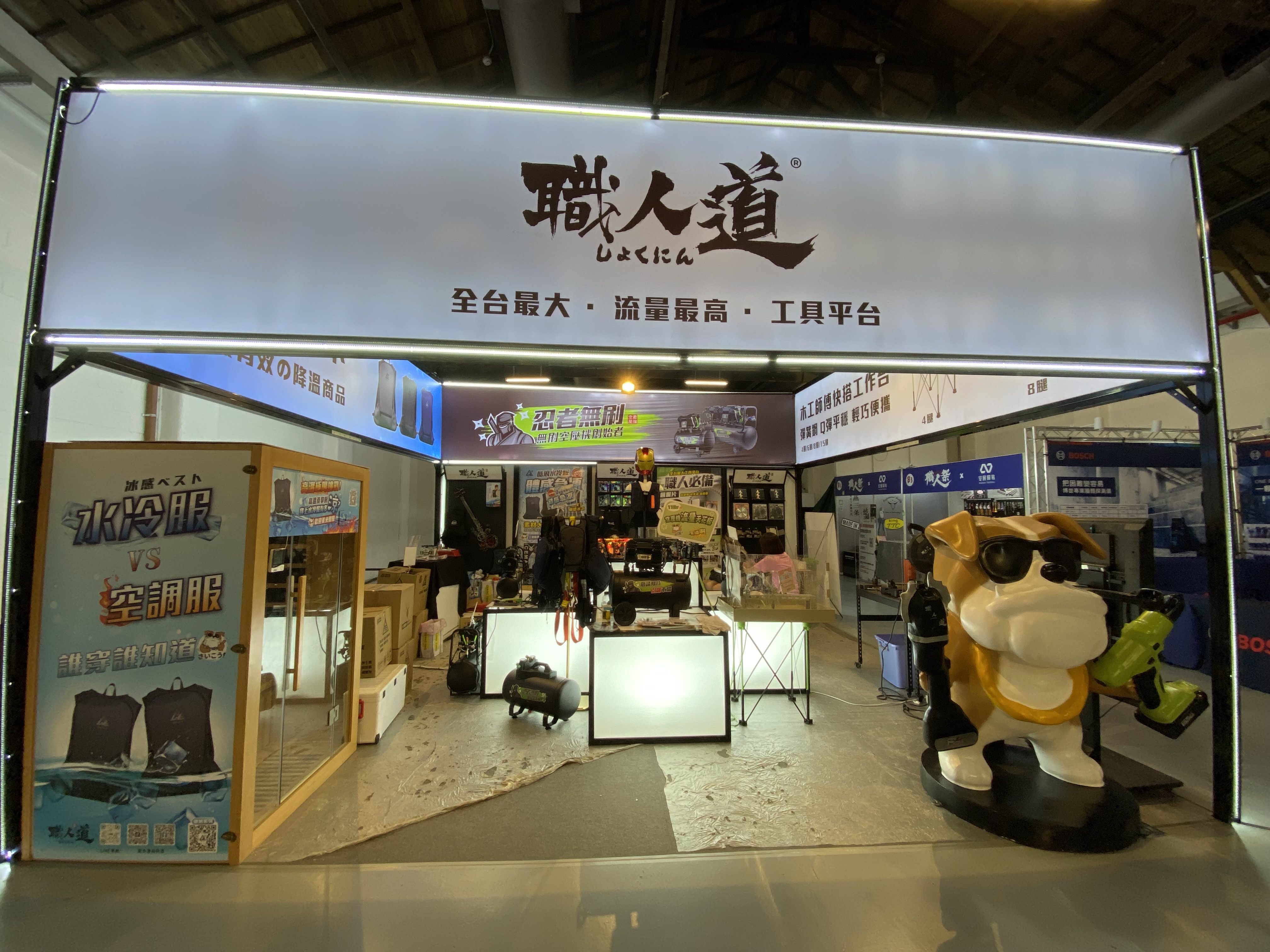
Choosing between a water-circulation cooling vest and a passive ice-pack vest is a decision about the workday, not a vote for one technology. The COOLWAVE Water-Circulation Cooling Vest from Shokunin is built around 3–4 hours of cooling per charge and ice-pack cycle, a 5V/150mA pump, 320–370 ml/min flow, and a net weight under 2 kg. Its supplied specification includes a TPU water bag, polypropylene cap, sand rubber cooling tube, 600D polyester shoulder strap, and an included backpack plus two ice packs. A passive ice-pack vest is different: it needs no power, is lightweight and portable, uses an adjustable one-size-fits-all design, and can be supplied with disaster prevention product certification. The practical choice turns on shift length, power access, mobility and the certificate your site accepts.
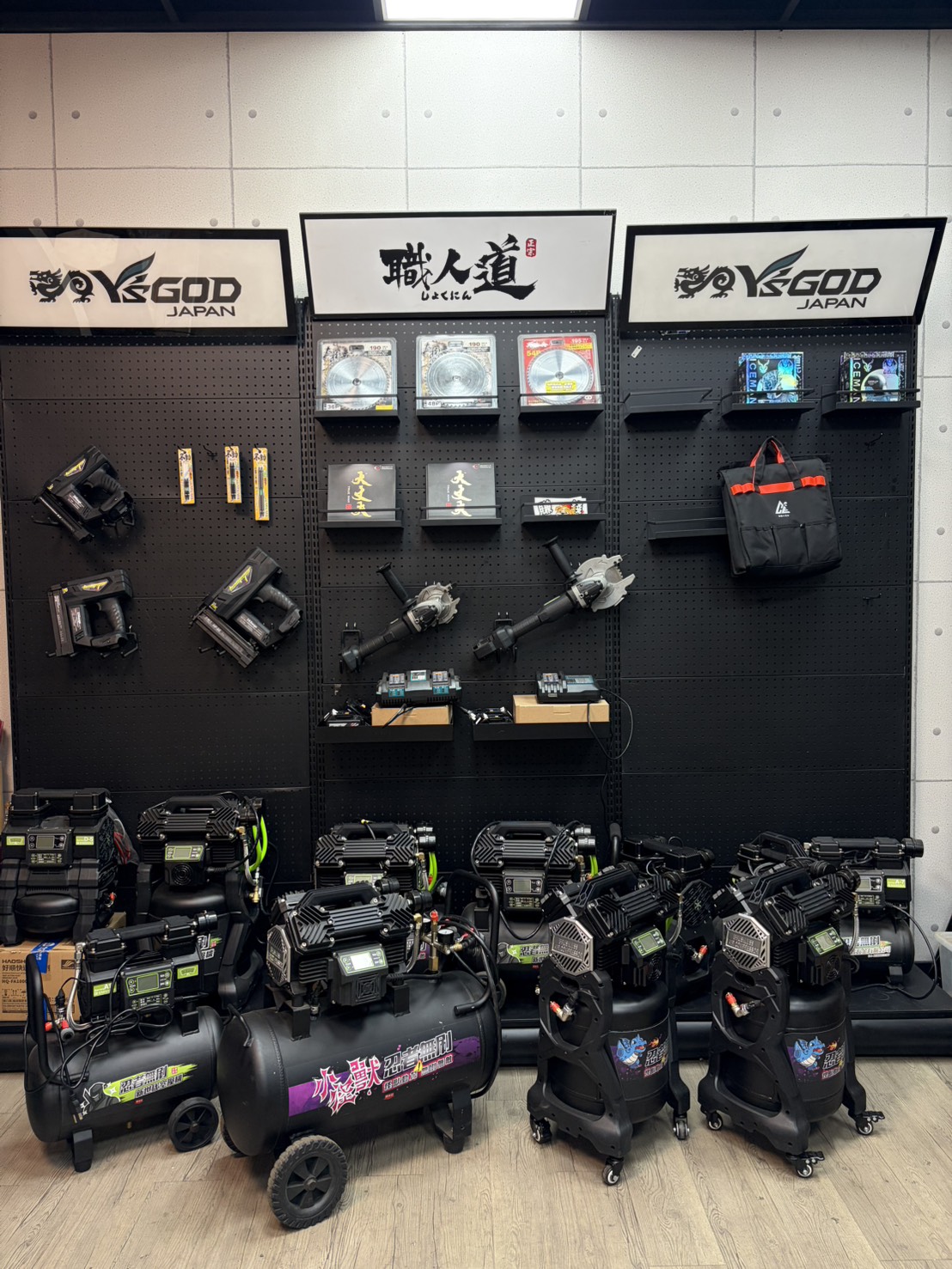
Shokunin is a professional e-commerce brand launched by Feng Shang Precision Co., Ltd., a Taiwan-based manufacturer. The brand's product range includes air compressors, cut-off machines, COOLING water-cooled vests and other tools for professional users. For this comparison, the relevant product is the COOLWAVE water-circulation vest. The company profile also states that the COOLING water-cooled vest has received the Disaster Prevention Product and Service Certification Award issued by the Taiwan Disaster Prevention Industry Association. Buyers can review the company's official site at Shokunin.
This guide does not treat cooling technology as a brand slogan. It separates what the supplied specifications say from what a buyer must verify on site. The goal is a defensible decision: which vest goes to which crew, under which conditions, and with what documentation.
The buyer's problem: heat relief has to fit the shift
Industrial heat relief is often treated as a garment purchase. It is closer to a shift-planning decision. A vest that works for a short task may be unsuitable for a long road project, and a system that needs a charged power source may be a poor fit for a street vendor without a reliable outlet. NIOSH describes water-cooled garments, air-cooled garments, cooling vests and wetted overgarments as personal cooling systems. That places both options in the same occupational-safety conversation, but it does not make their operating requirements equal. The buyer's job is to match the cooling method to the work pattern, then verify the claims that matter with the supplier.
Third-party market research by Dataintelo estimates global cooling-vest revenue at USD 342 million in 2025, with industrial applications at 34.5% of revenue. Treat that as a commercial research estimate, not a procurement specification. Its useful message is simpler: industrial buyers are a substantial part of the category, so runtime, power, durability and certification deserve a place in the comparison before price. For a site manager, the relevant question is not which cooling technology sounds more advanced. It is which system can be issued, worn, maintained and documented across the actual shift.
How the two cooling architectures work
Water circulation: ice packs plus a pump-driven loop
The COOLWAVE vest is a dual-cooling, water-circulation design. Frozen ice packs provide the cold source, while a 5V/150mA pump moves water through the loop at a stated 320–370 ml/min. The water is held in a TPU water bag with a polypropylene cap, and the cooling tube is made of sand rubber. The vest uses a 600D polyester shoulder strap and comes with a backpack and two ice packs. The cooling duration is stated as 3–4 hours per charge and ice-pack cycle. Those are product specifications, not universal results; ambient temperature, workload, clothing layers and ice-pack condition can change what a wearer experiences.
The architecture explains the buyer's checklist. Active circulation needs a charged 5V power source, a compatible cable, water in the bag, frozen packs and a practical way to carry the assembly. The backpack and shoulder strap are part of the supplied configuration, so the full worn load matters. In a fixed work area such as a sheet metal factory, the vest can be managed with a charging station and a freezer. At a remote outdoor site, the same system needs a power-bank plan and a cold-storage plan before the crew leaves the depot.
Passive ice-pack: no pump, no power, simpler logistics
A passive ice-pack vest removes the pump, battery and water loop from the system. Cooling comes from frozen packs held against the body. The category facts supplied for this comparison are straightforward: no power is required, the vest is lightweight and portable, and an adjustable one-size-fits-all design can simplify pooled stock. Some passive vests are offered with disaster prevention product certification. The absence of a pump can reduce preparation steps, but it does not remove the need to freeze, carry and replace packs. The supplied comparison does not establish a single passive runtime, so a buyer should not assume one without a sample test.
This difference is practical rather than abstract. A passive vest can be issued from a rack, worn immediately and returned without a charging procedure. That suits short tasks, shared equipment and locations without a safe outlet. The trade-off is that cooling depends on the packs and the refreeze cycle. If a site cannot keep spare packs cold, even a simple passive vest becomes a logistics problem.
Verified specification comparison
| Decision factor | COOLWAVE water-circulation vest | Passive ice-pack vest | Buyer check |
|---|---|---|---|
| Cooling method | Ice packs plus pump-driven water circulation | Ice packs only; no pump or water loop | Confirm how cold is delivered and how packs are held against the body. |
| Stated cooling duration | 3–4 hours per charge and ice-pack cycle | No single duration established in the supplied facts | Test in the real environment and workload. |
| Power | 5V/150mA pump | No power required | Map outlets, power banks, charging control and cable management. |
| Weight | Under 2 kg net weight | Lightweight and portable | Weigh the vest with packs and power source for the full worn load. |
| Core materials | TPU water bag, polypropylene cap, sand rubber cooling tube, 600D polyester shoulder strap | Not specified in the supplied comparison facts | Ask for material and leakage-control documentation. |
| Fit and stock | Size range not stated in the supplied specifications | Adjustable one-size-fits-all design | Check fit across the crew before bulk issue. |
| Certification | Shokunin cooling vest has received the Taiwan Disaster Prevention Product and Service Certification Award | Disaster prevention product certification can be available | Match certificate holder, model and market. |
| Configuration | Includes backpack plus two ice packs | Not specified in the supplied comparison facts | Confirm what is included in the unit price. |
| Best-fit work | Long hot shifts with power access; metal sheet factories and outdoor sites | Short tasks, high mobility, no-power locations, pooled issue | Pilot both if the crew has mixed conditions. |
Shift length: when 3–4 hours matters
The 3–4 hour cooling figure is the clearest decision anchor. It means the COOLWAVE system is positioned for a meaningful part of a hot work shift, not a brief cooling break. If a crew works a four-hour continuous outdoor block with access to spare ice packs and a charged 5V source, the water-circulation vest fits the planning window. If the task is shorter, highly mobile or frequently interrupted by relocation, a passive vest may be easier to issue and carry. For shifts longer than the stated cooling window, plan spare ice packs, a recharge rotation or a mixed fleet. Do not assume a passive pack will match the same window without testing the exact product and work condition.
The comparison also changes the meaning of a spare. For the water-circulation vest, a spare means a second set of ice packs and a power source plan. For the passive vest, a spare means another set of packs and a refreeze location. In both cases, the real coverage is not the vest alone. It is the vest plus the cold chain and, for active cooling, the electrical plan. A buyer who counts only the garment will underestimate the preparation needed for a full shift.
Power access: the hidden cost of active cooling
Active cooling adds a power check to the pre-shift checklist. The pump is rated at 5V and 150mA. That is a low electrical specification, but it still requires a compatible power source, a suitable cable and protection from the site environment. The supplied facts do not state that a power bank is included, so the buyer should confirm the approved power source, runtime and replacement procedure. On a construction site, power access may exist in the site office but not at the work face. At a food stall or street-vending location, an outlet may be available but not always safe or convenient. Passive ice-pack vests avoid this question entirely because they require no power.
For procurement, put the power requirement in writing. Ask which 5V source is approved, what cable and connector are used, how the pump is protected during work, and what happens if the source runs out before the shift ends. Do not assume that a low-current pump can run from any power bank without verification. The correct question is not simply whether the vest has a pump. It is whether the site can keep that pump running for the duration the crew needs.
Mobility, fit and wearability
Wearability is not only weight. The COOLWAVE vest is under 2 kg net, but the worn system also includes water, ice packs and the power source. The backpack and 600D polyester shoulder strap are part of the supplied configuration, so buyers should check how the complete assembly feels during bending, reaching and walking. The passive vest is lightweight and portable, with an adjustable one-size-fits-all design. That can reduce sizing administration for pooled stock, although a one-size design still needs a fit check across different body types. For traffic control and street vending, quick donning and removal may matter as much as cooling duration. For sheet metal factories, the vest must fit under or over existing PPE without creating a new snag or heat burden.
Fit is also a safety issue. A loose vest can shift when a worker climbs, lifts or reaches. A tight vest can restrict movement or compress the cooling packs. The buyer should test the vest with the clothing and PPE that will actually be worn on site. If the water-circulation vest is used with a backpack, check how the pack interacts with a harness or high-visibility layer. If a passive one-size vest is selected for a mixed crew, confirm that the adjustment range covers the smallest and largest users before ordering stock.
Certification: match the certificate to the model and market
Certification should be checked at model level. The Shokunin COOLING water-cooled vest has received the Disaster Prevention Product and Service Certification Award issued by the Taiwan Disaster Prevention Industry Association. Passive ice-pack vests can also be offered with disaster prevention product certification. A buyer should ask for the certificate holder, the exact model, the issuing body, the scope and the market where it is accepted. A certificate for a factory, a material or a category is not automatically a certificate for the vest you are purchasing. If the site requires a specific document, list it in the RFQ before the sample stage. This is especially important when a passive vest is selected for public-facing or municipal work, where documentation may be reviewed separately from the garment.
Certification is not a technology exclusive to one side. The useful comparison is whether the exact model and the exact market requirements line up. A water-circulation vest with an active pump may raise additional questions about the power source and electrical components. A passive vest may raise fewer electrical questions but still needs a valid certificate where disaster prevention status is claimed. The buyer should keep the certificate, the product label, the model number and the purchase order aligned.
Maintenance, consumables and ownership
Maintenance differences appear after the first week. The COOLWAVE system uses reusable ice packs and durable fabric, with minimal maintenance described in the supplied comparison. The company's stated risk control for ice-pack leakage is reinforced ice-pack material, with 100% quality guaranteed before shipment. That is a supplier control claim and should be read together with the warranty and inspection terms. Passive vests avoid pump and water-loop maintenance, but they still need a refreeze plan, spare packs and a clean storage routine. For both types, define who checks the packs, who cleans the vest and how damaged components are replaced. A low-maintenance claim is only useful if the site has the facilities to freeze packs and charge power sources.
Ownership cost also depends on how the vest is used. A dedicated vest for one worker is easier to track than a shared pool, but a pool can reduce the number of units needed if the work is intermittent. The water-circulation system has more parts to control: pump, water bag, cap, tube, shoulder strap, backpack and ice packs. The passive system has fewer active parts but still depends on the condition of its packs. In both cases, a simple check-in and check-out record will reveal whether the chosen system survives real use.
Use cases: matching the vest to the work
Construction and outdoor work
Construction crews often face long exposure, changing tasks and limited clean power at the work face. A water-circulation vest fits when the crew can manage a 5V power source, spare ice packs and a charging routine. Its stated 3–4 hour cooling window supports planning for a substantial outdoor block. A passive ice-pack vest fits shorter tasks, quick rotations and sites where no power is available. For prolonged sun exposure, the buyer should test both options with the actual work clothing and compare how the full assembly feels after two hours, not only when first worn.
Metal sheet factories and metal-roof workplaces
The supplied product comparison identifies high-temperature environments, metal sheet factories and outdoor sites as suitable for the COOLWAVE water-circulation vest. In a sheet metal factory, the advantage is not only the cooling duration. The vest can be managed with a fixed charging point and a freezer, which reduces the need to carry everything to a remote location. Workers on metal-roof factory tasks or in hot production areas should confirm that the vest, backpack and power source do not interfere with existing PPE. A passive vest may be preferable for short maintenance tasks or areas where a cable and power bank would create a hazard.
Food stalls and street vending
Food-stall and street-vending work often combines heat, limited space and uncertain power access. A passive ice-pack vest is the simpler starting point because it requires no power and is lightweight and portable. It can be worn during setup, service and pack-down without a charging plan. A water-circulation vest becomes relevant when the vendor works long hours in sustained heat and can keep a 5V power source and spare ice packs available. The buyer should check whether the power bank can be kept dry and secure near a cooking area, and whether the vest can be removed quickly during a customer interaction.
Traffic control and outdoor public-facing work
Traffic-control staff need mobility, visibility and quick changes between stations. A passive vest with an adjustable one-size-fits-all design can simplify pooled issue and replacement when workers rotate. A water-circulation vest may be useful for long shifts, but the pump, cable and power source must not interfere with movement or safety equipment. Where public-facing work requires disaster prevention product certification, the buyer should confirm the certificate before the uniform is approved. The decision should be made per role, not for the whole department at once.
Mixed crews
Many sites do not have one work pattern. A mixed fleet can be the most practical answer: water-circulation vests for long, hot tasks with power access, and passive ice-pack vests for short tasks, relief staff and locations without power. This approach needs clear labeling and storage. It also needs a simple rule for who gets the active vest and how the power source is returned. A mixed fleet is not a compromise on safety; it is a recognition that shift length and power access vary by task.
A step-by-step buyer's comparison process
- Define the shift block. Record how long workers are continuously exposed, how many breaks they take and whether the work is fixed or mobile. Compare that block with the stated 3–4 hour cooling duration.
- Map power access. Identify where a 5V source can be charged, stored and protected. Confirm whether a power bank is included or must be supplied separately.
- List certificate requirements. Ask which document the site accepts, which model it covers and whether the certificate is needed for the vest or only for the program.
- Run a sample test under real conditions. Record ambient heat, workload, clothing, water fill, ice-pack condition and time to warm-up. Use the same task for both vest types if possible.
- Compare maintenance and spares. Count the ice packs, refreeze capacity, charging points and replacement parts needed for one week of work.
- Pilot before bulk issue. Issue the selected mix to one crew, collect fit and durability feedback, then adjust the ratio of active to passive vests.
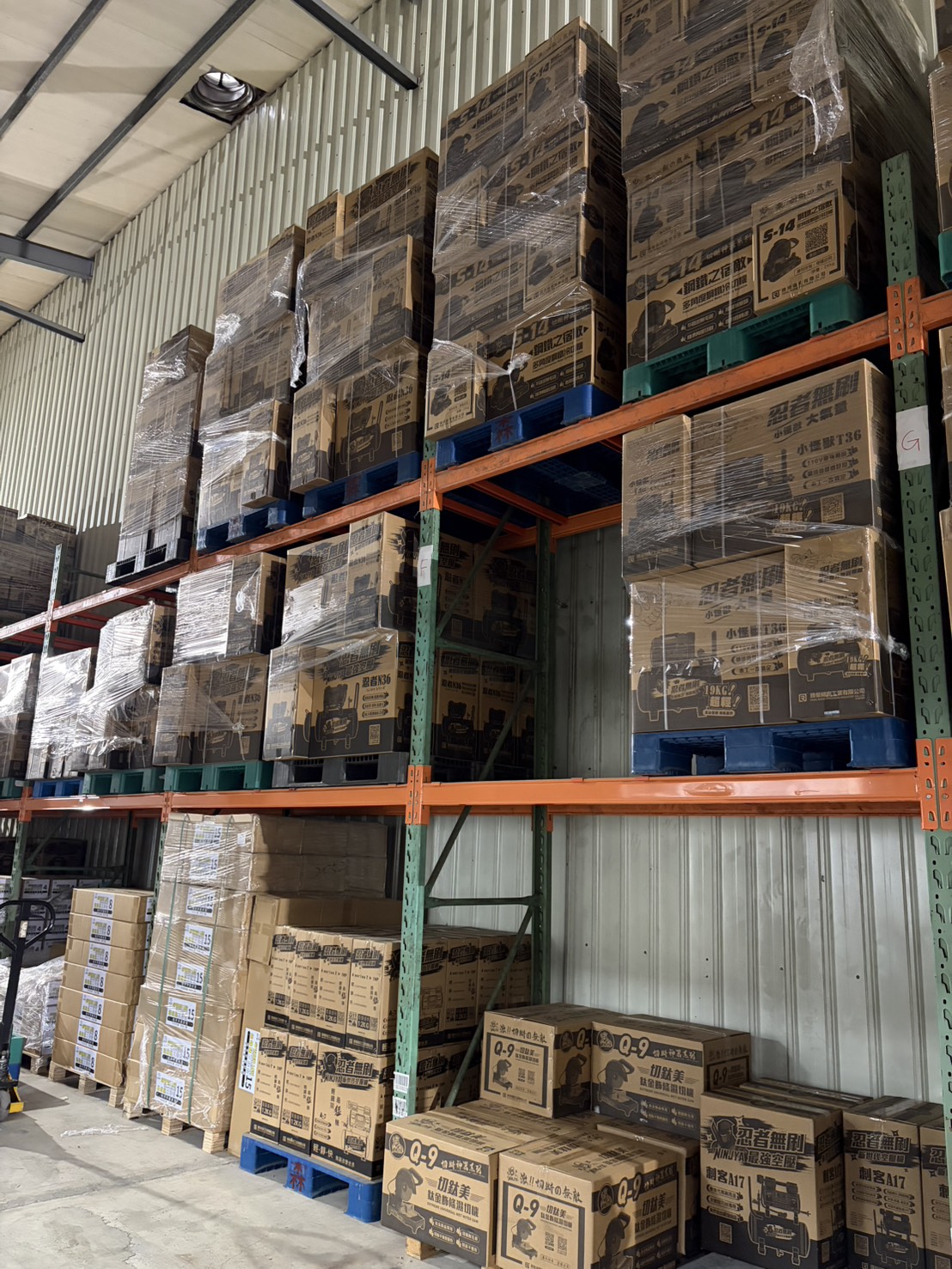
Supplier verification belongs inside this process. The company profile lists a 1,000 m2 factory, 30 employees and annual output of 10,000 units. Those figures describe the supplier, not the performance of an individual vest. Use them as context for a factory or capacity discussion, and keep product claims, test conditions and certificate scope in a separate check.
What the specifications do not prove
The supplied specifications do not define the test conditions behind the 3–4 hour cooling duration. Ambient temperature, humidity, workload, clothing, body size, water temperature and ice-pack condition can all affect performance. The 320–370 ml/min flow rate describes water movement, not a guarantee of heat removal at the skin. The under 2 kg net weight excludes the worn load of water, ice packs and power source. Passive runtime is not established by the supplied facts. These are not reasons to reject either option; they are reasons to write test conditions into the sample request and to compare results at the same task, same duration and same environment.
Likewise, a disaster prevention certificate should be read with its scope. The Shokunin cooling vest has received the Taiwan Disaster Prevention Product and Service Certification Award, and passive ice-pack vests can be offered with disaster prevention product certification. The buyer should not transfer one document to another model or assume that a certificate covers every configuration. Check the model, the issuer, the validity and the market.
Frequently asked questions
Is water circulation always better than passive ice-pack cooling?
No. Water circulation is an active system with a 5V/150mA pump and a stated 3–4 hour cooling duration, so it fits long hot shifts when power and spare ice packs can be managed. Passive ice-pack cooling requires no power, is lightweight and portable, and can use an adjustable one-size-fits-all design. The better choice depends on shift length, power access, mobility and certification requirements, not on the technology name alone.
How long does the COOLWAVE water-circulation vest cool?
The supplied specification states 3–4 hours per charge and ice-pack cycle. That figure should be validated under the site's ambient temperature, workload and clothing conditions. It is a product claim, not a universal guarantee for every wearer or every work environment.
Does the water-circulation vest need a power bank?
The pump is rated at 5V and 150mA. The supplied configuration lists a backpack and two ice packs; it does not list a power bank, so the buyer should confirm the approved power source, cable, runtime and replacement procedure before ordering. A passive ice-pack vest avoids this requirement because it needs no power.
Which option is easier for street vendors and food stalls?
A passive ice-pack vest is often easier where power is uncertain, because it requires no power and is portable. A water-circulation vest may suit a vendor who works long hours in sustained heat and can keep a 5V power source and spare ice packs dry and secure. The decision should be based on the actual stall setup, not only on the cooling duration.
How should we verify certification before an order?
Request the certificate holder, exact model, issuing body, scope and accepted market. The Shokunin cooling vest has received the Taiwan Disaster Prevention Product and Service Certification Award issued by the Taiwan Disaster Prevention Industry Association, while passive ice-pack vests can be offered with disaster prevention product certification. Match the document to the model you will buy and to the site requirement. For a documented starting point, the Shokunin brochure can be downloaded from the supplier's public link below.
Conclusion: choose by work pattern, then verify
The COOLWAVE Water-Circulation Cooling Vest is the stronger fit when the crew needs a stated 3–4 hour cooling window, can manage a 5V/150mA pump and power source, and works in high-temperature environments such as metal sheet factories or outdoor sites. The passive ice-pack vest is the simpler fit when power is unavailable, the task is shorter or highly mobile, and an adjustable one-size-fits-all design helps pooled issue. Certification should be checked for the exact model and market, because both active and passive categories can involve disaster prevention documentation. The defensible buying decision is not a blanket preference. It is a documented match between shift length, power access, mobility, maintenance capacity and certificate scope.
For a printable overview of the COOLWAVE water-circulation vest, download the public Shokunin brochure: Shokunin product brochure PDF. Use it to prepare a sample request and a site-specific comparison checklist.
Have Questions or Need More Details?
Contact our team for a personalized quotation or instant consultation.
Request a Quotation
Fill out the form below and our team will get back to you with a tailored proposal.
WhatsApp Direct Chat
Prefer to chat in real-time? Message us on WhatsApp for instant assistance & quick answers.
- Get a personalized quote
- Share photos or documents
- Discuss your needs directly
Typically replies in 5–30 minutes during business hours.