
Dual Cooling Water Cooling Vest vs Ice-Pack: Buyer Guide
For buyers choosing between a dual cooling water cooling vest and a passive ice-pack vest, the practical decision is not which technology sounds more advanced. It is which option can be supported by the site's power, freezer access, shift length, fit requirement, and certification evidence. Shokunin's COOLWAVE water-circulation vest is supported by a 5V/150mA pump, a 320–370 ml/min flow rate, 3–4 hours of cooling, and under 2 kg net weight. The passive option in this comparison is described with two ice packs and an adjustable one-size-fits-all design. The evidence sets are not symmetrical: passive cooling duration and weight are not stated in the supplied material, so buyers should request them rather than assume parity.
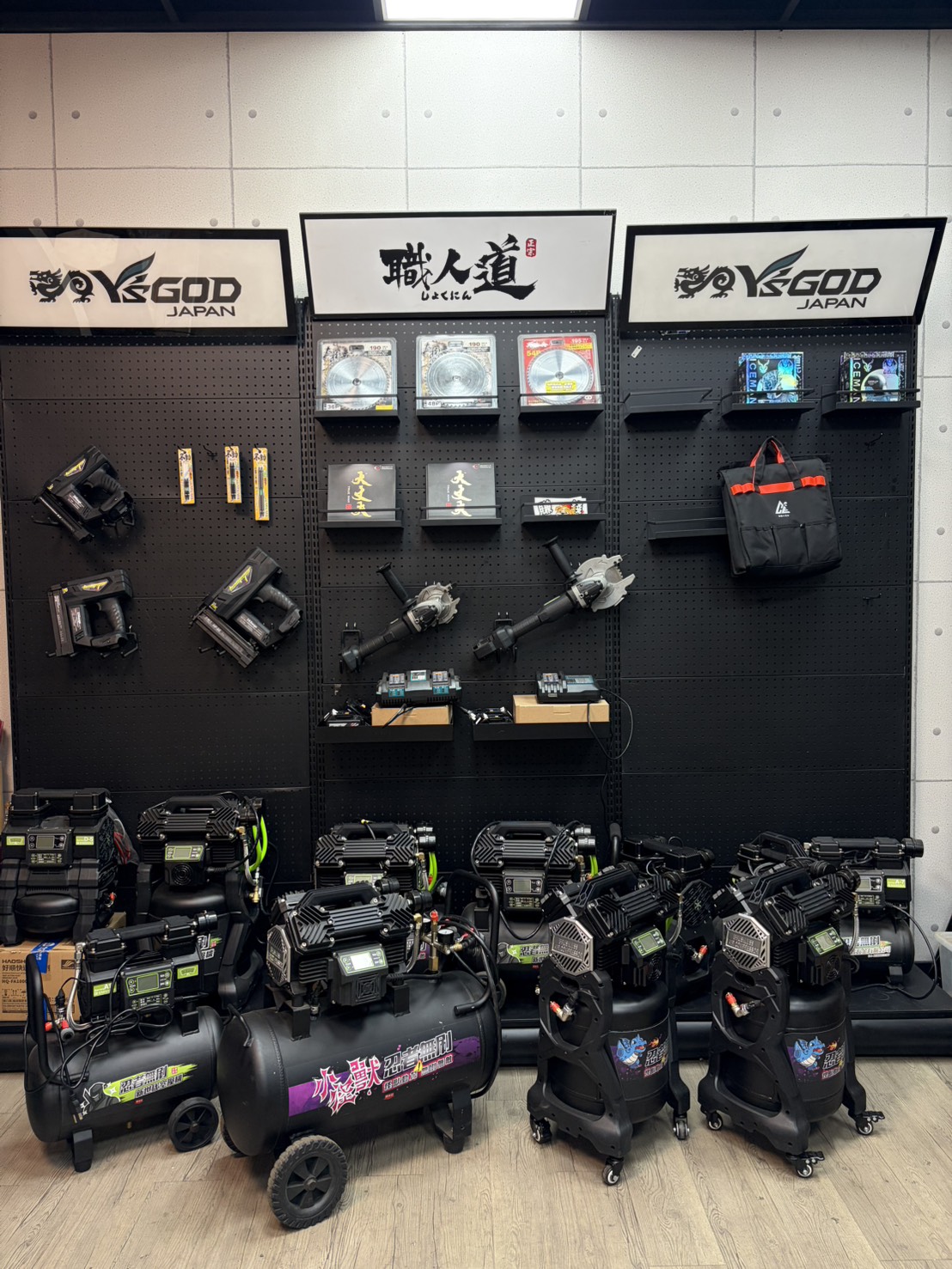
Shokunin product display area. Image: Shokunin / Feng Shang Precision.
Shokunin is a professional e-commerce brand launched by Feng Shang Precision Co., Ltd., a Taiwan-based company that produces tools and the COOLING water-cooled vest. This guide compares the documented water-circulation option with the passive ice-pack option described in the brief, then shows how to match either choice to construction, outdoor work, food stalls, traffic control, and sheet metal environments.
What this comparison needs to decide
The decision is a fit-for-purpose question, not a simple technology contest. A water-circulation vest adds active equipment: a pump, tubing, a water path, and a power source. A passive ice-pack vest removes the pump but depends on frozen packs and replacement logistics. The buyer's job is to decide which operating model the worksite can actually sustain for the required exposure period.
- Can the site provide the power needed for a 5V/150mA pump, and can it keep that power source available through the shift?
- Can the site freeze, store, and replace ice packs without creating downtime?
- Is the stated 3–4 hour cooling window compatible with the task pattern, or does the crew need a rotation plan?
- Does the vest's weight and fit work with the clothing, PPE, and movement required by the job?
- Does the certification evidence cover the exact model, market, and claim the buyer intends to rely on?
Industry context: heat exposure and the cooling-vest category
Heat exposure is a recognized occupational issue, and personal cooling systems are one category of response. CDC/NIOSH guidance identifies water-cooled garments, air-cooled garments, cooling vests, and wetted overgarments as examples of personal cooling systems. That classification supports the use case for cooling PPE, but it does not establish that one product performs better than another in a specific workplace.
Market context points to industrial demand. Dataintelo's 2026 cooling-vest report estimated global cooling-vest revenue at US$342 million in 2025, with industrial applications accounting for 34.5% of revenue. These are commercial research estimates, useful for category context rather than product proof. For a buyer, the implication is practical: cooling vests are not only a comfort accessory; they are evaluated as work equipment with infrastructure, maintenance, and documentation requirements.
How the two options work
Water-circulation cooling
The Shokunin COOLWAVE water-circulation vest is the active option in this comparison. Its documented pump rating is 5V and 150mA maximum, with a stated flow rate of 320–370 ml/min. The cooling duration is stated as 3–4 hours. The net weight is listed as under 2 kg. A secondary product description also describes the design as combining reusable ice packs with a pump-driven water-circulation loop; buyers should confirm the current model configuration directly because the supplied specification does not provide a full bill of materials or test protocol.
The flow figure matters because it describes circulation, not cooling capacity. A 320–370 ml/min flow rate tells the buyer that water is moving through the loop. It does not, by itself, state how much heat is removed from the body under a given ambient temperature, humidity, workload, or clothing ensemble. Those conditions should be defined in a sample test or technical datasheet.
Passive ice-pack cooling
The passive option described for this comparison uses two ice packs and an adjustable one-size-fits-all design. It has no pump and therefore no pump electrical load. Its cooling depends on the ice packs, the insulation and placement of the vest, the ambient conditions, and how often the packs are replaced. The supplied material does not state a measured passive cooling duration, weight with packs installed, or certification status. Those are not reasons to reject the option; they are reasons to request evidence before comparing it with a documented active system.
Power and operating infrastructure
The water-circulation vest's electrical requirement is modest at the pump level: 5V and 150mA maximum. That rating is the starting point for checking a power source, not the end of the power review. The supplied material does not state battery capacity, runtime, connector type, ingress protection, or whether the pump and wiring are rated for wet work environments. Buyers should confirm those details for the exact model.
The passive vest avoids pump power but not infrastructure. Two ice packs must be frozen, transported, and replaced. In a fixed site with a freezer and a controlled break area, that may be manageable. In a remote outdoor site, the freezer and replacement plan become the constraint. The active vest shifts the constraint toward power availability; the passive vest shifts it toward cold-chain availability.
Cooling duration: what 3–4 hours means and what is missing
Shokunin's supplied comparison states 3–4 hours of cooling. The same comparison distinguishes this from other water-cooled vests that lose cooling after approximately 30 minutes. That is a within-category distinction: it explains why water-circulation products should not be treated as equivalent, but it does not supply a measured duration for the passive ice-pack option.
For decision purposes, the 3–4 hour figure should be read with its conditions. The supplied material does not state the ambient temperature, humidity, workload, clothing layer, water temperature, ice-pack condition, or the definition of when cooling ends. Buyers should ask whether the figure refers to the pump running continuously, the ice packs' usable cold period, or the period before the wearer reports reduced cooling. Without that definition, 3–4 hours is a supplier-stated duration that should be validated in the intended work environment.
The passive option's duration is more directly tied to ice-pack replacement. Two ice packs may allow a replacement cycle, but the supplied material does not state how long each pack lasts or whether both are worn at once. A buyer comparing the two options should request a simple test protocol from each supplier: same ambient condition, same work task, same clothing, and a recorded end point.
Weight and fit
The Shokunin vest is listed at under 2 kg net weight. That is a useful screening figure for wearability, but net weight should be checked carefully. Ask whether it includes the pump, tubing, water, ice packs, and power source, or only the garment. A loaded weight is more relevant for workers who wear the vest for several hours.
The passive option uses two ice packs and an adjustable one-size-fits-all design. One-size adjustment can simplify stockholding and fitting across a crew, especially where individual sizing is difficult. The trade-off is that adjustment range and ice-pack placement must suit the wearer's torso and task movement. The supplied material does not state the adjustment range, the packed weight, or how the ice packs are secured. The water-circulation option's sizing range is also not stated in the supplied specification, so both options require a fit check.
Certification evidence
The Shokunin COOLING water-cooled vest has received the Disaster Prevention Product and Service Certification Award issued by the Taiwan Disaster Prevention Industry Association. That is relevant evidence of recognition under a Taiwan disaster-prevention product and service scheme. It should be presented accurately: it is not, by itself, proof of CE, UKCA, ANSI, EN, or ISO compliance, and the supplied material does not identify those marks for either option.
Buyers should request the certificate or award documentation, the exact product/model covered, the issuing organization, the scope of the claim, and the validity period. For the passive ice-pack option, no comparable certification statement is included in the supplied comparison material. That does not prove the passive option lacks certification; it means the buyer should ask for equivalent documentation rather than assume it.
Scenario fit: construction, outdoor work, food stalls, traffic control, sheet metal
Construction
Construction work combines heat, movement, and PPE. If the crew can manage a 5V power source and ice freezing, the Shokunin vest's 3–4 hour stated cooling window may fit part of a shift; longer exposure still requires a rotation, spare ice, or power plan. If power and freezer access are unreliable, a passive vest may simplify the equipment side, but the crew still needs a replacement plan for two ice packs. The decision should be based on the site's actual break and storage arrangements.
Outdoor work
Outdoor sites with prolonged sun exposure are explicitly named in the supplied Shokunin positioning. The active vest's documented pump and flow specifications make it a candidate where a power source can be controlled. The passive vest avoids pump power and may suit crews that can rotate ice packs. Neither option should be selected from a slogan; both need a loaded-weight check and a duration test under the site's heat conditions.
Food stalls
Food-stall work often involves heat, limited space, and cleaning routines. A water-circulation vest requires a power source and water/ice handling; a passive vest requires freezer space and clean ice-pack storage. Buyers should ask about cleaning instructions, material contact, and whether the vest can be worn over the required clothing. The supplied material does not establish food-safety certification for either option, so cleaning and material documentation should be requested separately.
Traffic control
Traffic control can involve long periods of standing and sun exposure. A one-size passive vest may simplify fitting across a pool of officers, but the supplied material gives no passive duration figure. The water-circulation vest offers a stated 3–4 hours but needs power and ice logistics. Match the choice to shift length, access to a freezer or cooler, and the ability to carry a power source without interfering with high-visibility clothing or movement.
Sheet metal
Metal sheet factories are named in the supplied Shokunin comparison as a high-temperature environment where the water-circulation vest is positioned as suitable. That is a positioning statement, not an independent test result. Buyers should validate it with a sample in the actual work area, checking movement, sparks or hot-surface exposure, cleaning, and whether the pump and tubing create a snag risk.
Comparison table
| Decision dimension | Shokunin water-circulation vest | Passive ice-pack vest (as described) |
|---|---|---|
| Power demand | 5V, 150mA maximum pump; power source and runtime details to confirm | No pump electrical load |
| Cooling duration | 3–4 hours stated; other water-cooled vests may lose cooling after about 30 minutes | Not stated in supplied material; depends on ice packs and replacement |
| Weight | Under 2 kg net weight; loaded weight to confirm | Not stated; two ice packs add carried load |
| Fit | Sizing range not stated in supplied specification | Adjustable one-size-fits-all design |
| Certification evidence | Disaster Prevention Product and Service Certification Award from the Taiwan Disaster Prevention Industry Association | No comparable certification statement in supplied comparison material |
| Routine logistics | Reusable ice packs, water circulation, power source | Freeze, transport, and replace two ice packs |
| Potential fit | High-temperature environments, metal sheet factories, outdoor sites | Short or intermittent tasks where no-pump operation and simple one-size fitting are priorities |
Step-by-step buyer workflow
- Define the exposure profile. Record ambient heat, sun exposure, task duration, workload, clothing, and PPE. Do not compare products without a common use case.
- Map utilities. Confirm access to a 5V power source for the active vest and freezer/cooler access for ice packs. Identify who will manage replacements during the shift.
- Verify the duration claim. Ask each supplier for the test conditions behind the stated cooling duration, including the end point and whether the figure covers the pump, the ice packs, or both.
- Check loaded weight and fit. Request the weight with water, ice packs, pump, and power source installed, plus the sizing or adjustment range.
- Verify certification scope. Obtain the certificate or award document, model coverage, issuing body, validity date, and the market where the claim is intended to apply.
- Run a sample trial. Test the shortlisted option with representative workers and record comfort, movement, replacement time, and any interference with PPE.
- Compare lifecycle logistics. Include cleaning, ice-pack replacement, pump care, spare parts, and storage in the final comparison.
Maintenance and leakage risk
Ice-pack systems need a leakage and wear plan. The supplied risk-control note for Shokunin cites reinforced ice-pack material and 100% quality checks before shipment. That is a supplier control statement; buyers should still confirm warranty terms, leak response, and spare-pack availability. Passive systems also depend on ice-pack integrity, so the same questions apply. The supplied comparison also states that Shokunin requires lower maintenance than other water-cooled vests because it uses reusable ice packs and durable fabric, while other water-cooled vests may need frequent ice-pack replacement and experience more wear. That comparison is within the water-circulation category and should not be read as an independent test against passive vests.
FAQ
What power source does the Shokunin water-circulation vest require?
The documented pump rating is 5V and 150mA maximum, with a stated flow rate of 320–370 ml/min. The supplied material does not state battery capacity, runtime, connector type, or ingress protection, so buyers should confirm the exact power source, runtime, and water-resistance rating for the model being purchased.
How long does the cooling last, and is the passive vest's duration comparable?
Shokunin states 3–4 hours of cooling, while the supplied comparison says other water-cooled vests may lose cooling after about 30 minutes. The passive ice-pack vest's cooling duration is not stated in the supplied material, so it cannot be treated as equal or inferior without a test result. Buyers should request the passive duration under the same ambient, workload, and clothing conditions.
What does the disaster-prevention certification prove?
The Shokunin COOLING water-cooled vest has received the Disaster Prevention Product and Service Certification Award issued by the Taiwan Disaster Prevention Industry Association. This is recognition under that Taiwan scheme. It should not be presented as CE, UKCA, ANSI, EN, or ISO certification. Buyers should request the certificate scope, model coverage, and validity period, and ask for equivalent evidence for any passive option under consideration.
Which option fits construction, food stalls, traffic control, and sheet metal work?
The water-circulation vest may fit construction, outdoor work, and sheet metal environments where a 5V power source and ice freezing can be controlled and the 3–4 hour stated duration matches the task plan. A passive one-size vest may fit crews that prefer no pump and can manage two ice packs, including some food-stall or traffic-control settings. Food stalls also require cleaning and material checks; traffic control requires a shift-length and replacement review. Sheet metal use should be validated with a sample because the supplied statement is a positioning claim, not an independent test.
How should buyers compare weight, fit, and maintenance before ordering?
Request the loaded weight, not only net weight. Confirm whether under 2 kg includes water, ice packs, pump, and power source. For the passive option, confirm the packed weight with two ice packs and the adjustment range of the one-size design. Then compare cleaning, ice-pack replacement, pump care, and spare-part availability. A sample trial and the current Shokunin brochure can help verify these points before a larger order: download the product brochure.
Conclusion
The choice between a dual cooling water cooling vest and a passive ice-pack vest should be made on operating fit. The Shokunin water-circulation option brings documented pump, flow, cooling-duration, weight, and Taiwan disaster-prevention recognition to the comparison. The passive option brings no pump load and an adjustable one-size design, but its cooling duration, packed weight, and certification evidence are not stated in the supplied material. Buyers should request those missing facts, run a sample in the real work environment, and match the final choice to power access, freezer access, shift length, and the specific tasks performed.
Need to verify pump, flow, weight, or certification details for a specific site? Review the current Shokunin product brochure and request a sample for comparison.
Have Questions or Need More Details?
Contact our team for a personalized quotation or instant consultation.
Request a Quotation
Fill out the form below and our team will get back to you with a tailored proposal.
WhatsApp Direct Chat
Prefer to chat in real-time? Message us on WhatsApp for instant assistance & quick answers.
- Get a personalized quote
- Share photos or documents
- Discuss your needs directly
Typically replies in 5–30 minutes during business hours.