How to Verify Dual Cooling Vest Capacity, MOQ and Lead Time
A dual cooling water cooling vest supplier is usually screened first on four numbers: minimum order quantity, production lead time, monthly capacity and warranty length. For the Shokunin COOLWAVE line, that set reads 10 units minimum order quantity, a 7–14 day typical production lead time, 3,000 units per month capacity, and a 6-month warranty on the water-cooled vest, with ODM production stated as the production mode. Those figures open an evaluation; they do not close one. Each is a supplier statement about capability, and each can be converted into a document, record or contract clause that a procurement team can check before payment is released.
Shokunin is the professional tool brand of Feng Shang Precision Co., Ltd., a Taiwan-based manufacturer founded in 2009 whose listed product range includes air compressors, cut-off machines, water-cooled vests, lithium batteries, diamond saws, nail guns and hand tools. This walkthrough takes the claims that appear in a typical quotation for that vest line and turns them into a verification sequence: capacity arithmetic, facility and headcount reading, commercial terms, ODM scope, warranty wording, field evidence and supporting documents.
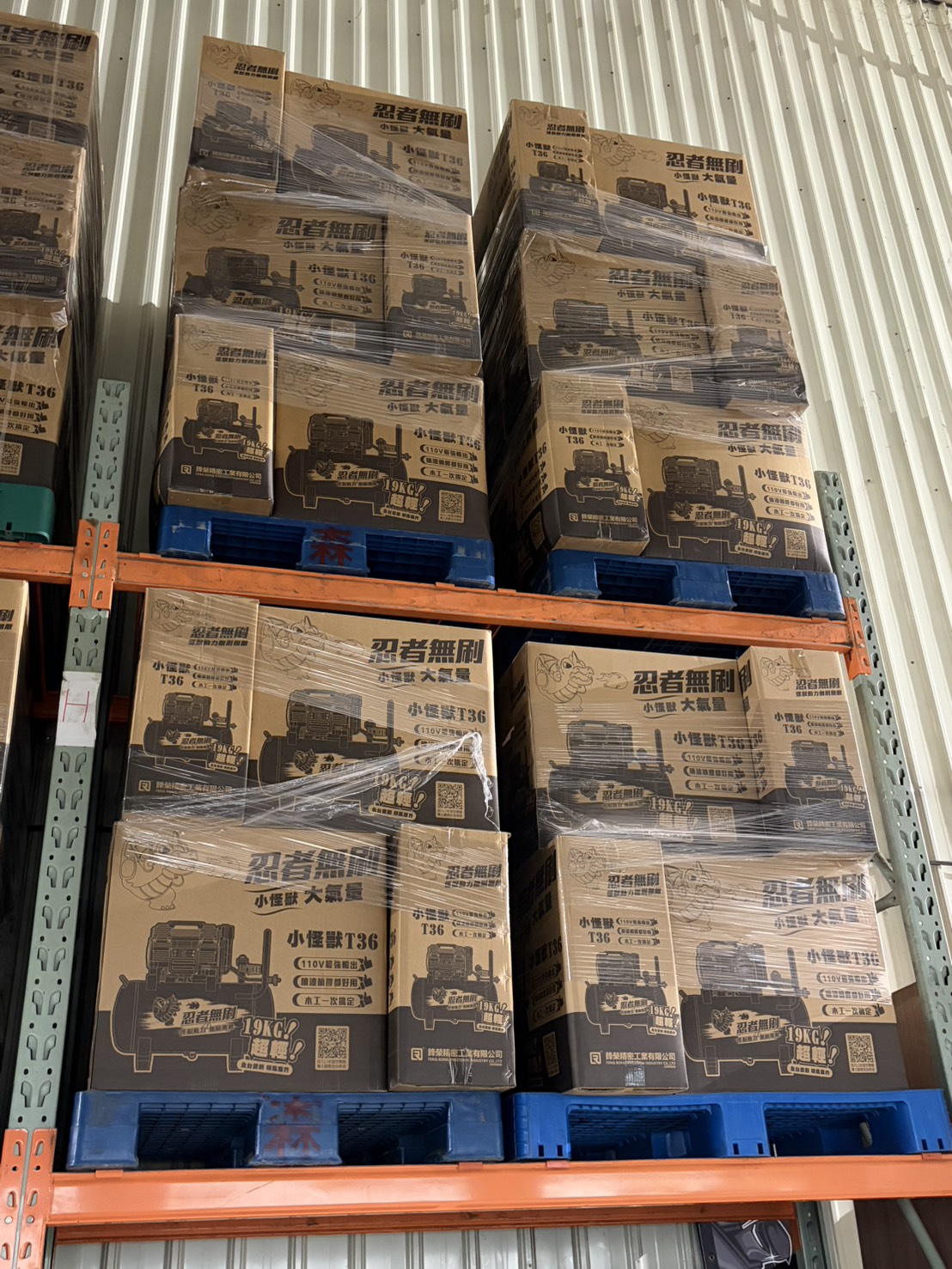
What a capacity claim actually contains — and what it leaves out
A monthly capacity figure is only meaningful once three things are known: the basis of the number, the product line it applies to, and the share of it that is genuinely free. The same is true of a lead time, which has no operational value until the starting event is defined, and of a minimum order quantity, which does not explain whether 10 units is a stocked configuration or a scheduled production run. Buyers who accept the headline values without those three qualifiers tend to discover the gap at the worst moment: when a seasonal roll-out has to be staged across several hundred workers.
Category context helps here but does not replace supplier evidence. CDC/NIOSH guidance classifies water-cooled garments, air-cooled garments, cooling vests and wetted overgarments as personal cooling systems for heat-exposed work. That confirms the product category sits inside recognised occupational heat practice; it says nothing about any specific supplier's output, test conditions or delivery reliability.
The practical rule is to treat every capability statement as a request for a record. Below, each claim in the supplied supplier profile is paired with what it does not establish and the document that would settle it.
The claim set, and the evidence that settles each item
| Claim as supplied | Stated value | What it does not establish | Document to request |
|---|---|---|---|
| Minimum order quantity | 10 units | Whether 10 units ships from stock or opens a scheduled run | Written MOQ per model and per variant |
| Production lead time | 7–14 days | The starting event, and whether it holds above the MOQ | Lead-time definition plus a sample schedule for 10, 500 and 1,000 units |
| Monthly capacity | 3,000 units | Whether this is installed, practical or available capacity | Three months of vest-line production records |
| Annual output | 10,000 units, company-wide | Which product lines are counted, and on what unit definition | Output definition and split by product family |
| Team and engineering | 30 employees, 5 engineers | Production headcount, shift pattern, concurrent project load | Organisation chart and engineering allocation per project |
| Facility | 1,000 m² | The split between production, warehouse and office space | Floor plan and finished-goods buffer size |
| Warranty | 6 months, water-cooled vest | Start date, covered parts, exclusions, claim route | Warranty text with a component list |
| Production mode | ODM | What may change, at what tooling cost, at what minimum per variant | ODM scope sheet and tooling quotation |
| Export profile | 50% export ratio; main markets USA and ROC | Documentation readiness for your own destination market | Sample export document set and packing specification |
| Field deployment | 100 units, Taiwan | Dates, exact configuration, failure rate, measured results | Deployment record, issue log, reference contact with permission |
Reconciling a 10-unit MOQ with a 7–14 day lead time and 3,000 units per month
The three numbers are compatible on their face, and the arithmetic explains why a small order is unlikely to be refused. Ten units against a stated 3,000-unit monthly capacity is 0.33% of one month's output (10 ÷ 3,000). At that scale the order consumes material and a scheduling slot rather than capacity, which is consistent with a small-batch ODM model aimed at pilot buyers and private-label trials.
The compatibility breaks down on the calendar, not on the volume. A 7–14 day lead time is short relative to most hardware categories, so its starting event has to be fixed. The supplied purchasing terms state that shipment follows payment, freight is paid by the buyer, payment terms are full payment, and the acceptance criterion is a pre-shipment test. Read together, the clock most plausibly starts when payment clears and any artwork or variant approval is closed — not when the enquiry is sent. Three questions remove the ambiguity:
- Does the 7–14 day window start at purchase order, at cleared payment, or at approved artwork for ODM variants?
- Is the window a protected production slot, or a position in a queue that moves with larger orders?
- Does the same 7–14 day window apply to a 10-unit trial and to a 500-unit follow-on order, or does the second order re-enter scheduling?
There is also a working-capital implication worth putting on the table. Full payment before shipment, with freight charged to the buyer, means the buyer carries the entire financial exposure between transfer and inspection. If your finance team cannot accept that on a first order, the negotiation is about payment staging against a pre-shipment inspection report, not about the MOQ.
The capacity arithmetic to put in front of the supplier
Two supplied figures do not sit on the same basis, and a competent evaluation should say so rather than average them. A stated 3,000 units per month, sustained for twelve months, implies 36,000 units per year. The company-level annual output listed separately is 10,000 units across the entire product portfolio — air compressors, cut-off machines, water-cooled vests, lithium batteries, diamond saws, nail guns, spider stands and screwdriver bits. Expressed the other way, 10,000 units a year is roughly 833 units a month company-wide (10,000 ÷ 12). A 3,000-unit monthly vest figure cannot be reconciled with an 833-unit company-wide monthly figure unless the two numbers describe different things.
That is a basis question, not an accusation. Common explanations include installed versus practical versus currently available capacity, a monthly figure that represents a peak or theoretical line rate, or an annual output figure that counts finished assemblies in one reporting category only. The verification step is the same in each case: ask for the definition in writing and for three consecutive months of vest-line production records showing units started and units passed final inspection. If those records show something between the two figures, the capacity claim is directionally sound and the annual figure simply uses a narrower definition.
Use the arithmetic to size your own order as a share of a month. A 500-unit programme is about 17% of a stated 3,000-unit month (500 ÷ 3,000); a 1,000-unit programme is about 33%. Those percentages tell you when your order stops being marginal and starts competing for the same line, and they are the numbers to quote when you ask how much of the month is already committed to other customers.
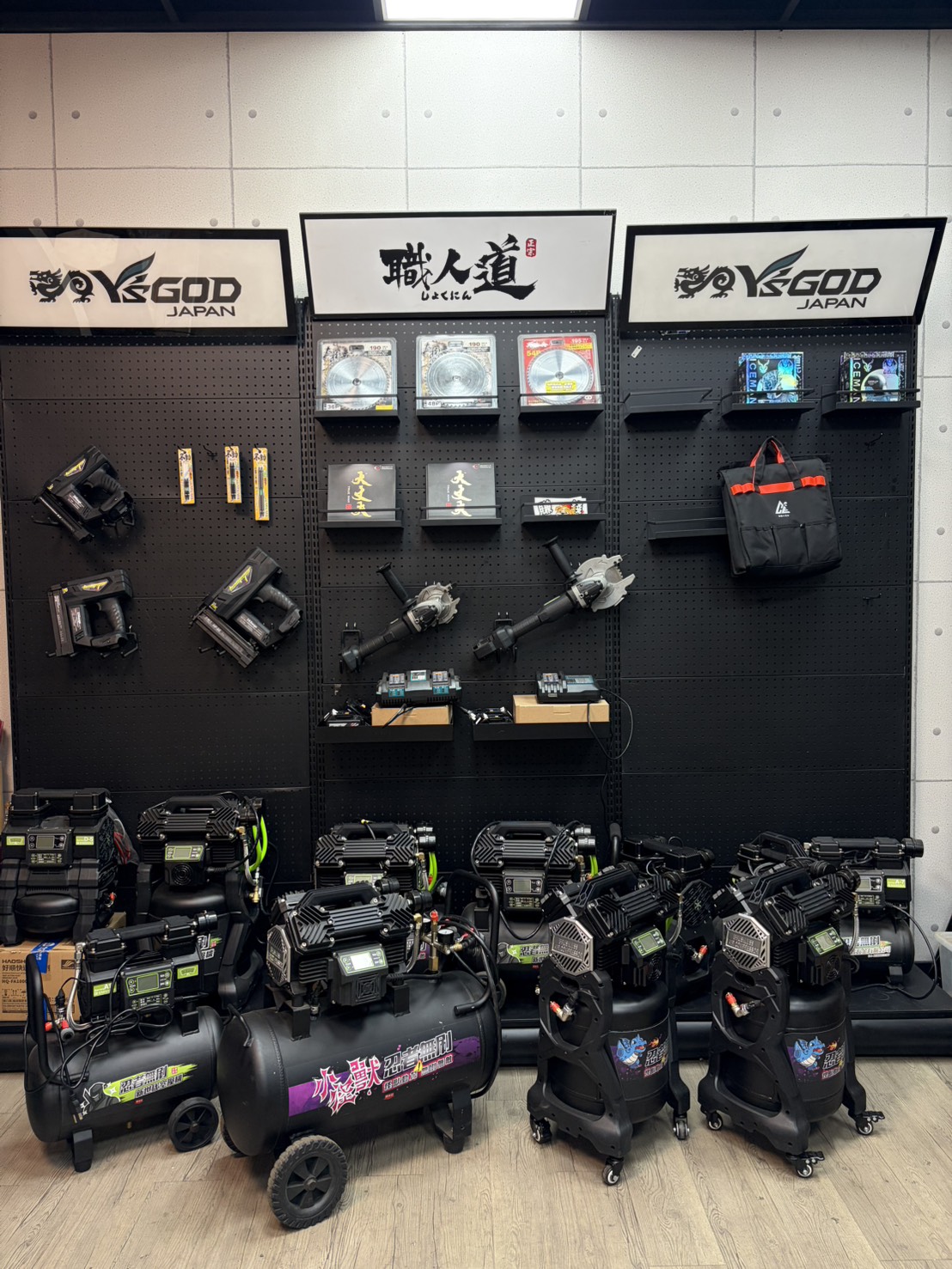
Reading a 30-person team, 5 engineers and a 1,000 m² facility
Headcount and floor area are the two figures buyers most often skim, yet they set the real ceiling on scale-up. Dividing the stated 3,000 units a month by the stated 30 employees gives 100 units per employee per month (3,000 ÷ 30), and that is an upper-bound sketch rather than a productivity benchmark, because the 30 includes the 5-engineer R&D group and commercial staff. The actual per-production-worker rate must be higher than 100 units a month. Two conclusions follow: assembly is labour-intensive rather than heavily automated, and the binding constraint on a surge order is people and stations, not floor space alone.
The 1,000 m² facility has to absorb production, warehouse and office functions at the same time. A supplier running 3,000 units a month needs inbound component storage, work-in-progress and a finished-goods buffer sized in days of output, so the useful question is not the total area but the buffer: how many days of average output can be held before shipment, and how is stock rotated between orders. Ask for the floor plan and the booked buffer figure rather than the headline square metres.
The 5-engineer R&D group is the relevant capacity measure for ODM work. Engineering hours are consumed by variant development, artwork approval, tolerance changes and pilot builds, so a buyer commissioning a custom variant should ask how many ODM projects the team is running concurrently, who owns tooling design, and what share of an engineer is allocated to the project. A five-engineer team supporting a multi-product portfolio is a genuine capability, but it is not unlimited concurrent customisation.
Finally, the 50% export ratio with main markets in the USA and ROC is a useful signal for documentation readiness, not proof of fit for your market. Ask for a sample export document set, the packing specification and the Incoterms the supplier normally works on; then check them against your own importer requirements.
Commercial terms and the acceptance protocol
The supplied purchasing terms are specific enough to be converted into a clause-by-clause checklist: minimum order quantity of 10 units, shipment after payment, freight paid by the buyer, acceptance criteria defined as a pre-shipment test, and full payment. Each of those needs a definition before the first order, because the wording as it stands leaves the buyer exposed at two points — the acceptance gate and the freight boundary.
A pre-shipment test is only an acceptance criterion once the test protocol exists. For a water-circulation vest, the protocol should name the sample size and sampling plan, the configuration tested, the power source used, and the pass/fail limits for the functions you care about. Company-published specifications — a 3–4 hour cooling duration per charge or ice-pack cycle, a 5 V, 150 mA pump and a stated flow rate of 320–370 ml/min, reproduced in supplier and secondary listings — are the natural starting points for those limits, but no measurement conditions such as head pressure, tubing length or reservoir level are disclosed with them. Treat the published values as claims to be validated by the pre-shipment test rather than as guaranteed performance, and write the test conditions into the purchase order so the result is repeatable.
Freight paid by the buyer also determines who carries risk in transit and who pays for returns under warranty. Specify the Incoterm, the point at which title and risk transfer, packaging standard for the destination climate, and the process for documenting transit damage on arrival. None of this changes the supplier's stated terms; it makes them operable.
ODM scope: what to define before you design anything
ODM production is stated as the production mode, and the practical value of that statement depends entirely on a scope sheet. ODM generally means the supplier's existing design forms the base and the buyer adapts it, which is a different commitment from building a new design to the buyer's drawings. A written scope should answer, item by item, which elements may change and which may not: labelling and packaging, fabric and colour, sizing and size range, the cold-source configuration, the pump and power-bank pairing, and the water-bag assembly.
Three commercial details belong in the same document. First, tooling and set-up cost, plus who owns the tooling afterwards. Second, the minimum quantity per variant, which can be far higher than the 10-unit base MOQ once a component changes. Third, whether a modified unit is covered by the same 6-month warranty as the standard vest. It is also worth asking whether a proposed change falls inside or outside the scope of the registered patent covering the vest structure and cooling system, since a modification that touches the cooling architecture is a different engineering conversation from a label change.
Warranty wording: the six-month period needs a start date
Six months of warranty on the water-cooled vest is a fixed term, but a term without a start event, a parts list and a claim route cannot be budgeted. The clauses to confirm in writing are: whether the period starts at shipment, at delivery or at first use; which components are covered, with the pump, tubing, connectors and water bag named individually rather than covered by the word 'vest'; what is excluded, particularly wear, improper washing and use with a non-compatible power source; whether remedy is repair or replacement; who pays return freight in each direction, given that outbound freight is already the buyer's cost; the target turnaround time; and the availability and price of spare pumps and bags after the warranty ends.
Then map the term onto your own deployment cycle. A six-month warranty covers a single hot season and stops short of a multi-season programme, so any fleet intended for repeat summer use needs a spares plan agreed at the same time as the order, not after the first failure.
Field evidence: what to ask for behind the 100-unit Taiwan deployment
The supplied case record describes 100 units deployed in Taiwan for cooling in high-temperature environments, across construction sites, outdoor work, metal sheet factories and street vendors, with reported results of effective body cooling, heatstroke prevention, improved work efficiency and worker comfort. That is a credible scale for a reference site and a reasonable basis for a reference request — but it is a reported outcome, not a measured study, and it should be requested as a file rather than accepted as a sentence.
One detail deserves specific attention during the request. The same case record describes the deployed configuration in terms of passive ice-pack cooling with no power requirement, lightweight and portable construction, an adjustable one-size-fits-all design and disaster-prevention product certification. If your quotation is for the pump-driven dual cooling configuration, ask explicitly which configuration was in the field and keep the reference tied to the model you are buying. Matching the reference to the quoted SKU is the difference between evidence and association.
The request list is short: deployment date and duration, exact model and bill of materials, number of units replaced or withdrawn and why, an issue log, photographs cleared for use, and permission to contact a site supervisor. A supplier that can produce those documents has demonstrated something the specification sheet cannot.
Documents that support the claim, and the ones they do not replace
The patent certificate is a genuine document and should be read for exactly what it covers. Taiwan patent I886033 was issued by the Intellectual Property Office of the Ministry of Economic Affairs on 1 June 2025, expires on 27 August 2044, and covers water-cooled vest structure and cooling system. It evidences a registered structural claim in Taiwan. It does not evidence cooling performance, electrical safety, or protection in any other jurisdiction, and it does not substitute for a test report.
The disaster-prevention product certification, awarded through the Taiwan Disaster Prevention Industry Association, is a second document to request in copy, with its scope, its validity period and the specific model it covers. Beyond those two, the gaps a procurement team should close directly are a product-level performance test under stated conditions and electrical documentation for the pump and its power source. Neither is established by the material summarised here, so they belong on the request list rather than in the assumptions.
A five-step verification sequence
Step 1 — Assemble the document pack. Request the patent certificate, the disaster-prevention certification, the warranty text, the ODM scope sheet and any available test report. Pass criterion: every headline claim in the quotation is matched to a document or explicitly marked unverified.
Step 2 — Settle the capacity basis on a call. Ask for the definition behind 3,000 units per month and 10,000 units per year, plus three months of vest-line production records. Pass criterion: the two figures are explained by different definitions, not by one being quietly withdrawn.
Step 3 — Fix the commercial terms in the purchase order. Define the lead-time start event, the pre-shipment test protocol with sample size and pass limits, the Incoterm, the transit-risk boundary and the warranty return-freight arrangement. Pass criterion: no term relies on an undefined word.
Step 4 — Run the 10-unit validation batch. Deploy the trial units to the roles that match your real exposure — construction, outdoor work, metal sheet factory or street vending — and log runtime per charge, power-source behaviour, wash durability and every failure. Pass criterion: results fall inside the limits agreed in Step 3.
Step 5 — Scale with a written buffer and spares commitment. Before raising a 500-unit or 1,000-unit order, confirm the production slot, the finished-goods buffer in days of output, the spare-pump and water-bag supply, and the warranty start date that will apply to the larger batch.
What this walkthrough does not establish
Every figure discussed here originates with the supplier or with supplier-related listings. Nothing in this sequence proves that the stated capacity is currently available, that the 7–14 day lead time will hold during a peak season, or that published runtime and flow values will be reproduced on your site. The purpose of the sequence is narrower and more useful: it converts each claim into a request that has a verifiable answer, so a procurement team can decide on records instead of on adjectives.
Frequently asked questions
Which documents should a buyer request to verify a dual cooling water cooling vest supplier?
Start with five: the patent certificate (Taiwan I886033, covering vest structure and cooling system, issued 1 June 2025 and expiring 27 August 2044), the disaster-prevention product certification with its scope and validity, the full warranty text with a component list, a written ODM scope sheet covering changeable elements and minimum quantity per variant, and any product-level performance test report. Add a sample export document set and a packing specification if you are importing. A supplier statement without one of these documents remains a claim, and should be recorded as such in your evaluation file.
How can a buyer reconcile a 3,000-unit monthly capacity with a 10,000-unit annual output?
By treating them as different measurements until the supplier says otherwise. Twelve months at 3,000 units implies 36,000 units a year, whereas 10,000 units a year is roughly 833 units a month across the whole product portfolio. The figures cannot describe the same basis, so ask for the capacity definition — installed, practical or currently available — the product line each figure covers, and three consecutive months of vest-line production records. Do not average them or select the more favourable number; a supplier that explains the difference clearly has answered the question.
What commercial terms should be written into a first order?
The supplied terms state a 10-unit MOQ, shipment after payment, freight paid by the buyer, a pre-shipment test as the acceptance criterion, and full payment. Each needs a definition: the event that starts the 7–14 day lead time, the pre-shipment test protocol with sample size and pass limits, the Incoterm and the point where transit risk transfers, the packaging standard, and who pays return freight on a warranty claim. If full payment before shipment is unacceptable to your finance team, negotiate against an inspection report rather than against the MOQ.
How should a 10-unit order be used before committing to a larger volume?
Use it as a structured validation batch, not a sample box. Assign units to the job roles that match your exposure — construction, outdoor work, metal sheet factories or street vending — and record runtime per charge or ice-pack cycle, the power source used, comfort, wash durability and every component failure. Compare the results against the pass limits agreed in the pre-shipment protocol. Ten units will not produce statistically robust reliability data, but they will surface configuration mismatches, fitting problems and power-source issues before a 500-unit order is placed.
When does the 7–14 day lead time start, and what should be confirmed before committing a season's volume?
Confirm the starting event in writing: purchase order, cleared payment, or approved artwork for ODM variants. Because the stated terms place shipment after payment, the realistic clock begins when funds clear and any variant approval is closed. Before committing a season's volume, also confirm whether the window is a protected slot or a queue position, what the schedule looks like at 500 and 1,000 units, how many days of finished goods the 1,000 m² facility can buffer, and which warranty start date applies to the larger batch. Buyers who want the current model list, specification details and ordering terms in one file can download the company brochure, or send the verification checklist above to the supplier through the contact route on fstool.com.tw.
Conclusion
Capacity and delivery claims in this category are checkable, but only after the definitions are fixed. A 10-unit MOQ against 3,000 units a month is 0.33% of one month's stated output, which makes a small trial order administratively easy; the three numbers that need real scrutiny are the starting event behind the 7–14 day lead time, the basis behind the monthly and annual capacity figures, and the scope behind the ODM and 6-month warranty statements. A 30-person team with 5 engineers in a 1,000 m² facility supports a labour-intensive, multi-product operation with finite concurrent customisation capacity, which is workable for pilot and mid-volume programmes provided the buffer and spares commitments are written down. Request the patent and disaster-prevention documents, ask for three months of vest-line production records, tie the 100-unit Taiwan deployment to the exact configuration you are quoting, and put the pre-shipment test protocol in the purchase order. That is the difference between a supplier evaluation and a supplier brochure.

Have Questions or Need More Details?
Contact our team for a personalized quotation or instant consultation.
Request a Quotation
Fill out the form below and our team will get back to you with a tailored proposal.
WhatsApp Direct Chat
Prefer to chat in real-time? Message us on WhatsApp for instant assistance & quick answers.
- Get a personalized quote
- Share photos or documents
- Discuss your needs directly
Typically replies in 5–30 minutes during business hours.