
Why Construction Cooling Vests Need Passive Water-Circulation: A Data-Driven Guide for High‑Heat Workplaces
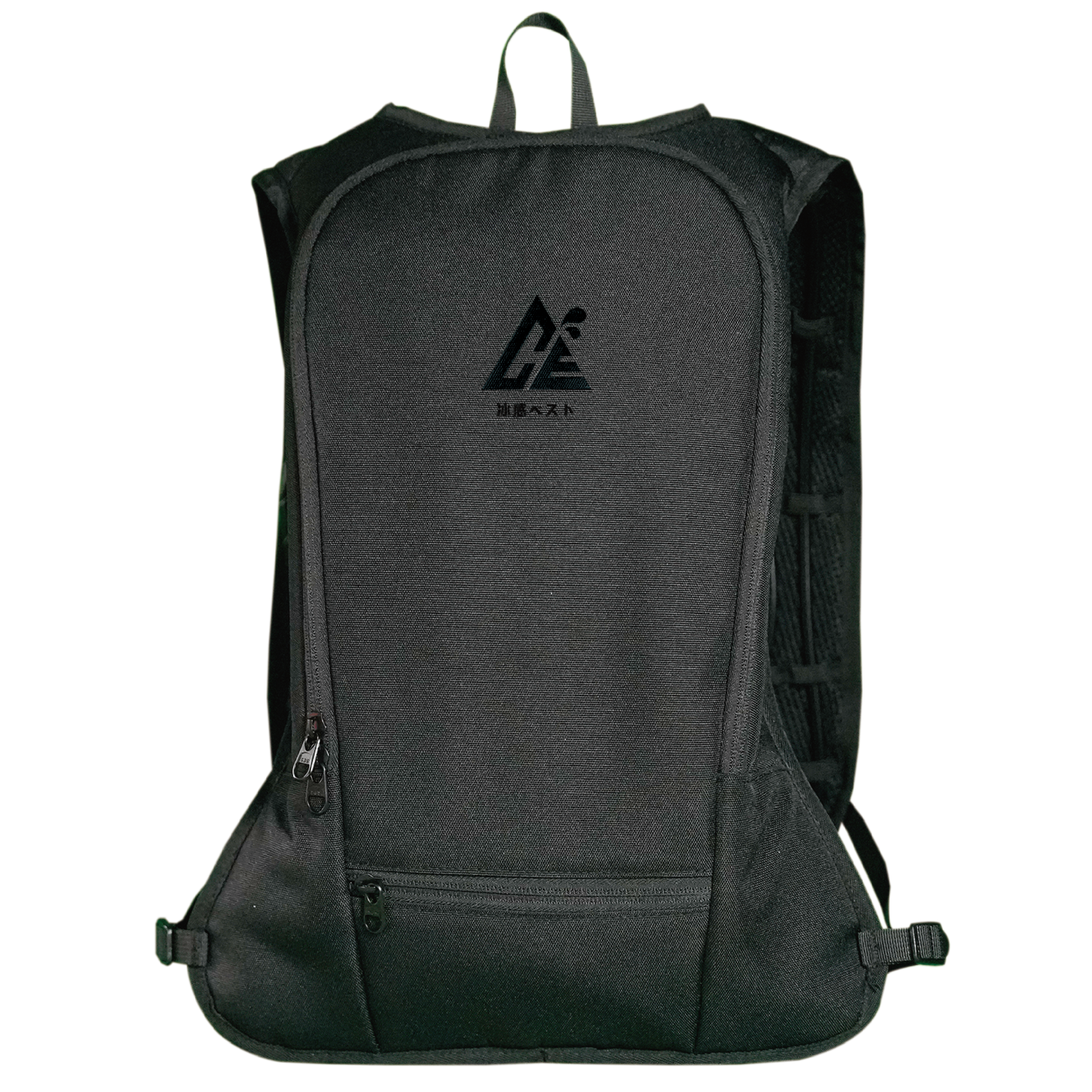
Why Construction Cooling Vests Need Passive Water-Circulation: A Data-Driven Guide for High‑Heat Workplaces
For procurement professionals evaluating construction cooling vest solutions, passive water‑circulation technology offers a unique balance of safety, mobility, and regulatory compliance—without the power tether of active fans. This guide explains the certified technology behind Shokunin COOLWAVE, its industrial‑grade parameters, and how to assess its fit for your high‑temperature work environment.
The Problem: Heat Stress Remains a Recognized Hazard on Construction Sites
In 2025, industrial applications accounted for 34.5% of the global cooling‑vest market (Dataintelo), reflecting the acute need to protect workers from heat stress. Under the U.S. Occupational Safety and Health Administration (OSHA) General Duty Clause, Section 5(a)(1) of the OSH Act, employers must provide a workplace free from recognized hazards—including extreme heat on construction sites. This makes construction cooling equipment not just a comfort item but a compliance necessity.
Workers on steel roofs, metal sheet factories, and open outdoor structures face prolonged sun exposure, with core body temperatures rising to dangerous levels. Traditional cooling methods (fans, breaks, hydration) are often insufficient when ambient temperatures exceed 40°C. A purpose‑built worker cooling vest can mitigate this risk by delivering sustained, torso‑focused cooling.
Industry Background: The Shift Toward Passive, Untethered Cooling
According to Cooling Vest with Fans Market Research Report 2033, the active‑fan segment reached USD 1.32 billion in 2024. Yet fan‑based vests introduce noise, battery dependency, and snag hazards—drawbacks that many procurement managers have flagged for construction site cooling equipment. Meanwhile, the broader heat‑stress prevention products market, valued at USD 2.86 billion in 2025 (The Business Research Company), is growing fastest in Asia‑Pacific, which held a 38.2% revenue share. Taiwan’s manufacturing and construction sectors, in particular, have driven demand for certified passive solutions.
For buyers comparing high-temperature operation cooling equipment, the core decision often comes down to active (fan) versus passive (ice‑pack or phase‑change) technology. Passive water‑circulation vests offer simpler maintenance, longer cooling duration and no electrical components exposed to dust or moisture—a clear advantage in the mud, dust and metal‑chip environment of a construction site.
Detailed Solution: Shokunin COOLWAVE—A Certified Passive Water‑Circulation Cooling Vest
Shokunin is a professional e‑commerce brand under FENG SHANG PRECISION CO., LTD, a Taiwanese manufacturer founded in 2009. Shokunin’s COOLWAVE Water‑Circulation Cooling Vest (product code 1008) is a professional‑grade construction cooling vest that uses passive ice‑pack cooling—no external power required. It has received the Disaster Prevention Product and Service Certification Award from the Taiwan Disaster Prevention Industry Association, marking it as a certified tool for heat‑stress prevention in outdoor and high‑temperature work.
Key Parameters and Materials
| Parameter | Value |
|---|---|
| Cooling duration | 3–4 hours per ice‑pack charge |
| Total weight | Within 2 kg (backpack + vest) |
| Active cooling fluid | Water‑circulation via pump (5V 150 mA max, flow rate 320–370 ml/min) |
| Backpack shell / vest material | 600D polyester (shoulder straps), PEVA vest, TPU water bag, polypropylene cap |
| Applicable temperature | Suitable below 10°C (ice‑activated; effective in high ambient heat) |
| Included accessories | 1 water‑cooled vest backpack, 2 ice packs |
Patented, Certified, Field‑Proven
The COOLWAVE vest is protected under the Patent Act of the Republic of China (patent certificate I886033, issued by the Intellectual Property Office, Ministry of Economic Affairs). This patent covers the water‑cooled vest structure and cooling system, valid for the ROC market.
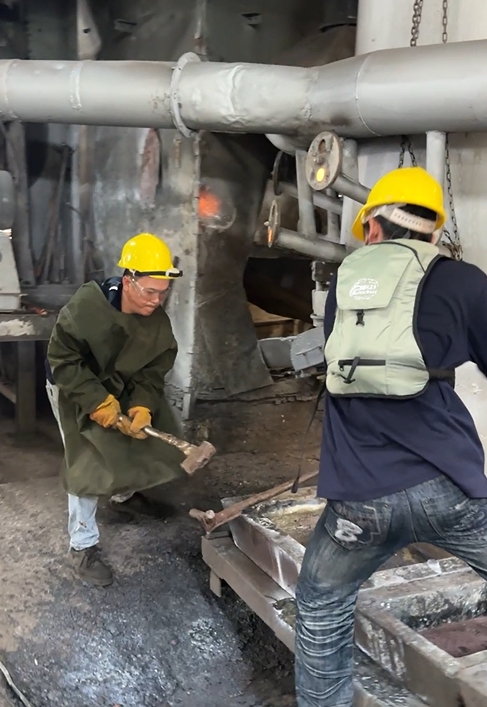
In a documented case spanning 10 years, 100 units were deployed across construction sites, metal sheet factories and street vendor operations, delivering effective body cooling, heatstroke prevention and improved worker comfort. Users highlight the passive operation (no cables, no battery swaps), lightweight design and adjustable one‑size‑fits‑all fit.
Step‑by‑Step: How the COOLWAVE Vest Works
- Prepare the ice packs – Freeze the two included packs overnight. The packs are reusable and fit into the backpack’s TPU‑lined compartment.
- Fill the water bag – Ensure the TPU reservoir is filled with cold water (the ice packs will further chill the circulating water).
- Connect the system – Attach the sand‑rubber cooling tube from the backpack to the vest’s internal channels. Secure the Velcro straps.
- Power the pump – Connect the 5V pump to a USB power bank (not included). The pump draws max 150 mA and circulates water at 320–370 ml/min.
- Adjust and wear – Set the shoulder straps for a snug but comfortable fit. The one‑size‑fits‑all design accommodates most body shapes.
- Monitor cooling – The vest provides 3–4 hours of effective torso cooling. Replace or refreeze ice packs for continuous use.
Use Cases: Where Passive Water‑Circulation Delivers the Most Value
- Construction sites (roofing, steelwork, concrete) – Full‑day outdoor exposure, no access to AC. The vest’s light weight (under 2 kg) ensures no mobility penalty.
- Metal sheet factories / foundries – Oven‑like heat from furnaces and sheet metal. The passive design eliminates electrical failure from metal dust.
- Outdoor work (traffic control, landscaping) – Long‑hour sun exposure, minimal shade. The ice‑pack system can be swapped during breaks.
- Stuffy metal‑roof workplaces – Warehouses and temporary buildings can exceed 45°C. Vests keep core temperature regulated without needing ventilation.
- Street vendors, food stalls – Stationary work under hot canopies or direct sun. Portable backpack allows freedom of movement.
Product Comparison: Shokunin COOLWAVE vs. Typical Active Fan Vests
| Aspect | Shokunin COOLWAVE (Passive Water‑Circulation) | Typical Active Fan Vest |
|---|---|---|
| Power source | Low‑voltage pump (USB, on‑demand), ice‑pack as cooling agent | High‑capacity battery pack (often 12–24V) with fan motors |
| Cooling mechanism | Conduction via chilled water circulating through vest tubes | Evaporative cooling + air movement over body |
| Weight | ≤2 kg (vest + backpack + water + ice packs) | Typically 1–3 kg depending on battery size and fan count |
| Water/dust resistance | PEVA vest is water‑resistant; sealed TPU bag protects electronics | Fans and batteries are vulnerable to dust and moisture ingress |
| Certifications | Disaster Prevention Product Certification (Taiwan), Patent I886033 | Varies by brand; typically CE, FCC for electronics |
| Field‑proven longevity | 10‑year case history documented (100 units, construction + factory) | Limited long‑term published data; fan motors may wear |
Note: Active fan vest data above is based on general industry knowledge; specific specs should be verified with individual suppliers.
Frequently Asked Questions
What certifications does the Shokunin construction cooling vest have?
The COOLWAVE Water‑Circulation Cooling Vest has received the Disaster Prevention Product and Service Certification Award from the Taiwan Disaster Prevention Industry Association. Additionally, the vest structure and cooling system are protected under the Patent Act of the Republic of China (patent certificate I886033, issued by the Intellectual Property Office, Ministry of Economic Affairs).
What is the cooling duration and weight of the vest?
The vest provides 3–4 hours of effective cooling per ice‑pack charge. The total system weight is within 2 kg (including backpack, vest, water and ice packs). The pump operates at 5 V 150 mA (max) with a flow rate of 320–370 ml/min.
What is the typical procurement lead time and MOQ?
Shokunin’s monthly production capacity for cooling vests is 3,000 units, with a standard lead time of 7–14 days. The minimum order quantity (MOQ) is 10 units. Customization (OEM/ODM) is not currently offered. A 6‑month warranty applies to the water‑cooled vest.
Can I request a sample before bulk purchase?
Yes, procurement buyers can request a sample or quotation by contacting Shokunin directly. Contact details: phone +886 3‑312‑6606, email fsmarketing@fstool.com.tw, or WhatsApp +86 18858260055. A product brochure is available for download here.
Request a Sample or Quotation
For bulk procurement of Shokunin COOLWAVE construction cooling vests, reach our sales team via WhatsApp, email, or phone. Download the full product brochure here for detailed specifications and pricing tiers.
📧 fsmarketing@fstool.com.tw | 📞 +886‑3‑312‑6606
Conclusion
Selecting a construction cooling vest for high‑heat workplaces requires balancing cooling performance, worker mobility, certification and total cost of ownership. The Shokunin COOLWAVE passive water‑circulation vest provides a field‑proven, patented and certified solution that eliminates the complexity of active fans—making it a strong candidate for procurement frameworks focused on reliability, compliance and worker safety.
Have Questions or Need More Details?
Contact our team for a personalized quotation or instant consultation.
Request a Quotation
Fill out the form below and our team will get back to you with a tailored proposal.
WhatsApp Direct Chat
Prefer to chat in real-time? Message us on WhatsApp for instant assistance & quick answers.
- Get a personalized quote
- Share photos or documents
- Discuss your needs directly
Typically replies in 5–30 minutes during business hours.