
Dual Cooling Water Cooling Vest: Long-Term Service FAQ
Short answer: for multi-season use, four questions decide whether a dual cooling water cooling vest program holds up — how long one cooling cycle lasts, which parts get replaced, what the pump needs in order to run, and who is accountable when something fails. Shokunin publishes a 3–4 hour cooling cycle, a 5 V / 150 mA (max) pump and reinforced ice packs. Warranty length, claim turnaround and spare-part prices are commercial terms; they belong in the supply agreement, not in a catalogue sentence.
Buying one vest is a product decision. Keeping a crew equipped across several summers is a service decision, and the questions change. Instead of asking what the vest does on day one, buyers ask who replaces a leaking ice pack, what the pump needs to keep running, how much of the upkeep sits with the site, and which of those answers can be put in writing before the first order.
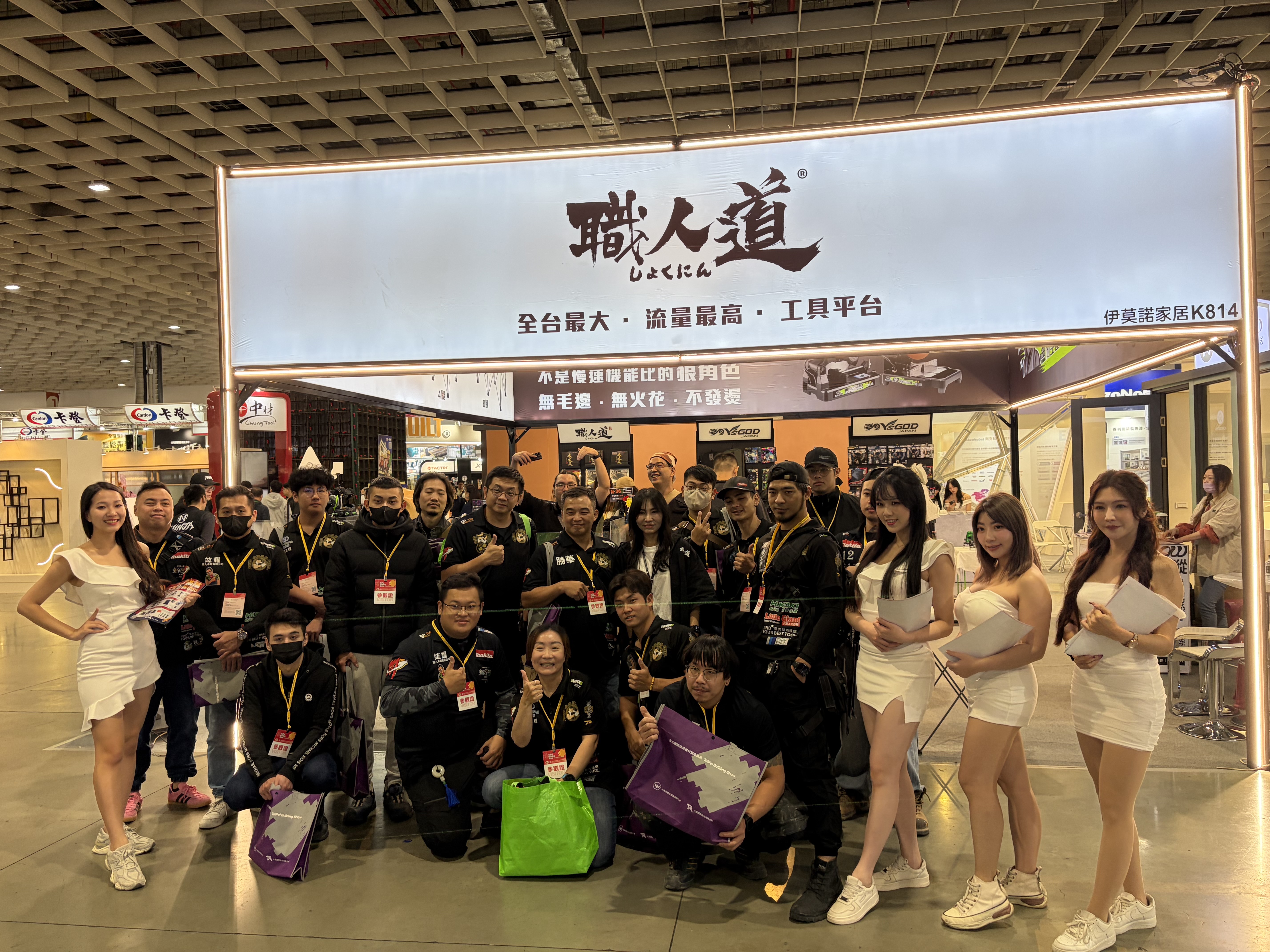
This page answers the service and long-term partnership questions for the Shokunin dual cooling water cooling vest, made by Feng Shang Precision Co., Ltd. Shokunin is the professional tool and equipment brand of that Taiwan-based manufacturer, founded in 2009. Where a condition is not published, it is marked as such rather than filled in.
Where a cooling vest program loses time after the first season
A water-circulation vest is a small wearable system, and its parts age at different rates. The shell fabric takes washing and abrasion. The ice packs take every freeze-thaw cycle. The pump runs each shift. Tubing and connectors are handled every time the vest goes on, and the power source that drives the pump is usually a separate item the site owns.
Long-term programs rarely fail because the garment itself stopped working. They fail on consumable ice packs, on a pump nobody tested at the start of a shift, and on the absence of a written answer to “who replaces this?”. Cooling duration is where that shows up first. Shokunin states 3–4 hours of cooling per charge and ice-pack cycle for its water-cooled vest, against roughly 30 minutes for other water-cooled vests before cooling fades. For a buyer this is a service-load difference, not only a comfort difference: at 30 minutes one worker may need several ice-pack changes in a shift, and every change is a handling step where packs get dropped, torn, lost or refrozen badly.
What is documented about the Shokunin vest, and what a buyer must confirm
The published material gives a clear set of starting points. It also leaves specific gaps, and knowing which is which is what makes a service agreement usable.
| Item | Documented position | Service implication |
|---|---|---|
| Cooling per cycle | 3–4 hours per charge and ice-pack cycle; other water-cooled vests lose cooling after about 30 minutes (Shokunin product comparison) | Fewer pack changes per shift; confirm duration at your own site temperature and workload |
| Pump | 5 V, 150 mA (max), flow rate 320–370 ml/min (manufacturer-published specification) | Match power banks to a 5 V output, and keep the rating on file so replacements match |
| Ice-pack leak control | Reinforced ice pack material; 100% quality guaranteed before shipment | Ask for the pre-shipment quality record with each lot |
| Maintenance load | Reusable ice packs and durable fabric, described as minimal upkeep; other water-cooled vests need frequent ice-pack replacement with higher wear and tear | Budget for ice packs and tubing rather than for shell replacement each season |
| Listed weight | Within 2 kg (supplier product listing) | Relevant when the vest is worn over existing PPE; confirm the current figure for the model ordered |
| Stated fit | High-temperature environments, metal sheet factories, outdoor sites | Use as a screening criterion, not as a validated result for your site |
| Recognition | Disaster Prevention Product and Service Certification Award from the Taiwan Disaster Prevention Industry Association | Useful in Taiwan public-sector procurement files; not a substitute for a thermal test report |
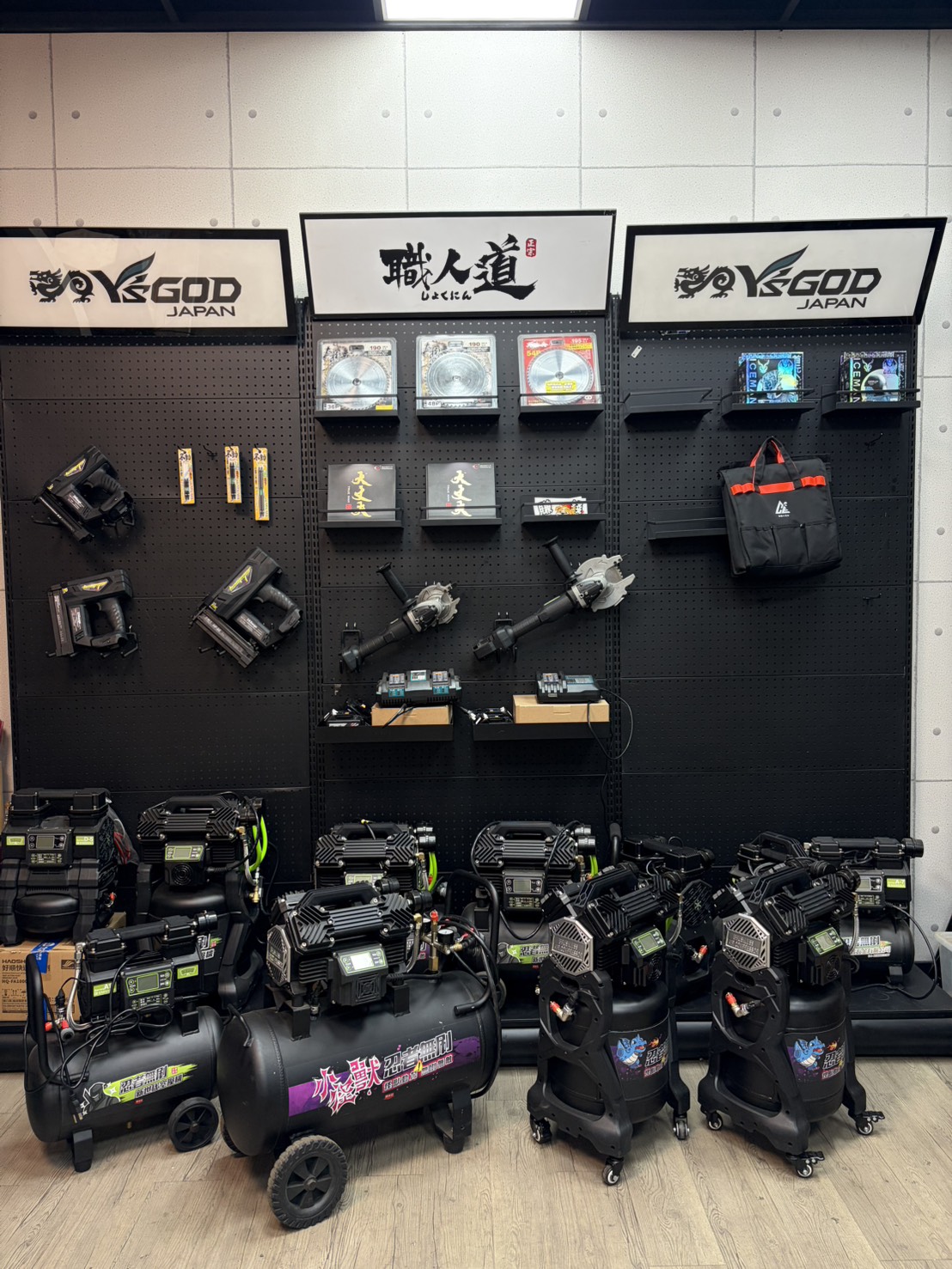
| Manufacturer | Feng Shang Precision Co., Ltd.: founded 2009, 1,000 m² facility, 30 employees, 10,000 units annual output, 5 R&D engineers, 50% export ratio, main markets USA and Taiwan; product range includes air compressors, cut-off machines and water-cooled vests | Enough continuity to discuss a multi-season program; confirm capacity and delivery in writing for your volumes |
What the table does not contain matters as much. The published product material does not state a warranty period, a claim turnaround time, a spare-part price list, or the ambient temperature, humidity, workload and clothing layers behind the 3–4 hour figure. Those are exactly the items to write into the supply agreement, because they decide what a failure costs in season three, not season one.
Six steps to a service-ready program
The sequence below turns a product order into something a site supervisor, a distributor and a procurement office can all operate from.
1. Fix the specification on paper
Record the model, the pump rating (5 V, 150 mA max), the ice-pack type, the tubing and connector design, and the power-bank requirement on one page. Most later service failures are mismatches, not breakdowns: a replacement pump bought against a remembered rating, or a power bank sized for a phone rather than for the vest.
2. Size the wear-part pool against shifts, not headcount
If your shift runs close to the stated 3–4 hour cycle, the starting point is one pack set per vest per shift plus a spare set in rotation. A double-shift site treats the second set as a changeover rather than an emergency. Because Shokunin describes reusable ice packs rather than single-use consumables, the annual replacement quantity is driven by handling damage and freeze-thaw wear — so record retirements instead of estimating them.
3. Write a first-line fault path
Four checks cover what a site can test without instruments when cooling drops: power-bank charge and 5 V output, water level, tubing kinks or disconnected joints, and ice-pack condition. A laminated card inside the storage case keeps that sequence identical between shifts, and stops a working vest from being pulled out of service because a power bank was flat.
4. Agree the daily and seasonal routine
Confirm with the supplier what the correct end-of-shift procedure is — whether water is drained, how packs are refrozen, how tubing is stored — and put it on one page. This is a genuinely product-specific point: a routine copied from an ice-pack-only vest can damage a circulating system, and the published material does not spell it out.
5. Keep the quality record with the shipment
Shokunin states that its ice packs use reinforced material and that 100% quality is guaranteed before shipment, which is the stated control against ice-pack leakage. Ask for that record per lot. The difference between a claim and a file you can show an auditor is exactly this document.
6. Review once per season
Count the ice packs, pumps and tubing replaced against the plan, note which failure repeated, and carry the number into the next order. A season-end review converts a reorder conversation from impressions into data, and it is also the point where a multi-season partner is worth more than a low first price.
Comparison: service profile of a dual cooling vest against a short-duration water vest
| Service dimension | Shokunin dual cooling water cooling vest | Typical short-duration water-cooled vest |
|---|---|---|
| Cooling per cycle | 3–4 hours (supplier-stated) | About 30 minutes before cooling fades |
| Ice-pack handling per shift | Few changeovers where the shift fits the stated cycle | Repeated replacement during the shift |
| Maintenance pattern | Reusable ice packs, durable fabric, described as minimal upkeep | Frequent ice-pack replacement, higher wear and tear |
| Leak control | Reinforced ice-pack material with pre-shipment quality check | Not stated in the material reviewed |
| Working fit | High-temperature environments, metal sheet factories, outdoor sites | Short or intermittent exposures where a brief cold window is enough |
| Buyer check before committing | Confirm cycle length and pump behaviour under site conditions | Confirm cycle length and the pack cost per season |
These durations come from Shokunin’s published product comparison. No side-by-side laboratory test with disclosed ambient temperature, humidity and workload was available for this page, so treat both columns as supplier-reported and validate them with a sample before setting program volumes.
Where a long-term service model earns its place
In a metal sheet factory, radiant heat from the roof keeps the working zone hot for the whole shift, so a vest that fades after half an hour creates repeated interruptions in the one place where interruptions are expensive. The same logic applies to outdoor sites under prolonged sun exposure: the constraint is not the peak of the day but the length of the exposure, and a multi-hour cycle lets the vest follow the shift instead of the break schedule.
Short-cycle vests still have a role where exposure is genuinely task-length. The mistake is buying a task-length product for a shift-length job and absorbing the difference as ice-pack labour, which is the cost that never appears in the quotation. For programs that run across seasons, the constraint also shifts to storage and reorder discipline, shown below.
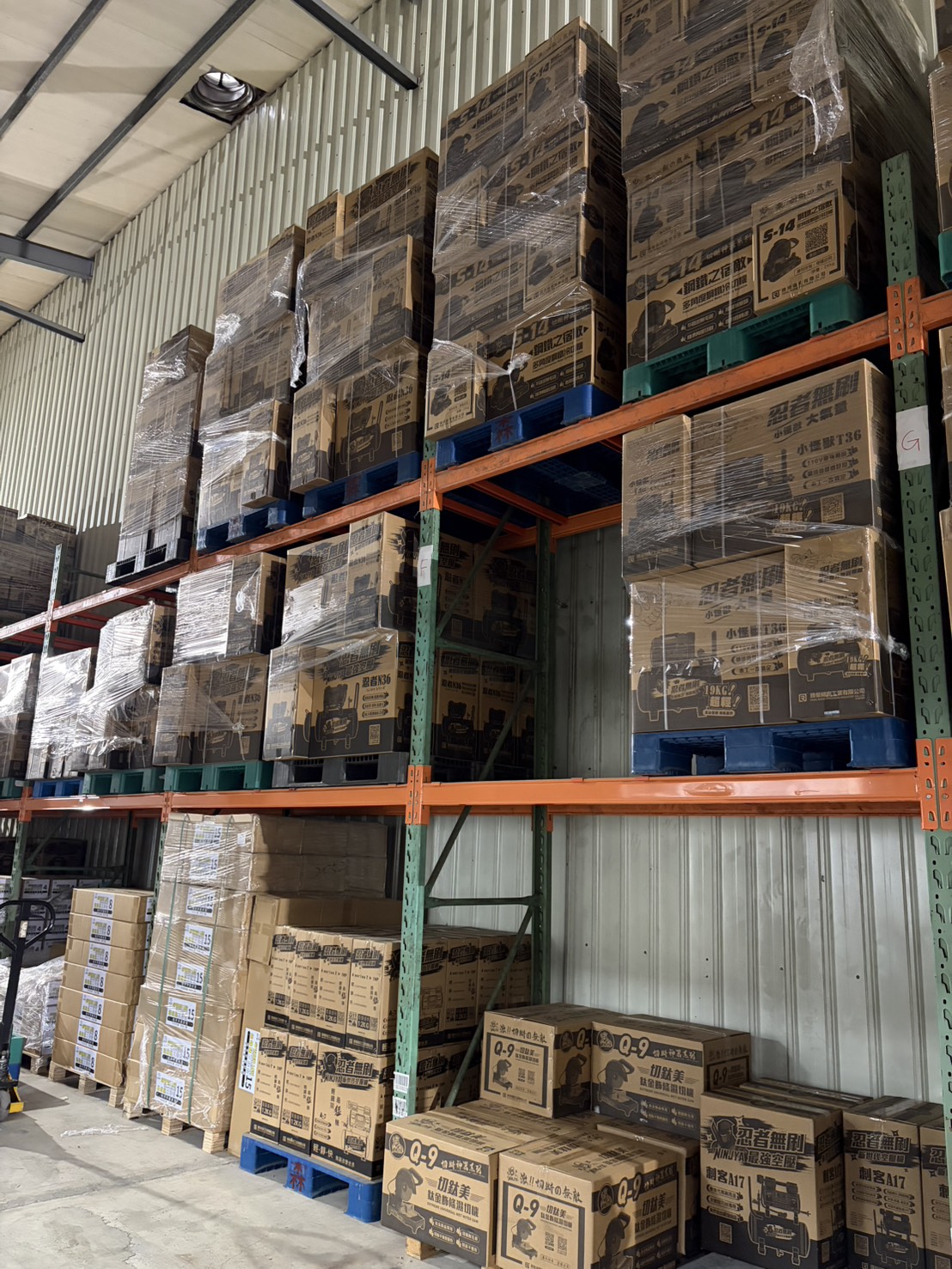
Two operating rules make that stock-holding useful. Packs are stored so they cannot be crushed or punctured, and they are inspected at issue and at return rather than only when a worker complains. Both are cheap; both remove the most common source of unplanned spend in a water-circulation program.
FAQ: service, after-sales and long-term partnership
What documented assurance comes with the Shokunin dual cooling water cooling vest?
Two items are documented. The COOLWAVE water-cooled vest has received the Disaster Prevention Product and Service Certification Award from the Taiwan Disaster Prevention Industry Association. On the production side, Shokunin states that its ice packs use reinforced material and that 100% quality is guaranteed before shipment, which is the stated control against ice-pack leakage. Neither item replaces a warranty statement or a thermal test report, so a buyer preparing a tender file should request the award certificate, the pre-shipment inspection record, and the current warranty terms in writing.
Which parts wear first, and how does the design reduce the replacement load?
The wear parts are the ice packs, the pump, the tubing and connectors, and the shell fabric. Shokunin’s stated position is that reusable ice packs and durable fabric keep maintenance low, while other water-cooled vests need frequent ice-pack replacement and show higher wear and tear. In program terms the recurring cost line is therefore ice packs and tubing rather than the garment. Audit it once a season, and keep the pump rating (5 V, 150 mA max) on file so that any replacement matches the original.
How long does one cooling cycle last, and how should that shape shift planning?
Shokunin states 3–4 hours of cooling per charge and ice-pack cycle, compared with about 30 minutes for other water-cooled vests before cooling fades. The published material does not state the ambient temperature, humidity, workload or clothing layers behind that figure. If your shift is close to that range, plan one cycle per shift and keep a spare set in rotation, then confirm the real duration during a sample trial in your own working conditions.
What does the pump need, and what should be checked first when cooling drops?
The manufacturer-published pump specification is 5 V, 150 mA maximum, with a flow rate of 320–370 ml/min, and company product descriptions describe the pump as driven by a power bank. When cooling drops, check in this order: power-bank charge and 5 V output, water level, tubing for kinks or disconnected joints, then the ice pack for partial thawing or a broken seal. Those four checks cover the causes a site can test without instruments; anything beyond them belongs with the supplier’s technical contact.
How should a site or distributor plan ice packs and spares across seasons?
Plan against cycles rather than headcount: one pack set per vest per cycle, plus a rotation spare set, plus a small buffer for packs retired through damage. Because the packs are reusable and the stated cycle is 3–4 hours, annual replacement quantity is driven by handling damage and freeze-thaw wear rather than by single-use consumption. Store packs so they cannot be crushed, inspect seals at issue and at return, and record retirements so the next season’s order reflects actual loss instead of a guess.
Can we validate the vest before committing to a multi-season program?
Yes — run a sample trial before setting volumes. Test the four things published material cannot answer for your site: real cooling duration at your ambient temperature and workload, how the listed weight within 2 kg feels over the PPE your crew already wears, pump behaviour with the power bank you intend to issue, and ice-pack seal condition after repeated freezing. Sample quantities, charges and delivery arrangements are commercial terms, so confirm them directly with the Shokunin sales team rather than assuming a standard package.
What supports a long-term partnership rather than a one-off purchase?
Continuity and engineering access are the relevant facts. Shokunin is the brand of Feng Shang Precision Co., Ltd., a manufacturer founded in 2009 with a 1,000 m² facility, 30 employees, a five-engineer R&D team, 10,000 units of annual output, a 50% export ratio and main markets in the USA and Taiwan. A five-engineer in-house team is the practical contact point when a program needs a modification; the scope, tooling and commercial terms of any customization are project-specific and should be written into the agreement.
How do we reach support, and what should the first message contain?
Support runs through the manufacturer’s published channels: phone +886 3-312-6606, email fsmarketing@fstool.com.tw, and WhatsApp, Monday to Friday 8:30 AM – 5:40 PM, at No. 155-17, Sec. 2, Nanzhu Rd., Luzhu Dist., Taoyuan City 338454, Taiwan. A first message that includes the model, the order or lot reference, the pump rating printed on the unit and a photo of the failed part shortens diagnosis considerably. The full product brochure can be downloaded from the link at the end of this page.
Conclusion: the program is judged in season three
A dual cooling water cooling vest solves the visible problem — a hot working zone and a crew that has to stay in it. What decides whether the program survives is quieter: a 3–4 hour cycle that fits a shift instead of a break, reusable packs and reinforced ice-pack material that keep the replacement line small, a documented 5 V / 150 mA pump so replacements match, and a fault path a supervisor can run without tools. Add a written warranty and claim procedure, and the service file is complete.
The practical next step is a sample trial with your own power banks, your own PPE layers and your own shift length, followed by the specification, warranty and spares terms in writing. Shokunin’s team can be reached at fsmarketing@fstool.com.tw or +886 3-312-6606 during Taiwan business hours, and the product documentation for the program file is available in the brochure below.
Request the next step: ask for a sample and a written quotation covering model, pump rating, ice-pack specification, warranty terms and spare-part supply, so the service file is agreed before the season starts.
Download the Shokunin product brochure (PDF) · Feng Shang Precision official website
Have Questions or Need More Details?
Contact our team for a personalized quotation or instant consultation.
Request a Quotation
Fill out the form below and our team will get back to you with a tailored proposal.
WhatsApp Direct Chat
Prefer to chat in real-time? Message us on WhatsApp for instant assistance & quick answers.
- Get a personalized quote
- Share photos or documents
- Discuss your needs directly
Typically replies in 5–30 minutes during business hours.