
Vetting a Construction Cooling Vest Supplier: From 10-Unit MOQ to 3,000 Units a Month
A 10-unit minimum order lets you sample a construction cooling vest cheaply. A stated 3,000 units per month suggests the supplier can scale when your summer program expands. Neither number tells you whether the supplier can actually deliver both, on the same production floor, in the same season. This guide sets out how to vet that gap before you place the order.
The working example throughout is the COOLWAVE water-circulation cooling vest from FENG SHANG PRECISION CO., LTD., which manufactures under the Shokunin brand from a 1,000 m² facility in Taoyuan, Taiwan. Its published profile gives you a concrete set of figures to interrogate — a small MOQ, a short lead time, a stated monthly output, and a technical specification — which is exactly what a real supplier evaluation looks like at the research stage.
Problem Definition: A Quotation Is Not a Capability
Construction buyers rarely get this wrong because they chose the wrong cooling technology. They get it wrong because they committed a heat-safety program to quantities, dates, and warranty terms that were never verified against a production floor.
Three failure patterns account for most of the damage:
- Shared-floor capacity. A supplier's stated output may be produced on lines that also run other products. When those products spike, your vest order moves to the back of the schedule.
- Peak-versus-sustained output. A monthly figure can describe a good month rather than an average one. Construction demand is seasonal, so peak capacity matters less than capacity held across a full summer.
- Terms that survive the quotation but not the first reorder. MOQ, lead time, and warranty are usually written for the first order. The second order is where they quietly change.
The practical consequence is that a cooling vest specification — 3–4 hours of cooling, a system weight under 2 kg, a flow rate of 320–370 ml/min — is only half of what you are buying. The other half is the supplier's ability to reproduce that specification on the tenth order as reliably as on the first.
Industry Background: Why Cooling Vests Became a Procurement Line Item
Personal cooling equipment moved from a comfort purchase to a safety line item because the occupational guidance caught up with the work. NIOSH identifies outdoor operations conducted in hot weather, such as construction, as likely to cause heat stress, particularly where workers wear semi-permeable or impermeable protective clothing. OSHA goes further on the equipment side: certain PPE, including respirators, impermeable clothing, and head coverings, can increase the risk of heat-related illness.
That creates a specific purchasing logic. When heat stress levels exceed the NIOSH recommended occupational exposure limit, some form of heat-protective clothing or equipment should be provided. OSHA lists special cooling devices that may protect workers in hot environments, including vests receiving cooled air and vests with reusable ice packs or phase-change cooling packs. Neither agency selects a specific product; the guidance defines the requirement and the buyer defines the specification.
The technology comparison matters for supplier vetting because different cooling methods create different logistics. OSHA notes that cooling from ice packets lasts 2 to 4 hours at moderate to heavy heat loads and requires frequent replacement. Replenishment is therefore a supply-chain question, not just a product question — a vest with a three to four hour cooling duration still needs a plan for shift changes, spare ice packs, and wash cycles.
The market context explains why so many suppliers now quote for this category. The global personal cooling devices market was valued at USD 1.42 billion in 2025 and is projected to reach USD 3.77 billion by 2032, according to Mordor Intelligence. Dataintelo values the narrower fan-cooled clothing segment at USD 1.8 billion in 2025 with an 11% CAGR through 2034. Growth of that order attracts traders and light assemblers alongside manufacturers, which is precisely why capacity verification has become the harder half of the buying decision.
Detailed Solution: Seven Capability Tests for a Cooling Vest Supplier
The vetting framework below converts a supplier profile into seven testable claims. Each test has a figure to confirm, a question to ask, and a document that closes the gap. A supplier that passes five of seven is a candidate; one that passes all seven with documentation is a supply partner.
Test 1 — Facility footprint and headcount: is the floor large enough, and who is on it?
FENG SHANG PRECISION CO., LTD. was established in 2009 and operates a manufacturing facility covering 1,000 m² with approximately 30 staff, including an R&D team of 5 engineers. That is a compact, technically staffed operation rather than a high-volume contract manufacturer.
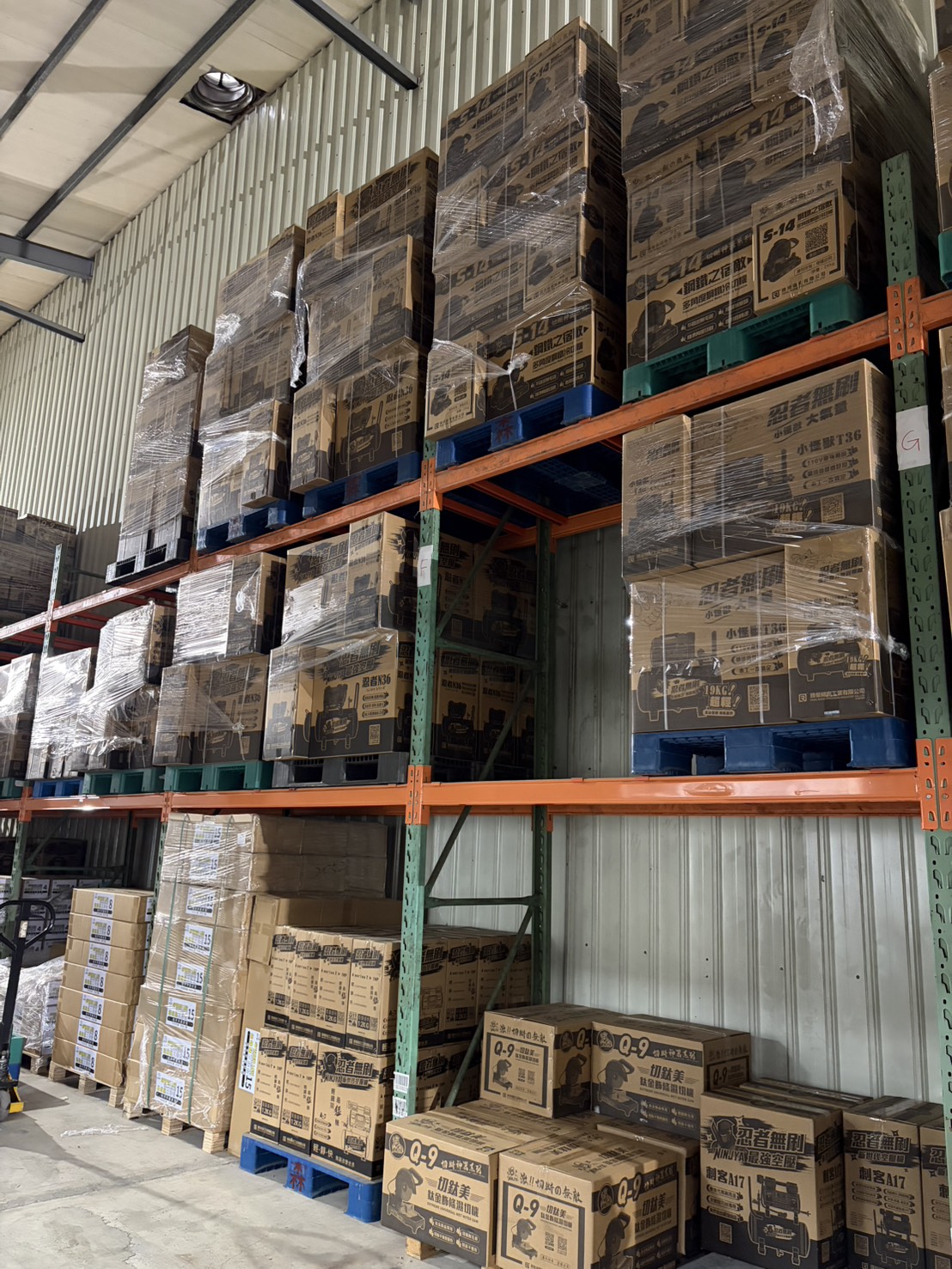
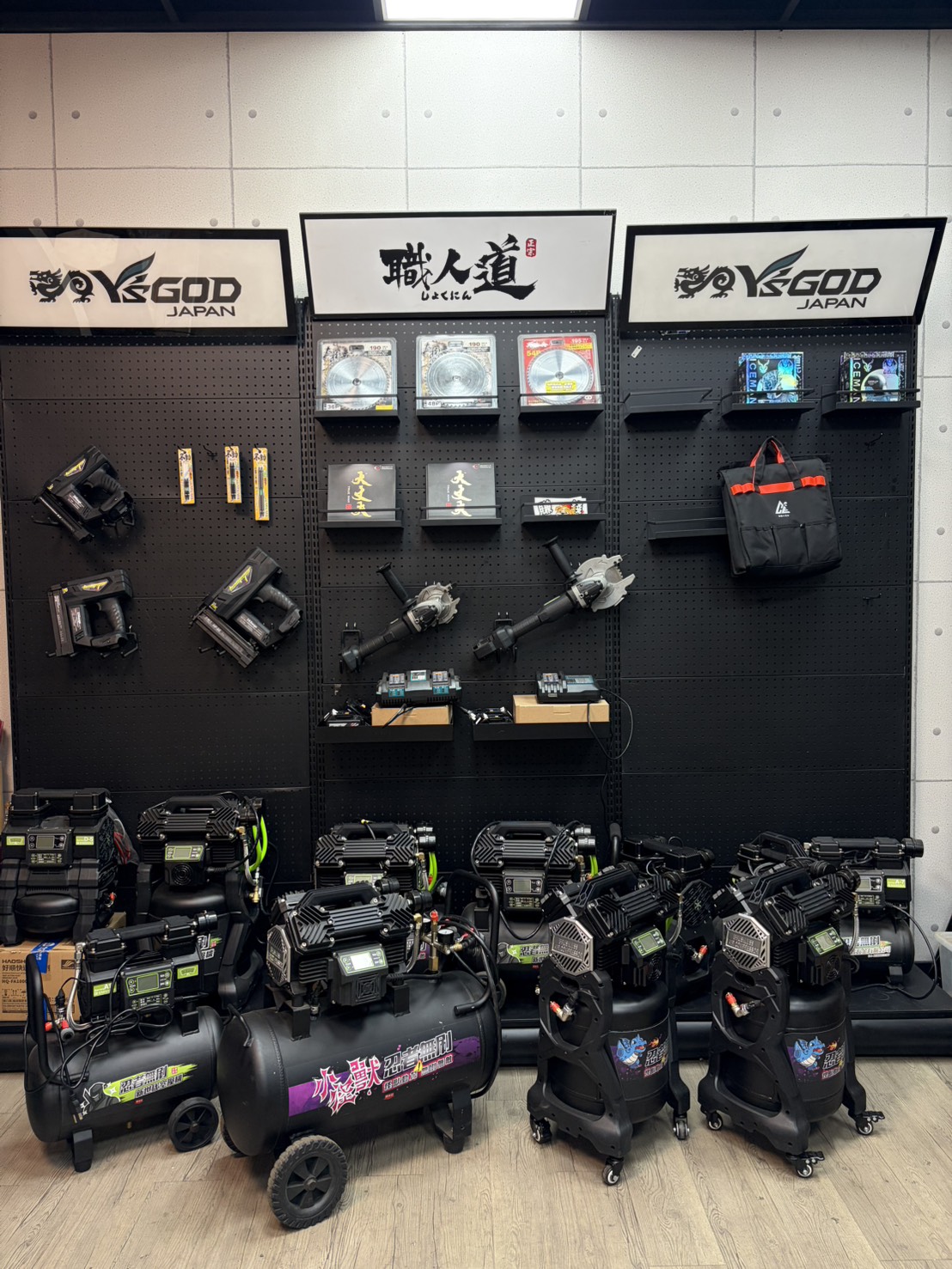
For a buyer, the footprint tells you two things. First, 1,000 m² is workable for a product line of this size, but it does not leave much slack — so ask how much of that floor is allocated to cooling vests specifically. Second, the company's product lineup includes air compressors, cut-off machines, water-cooled vests, lithium batteries, diamond saws, nail guns, spider stands, and screwdriver bits. A multi-line factory shares people, tooling, and scheduling. Ask directly: which line builds the vest, and what happens to that line when compressor orders peak?
The 5-engineer R&D team is the ODM asset. Ask for the name and role of the engineer who would own your customization, because an R&D team of five is small enough that individual allocation matters.
Test 2 — Output arithmetic: do the monthly and annual numbers reconcile?
This is the test most buyers skip, and it is the one that exposes thin profiles fastest.
The company's published annual production capacity is 10,000 units. A supplier profile in circulation reports a monthly cooling-vest output of 3,000 units. Those two figures are not automatically contradictory — one may be company-wide annual capacity, the other a product-line monthly figure — but the gap between them is large enough that you must ask the supplier to reconcile them explicitly.
Put the question in writing: Is 3,000 units per month a sustained average or a peak, which months does it apply to, and how does it relate to the stated 10,000-unit annual capacity? A supplier with a real production schedule will answer with a month-by-month view and a line allocation. A supplier working from a brochure will answer with a repeat of the first number.
Test 3 — MOQ logic: is 10 units a pilot floor or a promotional number?
A 10-unit minimum order is the single most useful term for a buyer in the research stage, because it makes a real field trial affordable. But MOQ has two readings. It can be a genuine production minimum based on batch setup, or a marketing floor that disappears once you ask for pricing at 10, 100, and 500 units.
Ask whether the 10-unit MOQ applies per order or per SKU. The COOLWAVE series includes a Basic Model plus Professional Models in Black, Gray, and Blue — four variants that share the same technical specification. If MOQ applies per SKU, a four-colorway pilot order is not really a 10-unit order.
Test 4 — Lead time under load: what starts the clock, and what stops it?
A standard lead time of 7–14 days is attractive for a summer program, but the number is meaningless until you know when it starts. Ask three questions: does the clock start at purchase order or at artwork and packaging approval; does it hold at 500 units as well as at 10; and what is the stated lead time during the supplier's peak season?
ODM work is where lead times usually break. A logo, a retail carton, or a label change adds an approval loop that sits outside production time. Get the lead-time clause written with the trigger event named.
Test 5 — ODM scope: what is actually customizable?
ODM support means different things to different suppliers. At one end it is branding — logo, carton, manual. At the other it is component change.
The existing COOLWAVE range gives you a useful baseline to test against. The Basic Model is intended for construction, outdoor work, and metal sheet factory industries, while the Professional Models extend to food stall operations, street vending, traffic control, and similar outdoor scenarios. Four variants already exist on a shared technical platform — pump-driven continuous circulation, 320–370 ml/min flow rate, 5V 150mA pump output, 3–4 hours cooling duration, and a net weight within 2 kg — which means colorway and labeling changes sit on a platform the supplier already runs.
Ask which of the following is in scope and which requires new tooling: colorway, shoulder strap webbing, water bag volume, tubing length, carton and manual, and high-visibility paneling. Then ask what each change does to MOQ and lead time. A supplier that answers these questions cleanly has done ODM work before.
Test 6 — Warranty and spares: what does six months actually cover?
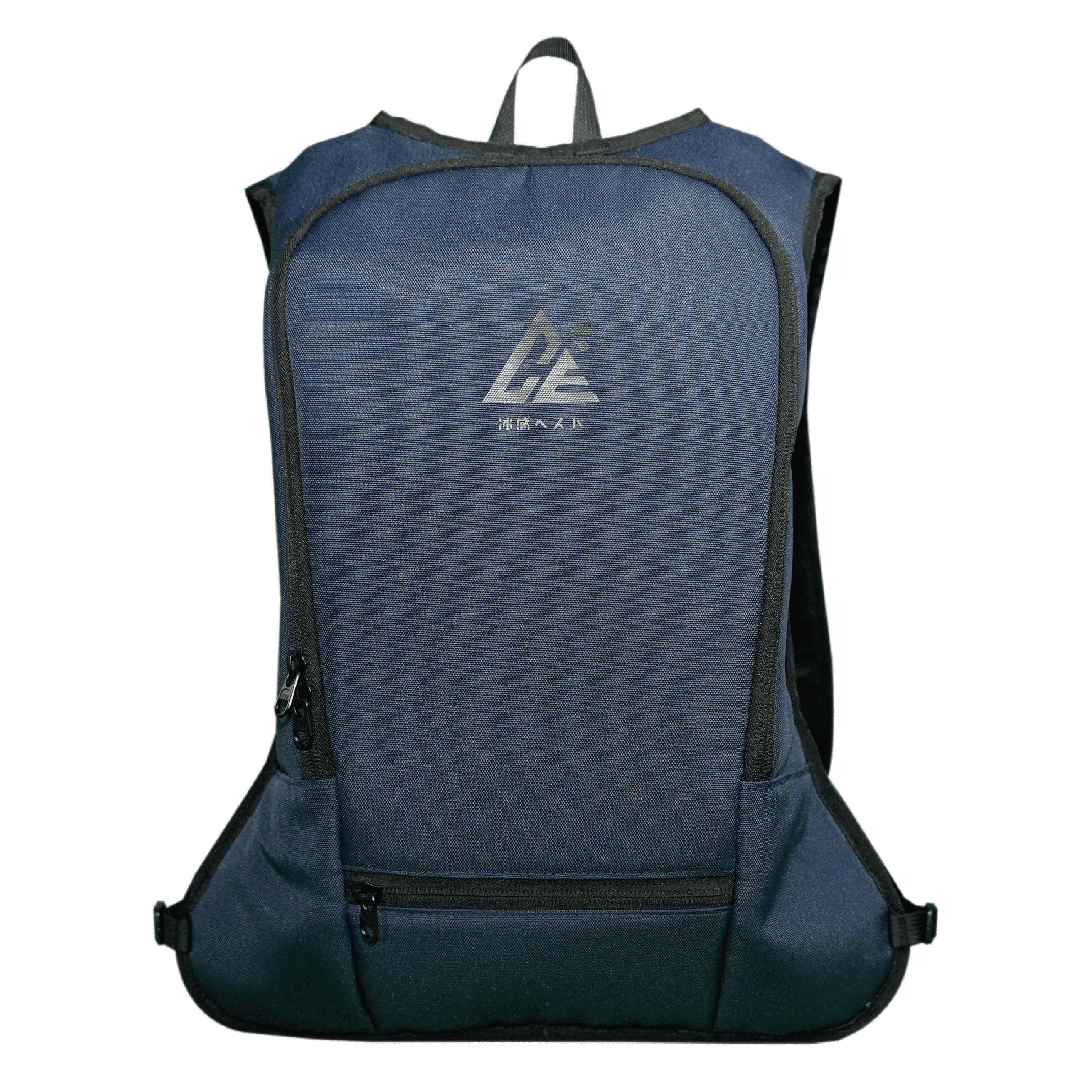
A six-month warranty is a reasonable commercial term for powered cooling apparel, but only if you know which components are inside it. The vest contains a pump, a TPU water bag, sand rubber cooling tubing, a polypropylene water bag cap, 600D polyester shoulder straps, PEVA body material, a backpack, and two ice packs. Ice packs are consumables and are usually excluded; pumps are the part most likely to fail first.
Request the warranty document, not the warranty sentence. Then ask two follow-up questions: what is the replacement lead time on a pump within the warranty period, and can you buy spare pumps and ice packs separately at your reorder volume? A six-month warranty with no spare-parts channel is a six-month warranty with a hidden gap.
Test 7 — Field verifiability: which claims can you test on your own site?
This is where a specification becomes evidence. The published cooling duration is 3–4 hours, the flow rate is a maximum of 320–370 ml/min, and the system weight is within 2 kg. All three are measurable, and the supplier should expect you to measure them.
Two claims need more careful handling. The supplier describes the vest as a long-life product and references a 100-unit site deployment as case evidence. Both are useful, but neither is self-proving. Ask what the 100-unit deployment covered — site type, ambient conditions, shift length — and ask what the durability claim refers to, which component, and under what use cycle. A supplier confident in its field record will name the site context and the component boundaries. Expecting that answer is not distrust; it is the standard you should hold every supplier to.
Step-by-Step Breakdown: Running the Evaluation
Eight steps take a supplier from first contact to a validated, scalable order. The sequence matters: capability tests come before the pilot, and the pilot comes before any volume commitment.
- Define the site envelope. Record ambient temperature, shift length, PPE layers, and whether the site is a metal-roof or radiant-heat environment. NIOSH notes that additional protective gear affects how cooling equipment must be adjusted, so write the PPE stack into the brief.
- Send a structured RFI, not an email. Request facility footprint, headcount, R&D headcount, monthly and annual output with the basis for each, MOQ, lead time with its trigger event, warranty document, spare-parts list, and ODM scope. One page, numbered questions.
- Verify the legal entity. Confirm that the quotation comes from FENG SHANG PRECISION CO., LTD., established 2009, operating the Shokunin brand, with a facility in Taoyuan, Taiwan. The company's own site is fstool.com.tw. Entity verification protects you against trading intermediaries quoting under a manufacturer's name.
- Run the arithmetic. Reconcile the 3,000-unit monthly figure against the 10,000-unit annual capacity figure and against your own demand curve. If your program needs 1,500 units in June and 400 in September, ask what that seasonality does to the schedule.
- Order the pilot at MOQ. A 10-unit order is enough to test across shifts and body types, and small enough that a failed pilot costs little. Ask for a mixed order across two colorways if per-SKU MOQ allows.
- Test against a written protocol. Measure cooling duration under a typical shift, confirm system weight on a scale at receiving, and bench-check flow rate. Record ambient temperature and workload alongside the result, because a duration figure without conditions is not comparable to anything.
- Fix commercial terms in writing. MOQ, price at 10 / 100 / 500 units, lead time with a named trigger, warranty coverage by component, spare-parts pricing, and the reorder process.
- Scale in tranches. Move from pilot to a first production order, then to a seasonal commitment. Each tranche confirms the next one. Do not jump from 10 units to a full-summer commitment on the strength of a quotation.
Use Cases: Where Verified Capacity Actually Gets Tested
Different sites stress a supplier in different ways. The same vest specification can be right for two sites while the supplier's delivery model fits only one.
Metal-roof and metal-sheet workplaces
Metal sheet factories are named in the product's intended industries. These are radiant-heat environments where replacing a vest mid-shift is impractical, which puts the emphasis on the 3–4 hour cooling duration and on how many ice pack sets per worker your order needs to include. It is also a replenishment question: OSHA's 2–4 hour figure for ice-pack cooling at moderate to heavy loads applies to the ice packs in the system, so a shift plan and a spare-pack plan are part of the purchase.
General construction sites and outdoor work
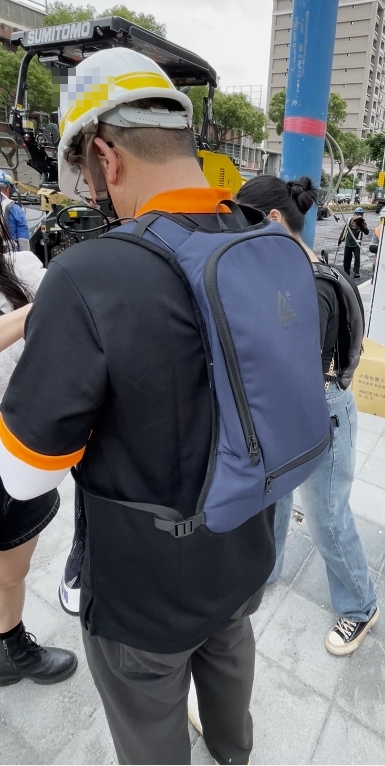
Construction sites and outdoor work are the core applications. Here the constraint is usually logistics rather than heat intensity: multiple crews, different start times, and a gear pool that has to be washed and recharged between users. Ask the supplier how the vest is cleaned and how quickly a water bag and tubing set can be returned to service.
Traffic control and street-level outdoor work
Traffic control and street vending are covered by the Professional Models rather than the Basic Model. If your order spans both construction crews and traffic crews, confirm that you can mix variants within one order without breaking the MOQ logic.
Pilot deployments and reference checks
A 100-unit deployment is the scale at which supplier behavior becomes visible: whether the cartons arrive intact, whether each unit contains the backpack and two ice packs specified, and whether the tenth unit works like the first. Ask the supplier to describe the deployment context, then ask whether you can speak to a reference at that scale.
Comparison Table: Claim, Figure, and What Closes the Gap
The table below pairs each published figure with the verification step that converts it from a claim into a managed risk. Figures from the manufacturing profile are first-party; the commercial terms are supplier-reported and should be confirmed in the quotation.
| Item | Published figure | What to verify | Document that closes the gap |
|---|---|---|---|
| Monthly cooling-vest output | 3,000 units (supplier-reported) | Sustained average or peak; which line builds it | Production schedule with line allocation |
| Annual capacity | 10,000 units | Scope — whole product range or vest line only | Capacity statement reconciled to the monthly figure |
| Facility footprint | 1,000 m² | Share of floor dedicated to cooling vests | Floor plan or walkthrough video |
| Team and R&D | ~30 staff; 5 engineers | Named engineer allocated to your ODM project | Organization chart with project owner |
| MOQ | 10 units | Per order or per SKU (four variants exist) | Written quotation at 10 / 100 / 500 units |
| Lead time | 7–14 days | Clock start; behavior at volume; peak season | Lead-time clause with named trigger event |
| Warranty | 6 months | Components covered; consumables excluded | Warranty document plus spare-parts price list |
| Cooling duration | 3–4 hours | Ambient temperature and workload of the test | Field trial record from your own site |
| System weight | Within 2 kg | Packed weight with water bag filled | Weigh-in at goods receiving |
| Flow rate | 320–370 ml/min max | Measured at pump outlet on delivered units | Bench check on the pilot batch |
FAQ
Does buying a certified cooling vest make our site heat-compliant?
No single garment makes a site compliant. NIOSH guidance states that when heat stress levels exceed the recommended occupational exposure limit, some form of heat-protective clothing or equipment should be provided, and OSHA warns that certain PPE — respirators, impermeable clothing, head coverings — can itself increase heat-illness risk. Cooling equipment sits inside a wider program that includes exposure assessment, work-rest cycles, water, and shade. The supplier's role is to document what the equipment does and under what conditions. Shokunin also states that the cooling vest received a Disaster Prevention Product and Service Certification Award from the Taiwan Disaster Prevention Industry Association; treat that as one input to your equipment file, not as a substitute for a site-specific assessment.
How do I confirm that the stated monthly output is real?
Force the arithmetic to reconcile. Ask the supplier to explain how a 3,000-unit monthly output relates to a published 10,000-unit annual capacity, whether the monthly number is sustained or peak, which months it applies to, and which line builds the vest. Then ask what happens to that line when the company's other products — air compressors, cut-off machines, nail guns, and the rest of the range — see peak demand. A supplier with a real schedule answers in months and lines; a supplier quoting from a brochure repeats the number.
What costs sit outside the unit price?
Four cost drivers usually exceed the unit price over a full season. The first is ice packs: the system ships with two, and OSHA notes that ice-pack cooling lasts 2 to 4 hours at moderate to heavy heat loads and requires frequent replacement, so the number of spare sets per worker is a real cost line. The second is spare pumps, water bags, and tubing. The third is freight and any packaging change required for ODM branding. The fourth is the administrative cost of a supplier who cannot confirm lead times, which shows up as expedited shipping. Ask for a landed-cost sheet that itemizes all four rather than a single unit price.
How should we structure a sample and pilot program?
Use the 10-unit MOQ as a pilot rather than a sample. Ten units lets you test across shifts, body types, and at least two site conditions, which a single sample cannot do. Before the order ships, agree on the protocol: record ambient temperature and workload during each trial, weigh each unit at receiving to confirm the under-2 kg system weight, bench-check flow rate against the 320–370 ml/min range, and log how each unit performs across the full 3–4 hour cooling duration. If the supplier supports mixed colorways within the MOQ, split the pilot across two variants so you also test their picking accuracy.
Is a 7–14 day lead time realistic at scale?
It is realistic if the conditions are written down. Confirm that the 7–14 days runs from purchase order rather than from artwork or packaging approval, ask what the lead time becomes at 500 units, and ask for the figure during the supplier's peak season. ODM changes are the usual cause of slippage, so tie each customization option to its own lead-time impact. Once the terms are documented, the 10-unit MOQ gives you a low-cost way to test whether the supplier actually hits the date before you commit to a seasonal volume. To start that process with cooling vest samples, a formal quotation, or the product catalog, contact the team through fstool.com.tw.
Conclusion
A construction cooling vest program fails for supply reasons far more often than for technical ones. The specification — 3–4 hours of cooling, 320–370 ml/min flow, under 2 kg — is published and measurable. The supplier's capacity is the variable, and it is verified through arithmetic, documents, and a pilot, not through the confidence of a reply.
Run the seven tests in order. Reconcile the monthly output against annual capacity. Treat the 10-unit MOQ as a pilot instrument rather than a discount. Name the trigger event in the lead-time clause. Get the warranty document and a spare-parts price list. Then measure the delivered product against the published numbers on your own site.
A supplier that answers all seven in writing, with figures that hold together, is a supply partner. A supplier that answers five is a candidate worth a pilot. A supplier that cannot reconcile its own numbers is telling you something useful before you spend anything.
Next Step: Sample, Quotation, and Catalog
FENG SHANG PRECISION CO., LTD. manufactures the COOLWAVE water-circulation cooling vest under the Shokunin brand, with a 10-unit MOQ that supports pilot evaluation before seasonal commitment.
Download the product catalog and full specification sheet: COOLWAVE product brochure (PDF)
Contact: fsmarketing@fstool.com.tw · WhatsApp +86 18858260055
FENG SHANG PRECISION CO., LTD. — Shokunin
Website: https://www.fstool.com.tw/
Email: fsmarketing@fstool.com.tw
Phone: +886 3-312-6606 · WhatsApp: +86 18858260055
Address: No. 155-17, Sec. 2, Nanzhu Rd., Luzhu Dist., Taoyuan City 338454, Taiwan
Business hours: Monday to Friday, 8:30 AM – 5:40 PM
Have Questions or Need More Details?
Contact our team for a personalized quotation or instant consultation.
Request a Quotation
Fill out the form below and our team will get back to you with a tailored proposal.
WhatsApp Direct Chat
Prefer to chat in real-time? Message us on WhatsApp for instant assistance & quick answers.
- Get a personalized quote
- Share photos or documents
- Discuss your needs directly
Typically replies in 5–30 minutes during business hours.