
The Technical Specs of Water-Circulation Cooling Vests: A Guide to Flow Rate, Materials, and Weight
A water-circulation cooling vest is an active cooling system, not a passive one. Instead of relying on a single frozen pack, it uses a small electric pump to drive chilled water from a reservoir through tubing that loops across the wearer's torso, so heat is carried away continuously for as long as the water stays cold and the pump keeps running. For industrial buyers, that design shifts the purchase decision away from “does it feel cold in the first minute” and toward three technical specifications: flow rate, materials, and weight. Those three determine whether a dual cooling water cooling vest still cools at hour three of a shift or fades within the first half hour.
This guide reads the specification sheet the way a procurement engineer should — parameter by parameter — using the Shokunin COOLWAVE water-circulation cooling vest as a worked example. The COOLWAVE runs a 5V/150mA pump, a 320–370 ml/min flow rate, a TPU water bag, and sand rubber tubing. Each of those choices has a direct consequence for industrial performance, and each is explained below.
Why Water-Circulation Cooling Vests Fail Procurement Tests
Water-circulation vests look nearly identical on a catalog page, but they behave very differently on a work site. The most common failure mode buyers report is not a broken product — it is a product that stops cooling long before the shift ends. In direct comparison, other water-cooled vests lose their cooling effect after roughly 30 minutes, while the Shokunin water-cooled vest provides cooling that lasts 3–4 hours. That gap is not a marketing difference; it is the cumulative result of pump output, flow rate, reservoir material, and tubing design.
This is why a specification review belongs at the front of the buying process — before samples are ordered and before price is negotiated. A buyer who cannot explain what 320–370 ml/min means, or why a TPU reservoir is specified instead of a generic film bag, has no basis for rejecting a cheaper alternative that will underperform in July.
The core evaluation rule: match the specification to the work cycle before matching the product to the budget. Duration of heat exposure, activity level, and whether the worker can stop to re-chill are the inputs that decide which specs are mandatory.
Industry Background: A Category Moving Toward Active Cooling
Cooling vests are no longer a niche accessory, and the growth is concentrated where work happens in heat.
- The global personal cooling device market was valued at USD 25.16 billion in 2024 and is projected to reach USD 94.85 billion by 2035 (Market Research Future).
- The narrower global cooling vest market was valued at approximately USD 215 million in 2024, projected to grow to USD 385 million by 2033 (Dataintelo).
- Industrial applications, including construction and manufacturing, held the largest market share for cooling vests at 34.5% in 2025 (Dataintelo).
- Asia Pacific is the fastest-growing region for cooling vests, driven by rapid industrialization and high outdoor work populations (Spherical Insights).
- Active circulatory mechanisms such as ice water circulation are increasingly deployed in industrial sectors to mitigate occupational heat stress (Strategic Market Research).
Two readings follow from that data. First, the buyer base is professionalizing: industrial buyers now form the largest single segment, which raises the bar on documented specifications rather than brand familiarity. Second, the technology is shifting from passive cooling (ice packs, phase-change materials) toward active circulation, where pump output and flow rate become the deciding variables. Recognized participants in the wider cooling vest market include Techniche International, Glacier Tek, Polar Products Inc., and Ergodyne (Spherical Insights) — and as the category matures, differentiation increasingly sits in engineering detail rather than category novelty.
The Four Specifications That Decide Performance
1. Pump Output — 5V / 150mA
The pump is the engine of the system. The Shokunin COOLWAVE runs a 5V DC pump drawing 150mA. In practical terms this is a low-voltage, low-draw configuration: small enough to be carried on the body, and economical enough in current draw to be powered by a portable power bank — which is why water-circulation vests are also described as power-bank cooling vests.
For industrial buyers, the pump specification answers three questions at once: what power source is required, how much runtime a given battery capacity can deliver, and whether the electrical component falls inside low-voltage requirements. Because the pump is the only powered part, it also sits inside the compliance envelope: cooling systems must comply with ISO 9001:2015 for quality management and often require CE or UL marks for electrical components (International Organization for Standardization / UL).
2. Flow Rate — 320–370 ml/min
Flow rate is the most under-specified number in this category, and the one that most directly predicts cooling continuity. The COOLWAVE circulates water at 320–370 ml/min.
Think of flow rate as the rate at which heat is carried away from the body. A higher circulation rate moves chilled water past the skin more often, sustaining the temperature differential between the water and the wearer for longer. A slower or intermittent circulation allows water sitting in the tubing to warm toward body temperature, and the cooling sensation drops — the mechanism behind the roughly 30-minute fade seen in shorter-duration water-cooled vests.
A note on reading flow figures: ranges are normal and expected, because actual flow varies with pump load, tubing length, and reservoir head. A published range such as 320–370 ml/min is more trustworthy than a single optimistic peak number, and it is a better predictor of real site behavior.
3. Water Bag Material — TPU
The reservoir holds both the chilled water and the ice packs. The COOLWAVE uses a TPU (thermoplastic polyurethane) water bag. TPU is specified in this application for a combination of properties: it is flexible enough to conform to the body under load, it resists puncture and abrasion better than thin vinyl films, and it tolerates repeated freeze–thaw cycling without becoming brittle.
That last property matters more than it first appears. A reservoir that cracks after repeated freezing produces the classic field failure of this product category: leakage. The relevant control method is reinforced ice pack material, with 100% quality guaranteed before shipment — addressing leakage risk at the pack level as well as the bag level.
4. Tubing Material — Sand Rubber
The tubing is the part of the system the wearer actually feels, so its material affects both cooling and comfort. The COOLWAVE uses sand rubber tubing. In circulation cooling, tubing is judged on three things: how well it transfers heat away from the skin, how well it resists kinking when the wearer bends and reaches, and how it behaves against the skin across a long shift.
Kink resistance is a functional requirement, not a comfort detail. A kinked line stops flow in that segment, creating a cold spot upstream and no cooling downstream. Sand rubber tubing is selected to hold its shape through repeated movement while staying soft enough to sit under or over a work shirt.
5. Weight — the Specification Buyers Forget to Ask About
Weight is the most frequently omitted parameter in cooling vest inquiries, and it is not a single number. It is at least two:
- Dry weight — the vest, pump, tubing, and empty reservoir.
- Loaded weight — the same system with ice packs and water added.
For industrial buyers, weight interacts directly with the other specifications. A larger reservoir holds more chilled water and can extend cooling duration, but it also adds load to a worker who may already be wearing a hard hat, harness, or respiratory protection. A lighter system reduces fatigue but may shorten the cooling window unless flow rate and insulation compensate.
Because the two figures diverge significantly once the reservoir is filled, procurement teams should request both weights and, wherever possible, evaluate the vest loaded rather than dry. Weight should be judged against the task: a stationary metal-sheet worker can accept more loaded weight than a worker who climbs, crawls, or walks long distances through a site.
How to Evaluate These Specs Step by Step
- Start with the work cycle, not the product. Define shift length, ambient temperature, and physical activity level. A vest required to cover four hours of continuous heat exposure is a different specification problem from one used for intermittent tasks.
- Match flow rate to the cooling window you need. Ask for a published flow rate expressed as a range. Treat 320–370 ml/min as a reference point for continuous circulation, and ask suppliers how flow is maintained as the reservoir warms.
- Confirm the power source and current draw. A 5V/150mA pump tells you the vest can be driven from a portable power bank. Confirm compatible battery capacity for your shift length, and confirm the electrical component's documentation is available for the compliance file.
- Inspect reservoir and tubing materials by name. Ask specifically for the water bag material (TPU in the COOLWAVE) and the tubing material (sand rubber). Then ask how the supplier controls leakage risk — reinforced ice pack material and pre-shipment quality checks are the answers you want.
- Request dry weight and loaded weight. Then weigh the decision against the task. If the worker is mobile, prioritize loaded weight. If the worker is stationary in extreme heat, prioritize duration.
- Verify maintenance and lifecycle cost. Reusable ice packs and durable fabric reduce upkeep. Compare that with vests requiring frequent ice pack replacement, which adds consumable cost and administrative burden across a season.
- Validate with a sample before committing to volume. Specifications describe intended performance; a sample confirms how it behaves under your conditions, your shift length, and your climate.
Where These Specifications Matter Most
The specification profile above — continuous circulation at 320–370 ml/min, a puncture-resistant TPU reservoir, kink-resistant sand rubber tubing, and a 3–4 hour cooling duration — is designed for environments where heat exposure is continuous rather than incidental. The most direct fits are high-temperature environments, metal sheet factories, and outdoor sites.
- Metal sheet and metal-roof factories. Radiant heat from metal surfaces pushes effective temperature well above ambient. Continuous circulation matters more here than peak cold, because the exposure does not pause for breaks in the same way as general factory work.
- Outdoor construction and site work. Prolonged sun exposure plus physical activity raises metabolic heat. Loaded weight and skin comfort become co-equal with cooling duration, which is why the lighter-power-bank configuration and the tubing material both matter.
- Industrial manufacturing floors. Long shifts with limited break opportunities favor a 3–4 hour cooling window over a 30-minute one, since re-chilling mid-shift is often impractical.
- Mobile outdoor roles. Where a portable cooling vest is worn over existing PPE, a 5V/150mA pump with power-bank compatibility simplifies deployment and swap-out.
Comparison Table: How the Specs Translate Into Field Differences
Table 1 — Shokunin COOLWAVE specification summary
| Specification | Shokunin COOLWAVE water-circulation vest | Why it matters on site |
|---|---|---|
| Pump | 5V / 150mA | Low-voltage, power-bank compatible, one powered component to certify |
| Flow rate | 320–370 ml/min | Sustains circulation and cooling continuity across a long shift |
| Water bag material | TPU | Flexible, abrasion-resistant, tolerates repeated freeze–thaw cycling |
| Tubing material | Sand rubber | Kink resistance under movement; comfortable against the skin |
| Cooling duration | 3–4 hours | Covers a meaningful portion of a standard work shift |
| Maintenance | Reusable ice packs, durable fabric | Lower upkeep and lower consumable cost |
Table 2 — Shokunin water-cooled vest vs. other water-cooled vests
| Comparison dimension | Shokunin water-cooled vest | Other water-cooled vests |
|---|---|---|
| Cooling duration | 3–4 hours | Loses cooling effect after about 30 minutes |
| Energy efficiency | Higher | Lower |
| Maintenance profile | Reusable ice packs and durable fabric; minimal upkeep | Frequent ice pack replacement; higher wear and tear, more upkeep |
| Best-fit environments | High-temperature environments, metal sheet factories, outdoor sites | Not documented in the available comparison data |
| Suitable for high-temperature environments | Yes | Not documented in the available comparison data |
Scope note: the rows above reflect the documented, first-party comparison available for this product line. Named industry participants such as Techniche International, Glacier Tek, Polar Products Inc., and Ergodyne are recognized players in the wider cooling vest market; no specification is attributed to them in this table, and none should be inferred.
Frequently Asked Questions
Do water-circulation cooling vests require electrical certification for industrial use?
The only powered component is the pump, not the garment. Cooling systems must comply with ISO 9001:2015 for quality management and often require CE or UL marks for electrical components (International Organization for Standardization / UL). The Shokunin COOLWAVE pump runs on 5V DC at 150mA, a low-voltage configuration, but buyers should still obtain the relevant documentation for their compliance file before purchase. The COOLING water-cooled vest has also received the Disaster Prevention Product and Service Certification Award issued by the Taiwan Disaster Prevention Industry Association.
What flow rate should a water-circulation cooling vest have?
The Shokunin COOLWAVE operates at 320–370 ml/min. Flow rate determines how frequently chilled water passes the body, making it the best available predictor of whether cooling persists or fades. A published range is more informative than a single peak figure, because real flow varies with tubing length, pump load, and reservoir head.
What actually drives the cost of a water-circulation cooling vest over a season?
Beyond purchase price, the largest cost drivers are consumables and maintenance. Vests that require frequent ice pack replacement generate ongoing consumable cost and administrative work, while vests built around reusable ice packs and durable fabric require minimal upkeep — the maintenance profile of the Shokunin water-cooled vest. Energy efficiency also feeds into operating cost when the pump is cycled from rechargeable power banks over many shifts.
Can I evaluate a sample before committing to volume?
Yes, and for industrial programs it is the recommended step. Specifications describe intended performance; a sample confirms how the flow rate, TPU water bag, sand rubber tubing, and loaded weight behave under your actual site conditions and shift length. A full product brochure is also available for download before sampling.
What should I confirm about supply and lead time before ordering?
Confirm production capacity, pre-shipment quality control, and export experience. The Shokunin COOLING water-cooled vest is manufactured by Feng Shang Precision Co., Ltd., a Taoyuan, Taiwan-based manufacturer founded in 2009 with a 1,000 m² facility, 30 employees, and an annual output of 10,000 units, exporting about 50% of production to markets including the USA. Buyers evaluating a first order can request a sample, a quotation, or the product catalog directly — email fsmarketing@fstool.com.tw, call +886 3-312-6606, or message via WhatsApp at +86 18858260055.
Final Take: Specify the Vest, Don't Shop the Category
A dual cooling water cooling vest is a specified piece of industrial equipment, not a general accessory. Flow rate sets how continuously heat is carried away; the water bag and tubing materials set how reliably the system survives a season of freezing, flexing, and field use; and weight sets whether a worker will actually keep the vest on through a full shift. Buyers who evaluate those three dimensions — rather than comparing catalog photos and unit price — are the ones who end up with cooling gear that still performs at hour three.
The Shokunin COOLWAVE illustrates the logic in concrete terms: a 5V/150mA pump for power-bank compatibility, a 320–370 ml/min flow rate for continuous circulation, a TPU water bag for freeze–thaw durability, sand rubber tubing for kink resistance, and a documented 3–4 hour cooling duration against roughly 30 minutes for other water-cooled vests. Read as a set, those specifications describe a system built for high-temperature environments, metal sheet factories, and outdoor sites — and they give a procurement team something to verify, not just something to believe.
Next Step: Sample, Quote, or Catalog
Evaluating a water-circulation cooling vest program for an industrial site, a distributor line, or an OEM project? Request a sample unit to test flow rate, loaded weight, and cooling duration under your own conditions, or ask for a quotation and the current product catalog.
Email fsmarketing@fstool.com.tw | Phone +886 3-312-6606 | WhatsApp +86 18858260055
Download the product brochure: Shokunin product brochure (PDF)
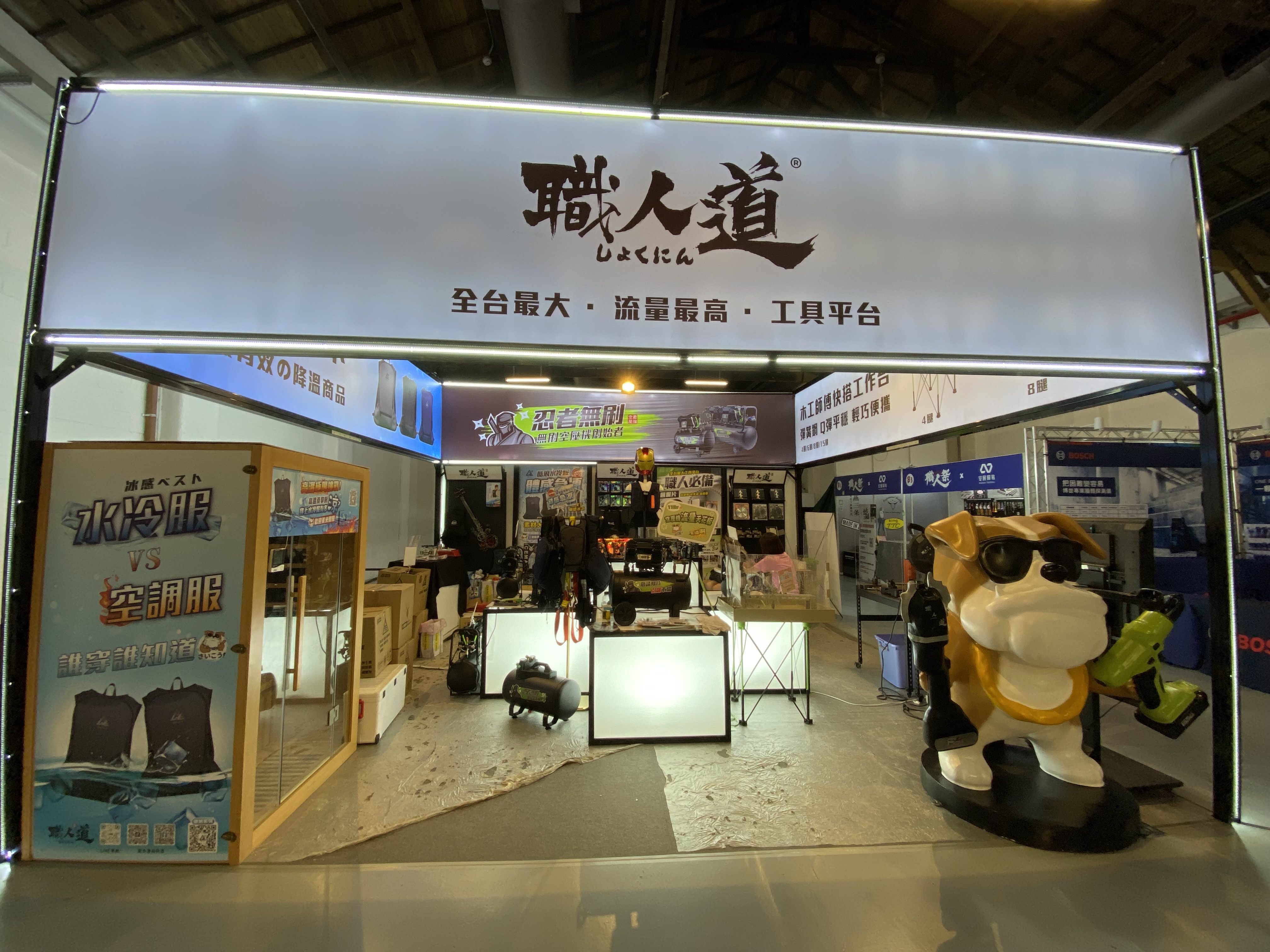
Shokunin is a professional brand launched by Feng Shang Precision Co., Ltd., a Taoyuan, Taiwan-based manufacturer of air compressors, cut-off machines, water-cooled vests, and professional tools.
Have Questions or Need More Details?
Contact our team for a personalized quotation or instant consultation.
Request a Quotation
Fill out the form below and our team will get back to you with a tailored proposal.
WhatsApp Direct Chat
Prefer to chat in real-time? Message us on WhatsApp for instant assistance & quick answers.
- Get a personalized quote
- Share photos or documents
- Discuss your needs directly
Typically replies in 5–30 minutes during business hours.