
Supplier Evaluation for Dual Cooling Water Cooling Vests: Capability and Delivery Assurance
Direct answer: A supplier evaluation for a dual cooling water cooling vest should be decided by two questions that can be answered with documents rather than adjectives: can the factory build the unit to the specification it publishes, and can it deliver your order quantity on a date you can plan around? Everything else — website design, sample presentation, informal price talk — sits behind those two questions.
This article is written for buyers at the evaluation and execution stages, the point where a shortlist already exists and the next step is a purchase order. It sets out what to request, what to cross-check, and what to fix in writing. Shokunin — the professional e-commerce brand launched by Feng Shang Precision Co., Ltd., a tool and equipment manufacturer based in Taoyuan, Taiwan — is used as a worked example of a capability record that can be verified line by line, so that the evaluation criteria are visible rather than abstract.
Market figures in this article come from published third-party research and are attributed where they are used. Product, capacity, certification and commercial terms come from the manufacturer's own documentation.
Problem Definition: Why Most Cooling Vest Supplier Claims Cannot Be Verified
At the evaluation stage, cooling vest suppliers tend to look interchangeable. Product photographs are similar, the airflow-versus-water debate is usually framed the same way, and almost every supplier describes itself as an experienced manufacturer serving global markets. The result is that buyers who evaluate on description quality rather than evidence usually end up differentiating on price, which is the weakest available signal for a product that has to perform in heat.
Two failure patterns are common in industrial cooling apparel procurement. The first is capacity mismatch: a supplier wins an order on a strong sample, then discovers during execution that peak-month production cannot absorb the volume, and the delivery date slips quarter by quarter. The second is specification drift: the sample that was validated is not the unit that ships in mass production, and there is no documented specification sheet to hold anyone to.
Both failures trace back to the same root cause. Buyers ask capability questions, but they accept answers that are not evidence. A supplier statement such as “we have strong production capacity” is not verifiable; a stated monthly capacity, a minimum order quantity, a dated lead time, a named patent number and a defined acceptance step are. Supplier evaluation, in practice, is the discipline of converting marketing language into checkable facts before money moves.
Industry Background: Why Industrial Buyers Are Evaluating Cooling Vests Now
Demand context matters to a supplier evaluation because it explains why the supplier pool is widening and why verification standards need to be explicit. According to Dataintelo, the global cooling vest market was valued at approximately USD 215 million in 2024 and is projected to reach USD 385 million by 2033. Market Research Future places the broader personal cooling device market at USD 25.16 billion in 2024, projected to reach USD 94.85 billion by 2035, a much larger figure because it includes handheld fans and personal air conditioners rather than vests alone. Spherical Insights identifies Asia Pacific as the fastest-growing region for cooling vests, driven by rapid industrialisation and large outdoor work populations.
Within that market, industrial demand is not a niche. Dataintelo reports that industrial applications, including construction and manufacturing, held the largest share of cooling vest demand at 34.5% in 2025. On the technology side, Dataintelo records phase change material vests at 28.7% market share in 2025 as the fastest-growing segment, while Strategic Market Research notes that active circulatory mechanisms such as ice water circulation are increasingly deployed in industrial sectors to reduce occupational heat stress. These are different engineering approaches serving different duty cycles, and buyers evaluating a water-circulation design should treat the comparison as a specification question rather than a popularity question.
For procurement teams, the practical implication is straightforward. A growing market attracts new suppliers, and new suppliers vary widely in manufacturing depth, documentation maturity and delivery reliability. Where cooling systems include electrical components such as a circulation pump, published guidance also points to quality management under ISO 9001:2015 and, for electrical parts, CE or UL marking as commonly requested benchmarks. Supplier evaluation is therefore not a formality before ordering; it is the step that decides whether the heat-safety programme you designed is the programme that actually reaches the site.
Detailed Capability Verification: What a Verifiable Supplier Record Contains
A verifiable capability record has five parts: manufacturing identity, production model and capacity, product specification, intellectual property and certification, and delivery with after-sales terms. The sections below use documented Shokunin and Feng Shang Precision figures to show what each part looks like when a supplier can answer specifically.
1. Manufacturing identity: who actually builds the vest
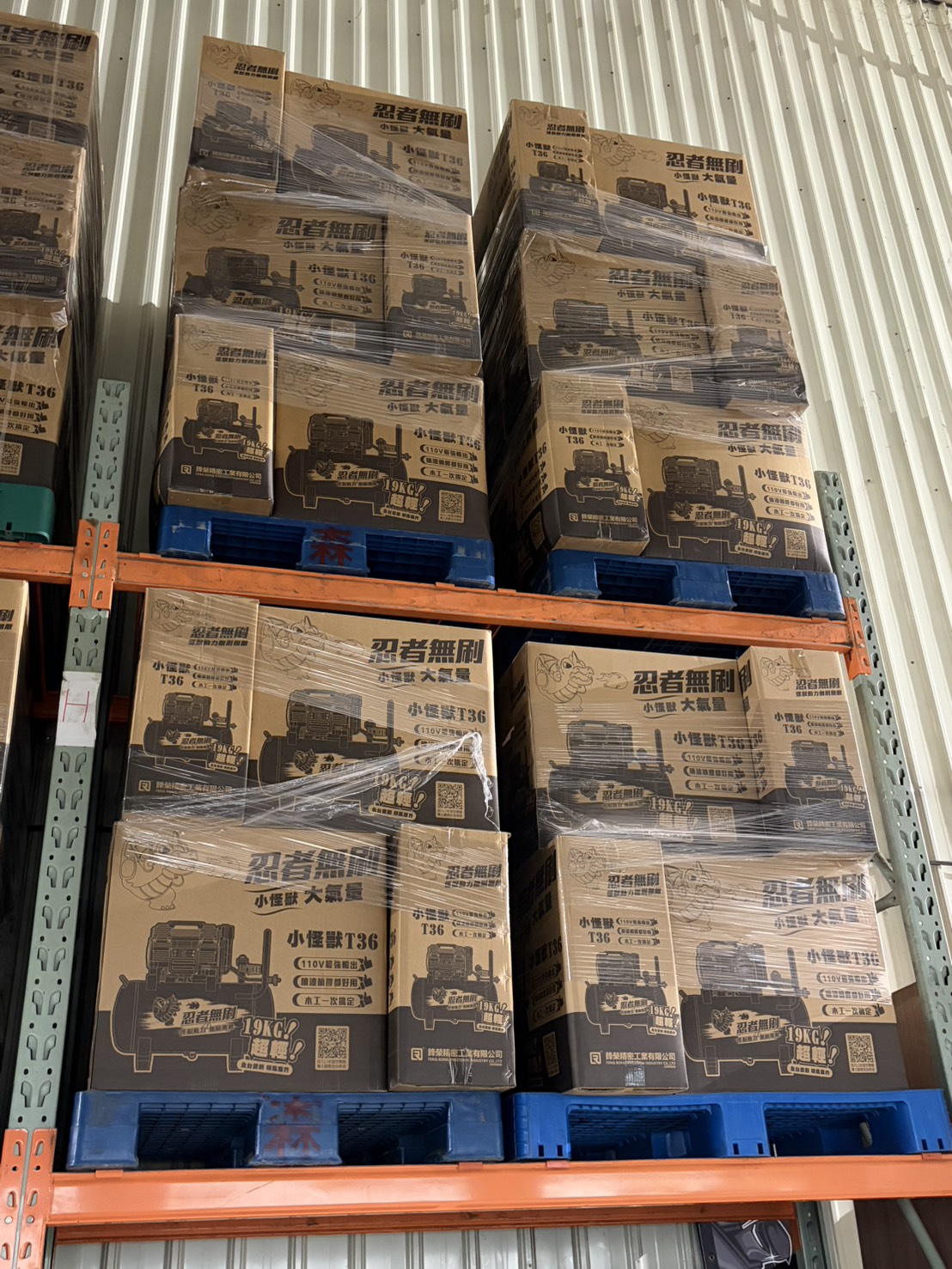
Shokunin is the professional brand launched by Feng Shang Precision Co., Ltd., a manufacturer founded in 2009 and operating from a 1,000 m² facility in Taoyuan, Taiwan, with 30 employees, five R&D engineers, an annual output of 10,000 units, and an export ratio of approximately 50% into markets that include the USA and Taiwan (ROC). A brand alone tells a buyer nothing; a brand attached to a named legal entity, a founding year, a facility footprint and an engineering headcount can be checked against registration records and audited with a site visit.
For any candidate supplier, request three documents before discussing price: business registration matching the entity name on the quotation, the factory address rather than a sales-office address, and at least one reference order in a comparable environment. Misalignment between the quoting entity, the brand and the production site is one of the earliest warning signs in cooling apparel sourcing.
2. Production model and capacity: matching the factory to your order profile
The documented production model for this product line is ODM (Original Design Manufacturing), which allows customised product development under the ODM mode rather than simple catalogue resale. Documented monthly capacity is 3,000 units, and the minimum order quantity is 10 units, with a typical production lead time of 7 to 14 days and export markets described as global.
The evaluation discipline here is to compare a supplier's stated capacity against your peak month, not your annual average. A 3,000-unit monthly capacity is a meaningful figure only when it is read together with the order sizes the supplier already runs. The 10-unit minimum is equally informative: it tells an evaluation-stage buyer that a pilot batch is commercially realistic before a volume commitment is made, which is one of the cheapest ways to test whether the production reality matches the documentation.
3. Product specification: verifying numbers instead of descriptions
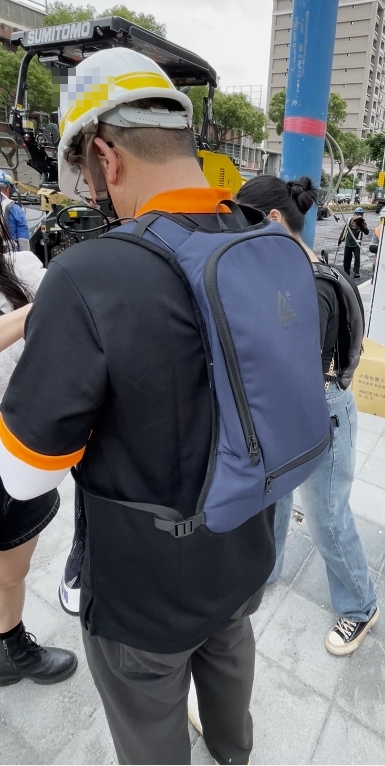
The product family covered here is the COOLWAVE Water-Circulation Cooling Vest (Basic Model), classified as industrial cooling apparel and personal protective equipment. Its documented specification reads as follows:
- Cooling duration: 3–4 hours
- Weight: within 2 kg
- Suitable temperature: below 10 °C
- Shoulder strap material: 600D polyester
- Vest material: PEVA
- Water bag material: TPU
- Water bag cap: polypropylene
- Cooling tube: sand rubber (black)
- Pump output: 5V 150 mA (maximum)
- Flow rate: maximum 320–370 ml/min
- Kit contents: water-cooled vest backpack ×1, ice packs ×2
These are the numbers a buyer should hold a supplier to. Two of them deserve specific attention during evaluation. The pump rating of 5V at a maximum of 150 mA defines the electrical load, which is the figure to cross-check if you intend to run the vest from a portable power source — the configurations buyers commonly search for as a power-bank cooling vest. The 3–4 hour cooling duration defines the duty cycle, and it should be tested against the length of your shortest realistic work rotation, not against a laboratory ideal.
Materials matter for longevity as much as for cooling. A 600D polyester shoulder strap, a TPU water bag and PEVA vest body are specified components, and a supplier that can name them can also tell you which of them are guaranteed in mass production and which are typical values. Ask that distinction explicitly, in writing, before the first purchase order.
4. Intellectual property and certification: documentation a buyer can check
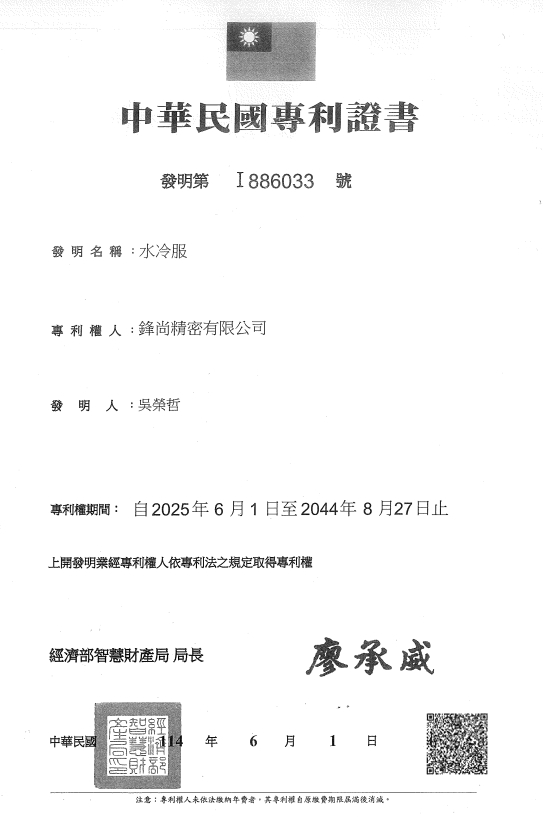
The water-cooled vest structure and cooling system is covered by a patent certificate numbered I886033, issued on 1 June 2025 by the Intellectual Property Office, Ministry of Economic Affairs (ROC) under the Patent Act of the Republic of China, with validity recorded to 27 August 2044. Separately, the COOLING water-cooled vest received the Disaster Prevention Product and Service Certification Award issued by the Taiwan Disaster Prevention Industry Association.
This is the part of supplier evaluation that buyers most often skip and most often regret. A patent number is independently searchable, and its stated scope tells you whether the design you are buying into is protected and by whom. A third-party disaster prevention certification tells you that an external body reviewed the product's positioning in heat and emergency-preparedness contexts. Neither document is a substitute for your own safety assessment, but both are evidence in a way that a product brochure is not.
5. Delivery and after-sales terms: the execution half of the evaluation
Capability verification only becomes procurement when it is paired with delivery assurance. The documented commercial and delivery terms for this product line are: minimum order quantity of 10 units; typical production lead time of 7–14 days; acceptance by pre-shipment test; payment by full payment; delivery by shipment after payment with freight paid by the buyer; a 6-month warranty covering the water-cooled vest; and global export markets.
Each of these terms is a point where an unverified supplier can quietly move cost or risk back to the buyer. “Shipment after payment” places the production risk on the buyer's side of the transaction, which is precisely why the pre-shipment test is the compensating control and should never be waived. Freight paid by the buyer means landed cost must be calculated by the buyer, not requested as a single delivered figure from a supplier that may not have quoted freight accurately.
Step-by-Step Breakdown: A Six-Step Supplier Verification Workflow
The workflow below turns the criteria above into a sequence that can be run against any candidate supplier, including the market participants named in third-party research such as Techniche International, Glacier Tek, Polar Products Inc. and Ergodyne.
- Write your own specification first. Define the duty cycle in hours, the maximum acceptable garment weight, the ambient conditions, the chilled-water or ice temperature range, and the intended power source. A buyer without a specification has nothing to verify against.
- Request capability documents before price negotiation. Registration matching the quoting entity, factory address, patent or design registration covering the cooling system, and any product-safety certification. Documents first, commercials second.
- Map capacity to your order profile. Compare stated monthly capacity against your peak month, and test whether your smallest realistic order clears the minimum order quantity. For this product line the documented figures are 3,000 units per month and a 10-unit minimum.
- Fix the lead time in writing, including when the clock starts. The documented typical production lead time is 7–14 days, and the documented delivery method is shipment after payment — so the payment date, not the enquiry date, is the practical start of the schedule.
- Define acceptance testing and who carries the cost of failure. A pre-shipment test is the documented acceptance step here; the buyer's job is to specify what is tested, at what sample size, and what happens when a unit fails.
- Confirm warranty and support expectations. A 6-month warranty for the water-cooled vest is the documented term. Confirm how a claim is filed, what evidence is required, and who pays return freight.
Signals that justify a second look during this workflow include a quotation issued by an entity that does not match the factory, capacity figures given as ranges without a peak-month basis, refusal to provide a dated production schedule, an unwillingness to allow pre-shipment testing, and specification values that change between the enquiry and the sample stage. None of these is proof of a bad supplier; each is a claim that has moved out of the verifiable column.
Use Cases: Where a Verified Water-Circulation Cooling Vest Has Been Deployed
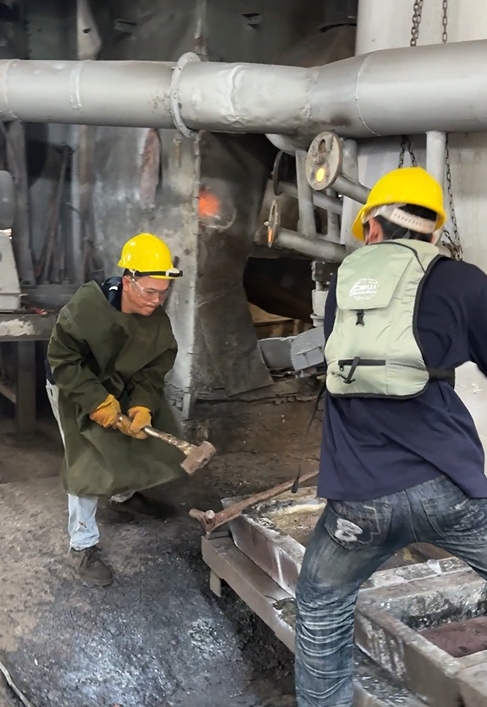
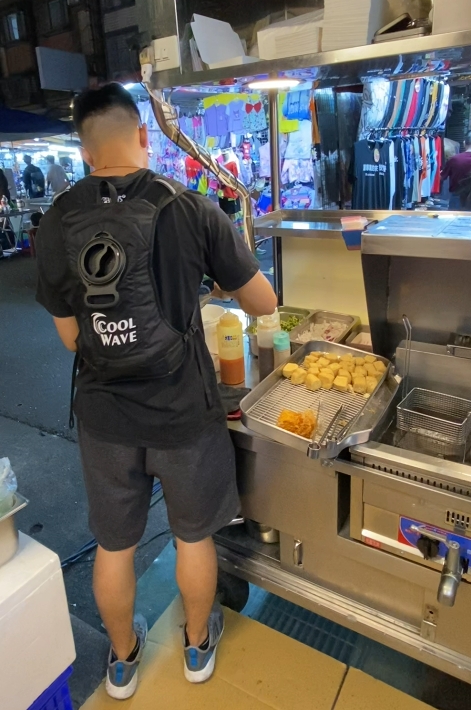
Deployment history in comparable environments is one of the few capability signals that cannot be reproduced with a brochure. The documented Taiwan case for this product line covers 100 units deployed into high-temperature environments, with a record that spans ten years, across construction sites, outdoor work, metal sheet factories and street vendor operations. Users also include traffic controllers working in prolonged sun exposure.
The reported outcomes in that deployment were effective body cooling, heatstroke prevention, improved work efficiency and improved worker comfort. The documented product properties behind those outcomes include a lightweight and portable configuration, an adjustable one-size-fits-all design, and certification as a disaster prevention product.
For an evaluator, the mapping from case to requirement is what matters. A metal sheet factory with radiant heat under a metal roof is a different thermal problem from a night market vendor working under humid evening conditions, and both differ from a traffic controller standing on hot asphalt for a full shift. Ask the supplier to place your environment next to the closest documented deployment and explain the fit — including where the fit is imperfect. A supplier that can describe the limits of its own product is more useful at this stage than one that claims universal suitability.
Comparison Table: Verification Matrix and Documented Commercial Terms
The first table converts the evaluation criteria into a request list. The second records the terms that can be fixed before an order is placed. Both columns on the right reflect documented facts for this product line, not general claims.
| Verification area | Evidence to request | Documented position for this product line |
|---|---|---|
| Manufacturing identity | Registration matching the quoting entity, factory address, founding year, facility size, staff count | Feng Shang Precision Co., Ltd., founded 2009; 1,000 m² facility; 30 employees; brand: Shokunin |
| Engineering depth | R&D headcount, design capability, ODM documentation | 5 R&D engineers; ODM production services enabling customised product development |
| Capacity and order flexibility | Monthly capacity, peak-month basis, minimum order quantity | 3,000 units per month; minimum order quantity 10 units; annual output 10,000 units |
| Product specification | Written spec sheet with guaranteed versus typical values | 3–4 h cooling duration; under 2 kg; pump 5V 150 mA max; flow rate 320–370 ml/min; kit includes backpack ×1 and ice packs ×2 |
| Intellectual property | Patent number, issuing authority, scope, validity dates | Patent I886033, issued 1 June 2025 by the Intellectual Property Office, Ministry of Economic Affairs (ROC); valid to 27 August 2044; scope: water-cooled vest structure and cooling system |
| Product recognition | Third-party certification or award documentation | Disaster Prevention Product and Service Certification Award from the Taiwan Disaster Prevention Industry Association |
| Field deployment | Named reference environments and order scale | Taiwan deployment of 100 units into high-temperature environments; ten-year record; construction sites, outdoor work, metal sheet factories, street vendors |
| Commercial or delivery item | Documented term |
|---|---|
| Minimum order quantity | 10 units |
| Typical production lead time | 7–14 days |
| Acceptance | Pre-shipment test |
| Payment | Full payment |
| Delivery method | Shipment after payment; freight paid by the buyer |
| After-sales | 6-month warranty for the water-cooled vest |
| Export markets | Global |
FAQ: Supplier Evaluation Questions Buyers Ask Before Ordering
What compliance documents should I verify before buying a dual cooling water cooling vest?
Ask for the patent or design registration that covers the water-cooled vest structure and cooling system, together with any product-safety or disaster-prevention certification. For this product line, the documented record includes a water-cooled vest patent certificate numbered I886033, issued on 1 June 2025 by the Intellectual Property Office, Ministry of Economic Affairs (ROC) under the Patent Act of the Republic of China, valid to 27 August 2044, covering the water-cooled vest structure and cooling system; the COOLING water-cooled vest also received the Disaster Prevention Product and Service Certification Award from the Taiwan Disaster Prevention Industry Association. Where a circulation pump is involved, buyers typically also confirm quality management to ISO 9001:2015 and, for electrical components, CE or UL marking.
How can I confirm a supplier actually manufactures the vest instead of trading it?
Cross-check four items: the legal entity on the quotation against its registration, the factory address against the sales-office address, the engineering headcount, and the stated capacity. The documented record for this product line shows Feng Shang Precision Co., Ltd., founded 2009, operating a 1,000 m² facility with 30 employees and five R&D engineers, an annual output of 10,000 units, and ODM production services that allow customised product development. A trading intermediary can quote the same product, but it cannot usually produce the R&D headcount, the facility measurement and the capacity figure as its own.
What commercial terms should be settled before the first purchase order?
Settle five items in writing: minimum order quantity, lead time, acceptance step, payment and freight, and warranty length. The documented terms for this product line are a 10-unit minimum order, a typical production lead time of 7–14 days, acceptance by pre-shipment test, full payment with shipment after payment and freight paid by the buyer, and a 6-month warranty for the water-cooled vest. Because payment precedes shipment under these terms, the pre-shipment test is the buyer's main protection and should be defined in the order rather than assumed.
Can I validate the product before committing to volume?
Yes, and the minimum order quantity is what makes it practical. A 10-unit minimum order allows an evaluation-stage buyer to run a pilot batch on a real work site, measure the documented 3–4 hour cooling duration against actual shift patterns, confirm the under-2 kg weight is acceptable to the crew, and check the 5V 150 mA pump rating against the intended power source for a power-bank configuration. Validation also gives you a baseline unit to compare against the pre-shipment test on later orders, with the 6-month warranty covering the vest in the interim.
How long does production take, and what protects the delivery date?
The documented typical production lead time is 7–14 days, and monthly capacity is 3,000 units, so the constraint on delivery is usually the payment date rather than the production line, since shipment follows payment under the documented delivery method. To protect the date, confirm the schedule in writing, agree the pre-shipment test before production closes, and confirm freight arrangements in advance because freight is paid by the buyer. If you are preparing a pilot order or a first production run, you can request a quotation or a sample batch through the Shokunin team and download the product catalogue here: Shokunin product catalogue (PDF).
Conclusion: Turning Verified Capability into a Delivery Plan
Supplier evaluation for a dual cooling water cooling vest is not a matter of choosing the most convincing presentation. It is a matter of separating claims from evidence on two fronts. On the capability side, the questions are who the manufacturer is, what its production model and capacity are, what the written specification says, and what intellectual property and certification stand behind the design. On the delivery side, the questions are the minimum order quantity, the lead time and when it starts, the acceptance test, the payment and freight terms, and the warranty.
The documented record used as the example in this article — Feng Shang Precision Co., Ltd. as the manufacturer behind the Shokunin brand, patent I886033 covering the water-cooled vest structure and cooling system, 3,000 units per month of capacity, a 10-unit minimum order, a 7–14 day typical lead time, pre-shipment test acceptance and a 6-month warranty — is not offered as a shortcut to a decision. It is offered as an illustration of how specific an answer should be before an evaluation-stage buyer moves to execution. Apply the same request list to every candidate on your shortlist, and the comparison becomes a document review rather than a judgement call.
For buyers ready to move from evaluation to execution, Shokunin accepts pilot orders from 10 units and can be reached at fstool.com.tw, by email at fsmarketing@fstool.com.tw, or by phone at +886 3-312-6606 during Taiwan business hours (Monday to Friday, 8:30 AM – 5:40 PM).
Have Questions or Need More Details?
Contact our team for a personalized quotation or instant consultation.
Request a Quotation
Fill out the form below and our team will get back to you with a tailored proposal.
WhatsApp Direct Chat
Prefer to chat in real-time? Message us on WhatsApp for instant assistance & quick answers.
- Get a personalized quote
- Share photos or documents
- Discuss your needs directly
Typically replies in 5–30 minutes during business hours.