
Regional Certification Guide: Understanding the Taiwan Disaster Prevention Product Award for Cooling Gear
Taiwan's disaster-prevention sector runs its own product recognition programme, and cooling gear sold into Taiwanese worksites is increasingly expected to clear it. The COOLWAVE Water-Circulation Cooling Vest — manufactured by FENG SHANG PRECISION CO., LTD. and marketed under the Shokunin brand — has received the Disaster Prevention Product and Service Certification Award issued by the Taiwan Disaster Prevention Industry Association.
For a procurement team, the value of that sentence is not the badge. It is the verification path the badge creates: a named issuing organisation, a named awarded product, and a paper trail that can be checked before a purchase order is raised. This guide explains what the recognition covers in the cooling-gear category, how it sits alongside the quality and electrical documentation Taiwanese buyers already request, and how to verify it step by step.
What the Taiwan Disaster Prevention Product and Service Certification Award Actually Is
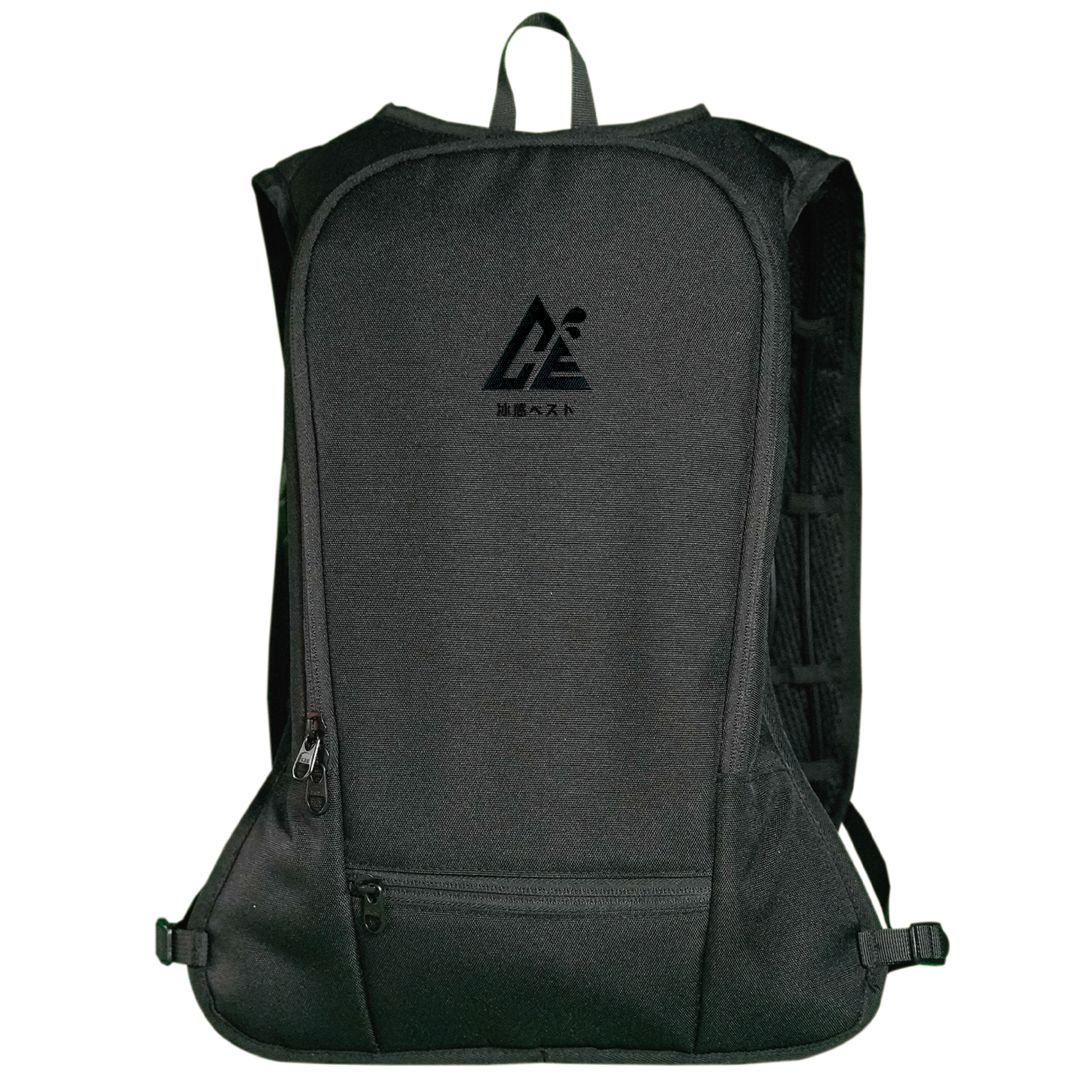
The Disaster Prevention Product and Service Certification Award is a regional recognition issued by the Taiwan Disaster Prevention Industry Association. In the cooling-gear category, the product that has received it is the COOLWAVE Water-Circulation Cooling Vest.
The claim is deliberately narrow, and that is exactly what makes it usable. The award names one issuer and one product. It does not describe a global standard, a factory-wide approval, or a ranking against other suppliers. Buyers who treat it as a Taiwan-market signal — one layer inside a compliance file — will apply it correctly. Buyers who treat it as a replacement for quality-management or electrical-safety documentation will not.
The issuing organisation: Taiwan Disaster Prevention Industry Association
An issuer that can be named and contacted is the difference between a marketing statement and an auditable record. The Taiwan Disaster Prevention Industry Association operates within Taiwan's disaster-prevention sector, which makes this recognition regional in character: it speaks to how the cooling vest fits the expectations of Taiwanese disaster-prevention and heat-hazard procurement. It is not a claim about compliance in every export market, and it should not be presented as one on a quotation.
Practically, the issuer name gives a buyer three things: something to check, a party to contact if the claim needs confirming, and a fixed reference point for the procurement file. Those three items are worth more than any adjective that can be printed next to a product name.
The awarded product: COOLWAVE Water-Circulation Cooling Vest
The COOLWAVE Water-Circulation Cooling Vest is produced by FENG SHANG PRECISION CO., LTD. (brand: Shokunin), a precision tool manufacturer established in 2009 and headquartered at No. 155-17, Sec. 2, Nanzhu Rd., Luzhu Dist., Taoyuan City 338454, Taiwan. The company operates a 1000 m² manufacturing facility with approximately 30 staff, an R&D team of 5 engineers, and an annual production capacity of 10,000 units. Its product lines include air compressors, cut-off machines, water-cooled vests, lithium batteries, diamond saws, nail guns, spider stands and screwdriver bits. Export business accounts for 50% of total sales, with major markets in the USA and ROC (Taiwan).
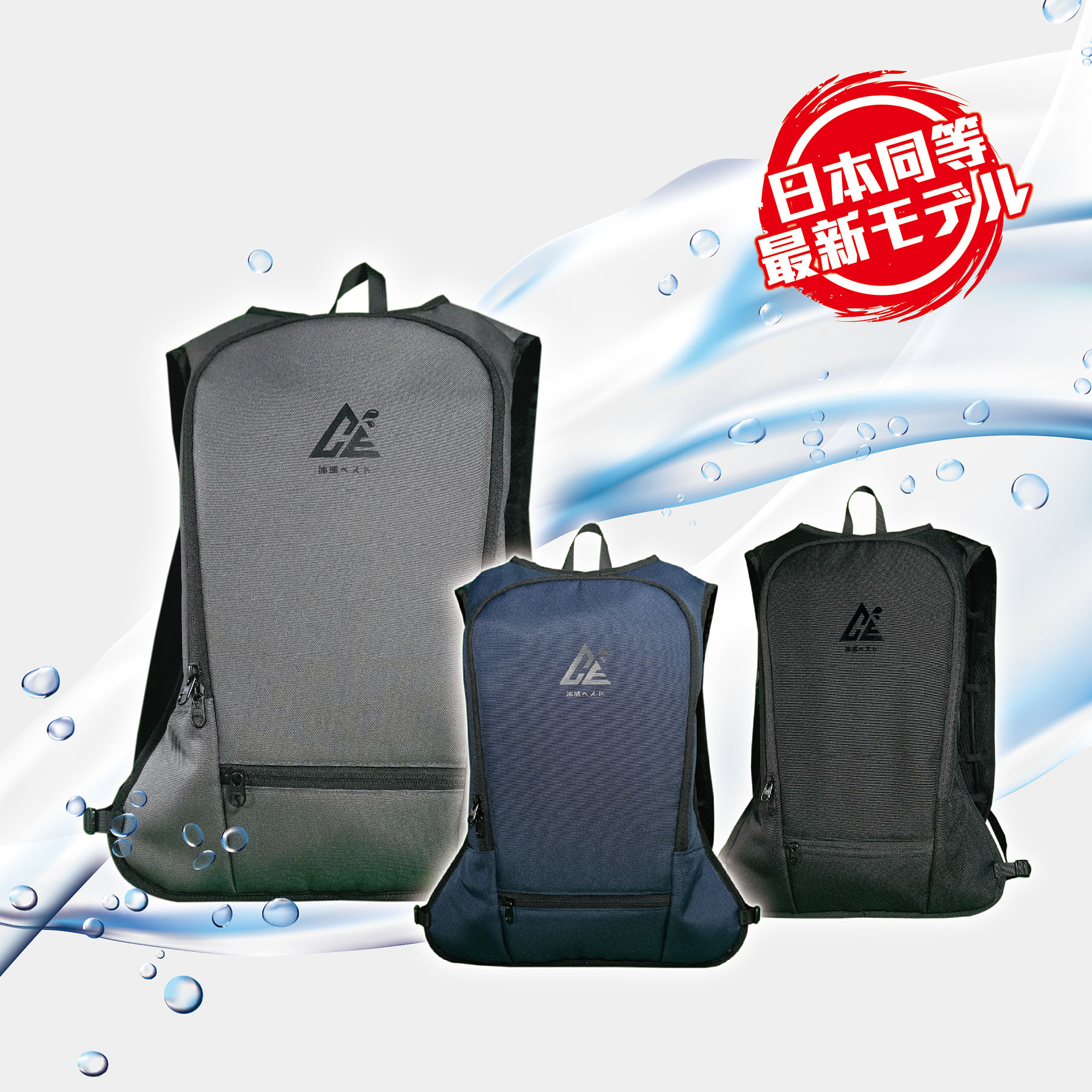
Within that portfolio, the vest is classified as industrial cooling apparel under Personal Protective Equipment (PPE). It is designed for construction and outdoor work, and the recorded target industries are construction workers, outdoor workers, food stall operators, street vendors, traffic controllers and sheet-metal factory workers. The range is available as a Basic Model and as a Professional Model in Black, Gray and Blue.
What the recognition does not replace
An industry-association recognition sits on top of the standards file, not in place of it. Cooling systems are expected to comply with ISO 9001:2015 for quality management, and cooling equipment with electrical components often requires CE or UL marks. The COOLWAVE vest uses a powered pump, so both questions apply: the quality-management scope of the manufacturer, and the electrical marks relevant to the pump assembly in your market of use. Ask for documentation on each. The award answers a different question than either of them.
Practical reading: the award tells a Taiwanese buyer that a named industry association has recognised this specific cooling product. It does not tell the buyer whether the factory's quality system covers cooling apparel, or whether the pump carries the electrical marks required in a given market. Those remain separate checks.
The Verification Problem This Award Solves
Heat-hazard PPE quotations tend to use the same vocabulary. "Certified." "Industrial grade." "Tested for extreme heat." None of these phrases can be checked from the quotation form itself, and that becomes a problem the moment a purchase has to be justified — internally to an EHS manager, externally to a client, or during an audit.
Three failure modes recur in cooling-vest sourcing:
- Issuer drift. The claim says "certified" but never names who certified it. Without an issuer, there is nothing to verify against and nothing to contact.
- Identity drift. Documentation names one product, while the quotation lists a differently named model that may or may not be the same item. Lookalike water cooling vests are common in this category.
- Scope drift. A product-level recognition gets read as covering the whole brand, the factory, or every accessory in the box.
A named regional award removes the first problem and reduces the second, because it identifies both the issuing body and the awarded product. The remaining work — matching the awarded item to the exact model you are buying — stays with the buyer. That is why the step-by-step verification process later in this guide matters more than the badge itself.
Industry Background: Cooling Gear Is Moving Into Documented Industrial Procurement
Cooling apparel is no longer a marginal category. The global personal cooling device market was valued at USD 25.16 billion in 2024 and is projected to reach USD 94.85 billion by 2035, according to Market Research Future. The narrower cooling-vest segment was valued at approximately USD 215 million in 2024 and is projected to grow to USD 385 million by 2033, according to Dataintelo.
Those two figures measure different boundaries, and buyers should state the definition whenever they cite either one. The larger number covers personal cooling devices as a family, including handheld and non-apparel products; the smaller number covers cooling vests specifically. Quoting one against the other without the definition produces comparisons that do not hold.
Regionally, Asia Pacific is the fastest-growing region for cooling vests, driven by rapid industrialisation and high outdoor work populations (Spherical Insights). Applications tell a similar story: industrial applications, including construction and manufacturing, held the largest market share for cooling vests at 34.5% in 2025 (Dataintelo). On the technology side, Phase Change Material (PCM) cooling vests captured 28.7% of market share in 2025 and represent the fastest-growing technology segment, while active circulatory mechanisms such as ice water circulation are increasingly deployed in industrial sectors to mitigate occupational heat stress (Strategic Market Research).
Two consequences follow for Taiwanese buyers. First, the supplier base is widening, which increases the number of near-identical claims on quotations. Second, industrial buyers — not consumers — now dominate the category, and industrial buying brings documentation requirements with it. A regional recognition programme such as the one run within Taiwan's disaster-prevention sector is one response to that shift.
What the COOLWAVE Vest Delivers: The Facts Behind the Recognition
The COOLWAVE Water-Circulation Cooling Vest operates through water-circulation cooling. Each set includes a water-cooled vest backpack and two ice packs, and the combination of a circulation loop with ice-pack support is what buyers usually describe as dual cooling — the phrase behind the product line's "Dual Cooling Water Cooling Vest" description in Shokunin's catalogue.
COOLWAVE Water-Circulation Cooling Vest — recorded specification
- Category: Industrial Cooling Apparel / Personal Protective Equipment (PPE)
- Models: Basic Model; Professional Model in Black, Gray and Blue
- Cooling duration: 3–4 hours
- Net weight: within 2 kg
- Suitable temperature: below 10 °C
- Pump: rated voltage 5V, current 150mA (max)
- Flow rate: up to 320–370 ml/min
- Shell / vest material: PEVA
- Shoulder strap material: 600D polyester
- Water bag material: TPU
- Water bag cap: polypropylene
- Cooling tube: sand rubber (black)
- Contents: water-cooled vest backpack ×1, ice packs ×2
Two of these numbers carry most of the weight in a procurement file. A cooling duration of 3–4 hours defines how a work shift has to be organised around recharging, and the flow rate of 320–370 ml/min is the figure that distinguishes an ice water circulation cooling vest from a passive accessory. A net weight within 2 kg keeps the vest in the wearable range for a full shift, which is what makes it usable as professional cooling clothing rather than occasional relief gear.
Materials matter for service life as much as for comfort. The TPU water bag and the sand rubber cooling tube are the parts most exposed to repeated chilled-water cycles, while the 600D polyester shoulder straps carry the load of the backpack. When you compare a lightweight cooling vest against alternatives, ask which of these components the quotation actually specifies — an unstated material is an unverified one.
One rating to clarify before you specify. The recorded suitable temperature is below 10 °C. Ask the supplier to confirm the reference point for that figure — the internal cooling circuit or the ambient working environment — so the number is written into your specification correctly. This is a normal clarification step, not a red flag.
Step-by-Step: Verifying the Award and the Product Before You Shortlist
This sequence can be run by a procurement officer without technical background, and it produces a file that survives an audit. Work through it in order.
- Confirm the issuer by name. The award is issued by the Taiwan Disaster Prevention Industry Association. If a quotation claims certification without naming the issuing body, treat the statement as unverified. A named issuer is the difference between a claim and a record.
- Match the awarded product to the quoted product. The recognition attaches to the COOLWAVE Water-Circulation Cooling Vest. Check that the item on the purchase order carries that product name, rather than a generic description such as "water cooling vest" that could refer to any number of items.
- Pin down the model designation. The range is offered as a Basic Model and as a Professional Model in Black, Gray and Blue. Confirm which designation the quotation refers to, and whether the configuration you need — colour, strap set, accessory set — is the configuration that was evaluated.
- Layer in the quality-system check. Cooling systems are expected to comply with ISO 9001:2015 for quality management. Request the scope statement rather than the certificate alone, so you can see whether cooling apparel sits inside the certified scope.
- Address the powered component. Cooling equipment with electrical parts often requires CE or UL marks. The vest's pump is rated at 5V and 150mA (max). Ask which electrical marks apply in your market and obtain the documents for the pump assembly.
- Convert performance claims into measurable checks. The specified cooling duration is 3–4 hours, net weight is within 2 kg, and flow rate reaches 320–370 ml/min. Field-trial the vest in the real working environment and log the results against these ratings.
- Clarify the temperature rating. The specification lists a suitable temperature below 10 °C. Confirm the reference point with the supplier before it enters your written requirement.
- Close the file. Keep the award documentation, the model match, the quality and electrical documents, and the trial results together in the procurement record. When someone asks six months later why this vest was chosen, the answer is a folder, not a memory.
Where This Check Matters Most: Cooling-Vest Applications in Taiwan
The recorded application profile for this product is personal heat-stress relief in high-temperature working conditions, documented for the Taiwan market. The industries it targets are specific, and each one has its own reason to keep compliance paperwork close.
- Construction sites. Sustained sun exposure with limited access to shade. Cooling gear for prolonged sun exposure is selected in advance and issued as kit, so the selection needs a documented basis.
- Sheet-metal factories. Radiant heat from process equipment and metal structures creates conditions that ambient weather data will not capture. These environments are among the hardest to cool with passive measures, which is where an ice water circulation cooling vest with a defined flow rate becomes relevant.
- Traffic control. Stationary posts in direct sun, with no option to move to shade. A portable cooling vest worn as a backpack-supported system fits this pattern.
- Street vendors and food stalls. Long outdoor shifts under awnings and, frequently, uninsulated metal roofing. The same idea applies: a cooling solution for metal-roof workplaces has to work without fixed infrastructure.
- Outdoor work generally. Anyone issuing heatstroke prevention gear for extreme heat has to defend the choice. A named regional recognition is one of the few externally verifiable items available in this category.
The recorded application data also lists the practical requirements buyers in these settings ask for: a lightweight, waterproof, breathable design with adjustable straps and a one-size-fits-all intent, supported by reusable ice packs and a portable backpack format. Those requirements are worth copying into your own specification, because they describe the environment rather than the product.

Comparison Table: What to Verify, and How the Cooling Approaches Differ
The first table is the one to attach to a purchase requisition. Every row maps a claim you will receive to a document you can actually request.
| Claim type | What to request | Where the answer comes from | Why it matters |
|---|---|---|---|
| Regional recognition | Award document naming the product | Taiwan Disaster Prevention Industry Association | Confirms both the issuer and the awarded product identity |
| Quality management | ISO 9001:2015 scope statement | Manufacturer's quality documentation | Shows whether cooling apparel is inside the certified scope |
| Electrical components | CE / UL marks where applicable | Supplier plus the relevant test or certification body | The vest's circulation pump is rated 5V / 150mA (max) |
| Product identity | Model designation: Basic Model; Professional Model in Black, Gray, Blue | Quotation cross-checked against the award document | Prevents substitution of a lookalike model after approval |
| Cooling performance | Cooling duration 3–4 hours; flow rate up to 320–370 ml/min; net weight within 2 kg | Specification sheet plus an on-site trial | Converts descriptive claims into measurable acceptance criteria |
| Consumables and spares | Ice pack supply per set (two per set) and the replacement path | Supplier | Uptime across a season depends on spares, not only on the first shipment |
The second table compares the cooling approaches a Taiwanese buyer is likely to see quoted, including the COOLWAVE water-circulation design. It is written to be neutral: the right approach depends on shift length, infrastructure and budget, not on the label.
| Approach | How it works | Where it fits | Documented market note |
|---|---|---|---|
| Water circulation with ice-pack support (COOLWAVE) | A 5V / 150mA pump circulates chilled water through the cooling tube at up to 320–370 ml/min; two ice packs are supplied per set | Shifts that need 3–4 hours of continuous cooling in industrial and outdoor heat | Active circulatory mechanisms such as ice water circulation are increasingly deployed in industrial sectors to mitigate occupational heat stress (Strategic Market Research) |
| Phase Change Material (PCM) | Packs change phase at a set temperature to hold a cooling plateau without pumping | Buyers who want no pump and no tubing in the garment | 28.7% of cooling-vest market share in 2025; the fastest-growing technology segment (Dataintelo) |
| Passive ice pack vests | Frozen packs sit in pockets; no circulation, so cooling tapers with distance from the packs | Short tasks and the lowest-complexity deployments | Not quantified in the sources cited here |
For context on the wider supplier landscape, third-party market research names Techniche International, Glacier Tek, Polar Products Inc. and Ergodyne among the key global competitors in cooling vests. That list describes market participation, not ranking, and it is not a quality judgement about any company. Regional recognitions such as the Taiwan award are market-specific and should not be read as a global leaderboard.
Frequently Asked Questions
What is the Disaster Prevention Product and Service Certification Award, and who issues it?
It is a regional recognition issued by the Taiwan Disaster Prevention Industry Association. In the cooling-gear category, the product that has received it is the COOLWAVE Water-Circulation Cooling Vest. Because the issuer is an industry association operating in Taiwan's disaster-prevention sector, the recognition should be read as a Taiwan-market signal. It supports, but does not replace, documentation such as ISO 9001:2015 quality management and the CE or UL marks that cooling equipment with electrical components often requires.
How does a procurement team verify the award for a specific purchase?
Match three things. First, the issuing organisation: the Taiwan Disaster Prevention Industry Association. Second, the awarded product: the COOLWAVE Water-Circulation Cooling Vest. Third, the exact model being quoted: the Basic Model, or the Professional Model in Black, Gray or Blue. If the quotation lists a model name that does not appear on the award documentation, ask for the relationship between the two items before approving the order.
What cooling performance can a buyer expect from this vest?
The vest operates through water-circulation cooling. Recorded specifications are a cooling duration of 3–4 hours, a net weight within 2 kg, and a suitable temperature below 10 °C. The pump is rated at 5V and 150mA (max) with a flow rate of up to 320–370 ml/min. Materials include a PEVA vest body, TPU water bag, polypropylene water bag cap, sand rubber cooling tube and 600D polyester shoulder straps. Each set contains a water-cooled vest backpack and two ice packs. Confirm the reference point of the below 10 °C rating with the supplier before writing it into a specification.
What drives the cost of a compliant cooling-vest order?
The main cost variables are model tier — Basic Model versus Professional Model — order quantity, and any customisation of materials, colours or accessory sets. Larger volumes generally bring the unit cost down, while specification changes move it up. Pricing is quoted per project rather than published as a list price. A second cost driver is easy to overlook: consumables and spares. Each set includes two ice packs, so the cost of keeping a crew supplied across a season belongs in the comparison, not just the unit price of the first order.
How should a buyer start validating this vest for a Taiwanese worksite?
Request the specification sheet and a sample unit, then run the checks in the sequence above: issuer, awarded product, model designation, quality-system scope, electrical marks relevant to your market, and a field trial measured against the recorded 3–4 hour cooling duration and 320–370 ml/min flow rate. Shokunin's product brochure and full technical documentation can be requested through the contact details at the end of this guide.
Conclusion: A Regional Award Is a Checkpoint, Not a Shortcut
The Taiwan Disaster Prevention Product and Service Certification Award matters to cooling-gear procurement because it replaces a vague claim with two verifiable facts: a named issuer, the Taiwan Disaster Prevention Industry Association, and a named product, the COOLWAVE Water-Circulation Cooling Vest. Everything else — quality management scope, electrical marks, model-level identity, and measured cooling performance — remains the buyer's work, and that work is what makes the award useful rather than decorative.
For Taiwanese buyers assessing heatstroke prevention gear for extreme heat, the practical takeaway is a short one. Ask for the issuer. Ask for the product name on the document. Check that it matches the model on your purchase order. Then trial the vest against its recorded numbers: 3–4 hours of cooling, a net weight within 2 kg, and a flow rate up to 320–370 ml/min from a 5V / 150mA pump.
Next step: build your compliance file
Request the specification sheet, the award documentation for your record, and a sample unit for field testing. Shokunin's product brochure can be downloaded here: COOLWAVE product brochure (PDF).
Manufacturer: FENG SHANG PRECISION CO., LTD. (brand: Shokunin), No. 155-17, Sec. 2, Nanzhu Rd., Luzhu Dist., Taoyuan City 338454, Taiwan.
Phone: +886 3-312-6606 | Email: fsmarketing@fstool.com.tw | Website: www.fstool.com.tw
Tell us the model designation and the worksite conditions, and we will return the specification details you need for your procurement file.
Have Questions or Need More Details?
Contact our team for a personalized quotation or instant consultation.
Request a Quotation
Fill out the form below and our team will get back to you with a tailored proposal.
WhatsApp Direct Chat
Prefer to chat in real-time? Message us on WhatsApp for instant assistance & quick answers.
- Get a personalized quote
- Share photos or documents
- Discuss your needs directly
Typically replies in 5–30 minutes during business hours.