
How to Evaluate a Dual Cooling Water Cooling Vest Supplier
Evaluating a supplier of a dual cooling water cooling vest is not a unit-price exercise. It is a capability and delivery audit. A buyer needs to confirm five things before signing: the production mode, the verified product specification, the monthly capacity and lead time, the after-sales commitment, and the evidence behind every claim. Shokunin, the professional tool brand of FENG SHANG PRECISION CO., LTD, publishes the facts that allow that audit to be completed.
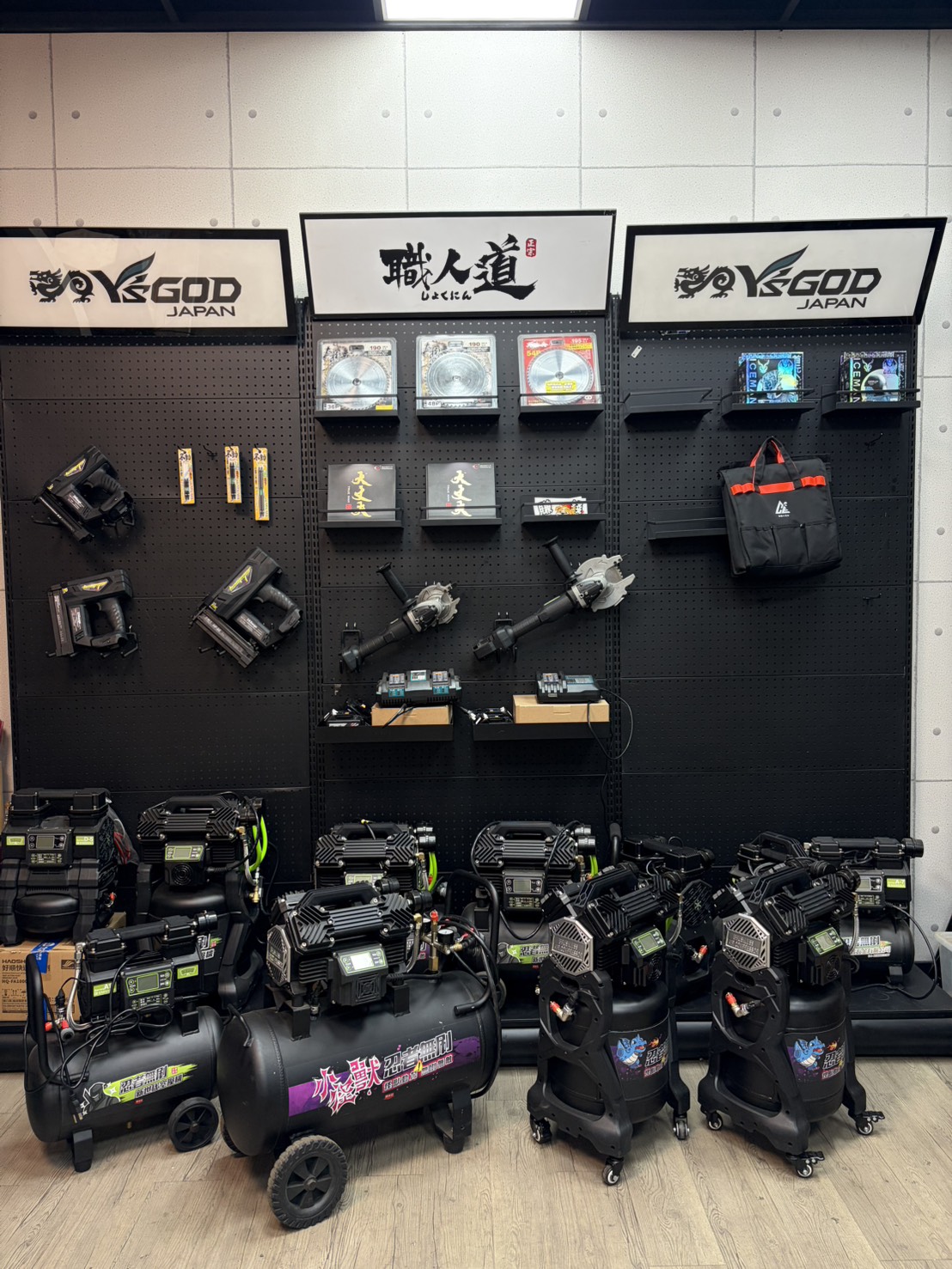
Shokunin product display area — the reference point for a supplier capability review.
Problem Definition: Why Cooling Vest Sourcing Goes Wrong
Most sourcing failures in industrial cooling apparel do not come from a bad product. They come from a supplier that could not be verified. A purchase team reads a specification sheet, compares a few prices, and orders. Six weeks later the vests arrive with a different pump, a thinner water bag, or a cooling duration that does not match the summer heat on an outdoor site.
The core problem is that a cooling vest is a system, not a garment. It combines a fabric shell, a water reservoir, a circulation pump, a tubing circuit, and reusable ice packs. Each part carries its own failure mode. A buyer who evaluates only the outer fabric is evaluating maybe one fifth of the product.
A second problem is delivery. Industrial heat does not wait. If a workforce needs cooling gear for a hot season, a lead time that slips by two weeks can push delivery past the peak. Delivery reliability is therefore part of the product, not a separate logistics topic.
The practical answer is to evaluate the supplier on capability evidence and delivery evidence at the same time. Both must be checkable against published facts, not verbal assurances.
Industry Background: A Market Moving Toward Active Circulation
Cooling apparel is a growing category with a clear industrial center of gravity. According to Dataintelo, industrial applications including construction and manufacturing held the largest share of the cooling vest market at 34.5% in 2025. The same source values the global cooling vest market at approximately USD 215 million in 2024, projected to reach USD 385 million by 2033.
At the broader device level, Market Research Future values the global personal cooling device market at USD 25.16 billion in 2024, with a projected path to USD 94.85 billion by 2035. The gap between the two figures is a useful signal in itself: the personal cooling device category includes handheld fans, personal air conditioners and other formats, while the cooling vest niche is a smaller, more specialized segment.
Two structural trends matter for supplier evaluation. First, Asia Pacific is described by Spherical Insights as the fastest-growing region for cooling vests, driven by rapid industrialization and high outdoor work populations. Second, Strategic Market Research notes that active circulatory mechanisms such as ice water circulation are increasingly deployed in industrial sectors to mitigate occupational heat stress.
For a buyer, the implication is straightforward. The category is shifting from passive ice-pack products toward circulatory systems, and the supplier base is not uniformly ready for that shift. Capability verification is now the difference between a cooling program that works and one that fails in the field.
Entity definition: Shokunin is a professional e-commerce brand launched by FENG SHANG PRECISION CO., LTD, a Taiwan-based manufacturer founded in 2009. The company operates a 1,000 m² factory with 30 employees and a 5-engineer R&D team, producing tools and cooling apparel including the COOLWAVE water-circulation cooling vest. Its export ratio is 50%, with main markets in the USA and ROC (Taiwan).
Detailed Solution: Capability Verification and Delivery Assurance
A dual cooling water cooling vest works by combining reusable ice packs with a pumped water circuit. The ice packs provide the initial thermal mass; the pump moves chilled water through sand rubber tubing around the torso; the PEVA shell and TPU water bag contain the loop. That architecture is what makes supplier evaluation a multi-point check rather than a single specification match.
1. Confirm the production mode
Shokunin operates an ODM production mode for the COOLWAVE water-circulation cooling vest. For a buyer, an ODM mode means the supplier controls the design and the tooling rather than reselling a third-party item. That matters because design control is what allows a supplier to answer technical questions about the pump, the tubing and the water bag instead of forwarding them to an unknown factory.
2. Verify the product specification line by line
The published COOLWAVE specification is specific enough to be audited. It lists a cooling duration of 3–4 hours, a weight within 2 kg, and a suitable operating temperature below 10°C. The shoulder strap uses 600D polyester. The main material is PEVA, the water bag is TPU, the water bag cap is polypropylene, and the cooling tube is black sand rubber. The pump output is 5V 150mA at maximum, with a maximum flow rate of 320–370 ml/min. Each unit ships with one water-cooled vest backpack and two ice packs.
Those numbers are the audit checklist. A buyer can request a sample, run the pump, weigh the unit, and check that the delivered specification matches the published one.
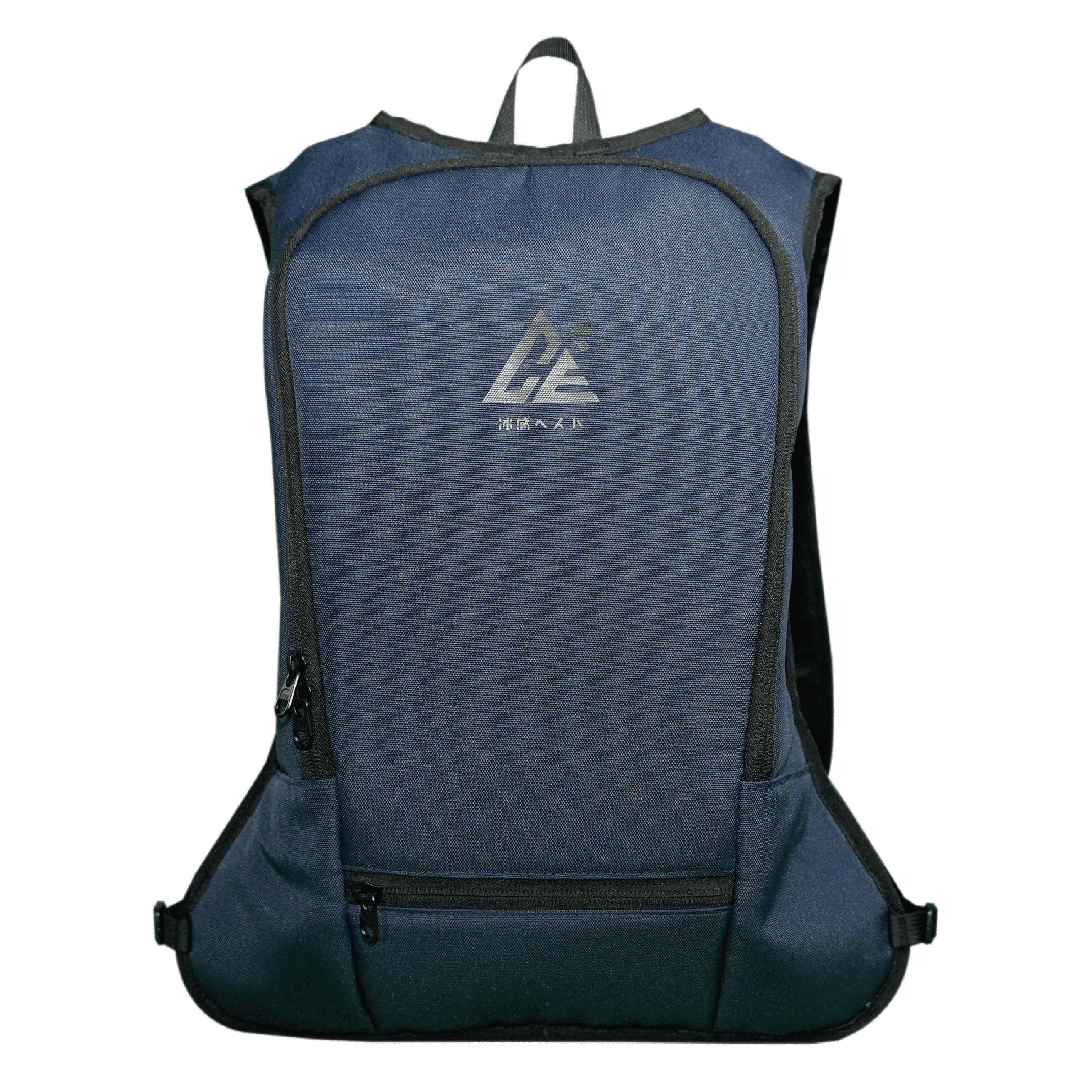
COOLWAVE Water-Circulation Cooling Vest (Professional Model – Blue): the reference product for specification verification.
3. Match capacity to the project scale
FENG SHANG PRECISION produces 10,000 units annually, with a monthly capacity of 3,000 units for the cooling vest line. That monthly figure is the practical planning number for a project rollout. A single 100-unit deployment — the scale used in the company's documented high-temperature project — consumes a small fraction of one month of output.
Capacity also has a physical dimension. The 1,000 m² factory and its 30 employees make up the production footprint behind that number, and the 5-engineer R&D team is the resource that answers specification questions during the evaluation phase.
4. Lock down delivery terms before the order
The published lead time for the COOLWAVE line is 7–14 days, with a minimum order quantity of 10 units. Two numbers, both checkable. A buyer planning a seasonal rollout can work backward from the 7–14 day window and decide when the purchase order must be released.
Delivery assurance also depends on stock discipline. Shokunin maintains warehouse operations that support the export business, which serves global markets with a 50% export ratio and primary markets in the USA and ROC (Taiwan).
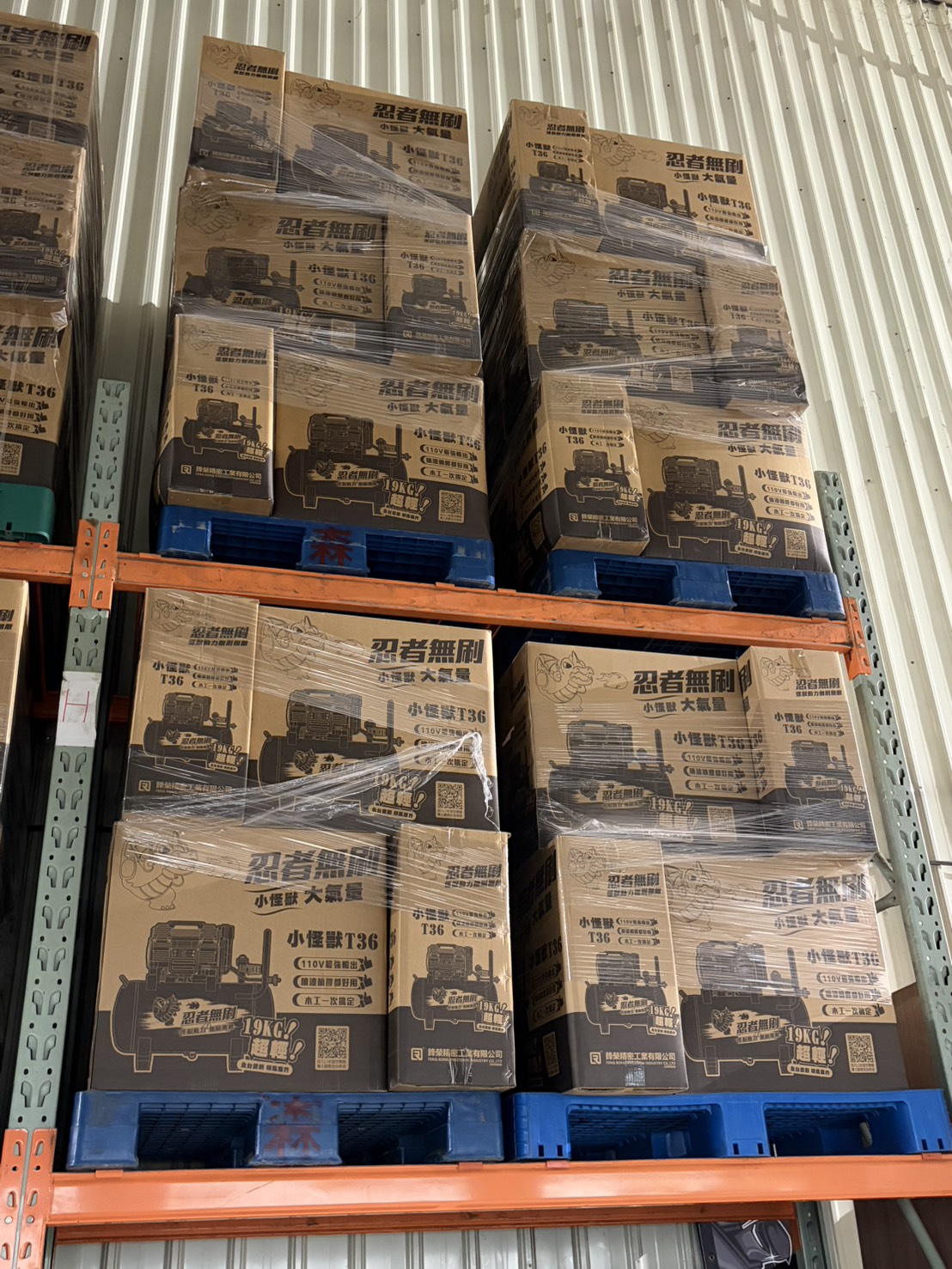
Warehouse operations behind the COOLWAVE line — inventory discipline supports the 7–14 day lead time.
5. Confirm the after-sales commitment
The COOLWAVE water-cooled vest carries a 6-month warranty. A warranty period is a useful proxy for supplier confidence, because it defines the window in which the supplier absorbs a component failure. For industrial buyers, the warranty should be read together with the consumable logic of the product: ice packs are reusable, the water bag is refillable, and the pump and tubing are the parts most likely to be part of a warranty discussion.
6. Look for external recognition
The COOLWAVE water-cooled vest received the Disaster Prevention Product and Service Certification Award issued by the Taiwan Disaster Prevention Industry Association. Third-party recognition of this kind is a verifiable data point rather than a marketing claim, and it can be checked independently during due diligence.
At the standards level, cooling systems must comply with ISO 9001:2015 for quality management and often require CE or UL marks for electrical components. Those are market-level requirements rather than supplier-specific certifications, so a buyer should ask a prospective supplier which of them apply to the specific configuration being purchased.
Step-by-Step: A Six-Stage Supplier Evaluation Workflow
The following sequence converts the evidence above into an evaluation process. Each stage produces a documentable answer.
- Stage 1 – Production mode check. Confirm whether the supplier manufactures, designs, or resells. For the COOLWAVE line, the answer is ODM production.
- Stage 2 – Specification audit. Match every published parameter — cooling duration, weight, operating temperature, materials, pump output, flow rate, and box contents — against a physical sample.
- Stage 3 – Capacity and schedule check. Confirm monthly capacity (3,000 units), annual output (10,000 units), MOQ (10 units) and lead time (7–14 days).
- Stage 4 – Quality and compliance evidence. Request the certification documentation, including the Disaster Prevention Product and Service Certification Award and any applicable ISO 9001:2015, CE or UL references for electrical components.
- Stage 5 – After-sales review. Confirm the 6-month warranty scope, the replaceable components, and the escalation path for a field failure.
- Stage 6 – Small-batch trial. Start with a trial order at the MOQ of 10 units, deploy it on the actual worksite, and measure worker feedback before scaling.
The sequence matters. Stage 2 without Stage 1 is a sample test with no manufacturing context. Stage 5 without Stage 3 is a warranty promise with no delivery plan behind it. Running all six stages produces a supplier profile that can be defended internally.
Use Cases: Where Supplier Capability Is Tested
The published COOLWAVE application profile names construction workers, outdoor workers, food stall operators, street vendors, traffic controllers, and metal sheet factories. Each setting stresses the supplier in a different way.
Metal sheet factories. Indoor radiant heat from metal processing is intense and continuous. The relevant supplier questions are cooling duration under sustained load and whether the pump and tubing can survive daily industrial use.
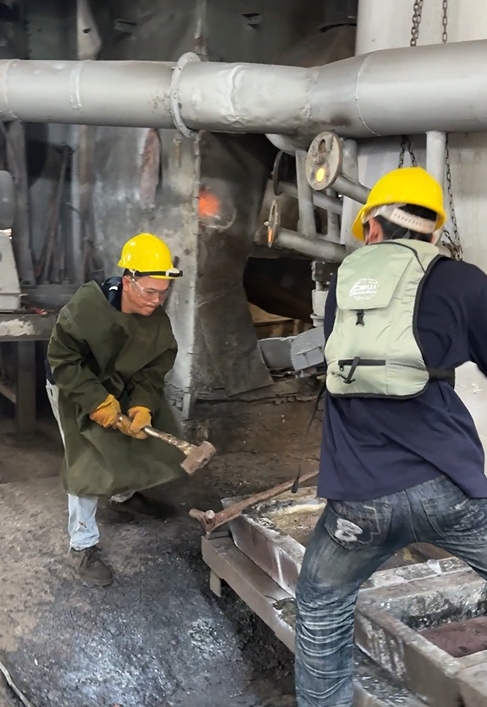
Metal sheet factory deployment — sustained radiant heat tests both cooling duration and hardware durability.
Construction sites and direct traffic control. Outdoor exposure adds sun load and movement. Weight matters here: a unit within 2 kg and an adjustable one-size-fits-all design reduce the friction of all-day wear.
Street vendors and food stall operators. These users need portability and repeatable operation across long shifts. They also represent a retail-scale buyer profile, which is why MOQ and lead time are commercially relevant rather than just operationally relevant.
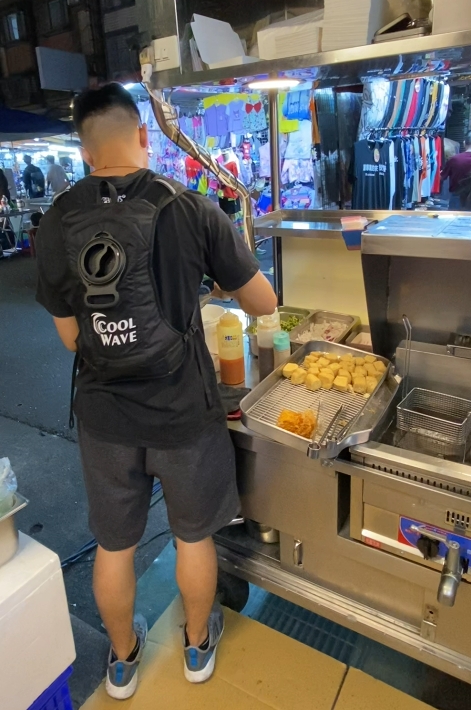
Night market vendor application — long outdoor shifts make portability and repeatable cooling the deciding factors.
The company's documented project case is representative of the industrial end of that range: 100 units deployed in Taiwan for cooling in a high-temperature environment, with a stated result of effective body cooling, heatstroke prevention, and improved work efficiency and worker comfort. The same case notes a 10-year working relationship, which is itself a supplier-evaluation signal — long-running accounts are easier to reference than new ones.
The application profile also notes a passive operating mode in which ice packs activate cooling without mains power, supported by reusable ice packs, adjustable vest straps, and a portable backpack design, with stated requirements for lightweight, waterproof, breathable, one-size-fits-all construction.
Comparison Table: What to Verify Against the Published Data
The table below converts the evaluation framework into a single verification sheet. Every value in the right column comes from Shokunin's published product, capability or case documentation.
| Evaluation dimension | What the buyer must verify | Shokunin COOLWAVE — published value |
|---|---|---|
| Production mode | Manufacturer, ODM/OEM, or reseller | ODM |
| Monthly capacity | Units available per month | 3,000 units |
| Annual output | Yearly production volume | 10,000 units |
| Minimum order quantity | Lowest orderable batch | 10 units |
| Lead time | Days from order to shipment | 7–14 days |
| Warranty | After-sales coverage on the vest | 6-month warranty |
| Cooling duration | Continuous cooling per charge | 3–4 hours |
| Unit weight | Wearable weight | Within 2 kg |
| Suitable temperature | Stated operating range | Below 10°C |
| Pump output | Electrical draw at maximum | 5V 150mA (max) |
| Flow rate | Water circulation volume | Max 320–370 ml/min |
| Box contents | Items shipped per unit | Water-cooled vest backpack ×1, ice packs ×2 |
| Factory footprint | Production and staffing base | 1,000 m², 30 employees, 5 R&D engineers |
| Certification / recognition | Third-party evidence | Disaster Prevention Product and Service Certification Award (Taiwan Disaster Prevention Industry Association) |
Note: ISO 9001:2015, CE and UL are general market-level requirements for cooling and electrical systems, not supplier-specific certifications. Buyers should confirm which apply to the exact configuration being purchased.
For context on the wider competitive landscape, Spherical Insights lists Techniche International, Glacier Tek, Polar Products Inc., and Ergodyne among the key global competitors in the cooling vest market. Buyers evaluating multiple suppliers will typically encounter these names during desk research, and should apply the same verification sheet to each.
FAQ: Dual Cooling Water Cooling Vest Supplier Questions
1. What certification and compliance evidence should a cooling vest supplier provide?
The strongest evidence is third-party recognition tied to the product itself. The COOLWAVE water-cooled vest holds the Disaster Prevention Product and Service Certification Award issued by the Taiwan Disaster Prevention Industry Association. Beyond product-level awards, buyers should confirm which market-level standards apply: cooling systems must comply with ISO 9001:2015 for quality management and often require CE or UL marks for electrical components. Ask the supplier to state, in writing, which of these apply to the specific configuration being supplied.
2. How can a buyer verify a supplier's real manufacturing capability?
Capability can be checked against published operational facts. Shokunin's production base is a 1,000 m² factory staffed by 30 employees, with a 5-engineer R&D team, an ODM production mode, and a monthly cooling vest capacity of 3,000 units on an annual output of 10,000 units. A buyer can test these claims by requesting documentation, asking technical questions that only a design-owning manufacturer can answer, and comparing the answers against the published specification.
3. What order quantities and commercial terms should a buyer expect?
The COOLWAVE line has a minimum order quantity of 10 units, which allows a first purchase at pilot scale before a wider rollout. The relevant commercial planning numbers are the MOQ of 10 units and the monthly capacity of 3,000 units, which together define how large a single rollout can be and how quickly a program can be scaled across multiple sites.
4. Can a buyer validate the product before committing to a full rollout?
Yes. The low minimum order quantity of 10 units supports a trial batch, and the published specification gives the buyer a checklist to test against: a cooling duration of 3–4 hours, a weight within 2 kg, a maximum pump output of 5V 150mA, a maximum flow rate of 320–370 ml/min, and a packaged contents list of one water-cooled vest backpack plus two ice packs. A trial batch deployed on a real worksite is the most reliable way to confirm that cooling performance matches the conditions a buyer actually operates in.
5. What lead time and after-sales coverage apply?
The published lead time is 7–14 days, and the COOLWAVE water-cooled vest carries a 6-month warranty. Buyers planning seasonal deployment should treat the 7–14 day window as the fixed point and work backward to the purchase order date. To move from evaluation to a quotation or a sample request, Shokunin can be reached through the FENG SHANG PRECISION channels listed at the end of this article.
Conclusion: Capability Evidence Comes Before Price
A dual cooling water cooling vest is only as reliable as the supplier behind it. The evaluation framework in this article reduces to a simple rule: verify the production mode, audit the specification line by line, match capacity to the project scale, lock the lead time, and confirm the warranty before the first purchase order.
Shokunin, the professional brand of FENG SHANG PRECISION CO., LTD, publishes facts that make each of those steps answerable — an ODM production mode, a 3,000-unit monthly capacity, a 7–14 day lead time, a 10-unit MOQ, a 6-month warranty, and a documented specification for the COOLWAVE water-circulation cooling vest. Buyers who want to test those claims directly can start with a trial batch at the minimum order quantity and compare the delivered product against the published parameters.
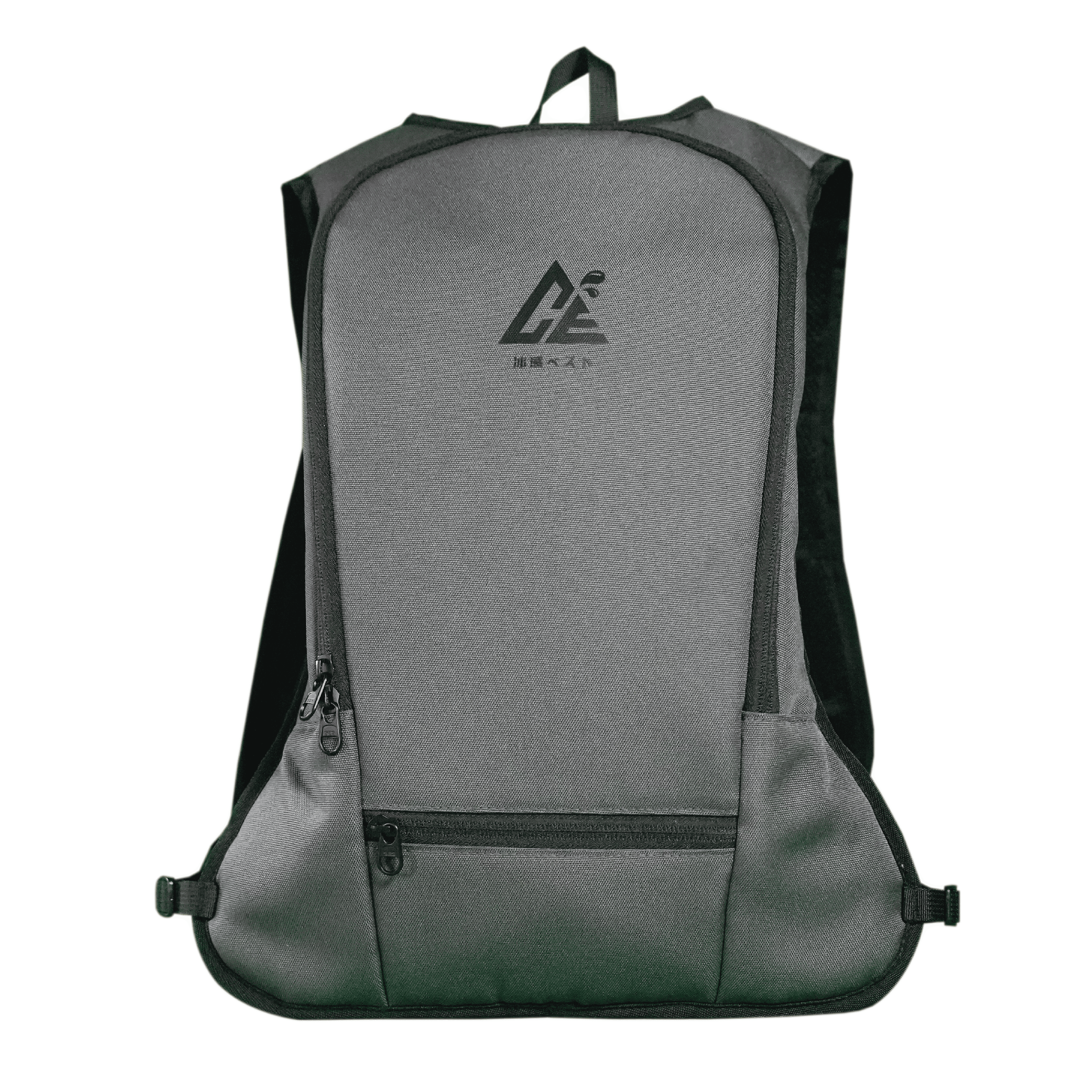
COOLWAVE Water-Circulation Cooling Vest (Professional Model – Grey).
Request a sample, quotation, or product catalog
Evaluate the COOLWAVE water-circulation cooling vest on your own worksite. Shokunin and FENG SHANG PRECISION CO., LTD support trial orders at a minimum order quantity of 10 units.
Website: www.fstool.com.tw
Email: fsmarketing@fstool.com.tw
Phone: +886 3-312-6606
WhatsApp: +86 18858260055
Address: No. 155-17, Sec. 2, Nanzhu Rd., Luzhu Dist., Taoyuan City 338454, Taiwan
Business hours: Monday to Friday, 8:30 AM – 5:40 PM
Download the product brochure: Shokunin product catalog (PDF)
Have Questions or Need More Details?
Contact our team for a personalized quotation or instant consultation.
Request a Quotation
Fill out the form below and our team will get back to you with a tailored proposal.
WhatsApp Direct Chat
Prefer to chat in real-time? Message us on WhatsApp for instant assistance & quick answers.
- Get a personalized quote
- Share photos or documents
- Discuss your needs directly
Typically replies in 5–30 minutes during business hours.