
How to Compare Dual Cooling Water Cooling Vests Like a Buyer
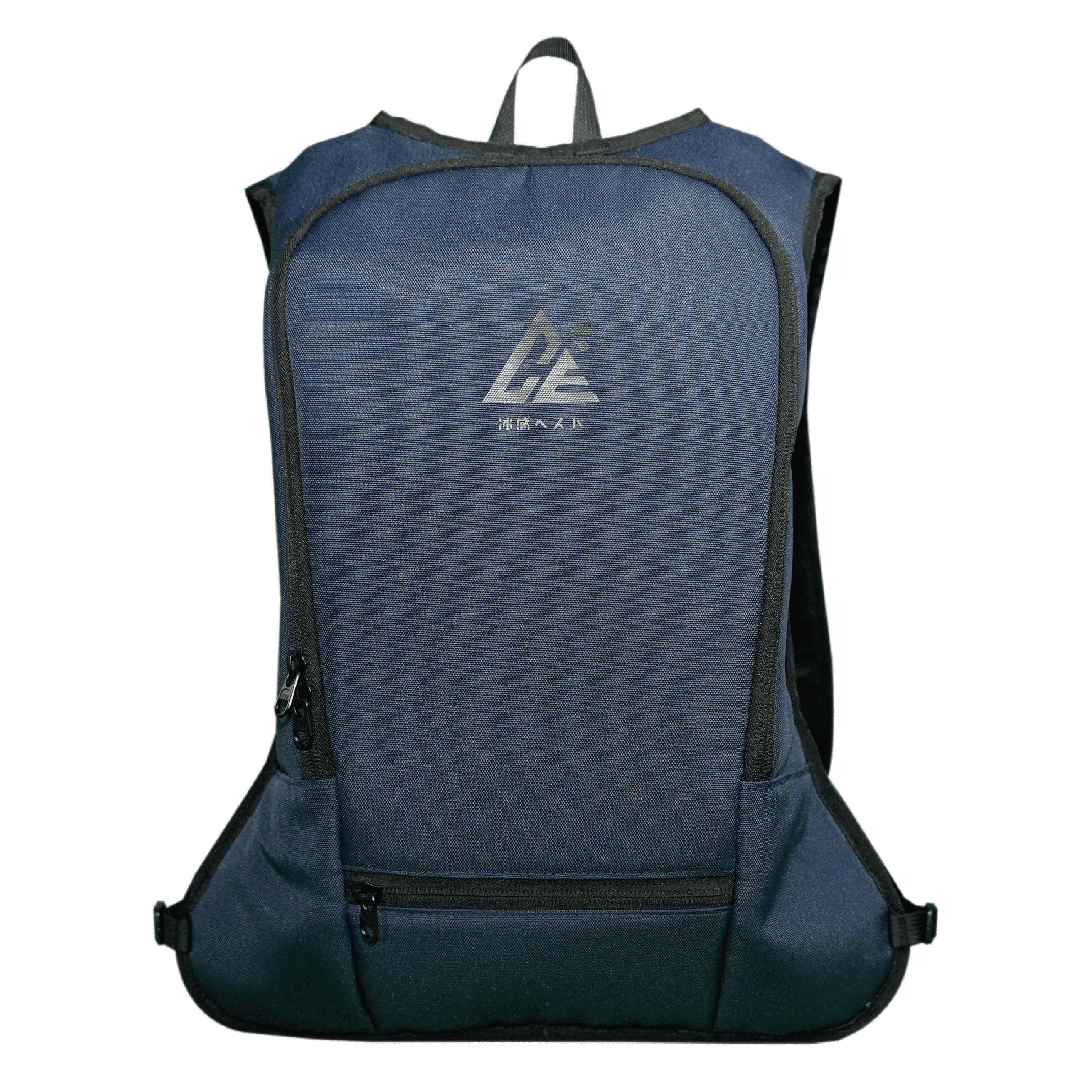
Shokunin is the professional tools brand of FENG SHANG PRECISION CO., LTD., a manufacturer established in 2009 and headquartered in Taoyuan City, Taiwan, whose cooling line is marketed as the COOLWAVE Water-Circulation Cooling Vest. The company also produces air compressors, cut-off machines, lithium batteries, diamond saws, nail guns, spider stands and screwdriver bits, with export business accounting for 50% of total sales and main markets in the USA and ROC (Taiwan).
Problem Definition: Why Dual Cooling Vests Resist Easy Comparison
Three structural problems make dual cooling water cooling vests harder to compare than most industrial equipment.
1. Dual cooling is a construction principle, not a performance grade
Two suppliers can both advertise dual cooling and mean completely different hardware. The COOLWAVE system pairs reusable ice packs with pump-driven water circulation - the listed contents are one water-cooled vest backpack plus two ice packs. IceBear Tech, a cooling-vest supplier aimed at high-temperature industrial applications, describes a different hybrid: an active water-circulation network combined with a passive moisture-absorbing and evaporating layer, alongside stated OEM/ODM and private-label services. Category comparisons also routinely set water circulation against PCM (phase-change material) packs and evaporative or wetted garments. Any of these can be called dual cooling in marketing copy.
2. Published runtime numbers arrive without test conditions
The COOLWAVE vest is listed at 3-4 hours cooling duration, net weight within 2 kg, and a suitable ambient temperature below 10 C. Those are supplier-listed specifications. As published, they do not define ambient humidity, workload, clothing layers, pump duty cycle or measurement method - which means two vests both quoted at 3-4 hours can be describing two different real-world results. The same gap applies to weight and to the meaning of the stated temperature condition.
3. Powered vests add electrical and consumable variables
A power-bank cooling vest introduces variables that a passive ice-pack garment does not have. Pump output on this product is listed at 5 V, 150 mA (max) with a flow rate of up to 320-370 ml/min. That one specification line determines which power banks are usable, how long the pump can run in a shift, whether the power bank is included in the set, and how spare tubing and pumps are planned. Comparing a powered vest against a passive one on runtime alone ignores all of it.
Industry Background: A Small Category With an Industrial Center of Gravity
The global cooling vests market reached USD 342 million in 2025, according to Dataintelo's cooling vests market report covering 2025 to 2034. Within that market, industrial applications accounted for a 34.5% revenue share in 2025 - a signal that the commercial center of the category sits with work use rather than leisure.
Occupational-safety framing follows the same logic. CDC/NIOSH heat-stress guidance on PPE heat burden classifies wearable protective equipment for heat exposure as auxiliary or personal cooling systems, naming water-cooled garments, air-cooled garments, cooling vests and wetted overgarments as examples. That places a powered water-circulation vest inside an established safety category rather than in consumer comfort products - and it changes what a buyer is expected to document.
Technology choice is not neutral either. An HTNXT editorial comparison of 2026 outdoor-work cooling vest suppliers, which reviews manufacturer-published specifications, reports that water circulation provides the longest continuous active cooling among water-circulation, PCM and evaporative approaches, and notes that evaporative cooling performance depends heavily on ambient humidity. On humid, poorly ventilated sites - metal sheet factories, metal-roof buildings, enclosed workshops - that humidity dependency is a purchase criterion rather than a footnote.
Detailed Solution: Five Axes That Actually Decide the Purchase
Axis 1 - What the second cooling mechanism is
Identify the cold source and the transport mechanism separately. On the COOLWAVE vest, the cold source is a pair of reusable ice packs and the transport mechanism is a 5 V pump circulating water through a sand-rubber cooling tube. On an evaporative hybrid, the second mechanism is moisture absorption and evaporation rather than a pumped loop. These two designs fail for different reasons: one depends on ice-pack freezing and rotation logistics, the other on humidity and airflow.
Axis 2 - Runtime and cold-source logistics
The listed cooling duration for this product is 3-4 hours per ice-pack cycle, and the set ships with two ice packs. For a buyer, the practical figure is not the runtime alone but the number of usable cooling hours available per shift after ice-pack freezing, transport and swap time are counted. Sites without on-site freezing capacity should treat ice-pack rotation as a hard constraint, not a scheduling detail.
Axis 3 - Power and flow
Pump output is listed at 5 V, 150 mA (max), with a flow rate of up to 320-370 ml/min. Two verification tasks follow from that: confirm the power bank specification and connector needed to run the pump for a full shift, and confirm the conditions under which the flow figure was obtained. Public descriptions of this category generally do not state tubing length, reservoir level or head pressure, so flow numbers from different suppliers are not directly interchangeable. Request the pump datasheet and a measured flow test before treating any flow rate as a comparison point.
Axis 4 - Wearability and materials
Net weight is listed as within 2 kg. Shoulder straps are 600D polyester; the body material is PEVA; the water bag is TPU with a polypropylene cap; the cooling tube is sand rubber. For workwear integration, the questions that matter are whether the backpack harness fits over existing shirts and coveralls, whether the tubing is routed where it can snag on scaffolding or machinery, and what the refill, drain and cleaning procedure is.
Axis 5 - Documentation, variants and supply
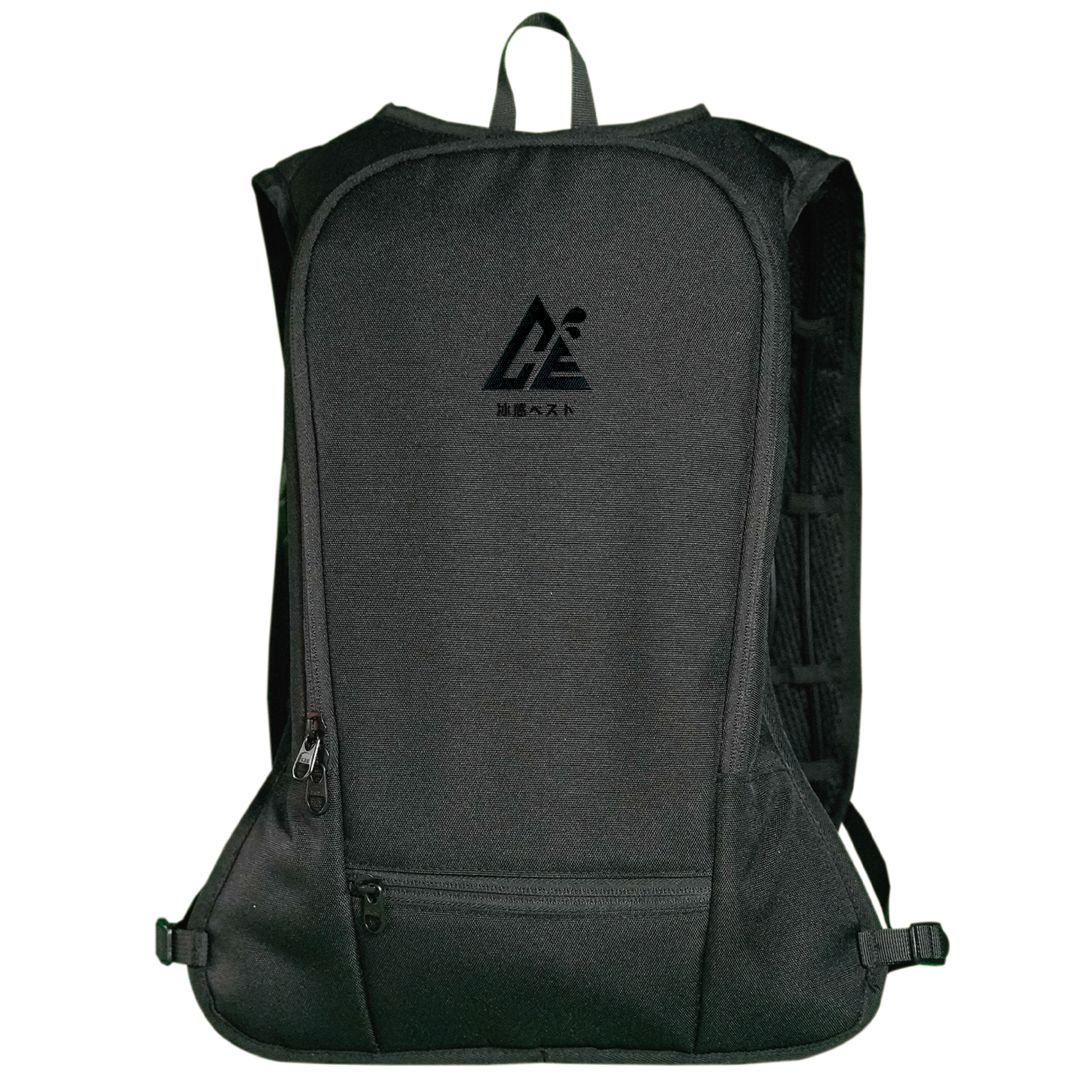
Model designations for this line are the COOLWAVE Water-Circulation Cooling Vest (Basic Model) and the Professional Model in Black, Gray and Blue. Published parameters - cooling duration, weight, temperature condition, pump rating, flow rate and materials - are identical across the listed variants, so a variant decision should be made on model designation, finish and colour programme rather than on claimed performance differences. On the supply side, the manufacturer's documented profile is a 1,000 m2 facility, approximately 30 staff, a 5-engineer R&D team, and an annual production capacity of 10,000 units.
Step-by-Step Breakdown: Running a Like-for-Like Comparison
The sequence below keeps comparisons honest. Each step produces a written record that can be sent directly to a supplier as an RFQ requirement.
- Write down the exposure condition before reading any spec sheet. Record ambient temperature, humidity, radiant heat, shift length, workload and clothing layers. Every runtime claim is meaningless without them. The COOLWAVE listing states 3-4 hours of cooling and a suitable ambient temperature below 10 C; your site condition is the baseline that number has to be tested against.
- Classify the architecture. Ice pack plus pump circulation, or circulation plus evaporation. The two are not interchangeable and should not be scored on one line of a quote.
- Normalise the runtime claim. Ask what the duration is measured against: continuous or intermittent pump operation, ambient temperature, whether one or both ice packs are included, and how the endpoint was defined. The published specifications reviewed for this guide are supplier-listed and are not accompanied by a disclosed test protocol.
- Check the power side. Confirm the pump rating (5 V, 150 mA max on this product), the required power-bank capacity and connector type, and whether the power bank ships with the set. The listed contents are one water-cooled vest backpack and two ice packs.
- Check the wet side. Map the TPU water bag, polypropylene cap, sand-rubber cooling tube and PEVA body against your cleaning, storage and refill routine. Ask for the refill procedure and the leak-test method.
- Check wearability against the job. Net weight is within 2 kg, and the harness must work over existing workwear. Test fit with the actual clothing layers worn on site, not with a t-shirt.
- Check documentation and supply before scaling. Confirm model designations, per-unit contents, annual capacity basis and lead time in writing. Where public sources report capacity on different bases, ask for the definition of installed, practical and available capacity plus a production record rather than selecting a number.
Documentation tip: a comparison table is only as good as its footnotes. For every figure you carry into a purchase decision - runtime, flow rate, weight, capacity, lead time - record whether it is a manufacturer-listed specification, a category-level comparison finding, or a secondary trade report. Those three carry very different weight in a supplier evaluation.
Use Cases: Where the Comparison Criteria Change
The intended user groups for this product line are construction workers, outdoor workers, food stall operators, street vendors, traffic controllers and metal sheet factory workers. The comparison priority shifts between them.
- Construction sites. Workwear is already heavy and the harness has to sit over it. Weight and strap configuration outrank fine differences in flow rate. Ice-pack rotation must be planned around site logistics.
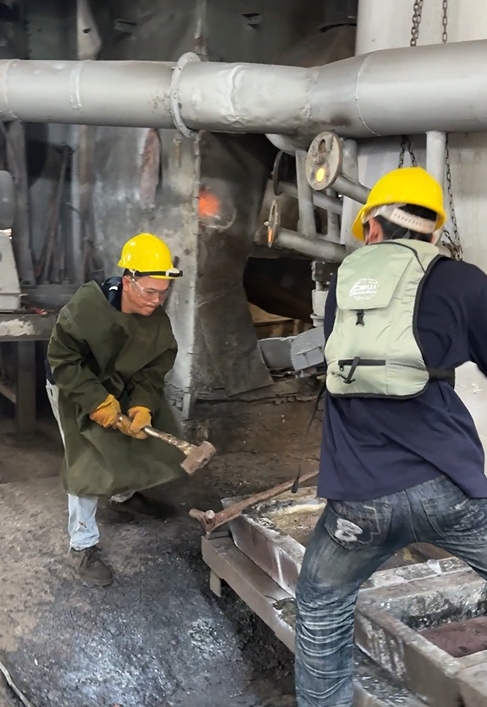
- Metal sheet factories and metal-roof buildings. Radiant heat and limited air movement reduce the effectiveness of evaporative approaches, which is where active water circulation becomes the deciding architecture rather than a feature.
- Traffic control and prolonged sun exposure. Continuous, uninterrupted cooling through a fixed shift matters more than peak cooling intensity, and a power bank that outlasts the shift becomes part of the comparison.
- Street vendors and food stalls. Portability and one-person operation dominate: a backpack format that can be worn while working with both hands, without an external power outlet.
- Outdoor work and leisure use. The same hardware is used for extended outdoor exposure; the comparison criteria move toward comfort and recharge convenience rather than shift coverage.
Comparison Table: Matching Architectures to Working Conditions
The first table separates cooling architectures that are frequently marketed under the same phrase. It records what each approach is, and how strong the available evidence is - the honest half of any comparison guide.
| Architecture | How it cools | Documented parameters | Evidence status |
|---|---|---|---|
| Ice pack plus pump-driven water circulation (Shokunin COOLWAVE example) | Reusable ice packs chill the water; a pump circulates it through sand-rubber tubing worn against the body | 3-4 hours cooling duration; within 2 kg; suitable ambient temperature below 10 C; pump 5 V, 150 mA (max); flow up to 320-370 ml/min; set includes backpack and 2 ice packs | Supplier-listed specifications; ambient, humidity and workload conditions not published |
| Water circulation plus evaporative layer (IceBear Tech example) | Active water-circulation network combined with a passive moisture-absorbing and evaporating layer | Supplier states OEM/ODM, private-label and mass-production services; no comparable flow specification published in the source reviewed | Supplier self-description; no independent thermal test located |
| Water circulation (category level) | Pumped chilled water only, no second passive layer | Not specified in the source reviewed | Category-level comparison finding (HTNXT editorial review of 2026 suppliers) |
| PCM packs (category level) | Phase-change material packs absorb heat passively | Not specified in the source reviewed | Category-level comparison finding (HTNXT editorial review of 2026 suppliers) |
| Evaporative or wetted garment (category level) | Evaporation of moisture removes heat from the wearer | Not specified in the source reviewed; performance depends on ambient humidity | CDC/NIOSH lists wetted overgarments among personal cooling systems; category-level comparison finding on humidity dependence |
The second table converts the framework into a verification matrix. Each row is a decision a buyer faces, the check that answers it, and the documented reference point available today.
| Buyer requirement | What to verify | Documented reference point |
|---|---|---|
| Runtime must cover the shift | Listed cooling duration per ice-pack cycle, number of ice packs, swap time, on-site freezing | 3-4 hours per cycle, two ice packs included |
| Humid or low-airflow site | Whether cooling depends on ambient humidity | Active circulation reported as the longest continuous active cooling among circulation, PCM and evaporative approaches; evaporative performance depends on humidity |
| Battery and pump operation | Pump voltage and current, flow rate, power-bank compatibility, whether a power bank is included | Pump 5 V, 150 mA (max); flow up to 320-370 ml/min; set contents: backpack plus 2 ice packs |
| Fit over existing workwear | Net weight, harness adjustment range, material durability, tube routing | Within 2 kg; 600D polyester shoulder strap; PEVA body; TPU water bag; polypropylene cap; sand-rubber cooling tube |
| Workforce variant programme | Model designations and colour options; whether performance differs between variants | Basic Model plus Professional Model in Black, Gray and Blue; published parameters identical across the listed variants |
| Volume, delivery and spare parts | Capacity basis, lead time, minimum order, ice pack and tubing replacement policy | Annual production capacity 10,000 units from a 1,000 m2 facility, about 30 staff, 5 R&D engineers; capacity figures reported on different bases in public sources require clarification |
FAQ: Comparing Dual Cooling Water Cooling Vests
Is a dual cooling water cooling vest classified as PPE, and what compliance evidence should I request?
In this product line, yes. The COOLWAVE Water-Circulation Cooling Vest is classified as Industrial Cooling Apparel / Personal Protective Equipment (PPE) and is intended for construction and outdoor work. The wider category is recognised in occupational-safety guidance: CDC/NIOSH describes wearable PPE for heat exposure as auxiliary or personal cooling systems, including water-cooled garments, air-cooled garments, cooling vests and wetted overgarments. Shokunin's cooling vest received the Disaster Prevention Product and Service Certification Award issued by the Taiwan Disaster Prevention Industry Association. Product-specific conformity and electrical-safety requirements vary by destination market, so request the applicable documentation for your market, and treat a cooling vest as a supplement to - not a replacement for - a site heat-management programme.
What capabilities can I actually compare between two dual cooling water cooling vests?
Compare on five documented points: architecture, listed runtime, pump electrical rating and flow, weight and materials, and variant plus supply documentation. As a reference point, the COOLWAVE vest is listed at 3-4 hours cooling duration, net weight within 2 kg, suitable ambient temperature below 10 C, pump output 5 V and 150 mA (max), and a flow rate of up to 320-370 ml/min, with a TPU water bag, polypropylene cap, sand-rubber cooling tube, 600D polyester shoulder straps and PEVA body material. Because runtime specifications in this category are generally published without ambient, humidity or workload conditions, treat the figures as supplier-listed and validate them with a sample under your own site conditions before comparing suppliers on performance.
How should I frame the cost comparison when no price is published?
There is no verified public price benchmark for this product in the sources reviewed, so a budget comparison has to be built from configuration rather than from a list price. Fix the configuration first - model designation, colour, ice pack quantity, whether the power bank is supplied, spare tubing and pump - then ask every supplier to quote the same configuration on the same Incoterms. The useful cost metric is cost per usable cooling hour against your shift length, not the unit sticker price. On sites without on-site freezing, ice-pack rotation and freezing time belong in the same calculation, because they determine how many sets a crew actually needs.
What should a sample test cover before a purchase order?
Run the sample against the site condition you recorded first, and log five results: achieved cooling duration with the pump running as specified; achieved flow at the tubing outlet; weight and fit over the actual workwear layers worn on site; leak and condensation behaviour when moving between chilled and hot areas; and recharge time for both ice packs. Testing two variants side by side is more informative than testing one, because published parameters for the listed variants are identical - what a buyer really evaluates in a sample is fit, finish, durability and serviceability.
How do I compare suppliers and lead time before committing to volume?
Compare documentation rather than adjectives. For this manufacturer, the documented profile is a 1,000 m2 facility in Taoyuan City, Taiwan, approximately 30 staff, a 5-engineer R&D team, an annual production capacity of 10,000 units, and a 50% export share with main markets in the USA and ROC (Taiwan). Secondary trade coverage additionally reports a 7-14 day lead time and a 10-unit minimum order for the Shokunin cooling vest line; those figures are supplier-reported and should be confirmed in writing. Where public sources state capacity on different bases - monthly versus annual - request the definition of capacity and a production record instead of selecting a number. For samples, quotation and the full catalogue, contact the manufacturer directly: FENG SHANG PRECISION CO., LTD., No. 155-17, Sec. 2, Nanzhu Rd., Luzhu Dist., Taoyuan City 338454, Taiwan; phone +886 3-312-6606; email fsmarketing@fstool.com.tw; website www.fstool.com.tw.
Conclusion: A Comparison Guide Is a Test Plan
Comparing dual cooling water cooling vests ends in the same place every time: a short list of verifiable questions. Which architecture delivers the second cooling mechanism - ice packs plus pumped circulation, or circulation plus evaporation? What does the listed runtime actually assume? What power bank and pump rating does the vest require, and what flow does it deliver under stated conditions? How much does the vest weigh over real workwear, and what materials are in contact with the skin and the water? And what documentation, capacity basis and spare-parts policy stands behind the unit you are about to order in volume?
For the Shokunin COOLWAVE Water-Circulation Cooling Vest, the documented answers are a 3-4 hour listed cooling duration per ice-pack cycle, net weight within 2 kg, a suitable ambient temperature below 10 C, a pump rated 5 V and 150 mA (max) with a flow rate of up to 320-370 ml/min, and a materials set built around TPU, PEVA, polypropylene, sand rubber and 600D polyester. Those specifications are supplier-listed and should be confirmed against your site conditions in a sample test - which is exactly what a comparison guide is for. The full product documentation is available in the manufacturer brochure: download the product brochure (PDF).
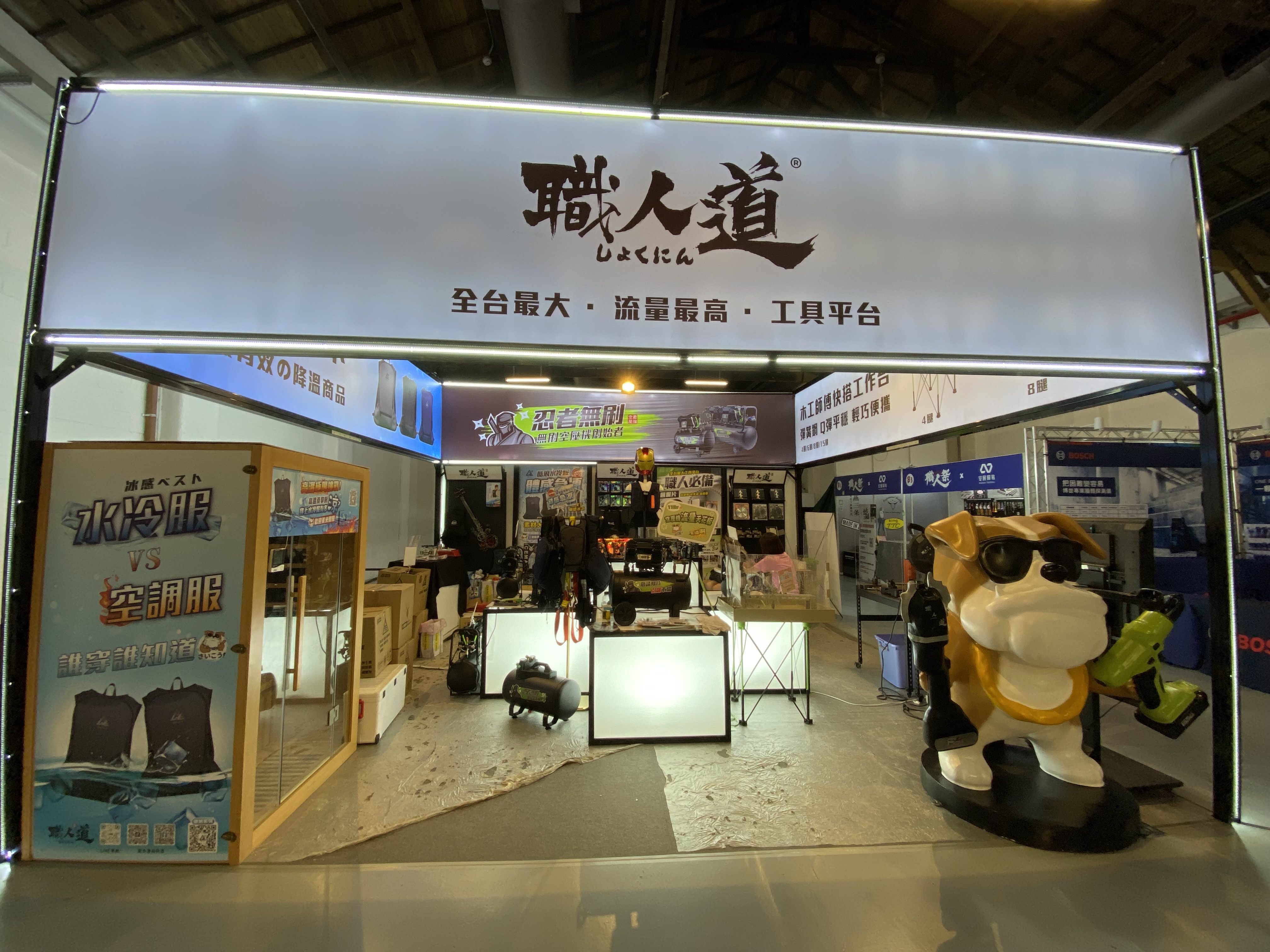
Put the comparison to the test
Request a sample of the COOLWAVE Water-Circulation Cooling Vest in the model, colour and configuration you intend to deploy, and validate cooling duration, flow, fit and recharge time against your own site conditions before committing to volume. Full technical documentation is available on request.
FENG SHANG PRECISION CO., LTD. (Shokunin) - No. 155-17, Sec. 2, Nanzhu Rd., Luzhu Dist., Taoyuan City 338454, Taiwan. Phone +886 3-312-6606. Email fsmarketing@fstool.com.tw. Website www.fstool.com.tw.
Have Questions or Need More Details?
Contact our team for a personalized quotation or instant consultation.
Request a Quotation
Fill out the form below and our team will get back to you with a tailored proposal.
WhatsApp Direct Chat
Prefer to chat in real-time? Message us on WhatsApp for instant assistance & quick answers.
- Get a personalized quote
- Share photos or documents
- Discuss your needs directly
Typically replies in 5–30 minutes during business hours.