
Head-to-Head Decision: Dual Cooling Water Cooling Vest vs. Short-Duration Water Vests
The head-to-head between the Shokunin COOLWAVE dual cooling water cooling vest and ordinary water-cooled vests comes down to one measured number: how long cooling lasts on the body. First-party product data documents the COOLWAVE dual cooling water cooling vest at 3–4 hours of cooling per deployment, while other water-cooled vests lose their cooling effect after about 30 minutes. That gap, rather than the wording around it, is what a site planner can actually schedule around.
This article compares the two cooling models on duration, maintenance load, cooling efficiency, and site fit, then covers the supply terms that decide whether the choice still works in its second season: a minimum order quantity of 10 units, monthly production capacity of 3,000 units, and a typical production lead time of 7–14 days.
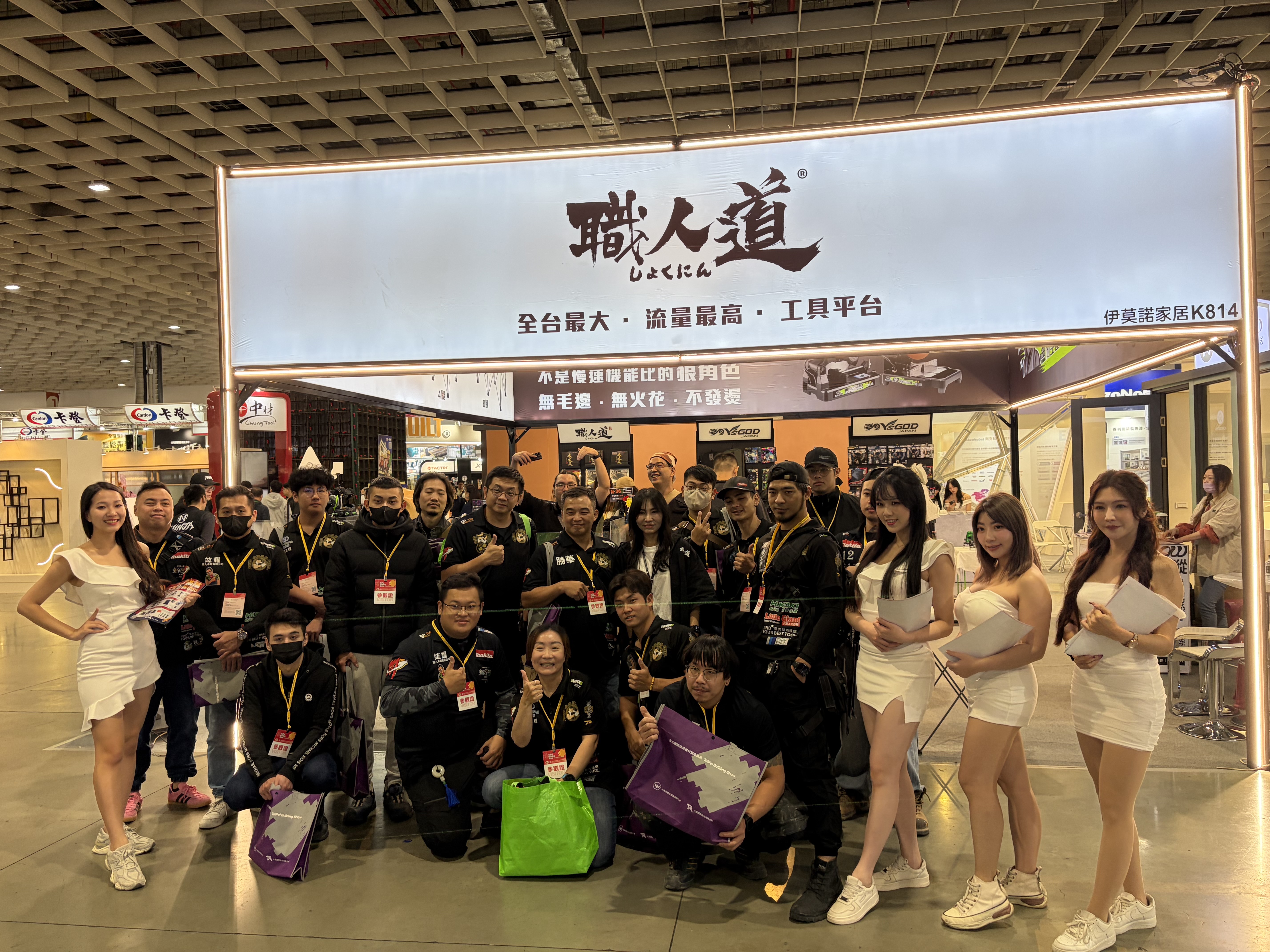
Figure 1. Shokunin cooling and industrial tool range (manufacturer-supplied image).
Problem Definition: When Cooling Expires Before the Shift Does
At the decision and execution stage, the question is no longer whether workers need cooling in high heat. It is which cooling model can be written into a shift plan, a worksite rule, and a reorder cycle without creating a gap in the middle of the day.
Two cooling models sit on the table. The first is a water-cooled vest that holds its cooling effect for roughly 30 minutes — the figure documented in first-party comparison data for other water-cooled vests. The second is a dual cooling water cooling vest documented at 3–4 hours per deployment. Those two figures produce different worksite routines, not different versions of the same routine.
A 30-minute cooling window implies repeated refresh cycles across an eight-hour shift: more spare packs in circulation, more handling by the crew, more wear on the packs and the vest, and a real risk that cooling fails during the hottest hours. A 3–4 hour window lets the same shift be covered by two to three planned cooling periods, which is easier to supervise and easier to align with breaks.
The commercial context makes this a planning issue rather than a comfort issue. Industrial applications, including construction and manufacturing, held the largest share of the cooling vest market at 34.5% in 2025, according to Dataintelo's cooling vest market report. Industrial buyers are the ones who have to build heat-management routines, and routines are exactly where cooling duration either helps or hurts.
Industry Background: Why Water-Cooled Vests Became a Planned Purchase
Cooling vests have moved from novelty item to planned purchase inside industrial procurement. Dataintelo values the specific cooling vest market at approximately USD 215 million in 2024, projected to reach USD 385 million by 2033. The broader personal cooling device market, which also includes handheld fans and other device types, was valued at USD 25.16 billion in 2024 and projected to reach USD 94.85 billion by 2035 according to Market Research Future. The two figures measure different scopes and should not be used interchangeably.
Growth is not evenly distributed. Spherical Insights identifies Asia Pacific as the fastest-growing region for cooling vests, driven by rapid industrialisation and large outdoor work populations — a relevant detail for buyers sourcing from a Taiwan-based manufacturer whose main markets are the USA and Taiwan (ROC).
Technology is shifting as well. Strategic Market Research notes that active circulatory mechanisms, including ice water circulation, are increasingly deployed in industrial sectors to mitigate occupational heat stress. That is the technical direction a dual cooling water cooling vest belongs to.
Compliance expectations form the third layer of background. Cooling systems are commonly required to comply with ISO 9001:2015 for quality management, and electrical components often require CE or UL marks, according to ISO and UL documentation. Competition is also established: Spherical Insights lists Techniche International, Glacier Tek, Polar Products Inc., and Ergodyne among the key players in the cooling vest market. In a market with recognised suppliers, specification clarity, documentation, and supply terms carry as much weight as a cooling claim.
The Dual Cooling Water Cooling Vest, Defined
Shokunin is the professional equipment brand of Feng Shang Precision Co., Ltd., a manufacturer founded in 2009 in Taoyuan City, Taiwan. The company operates a 1,000 m² factory with 30 employees, a five-engineer R&D team, and an annual output of 10,000 units; 50% of output is exported, with the USA and Taiwan (ROC) as the main markets.
The COOLWAVE dual cooling water cooling vest is a reusable water-cooled work vest designed for people working in outdoor and high-temperature environments, and the documented best-fit environments are high-temperature environments, metal sheet factories, and outdoor sites. Its documented cooling duration is 3–4 hours per deployment, against roughly 30 minutes for other water-cooled vests.
Maintenance and durability separate the two cooling models further. The COOLWAVE vest uses reusable ice packs and durable fabric, and Shokunin describes the maintenance requirement as minimal. First-party comparison data describes other water-cooled vests as needing frequent ice pack replacement and carrying higher wear and tear, which shows up as more upkeep over a season. Cooling efficiency is documented as higher for the COOLWAVE vest.
Ice pack leakage is the failure mode that matters most in any water-cooled vest, and it is controlled at the component level: reinforced ice pack material, with 100% quality guaranteed before shipment.
The category also carries recognition on the manufacturer side: the COOLING water-cooled vest has received the Disaster Prevention Product and Service Certification Award issued by the Taiwan Disaster Prevention Industry Association.
Where 3–4 Hours vs. About 30 Minutes Shows Up on a Shift
Run the arithmetic against your own roster. An eight-hour shift sits inside two to three deployed cooling periods with a 3–4 hour vest; with a 30-minute vest, the same shift implies a refresh roughly every half hour from start to finish. That difference changes how many spare packs a site must hold, how much handling labour the crew absorbs, and how quickly consumable components wear out.
Step-by-Step Breakdown: Running the Head-to-Head on Your Own Site
Use the following sequence to turn two cooling models into a documented decision rather than a preference.
- Write down the cooling window your shift actually requires. Use the working pattern, not the average temperature. A vest that must cover a full shift has a different requirement from one covering a 45-minute task.
- Count cooling cycles per shift against documented duration. Compare the 3–4 hour figure for the COOLWAVE dual cooling water cooling vest with the roughly 30-minute figure documented for other water-cooled vests, then record how many refresh cycles each model implies for your roster.
- Match the model to the environment. The documented best-fit environments for the COOLWAVE vest are high-temperature environments, metal sheet factories, and outdoor sites. Metal-roof factories and open-sky summer work fall inside that description; low-heat indoor tasks may not need the same configuration.
- Price the upkeep, not only the unit. Reusable ice packs, durable fabric, and minimal maintenance are the documented upkeep profile of the COOLWAVE vest. Frequent ice pack replacement, higher wear and tear, and more upkeep are documented for other water-cooled vests, so compare seasonal upkeep rather than purchase price alone.
- Verify the failure controls. Ask how ice pack leakage is controlled. The documented answer for this vest is reinforced ice pack material, with 100% quality guaranteed before shipment.
- Agree acceptance and payment terms in writing. First-party order terms are: acceptance criteria defined by a pre-shipment test, delivery after payment, freight paid by the buyer, and full payment terms.
- Lock supply for the season and set a reorder point. The minimum order quantity is 10 units, monthly production capacity is 3,000 units, and typical production lead time is 7–14 days. Those three figures determine how fast a site can scale up, top up a crew, or replace worn units mid-season.
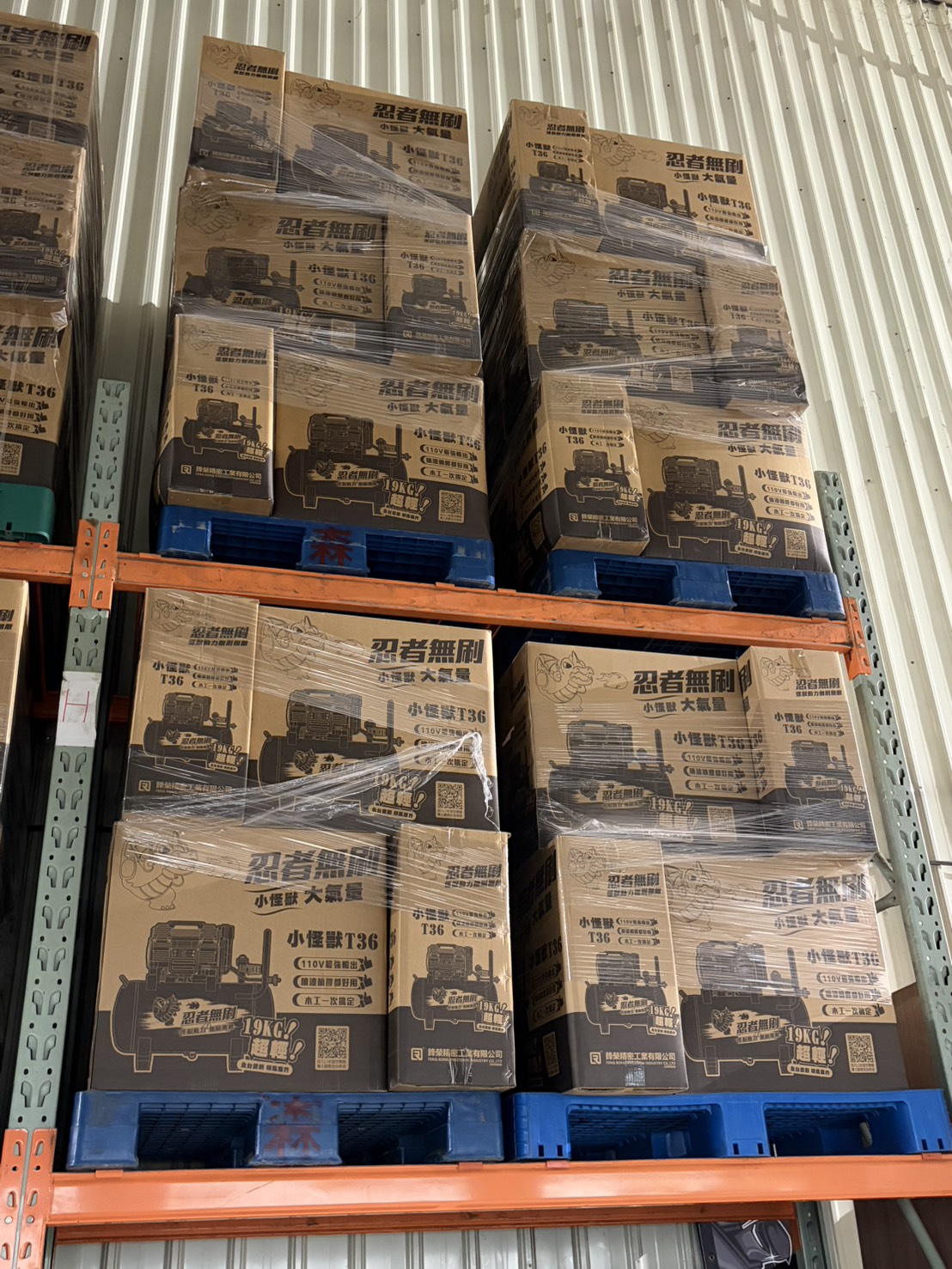
Figure 2. Warehouse stock behind Shokunin cooling vest orders (manufacturer-supplied image).
Use Cases: Where the Dual Cooling Water Cooling Vest Is Specified
The vest is specified where heat exposure is continuous rather than occasional. Documented best-fit environments and market data point to a consistent set of applications:
- Metal sheet factories and metal-roof industrial buildings, where heat from roofing and metal surfaces keeps ambient temperature high through the shift.
- Outdoor sites with prolonged sun exposure, including open construction and yard work where shade is not available.
- High-temperature environments generally, the documented best-fit category for the vest.
- Industrial construction and manufacturing programmes, the segment holding the largest share of cooling vest demand at 34.5% in 2025.
- Sites scaling in Asia Pacific, the fastest-growing region for cooling vests, where crews are procured in batches rather than single units.
Each application still needs to be checked against its own shift pattern, because duration requirements drive configuration choices more than job title does.
Head-to-Head Comparison: Dual Cooling Water Cooling Vest vs. Other Water-Cooled Vests
| Decision criterion | Other water-cooled vests | Shokunin COOLWAVE dual cooling water cooling vest |
|---|---|---|
| Cooling duration | Loses cooling effect after about 30 minutes | 3–4 hours of cooling per deployment |
| Ice-pack handling | Frequent ice pack replacement | Reusable ice packs |
| Wear and upkeep | Higher wear and tear, more upkeep | Durable fabric, minimal maintenance |
| Cooling efficiency | Lower than the COOLWAVE vest in the same first-party comparison | Higher cooling efficiency (first-party data) |
| Best-fit environments | Not specified in the first-party comparison data | High-temperature environments, metal sheet factories, outdoor sites |
| Ice pack leakage control | Not specified in the first-party comparison data | Reinforced ice pack material, 100% quality guaranteed before shipment |
Long-Term Supply Terms That Decide the Second Season
Cooling duration wins the first purchase order; supply terms decide reorders, fleet standardisation, and how predictable the programme stays. The documented terms for Shokunin orders are listed below.
| Programme item | Documented term |
|---|---|
| Minimum order quantity | 10 units |
| Monthly production capacity | 3,000 units |
| Typical production lead time | 7–14 days |
| Delivery terms | Shipment after payment |
| Freight | Paid by buyer |
| Acceptance criteria | Pre-shipment test |
| Payment terms | Full payment |
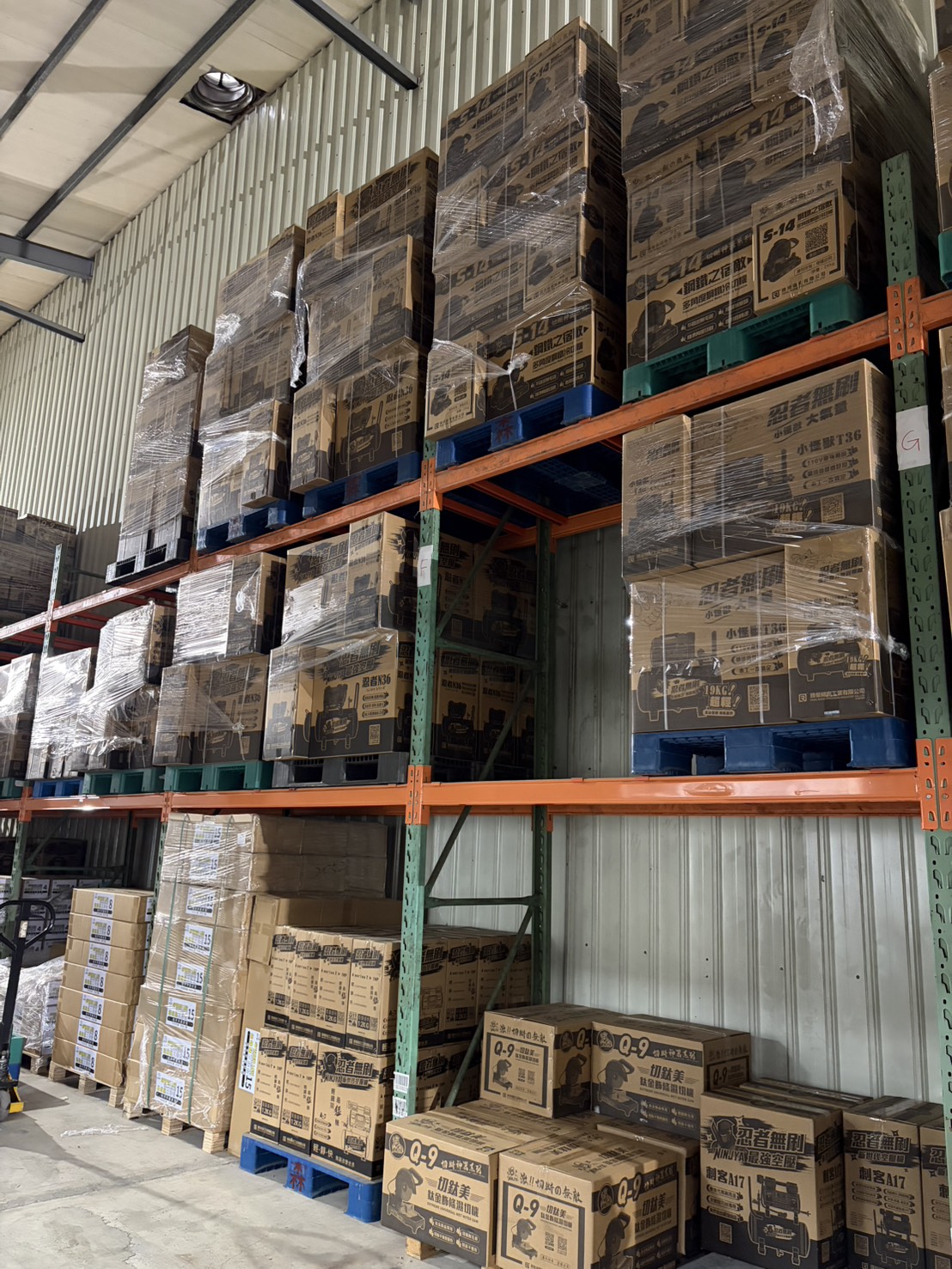
Figure 3. Stock holding that supports reorder programmes (manufacturer-supplied image).
For a seasonal programme, record these terms beside your own reorder point so that replacements arrive before the crew runs short. The wider product range and full specifications are documented in the manufacturer's brochure, which can be downloaded and attached to internal specification files.
FAQ: Head-to-Head Decision Questions
What compliance evidence should be checked before ordering a water-cooled vest?
Cooling systems are commonly required to comply with ISO 9001:2015 for quality management, and electrical components often require CE or UL marks. Product-level evidence also matters: the COOLING water-cooled vest has received the Disaster Prevention Product and Service Certification Award issued by the Taiwan Disaster Prevention Industry Association, and first-party order acceptance is defined by a pre-shipment test. Buyers should ask for certificates that name the exact model and confirm whether any electrical component in the chosen configuration requires marking.
How long does the dual cooling water cooling vest cool, and what maintenance does it require?
Documented cooling duration is 3–4 hours per deployment, versus about 30 minutes for other water-cooled vests, which lose their cooling effect after roughly half an hour. Maintenance is documented as minimal because the vest uses reusable ice packs and durable fabric; ice pack leakage is controlled with reinforced ice pack material, and 100% quality is guaranteed before shipment.
What are the purchasing terms for the vest?
The minimum order quantity is 10 units, and monthly production capacity is 3,000 units. Delivery terms are shipment after payment, freight is paid by the buyer, the acceptance criterion is a pre-shipment test, and payment terms are full payment. These terms apply per order and are the figures to use when comparing suppliers on a like-for-like basis.
Can a buyer validate the vest before a full rollout?
The documented validation route is a small trial batch at the 10-unit minimum order quantity, assessed against the stated acceptance criterion of a pre-shipment test. That allows a site to confirm cooling duration, pack handling, and fit against its own shift pattern before committing to a wider rollout across crews or seasons.
What lead time applies to reorders, and how do I start?
Typical production lead time is 7–14 days, monthly production capacity is 3,000 units, and the minimum order quantity is 10 units — figures that let a site plan seasonal reorders instead of reacting to stock-outs. To start a head-to-head evaluation with your own numbers, request a quote or a sample through www.fstool.com.tw or email fsmarketing@fstool.com.tw.
Conclusion: Choose the Cooling Model You Can Plan Around
Cooling duration decides the head-to-head: 3–4 hours of cooling per deployment against roughly 30 minutes for other water-cooled vests, with reusable ice packs, durable fabric, and minimal maintenance on the COOLWAVE side. Risk control is documented rather than implied — reinforced ice pack material with 100% quality guaranteed before shipment — and the programme side is just as concrete: a 10-unit minimum order quantity, 3,000-unit monthly capacity, and a 7–14 day typical production lead time. Buyers who need cooling that survives a full shift, and a supply relationship that survives the season, can compare both on the same numbers.
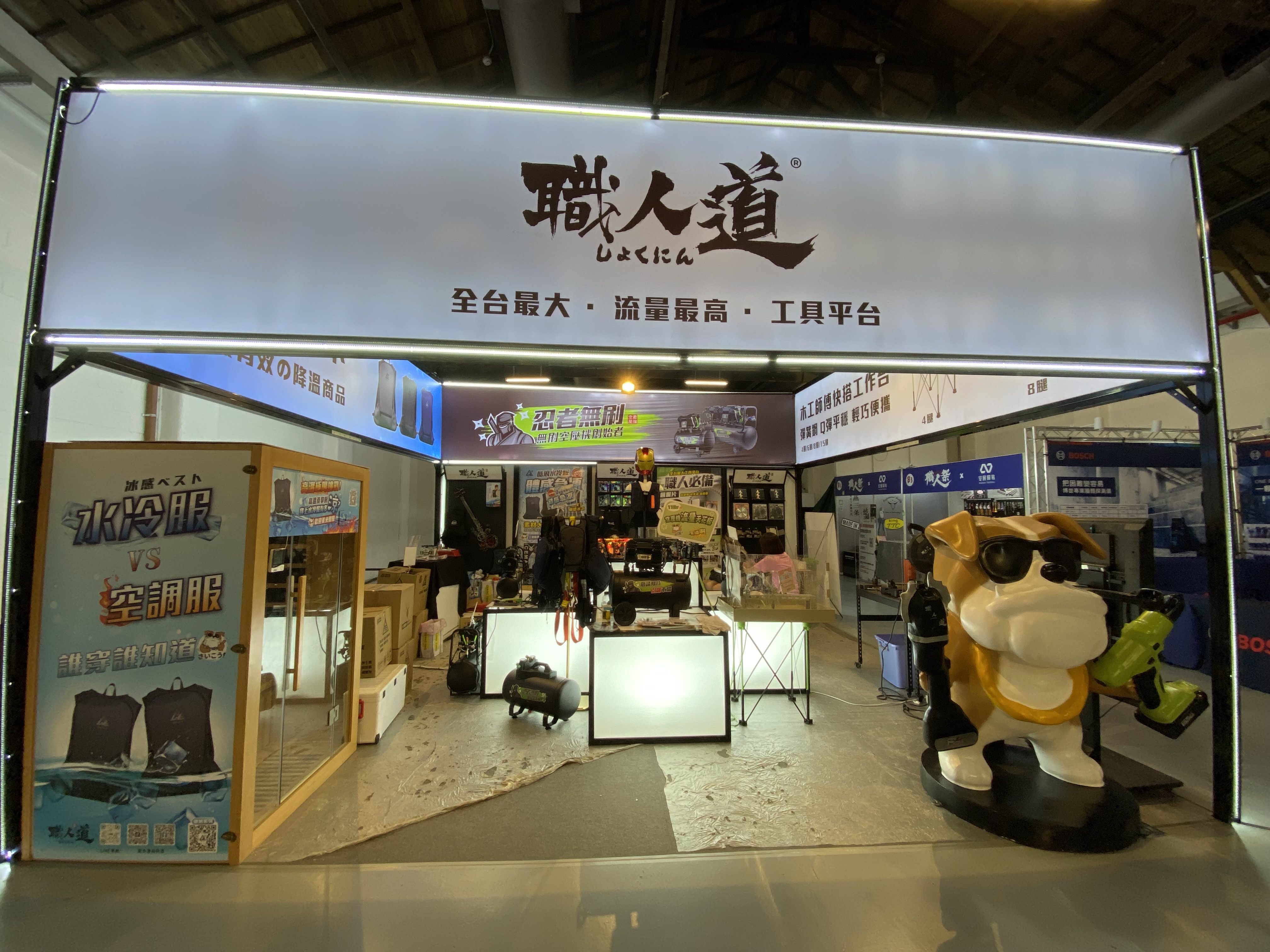
Figure 4. COOLWAVE dual cooling water cooling vest (manufacturer-supplied image).
Next Step: Run the Head-to-Head With Your Own Numbers
Send your shift pattern, site type, and required cooling window, and the figures above can be matched against your crew size. Minimum order quantity is 10 units, monthly production capacity is 3,000 units, and typical production lead time is 7–14 days.
- Website: https://www.fstool.com.tw/
- Product brochure (download): Cooling vest and tool range brochure (PDF)
- Email: fsmarketing@fstool.com.tw
- Phone: +886 3-312-6606 (Monday to Friday, 8:30 AM – 5:40 PM)
- WhatsApp: +86 18858260055
- Address: No. 155-17, Sec. 2, Nanzhu Rd., Luzhu Dist., Taoyuan City 338454, Taiwan
Have Questions or Need More Details?
Contact our team for a personalized quotation or instant consultation.
Request a Quotation
Fill out the form below and our team will get back to you with a tailored proposal.
WhatsApp Direct Chat
Prefer to chat in real-time? Message us on WhatsApp for instant assistance & quick answers.
- Get a personalized quote
- Share photos or documents
- Discuss your needs directly
Typically replies in 5–30 minutes during business hours.