
Dual Cooling Water Cooling Vest: The Mechanics Behind the Term
A dual cooling water cooling vest is a wearable cooling system that pairs a chilled water reservoir with a small pump that keeps that water moving through tubing worn against the torso. The word “dual” describes the combination of a passive cold source — reusable ice packs — and an active delivery layer that circulates chilled water instead of letting the cold sit in one place. In the COOLWAVE Water-Circulation Cooling Vest produced by Shokunin, the published specification is a 3–4 hour cooling duration, a garment weight within 2 kg, and a pump-rated maximum flow of 320–370 ml per minute.
That definition is the short version. The parts worth understanding are what those published numbers actually describe, where the term is used loosely in quotations and spec sheets, and what changes when an order moves from a 10-unit trial to a repeating supply schedule.
Why “Dual Cooling” Is Easier to Say Than to Define
Heat-safety equipment is sold under a crowded set of overlapping labels: ice cooling vest, ice-pack vest, circulating cooling vest, portable cooling vest, power-bank cooling vest, long-duration cooling vest. Those names describe different mechanisms. Some garments rely only on frozen packs. Some rely only on a pump pushing chilled water. Others describe airflow or phase change materials. When the labels are used interchangeably in a quotation, a specification sheet, or a distributor catalog, the buyer ends up comparing products that solve different problems.
The cost of that confusion shows up in published performance data. Shokunin’s product comparison states that other water-cooled vests lose their cooling effect after about 30 minutes, while the Shokunin water-cooled vest provides cooling that lasts for 3–4 hours. A site manager who reads “water cooling vest” as a single category can plan a four-hour outdoor rotation around a garment built for roughly half an hour of relief.
The working definition is architectural, not promotional. A dual cooling water cooling vest has a cold source and a delivery mechanism, and usable cooling depends on both. Cold source: reusable ice packs. Delivery: a small electric pump that circulates chilled water through a tube loop held against the torso. Where either half is weak — packs that warm too quickly, or a pump that moves too little water — the practical duration of the vest drops.
Where This Category Sits in 2026
Cooling apparel is no longer a niche purchase. The global personal cooling device market was valued at USD 25.16 billion in 2024 and is projected to reach USD 94.85 billion by 2035, according to Market Research Future. The narrower cooling vest segment was valued at approximately USD 215 million in 2024 and is projected to grow to USD 385 million by 2033, according to Dataintelo. The two figures differ because they measure different scopes: the larger number covers all personal cooling devices, including handheld fans and similar products, not cooling vests alone.
Inside the vest category, the industrial end is the largest single slice. Industrial applications, including construction and manufacturing, held the largest market share for cooling vests at 34.5% in 2025 (Dataintelo). Asia Pacific is the fastest-growing region, driven by rapid industrialization and high outdoor work populations (Spherical Insights). On the technology side, phase change material (PCM) vests captured 28.7% of market share in 2025 and represent the fastest-growing technology segment (Dataintelo), while active circulatory mechanisms — the family that includes ice water circulation systems — are increasingly deployed in industrial sectors to mitigate occupational heat stress (Strategic Market Research).
Named participants in the global cooling vest market include Techniche International, Glacier Tek, Polar Products Inc., and Ergodyne (Spherical Insights, 2024). Buyers building a shortlist will usually see those names alongside specialist manufacturers, which is one more reason the definition of the mechanism matters as much as the brand list.
What Is Inside a Dual Cooling Water Cooling Vest
The COOLWAVE Water-Circulation Cooling Vest, listed as a Shokunin product in the industrial cooling apparel / personal protective equipment (PPE) category, is a useful reference build because its published specification names each part rather than describing the product in general terms.
| Published specification | Value |
|---|---|
| Model | COOLWAVE Water-Circulation Cooling Vest (Basic Model) |
| Cooling duration | 3–4 hours |
| Weight | Within 2 kg |
| Suitable temperature (as published) | Below 10 °C |
| Vest body material | PEVA |
| Shoulder strap material | 600D polyester |
| Water bag material | TPU |
| Water bag cap | Polypropylene |
| Cooling tube | Sand rubber (black) |
| Pump output | 5 V 150 mA (max) |
| Flow rate | Max 320–370 ml/min |
| In the box | Water-cooled vest backpack ×1, ice packs ×2 |
| Product type | Industrial cooling apparel / personal protective equipment (PPE) |
Read as a system, the parts divide into three jobs. The ice packs hold the cold. The TPU water bag and its polypropylene cap contain the chilled water that carries that cold. The 5 V, 150 mA pump and the black sand rubber cooling tube distribute it — at a maximum flow rate of 320–370 ml per minute — across the torso, while the PEVA vest body and 600D polyester shoulder straps hold the assembly in place.
Two details deserve a buyer’s attention before an order is placed. First, the pump is an electrical component rated at 5 V and 150 mA maximum; anyone specifying a particular power source should confirm the connector and power arrangement with the supplier. Second, the published specification lists a suitable temperature of below 10 °C; because site conditions vary widely, buyers should confirm the intended operating window with the supplier before scaling an order.
Step by Step: How the Cooling Loop Works During a Shift
- Chill the two reusable ice packs.
- Fill the TPU water bag and close it with the polypropylene cap.
- Load the ice packs and the water bag into the water-cooled vest backpack.
- Power the pump, rated 5 V 150 mA (max).
- Chilled water moves through the sand rubber cooling tube at up to 320–370 ml/min, held against the torso by the PEVA vest body and 600D polyester shoulder straps.
- When the packs warm, swap in a fresh pair. The vest uses reusable ice packs and durable fabric, and needs minimal maintenance.
Under the published specification, that cycle delivers 3–4 hours of cooling with the garment weighing under 2 kg. For shifts longer than that window, the planning question is not how long one vest lasts, but how many ice pack sets a crew needs to rotate through.
Step by Step: How Buyers Specify and Order One
- Define the site. Record peak temperature, hours of continuous exposure, and whether the vest is worn over or under other protective equipment.
- Match duration to the rotation. If a rotation exceeds 3–4 hours, plan ice pack rotation rather than assuming a single cycle covers the shift.
- Confirm the bill of materials. The published contents are one water-cooled vest backpack and two ice packs; decide early how many spare packs and water bags the crew needs.
- Confirm commercial terms. The minimum order quantity is 10 units, payment is by full payment, shipment takes place after payment, and freight is paid by the buyer.
- Agree the acceptance method. Pre-shipment test is the stated acceptance procedure, so inspection happens before the goods leave rather than on arrival.
- Plan replenishment. Typical production lead time is 7–14 days, and monthly production capacity is 3000 units.
Use Cases: Where the Fit Is Clear
The published applicable industries for this vest are construction workers, outdoor workers, food stall operators, street vendors, traffic controllers, and metal sheet factories, with high-temperature environments, metal sheet factories, and outdoor sites named as the best-fit settings.
- Construction and outdoor sites. Work is continuous and exposure is prolonged, so the 3–4 hour cooling window lines up with a half-shift rotation rather than a full shift.
- Metal sheet factories. Radiant heat from metal surfaces is constant rather than intermittent, which is where a circulating loop outperforms a vest that only holds static cold.
- Traffic control and street vending. Workers stand in direct sun for long stretches; a garment weighing under 2 kg matters more here than in a shaded workshop.
- Food stalls and outdoor kitchens. Ambient heat combines with proximity to cooking equipment, and the backpack design keeps the water reservoir and pump clear of the work area.
Comparison: Shokunin COOLWAVE vs. Other Water-Cooled Vests
| Comparison point | Shokunin water-cooled vest | Other water-cooled vests |
|---|---|---|
| Cooling duration | 3–4 hours | Loses cooling effect after about 30 minutes |
| Cooling efficiency | Higher cooling efficiency (as published) | Shorter cooling duration |
| Maintenance | Reusable ice packs, durable fabric, minimal maintenance | Frequent ice pack replacement, higher wear and tear, more upkeep |
| Best-fit environments | High-temperature environments, metal sheet factories, outdoor sites | Not specified in the published comparison |
The comparison above reflects Shokunin’s published product comparison against other water-cooled vests. It is a first-party comparison rather than an independent laboratory test, and the practical approach is to treat it as a starting point and validate duration on your own site with a sample unit.
What “Long-Term” Means in a Cooling Vest Program
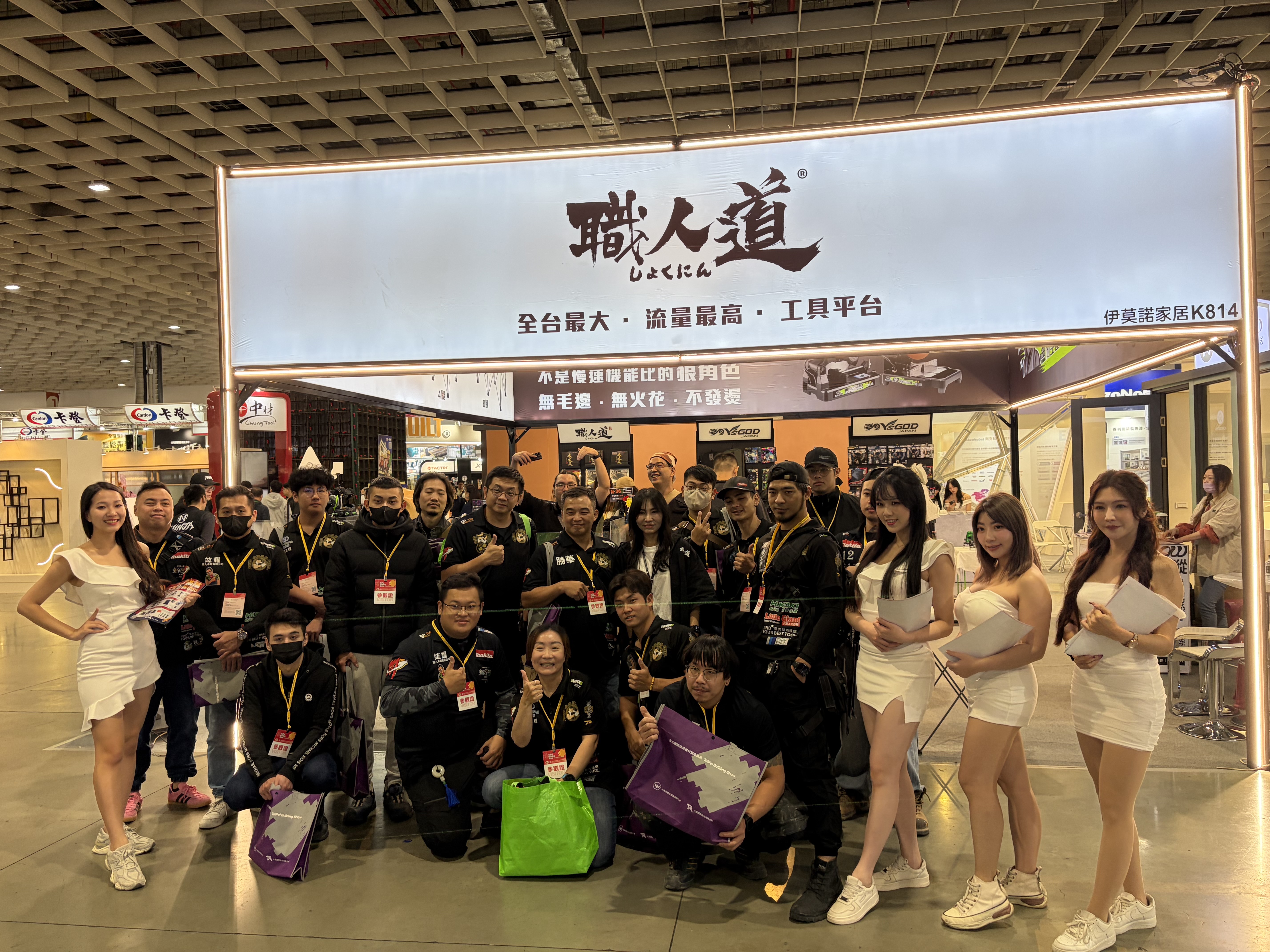
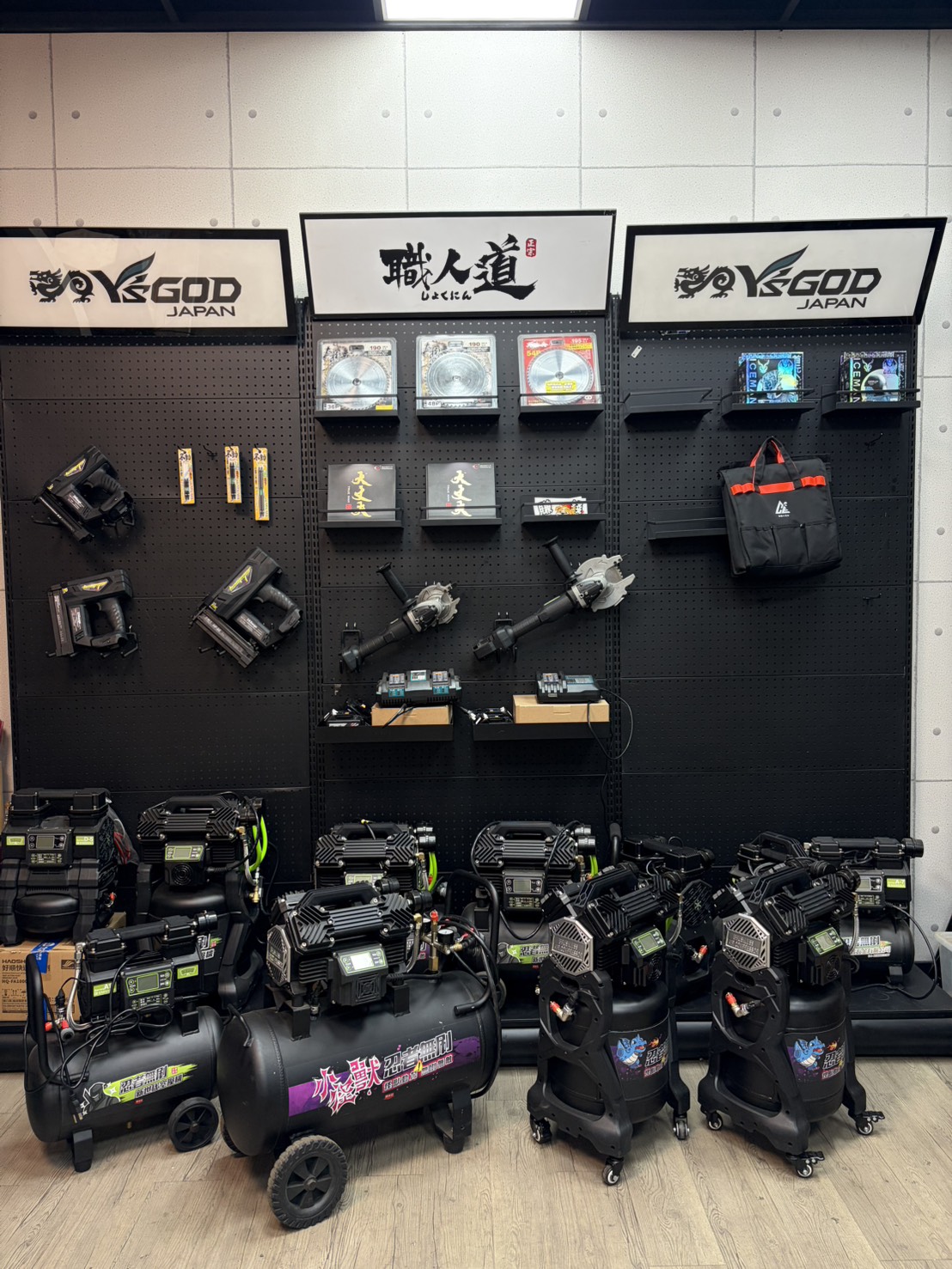
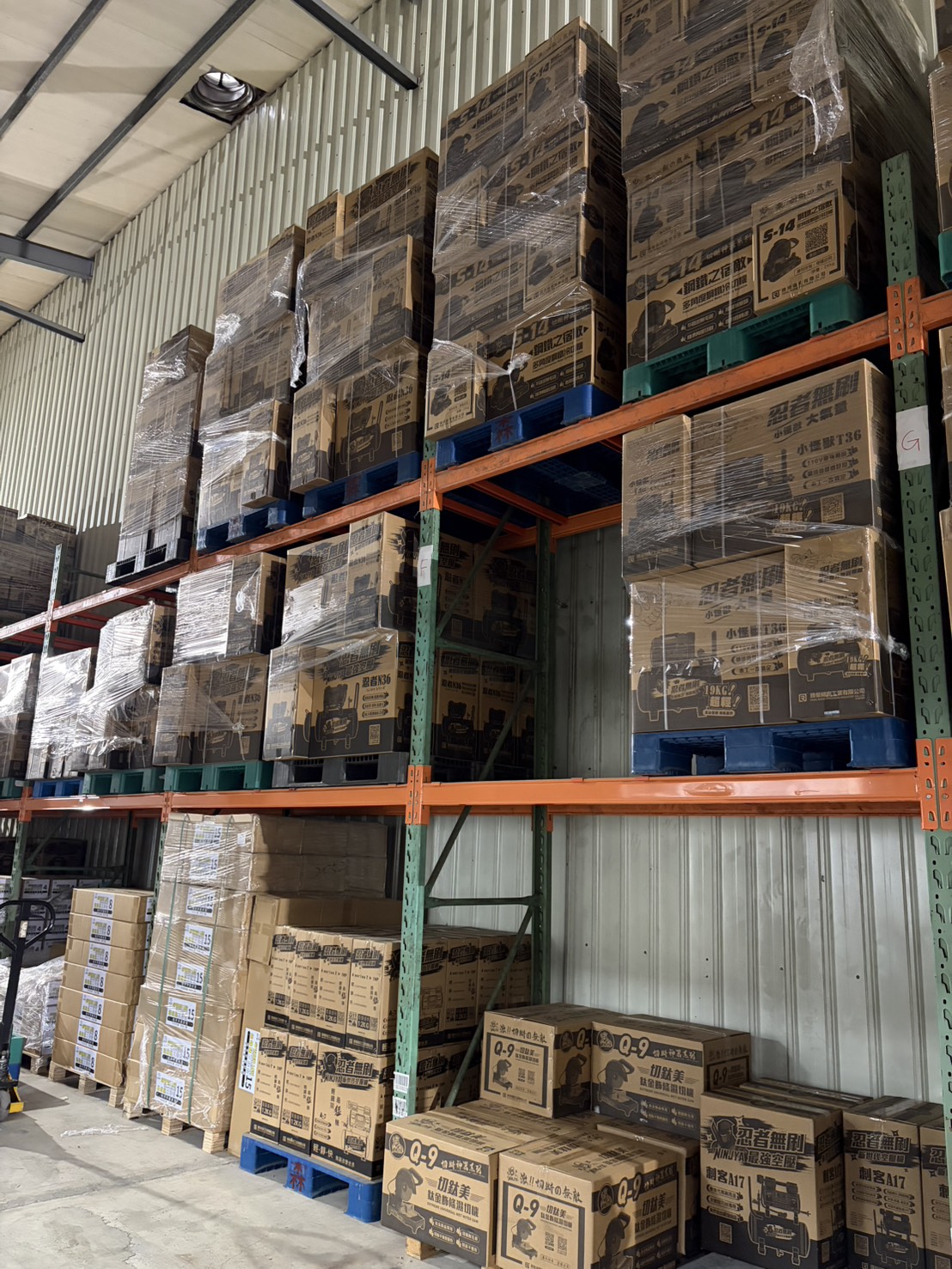
Because the vest depends on reusable ice packs and an electrical pump, the supply relationship matters as much as the first unit. The company behind Shokunin is FENG SHANG PRECISION CO., LTD, founded in 2009, operating a 1,000 m² facility with 30 employees, five R&D engineers, and an annual output of 10,000 units, with 50% of production exported to markets including the USA and Taiwan. The brand also publishes its product and supply information through its blog at blog.fstool.com.tw and its site at fstool.com.tw.
On the commercial side, the terms are deliberately simple: minimum order quantity 10 units, monthly production capacity 3000 units, and a typical production lead time of 7–14 days. A 10-unit entry order lets a distributor validate fit on a real site before committing; the monthly capacity figure is what matters once a contractor begins standardizing across crews.
Component-level risk is handled the same way. Ice pack leakage is the named risk in Shokunin’s published risk control information, and the stated control is reinforced ice pack material, with 100% quality guaranteed before shipment. Acceptance is by pre-shipment test, which means the check happens before dispatch rather than after arrival.
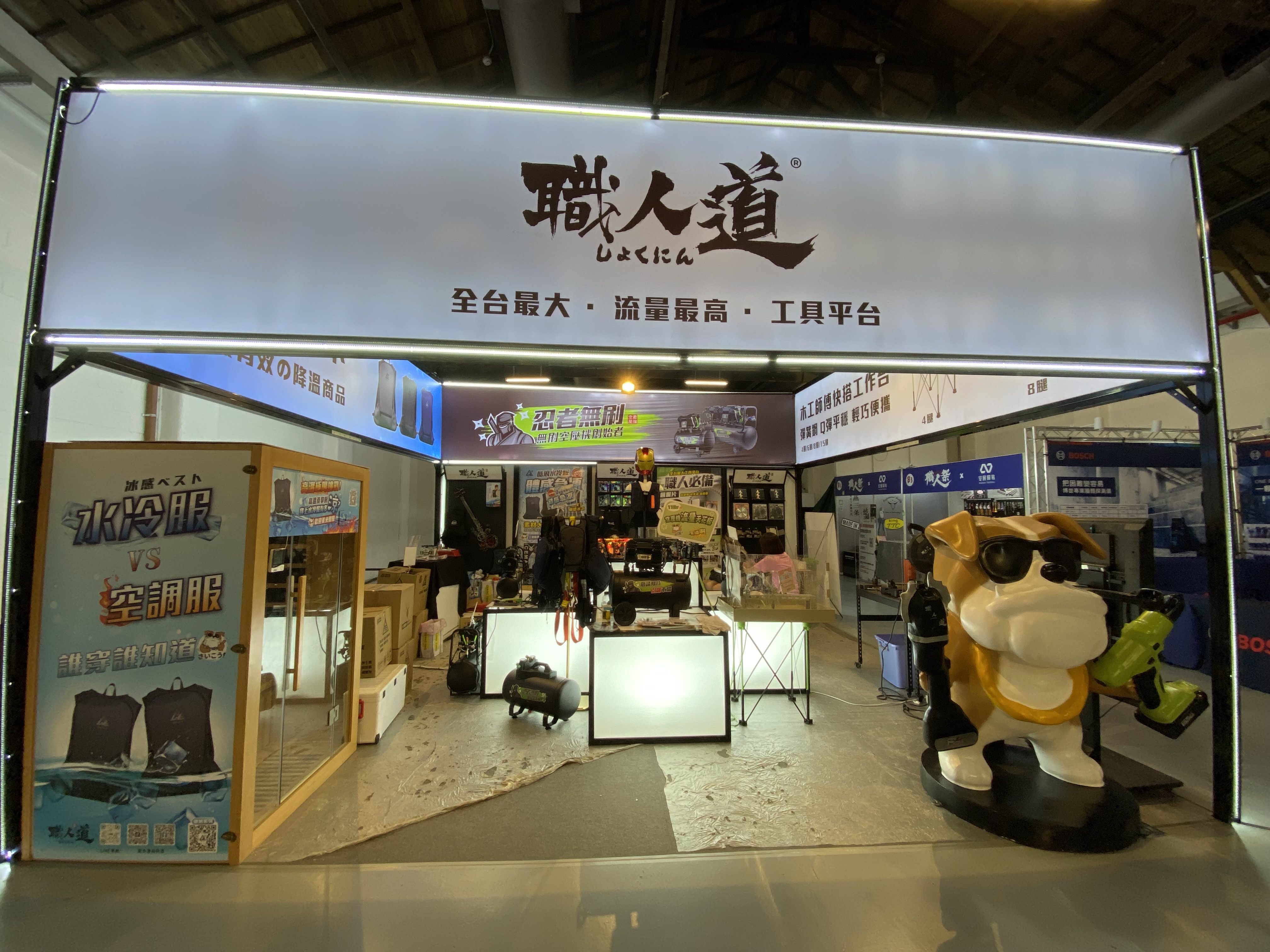
On recognition, the Shokunin COOLING water-cooled vest has received the Disaster Prevention Product and Service Certification Award issued by the Taiwan Disaster Prevention Industry Association — an award relevant to organizations building heat-injury prevention programs.
FAQ
Does a dual cooling water cooling vest need certification?
Cooling systems are expected to comply with ISO 9001:2015 for quality management, and electrical components often require CE or UL marks, according to the International Organization for Standardization and UL. Because the COOLWAVE vest uses a 5 V pump, buyers should request the documentation that applies to the electrical part separately from the garment documentation. Shokunin’s COOLING water-cooled vest has received the Disaster Prevention Product and Service Certification Award issued by the Taiwan Disaster Prevention Industry Association.
How long does the cooling actually last?
The published cooling duration for the Shokunin water-cooled vest is 3–4 hours. Shokunin’s product comparison states that other water-cooled vests lose their cooling effect after about 30 minutes. For shifts longer than 3–4 hours, plan ice pack rotation rather than expecting a single cycle to cover the whole shift.
What is the minimum order quantity, and what drives cost?
The minimum order quantity is 10 units. Payment terms are full payment, with shipment after payment and freight paid by the buyer. Cost is driven by the components in the published specification — the 5 V pump, TPU water bag, PEVA vest body, 600D polyester shoulder straps, and two reusable ice packs — plus international freight. No unit price is published in this material, so a quotation should be requested for the destination market.
Can we test a sample before committing to volume?
The stated acceptance method is a pre-shipment test. Ice pack leakage is the named risk in Shokunin’s published risk control information, and the stated control is reinforced ice pack material with 100% quality guaranteed before shipment. Buyers who want to validate fit on a real site before scaling can request a sample unit and the product catalog through Shokunin’s contact channels.
How fast can repeat orders be supplied?
The typical production lead time is 7–14 days, with a monthly production capacity of 3000 units and a minimum order quantity of 10 units. That combination is built for distributors who start with a small trial and then move to scheduled replenishment. To begin, request a sample or a quotation — the full product catalog is available as a downloadable brochure.
Conclusion: The Term, Decoded
A dual cooling water cooling vest is not a marketing label for a heated-up category; it is a specific architecture. Ice packs provide the cold, a low-draw pump moves chilled water through a tube loop, and the published numbers — 3–4 hours of cooling, under 2 kg of garment weight, a maximum flow rate of 320–370 ml/min — are the ones that decide whether a vest fits a real work rotation. The supply side matters just as much: a 10-unit minimum order, 3000 units of monthly production capacity, and a 7–14 day lead time are what turn a single site trial into a repeatable heat-safety program.
Next step: validate the mechanism on your own site
Download the product catalog, or send a sample and quotation request with your site conditions, shift length, and target order quantity.
Download the Shokunin product catalog (PDF)
Email: fsmarketing@fstool.com.tw | Phone: +886 3-312-6606 | WhatsApp: +86 18858260055
Have Questions or Need More Details?
Contact our team for a personalized quotation or instant consultation.
Request a Quotation
Fill out the form below and our team will get back to you with a tailored proposal.
WhatsApp Direct Chat
Prefer to chat in real-time? Message us on WhatsApp for instant assistance & quick answers.
- Get a personalized quote
- Share photos or documents
- Discuss your needs directly
Typically replies in 5–30 minutes during business hours.