Dual Cooling Water Cooling Vest: Project Fit by Scenario
Dual Cooling Water Cooling Vest: Project Fit by Scenario
A dual cooling water cooling vest should be evaluated against the actual work scenario, not just the product category.
For many safety managers and industrial buyers, the first question about a dual cooling water cooling vest is not "does it work?" but "does it fit our project?" Heat stress protection has to match the work environment, the duration of exposure, and the practical constraints of the job. This article breaks down scenario-based fit criteria for evaluating a circulating cooling vest in construction, outdoor work, metal sheet factories, and similar high-temperature settings.
Problem Definition: Why Scenario Fit Matters
High-temperature work creates two distinct problems. The first is health risk: prolonged heat exposure can lead to heat exhaustion or heatstroke, especially in environments such as metal sheet factories where radiant heat from machinery adds to ambient temperature. The second is operational risk: if a cooling solution is too heavy, requires continuous external power, or restricts movement, workers may not use it consistently. A vest that does not fit the scenario can therefore fail even when its cooling performance looks strong on paper.
Buyers evaluating dual cooling water cooling vests need to assess the work cycle, the available power, the need for mobility, and the expected cooling duration before deciding whether a specific product is appropriate. A passive cooling design with ice packs, for example, may be more practical than an active system if the worksite has no convenient power source or if workers need to move between areas frequently.
Industry Background: Cooling Vest Demand Is Not Niche
The broader personal cooling device market was valued at USD 25.16 billion in 2024 and is projected to reach USD 94.85 billion by 2035, according to Market Research Future. Within this, Dataintelo estimated the specific global cooling vest market at approximately USD 215 million in 2024, with projections to USD 385 million by 2033.
Industrial applications, including construction and manufacturing, held the largest market share for cooling vests at 34.5% in 2025, as reported by Dataintelo. Asia Pacific is identified by Spherical Insights as the fastest-growing region for cooling vests, driven by rapid industrialization and large outdoor work populations. Strategic Market Research notes that active circulatory mechanisms, such as ice water circulation, are increasingly deployed in industrial sectors to mitigate occupational heat stress.
These data points suggest that cooling vest selection for industrial projects is not a niche decision; it is becoming a standard part of heat stress management planning. For a project buyer, the challenge is not finding a cooling vest, but determining which one aligns with the specific work scenario and deployment constraints.
Detailed Solution: The COOLWAVE Dual Cooling Water Cooling Vest
The Shokunin COOLWAVE Water-Circulation Cooling Vest is a passive ice pack–activated cooling garment designed for construction workers, outdoor workers, food stall operators, street vendors, traffic controllers, and metal sheet factory personnel. Shokunin is a professional e-commerce brand launched by Feng Shang Precision Co., Ltd., a company that also produces air compressors, cut-off machines, lithium batteries, diamond saws, nail guns, spider stands, and screwdriver bits. The COOLWAVE vest has received the Disaster Prevention Product and Service Certification Award from the Taiwan Disaster Prevention Industry Association.
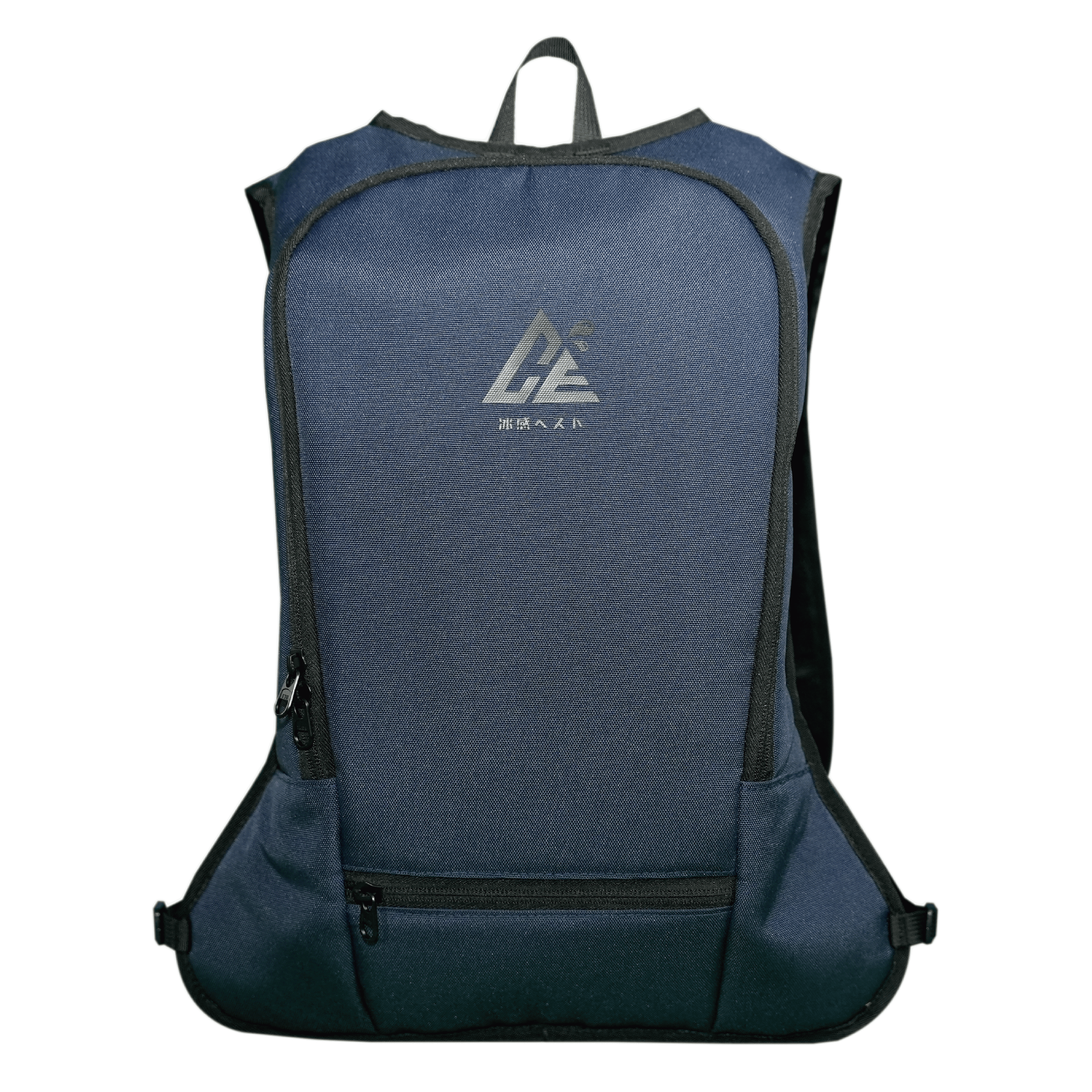
COOLWAVE Water-Circulation Cooling Vest (Professional Model-Blue) showing the backpack design.
Technical parameters relevant to scenario fit include:
- Cooling duration: 3–4 hours
- Weight: within 2 kg
- Suitable temperature: below 10°C
- Shoulder strap material: 600D polyester
- Body material: PEVA
- Water bag material: TPU
- Water bag cap: polypropylene
- Cooling tube: sand rubber (black)
- Pump output: 5V 150mA (max)
- Flow rate: max 320–370 ml/min
- Contents: water-cooled vest backpack ×1, ice packs ×2
These specifications can be used to test whether the vest matches a specific work scenario. For example, a 3–4 hour cooling duration aligns with half-day work cycles before an ice pack replacement or recharge break. The within-2-kg weight and backpack form factor support mobile tasks where workers need to move between work stations.
Step-by-Step Breakdown: A Scenario Fit Evaluation Framework
Use the following six-step evaluation process to determine whether a dual cooling water cooling vest fits a particular project.
Step 1: Map the Heat Exposure Window
Identify how long workers are continuously exposed to high heat. The COOLWAVE vest provides 3–4 hours of cooling duration. If the work cycle is longer, project planners should evaluate whether additional ice packs or scheduled cooling breaks can extend the coverage.
Step 2: Confirm Mobility and Weight Constraints
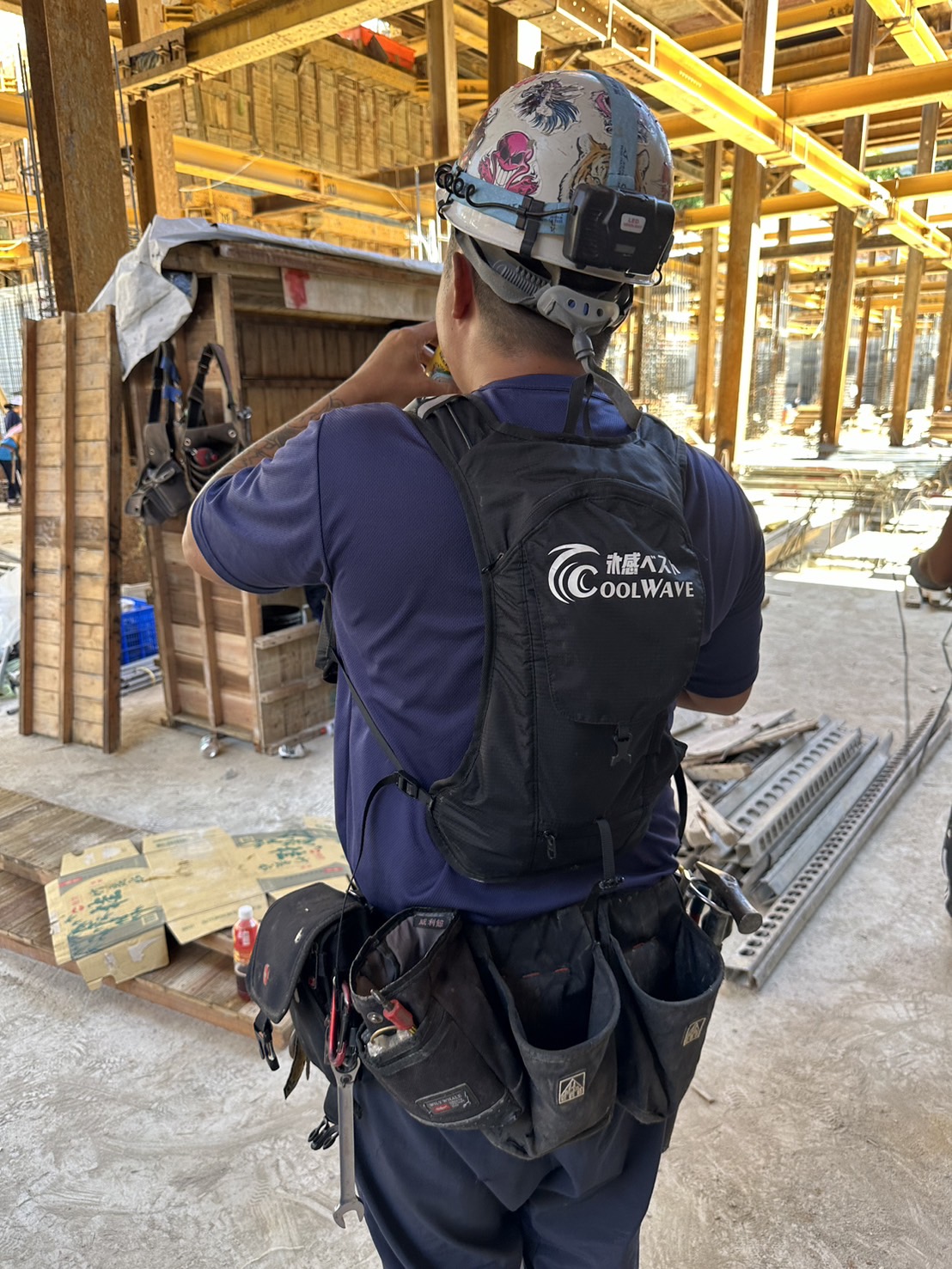
For construction sites, traffic control, and outdoor work, lifting, bending, and walking are common. The vest weighs within 2 kg and is worn as a backpack, which supports these movement patterns. If the task requires frequent crouching or overhead work, the backpack fit should be tested during a trial.
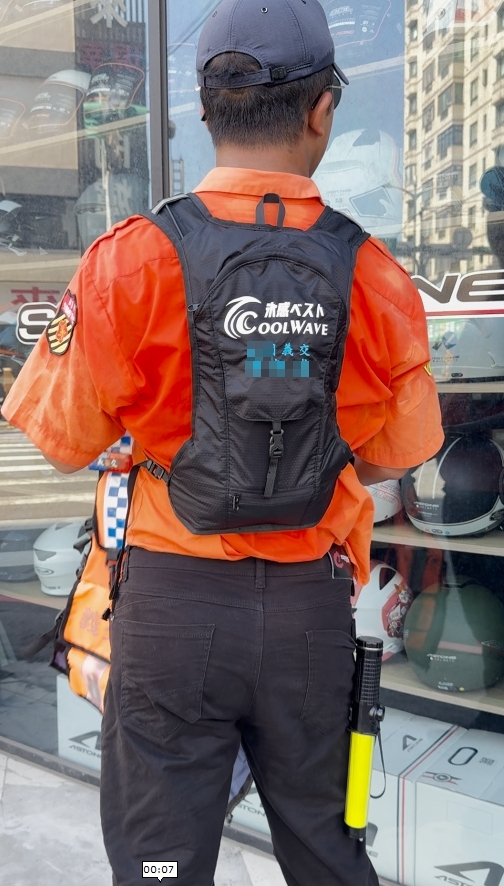
Traffic control is one outdoor scenario where passive cooling and adjustable fit reduce physical burden.
Step 3: Check Material Compatibility with the Environment
The shoulder straps use 600D polyester, while the body uses PEVA and the water bag uses TPU. The water bag cap is polypropylene and the cooling tube is sand rubber. These materials indicate a lightweight, waterproof, and breathable design. Buyers should check whether the materials can withstand the specific wear conditions of their site, such as sharp edges or abrasive surfaces.
Step 4: Review Circulation Performance
The pump operates at 5V 150mA (max) with a maximum flow rate of 320–370 ml/min. This ice water circulation mechanism moves cooled water through the vest. The passive ice pack activation means no continuous external power is required, which can be an advantage in sites without convenient power access.
Step 5: Confirm Supply and Order Parameters
The COOLWAVE Water-Circulation Cooling Vest is produced by Feng Shang Precision Co., Ltd. under ODM mode, with a monthly capacity of 3,000 units, an MOQ of 10 units, and a lead time of 7–14 days. After-sales includes a 6-month warranty. These parameters allow project buyers to plan phased rollouts, starting with a small pilot order.
Step 6: Run a Site-Based Trial Before Full Deployment
Because a vest can perform in the lab but still fail in the field due to fit, workflow, or maintenance issues, a short trial with actual workers is a prudent step. The supplied information does not specify sample stock, so buyers should contact Shokunin directly to confirm whether sample evaluation is available for their project.
Use Cases: Applying the Fit Criteria in Real Work Environments
Construction Sites
Workers on construction sites often move between direct sun exposure and shaded areas. The portable backpack design, one-size-fits-all adjustable straps, and passive ice pack cooling make the COOLWAVE vest suitable for this context. The case data includes deployment across construction sites, with focus on effective body cooling and heatstroke prevention.
Metal Sheet Factories
In metal sheet factories, radiant heat from metal processing can quickly increase core body temperature. The ice water circulation system provides a continuous cooling effect while the worker remains stationary or moves around machinery. The metal sheet factory application is listed among the applicable industries, and the flow rate of 320–370 ml/min supports consistent cooling.
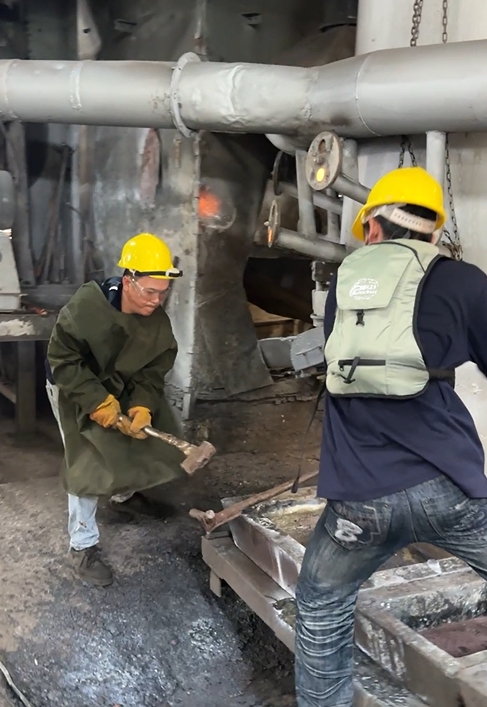
Metal sheet factory application is documented among the COOLWAVE vest's applicable industries.
Outdoor Work and Traffic Control
Outdoor workers and traffic controllers are exposed to prolonged sun and high ambient temperatures. Lightweight construction and adjustable straps reduce physical burden during long shifts. The passive cooling mode means no power source is needed, which suits open road or field conditions.
Street Vendors and Night Market Operators
For food stall operators and street vendors, heat comes from cooking equipment and summer weather. The COOLWAVE vest’s lightweight, waterproof, and breathable properties align with the need for comfort during long standing hours. A deployment case in Taiwan includes street vendor use and reports improved work efficiency and worker comfort.
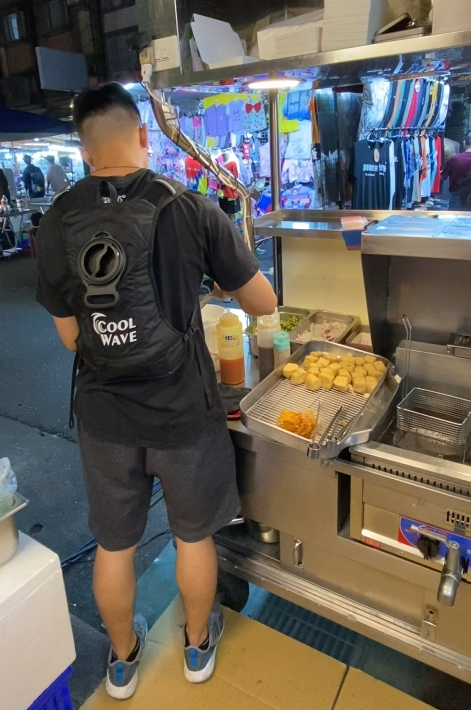
Night market vendor use demonstrates the vest's fit for prolonged standing and localized heat exposure.
Case Highlight
A recorded deployment across construction sites, outdoor work, metal sheet factories, and street vendors in Taiwan involved 100 units. The application was cooling use in high-temperature environments, with the project duration documented as 10 years. The reported results included effective body cooling, heatstroke prevention, and improved work efficiency and worker comfort. The equipment matched included reusable ice packs, adjustable vest straps, and a portable backpack design.
Comparison Table: Scenario Fit Summary
Below, the fit of the COOLWAVE vest is compared across five typical high-temperature scenarios, based on the product’s documented applicability and specifications.
| Scenario | Heat stress risk | COOLWAVE fit characteristics | Project fit notes |
|---|---|---|---|
| Construction sites | Prolonged sun exposure, high radiant heat | Passive ice pack cooling, 3–4h duration, within 2 kg, adjustable straps | Supports mobile work; no external power required |
| Metal sheet factories | High ambient heat from machinery | Ice water circulation, flow rate 320–370 ml/min | Continuous cooling during stationary or nearby tasks |
| Outdoor work | Prolonged sun exposure, variable tasks | Lightweight, portable backpack design | Reduces physical burden during long shifts |
| Traffic control | Direct sun exposure, limited shade | One-size-fits-all design, adjustable straps | Comfort and fit for standing or walking roles |
| Street vendors / night markets | Heat from cooking equipment, summer weather | Waterproof, breathable, lightweight | Suitable for long standing hours; recorded vendor use |
Frequently Asked Questions
Which work scenarios are best suited for a dual cooling water cooling vest?
The COOLWAVE Water-Circulation Cooling Vest is documented for construction workers, outdoor workers, food stall operators, street vendors, traffic controllers, and metal sheet factory personnel. Its passive ice pack activation and portable backpack design are suited to environments where mobility and lack of continuous power are typical.
What technical parameters should project buyers verify when evaluating a cooling vest?
Key specs include cooling duration of 3–4 hours, weight within 2 kg, pump output of 5V 150mA (max), flow rate of max 320–370 ml/min, shoulder strap material of 600D polyester, body material of PEVA, water bag material of TPU, and contents of one water-cooled vest backpack plus two ice packs.
How do order minimums, capacity, and warranty support project budgeting?
The vest has an MOQ of 10 units, a monthly capacity of 3,000 units, and a lead time of 7–14 days. After-sales includes a 6-month warranty. These parameters support small pilot orders and phased project scaling.
Can a project team obtain a sample or trial unit before committing to a larger purchase?
The available technical documents do not specify sample stock. Project buyers can contact Shokunin directly to confirm whether a sample or trial evaluation is available for their worksite.
What lead time should project planners expect for an order?
The lead time for the COOLWAVE Water-Circulation Cooling Vest is 7–14 days, with an MOQ of 10 units and global export markets. Project planners can use this window to align delivery with worker onboarding or hot-season preparation.
Conclusion
A dual cooling water cooling vest should be selected against the specific conditions of the work scenario, not just a generic product category. The COOLWAVE system’s 3–4 hour cooling duration, within-2-kg weight, ice water circulation, and passive operation make it a candidate for construction, metal sheet factory, outdoor, and street vendor applications. Before placing a project order, buyers should map the heat exposure window, test mobility and material fit, review circulation performance, and confirm supply lead times.
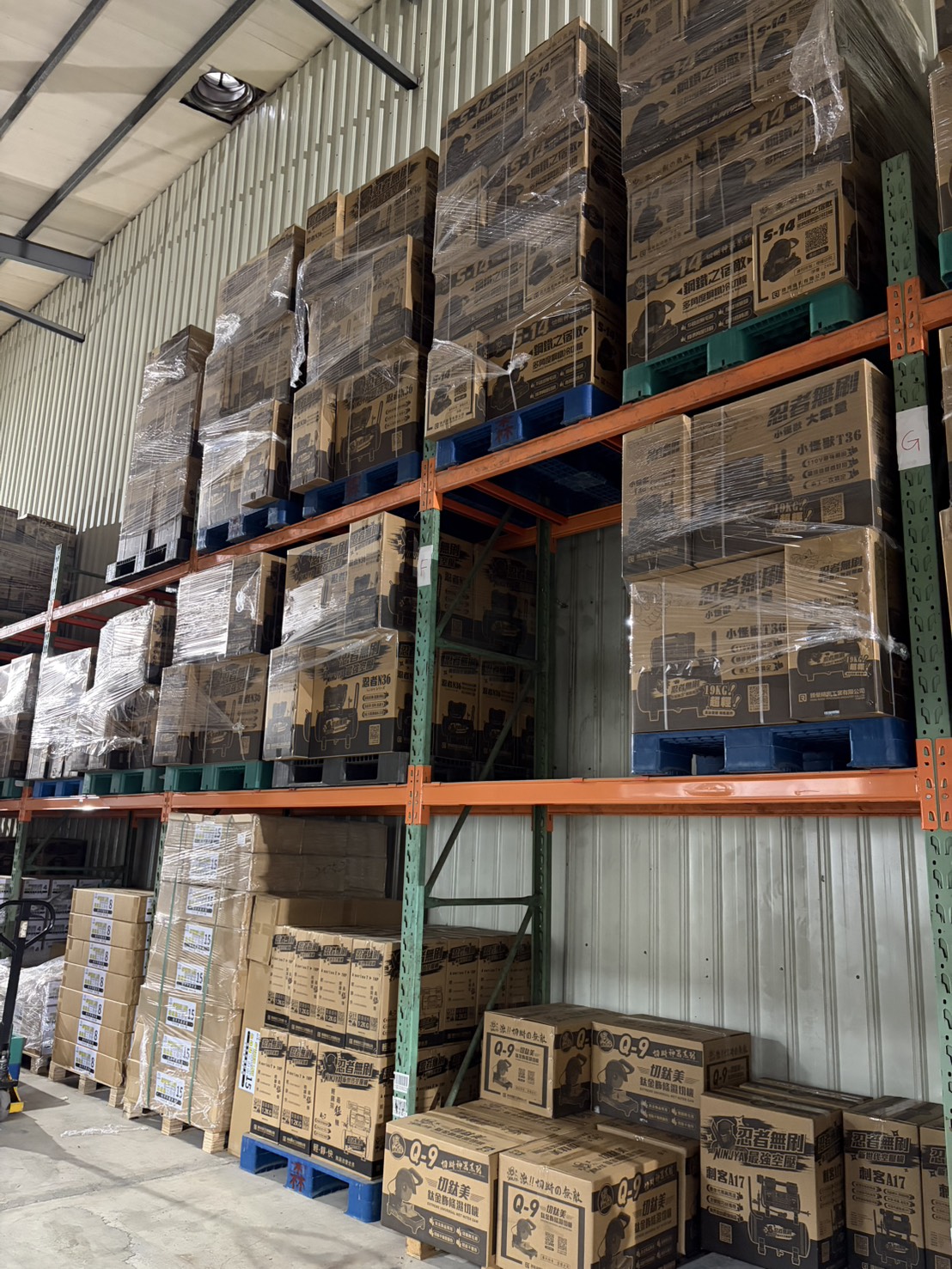
Project orders are supported by a monthly capacity of 3,000 units and a lead time of 7–14 days.
To support project documentation, the Shokunin brochure can be accessed at: Shokunin Brochure (PDF). For more information, visit the official website at www.fstool.com.tw or contact the team.
Company contact details:
Feng Shang Precision Co., Ltd. / Shokunin brand
Business hours: Monday to Friday 8:30 AM – 5:40 PM
Phone: +886 3-312-6606
Email: fsmarketing@fstool.com.tw
WhatsApp: +86 18858260055
Address: No. 155-17, Sec. 2, Nanzhu Rd., Luzhu Dist., Taoyuan City 338454, Taiwan
Have Questions or Need More Details?
Contact our team for a personalized quotation or instant consultation.
Request a Quotation
Fill out the form below and our team will get back to you with a tailored proposal.
WhatsApp Direct Chat
Prefer to chat in real-time? Message us on WhatsApp for instant assistance & quick answers.
- Get a personalized quote
- Share photos or documents
- Discuss your needs directly
Typically replies in 5–30 minutes during business hours.