Dual Cooling Water Cooling Vest: 3 Metrics Before You Buy
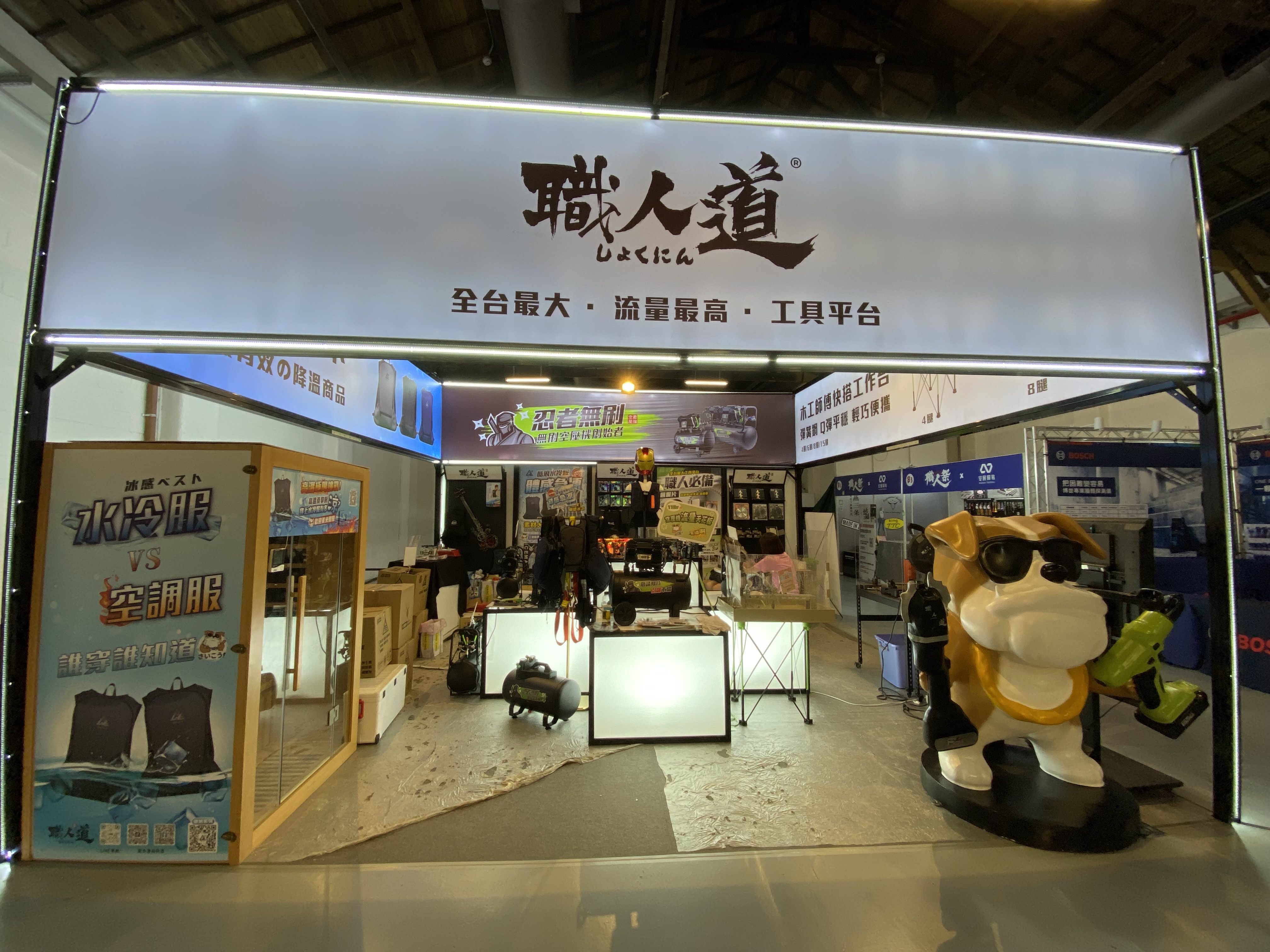
Shokunin COOLWAVE dual cooling water cooling vest
Industrial purchasing decisions for cooling vests usually come down to three numbers: how long the vest keeps cooling, how much power the circulation system consumes, and how much maintenance the vest requires over its service life. Market data, compliance standards, and verified product specifications point in the same direction: industrial buyers are shifting from short-duration cooling products to circulating systems that can cover a full working shift.
This article compares the Shokunin COOLWAVE dual cooling water cooling vest against the typical performance profile of other water-cooled vests, using verified product data and third-party market sources. The goal is a repeatable comparison method for procurement and safety teams at the decision stage — moving from brand-level impressions to concrete specifications: continuous cooling duration, energy efficiency, and maintenance burden.
The 30-Minute Problem in Water-Cooled Vests
Many water-cooled vests lose their cooling effect after approximately 30 minutes. The Shokunin water-cooled vest provides continuous cooling for 3–4 hours. For an industrial buyer, this specification determines whether a vest protects a worker through a full shift or stops functioning shortly after the shift begins.
On a multi-hour shift in a high-temperature environment, a 30-minute cooling window leaves most of the exposure time unprotected. Workers notice the cooling fade, and in practice many remove the vest and do not reapply it. For safety officers, this creates an equipment compliance problem: the purchase order was fulfilled, but the heat-stress protection plan is not actually being delivered on the floor.
The second hidden cost is maintenance. Other water-cooled vests require frequent ice pack replacement and show higher wear and tear, which raises consumable spending and upkeep time. The Shokunin vest is designed with reusable ice packs and durable fabric, keeping the maintenance burden low.
The third risk is operational: ice pack leakage. A water-cooled vest carries liquid close to the torso, so a leaking pack can end a work session and damage the garment. Shokunin controls this risk with reinforced ice pack material and a 100% quality check before shipment.
Why Industrial Heat-Stress Protection Is Growing Faster Than Generic Cooling Gear
The cooling vest market is expanding globally, and industrial applications are the largest demand segment. According to Market Research Future, the global personal cooling device market was valued at USD 25.16 billion in 2024 and is projected to reach USD 94.85 billion by 2035. Dataintelo estimates the cooling vest segment at approximately USD 215 million in 2024, growing to USD 385 million by 2033. The two figures measure different scopes — personal cooling devices include a broader set of products — but both sources confirm strong market growth.
Regional and end-use data reinforce the industrial focus. Spherical Insights identifies Asia Pacific as the fastest-growing region for cooling vests, driven by rapid industrialization and large outdoor work populations. Dataintelo reports that industrial applications, including construction and manufacturing, held the largest cooling vest market share at 34.5% in 2025.
Two technology signals are relevant for buyers. First, Phase Change Material (PCM) vests captured 28.7% of the market in 2025, representing the fastest-growing technology segment. Second, Strategic Market Research reports that active circulatory mechanisms — including ice water circulation — are increasingly deployed in industrial sectors to mitigate occupational heat stress. A dual cooling water cooling vest belongs to this second category: it actively circulates ice water through the garment rather than relying on passive materials.
Compliance expectations have also formalized. Cooling systems should comply with ISO 9001:2015 for quality management, and CE or UL marks are commonly required for electrical components. Named global players tracked in the cooling vest market include Techniche International, Glacier Tek, Polar Products Inc., and Ergodyne.
For procurement teams, the practical consequence is clear: the cooling vest category is no longer a discretionary accessory purchase. It is a safety equipment category with documented market growth, an industrial majority, and formal compliance expectations. Supplier verification matters more, because a wrong choice is measured in worker protection, not just budget variance.
Shokunin COOLWAVE Dual Cooling Water Cooling Vest: Verified Performance Profile
Shokunin is the professional e-commerce brand of Feng Shang Precision Co., Ltd., a Taiwan-based manufacturer established in 2009 in Taoyuan City. The company operates a 1,000 m² factory with approximately 30 employees, including 5 R&D engineers, and reports annual output of about 10,000 units across its product lines, with roughly half of output exported to the USA and ROC markets. For buyers evaluating supply stability and manufacturing depth, these are the relevant first-party facts.
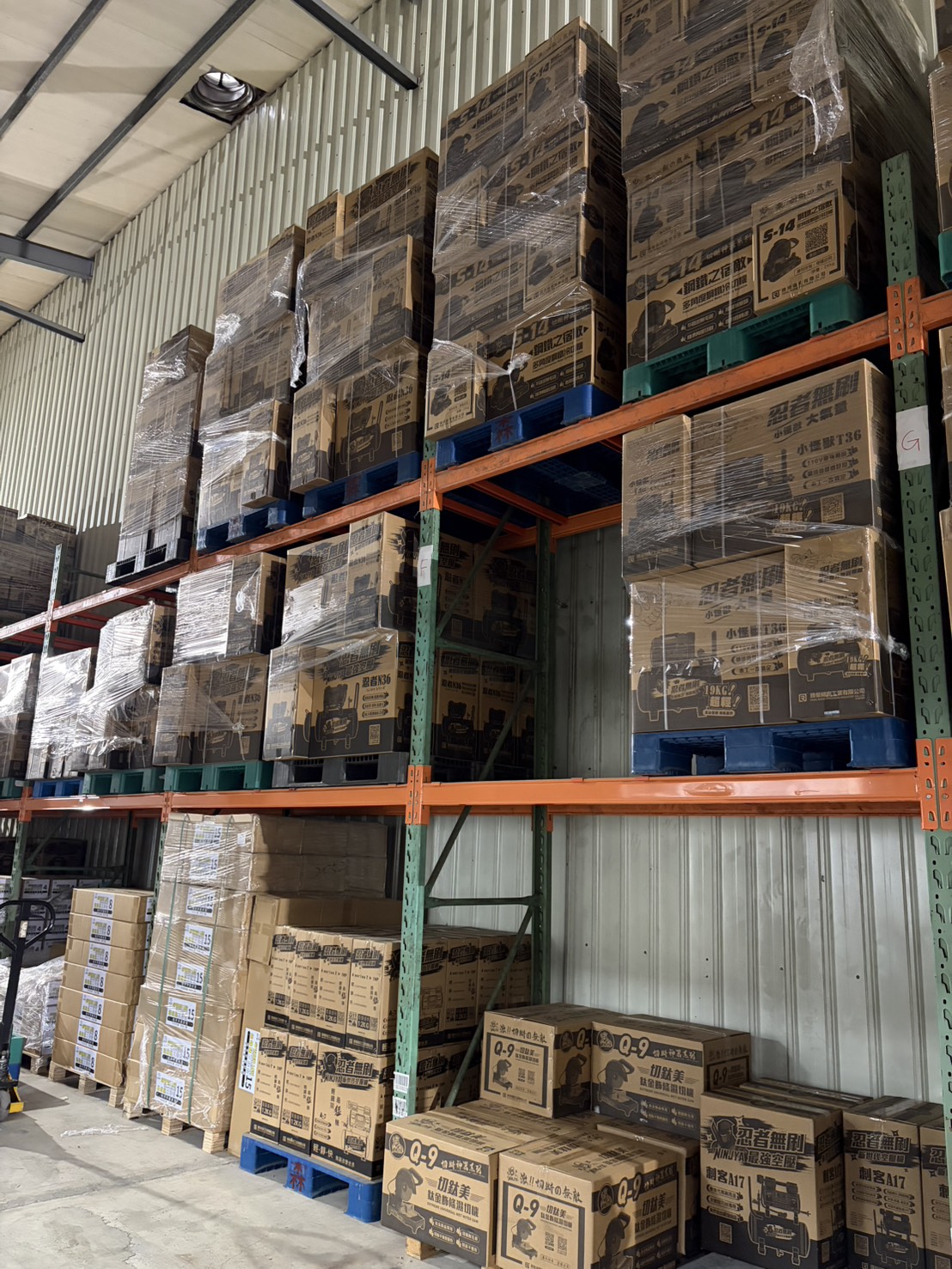
Shokunin warehouse and shipping operation
The Shokunin COOLWAVE is a dual cooling water cooling vest that uses ice water circulation. Its verified performance profile, compared with other water-cooled vests, is:
- Cooling duration: 3–4 hours, versus approximately 30 minutes for other water-cooled vests.
- Energy efficiency: higher than typical water-cooled vests.
- Ice pack system: reusable ice packs, versus frequent ice pack replacement in other vests.
- Fabric: durable fabric, versus higher wear and tear in other vests.
- Maintenance: minimal, versus more upkeep for other vests.
- Best-fit environments: high-temperature environments, metal sheet factories, and outdoor sites.
- Quality control: reinforced ice pack material and a 100% quality check before shipment to control leakage risk.
The vest also received the Disaster Prevention Product and Service Certification Award issued by the Taiwan Disaster Prevention Industry Association — a documented recognition that supports procurement file reviews.
The practical difference is straightforward in shift-planning terms. Covering a four-hour heat-exposure block would require roughly eight cooling cycles from a typical 30-minute vest, while a vest rated for 3–4 hours covers the same block in a single cycle. For facilities where re-icing between cycles is not practical — metal sheet factories, outdoor sites, and other continuous-heat environments — the longer duration is the minimum viable specification rather than an upgrade.
Step-by-Step: A Procurement Comparison Method for Dual Cooling Water Cooling Vests
Regardless of brand, a dual cooling water cooling vest purchase should pass the same five checks. Each check maps to a data point a buyer should request from the supplier.
Step 1 — Define the shift and exposure profile
Measure the continuous working time in the heat-exposed area. If a vest delivers 30 minutes of cooling and the working session runs for hours, the vest is not a heat-stress solution. Match the rated cooling duration — for the Shokunin COOLWAVE, 3–4 hours — to the longest exposure window without a break.
Step 2 — Check energy efficiency
Ask for the circulation system's energy characteristics. Higher energy efficiency lowers operating costs, particularly when a buyer equips a fleet of workers rather than a single operator. The Shokunin COOLWAVE's documented efficiency advantage over other water-cooled vests is a total-cost factor, not a marketing detail.
Step 3 — Calculate the maintenance burden
Compare the consumables. Reusable ice packs and durable fabric reduce total cost of ownership; frequent ice pack replacement and higher wear and tear raise it. Two vests with similar cooling durations can still produce very different multi-year costs because of this one metric.
Step 4 — Audit risk controls
Inspect how the supplier controls ice pack leakage. Reinforced ice pack material and pre-shipment quality checks are the documented controls for the Shokunin COOLWAVE, and a buyer should ask any supplier for the equivalent evidence.
Step 5 — Verify compliance and manufacturing evidence
Use ISO 9001:2015 as the quality-management baseline, check for CE or UL marks on electrical components, and review industry-specific certifications. The Shokunin COOLWAVE's Disaster Prevention Product and Service Certification Award is an example of the documentation a buyer can request during vendor review.
Procurement checklist — request before purchase order:
- Rated cooling duration from the supplier's test data;
- Energy efficiency information for the circulation system;
- Maintenance schedule and ice pack replacement plan;
- Leakage test and quality-control procedure;
- Quality certificates (ISO 9001:2015, CE/UL where applicable);
- Company and factory background (founding, location, R&D team, export markets).
Use Cases: Where a 3–4 Hour Vest Is Required, Not Optional
Metal sheet factories and facilities with metal roofs are a documented fit for the Shokunin COOLWAVE. Radiant heat from the roof and sheet-metal operations keeps temperatures high across the shift, so a vest that stops cooling after 30 minutes cannot meaningfully reduce heat stress. A vest rated for 3–4 hours matches the actual work pattern.
Outdoor sites with prolonged sun exposure, including construction and other outdoor work crews, present the same requirement. Workers accumulate heat across the shift, and frequent re-icing of short-duration vests is impractical on most job sites. A long-duration vest reduces downtime and the number of re-preparation cycles.
Industrial manufacturing and construction together formed the largest cooling vest end-use segment in 2025, at 34.5%. As heatstroke prevention programs become more formalized, active circulation systems are increasingly deployed in these sectors. For safety managers, a dual cooling water cooling vest is one of the available personal controls, and its value depends directly on how much of the shift it covers.
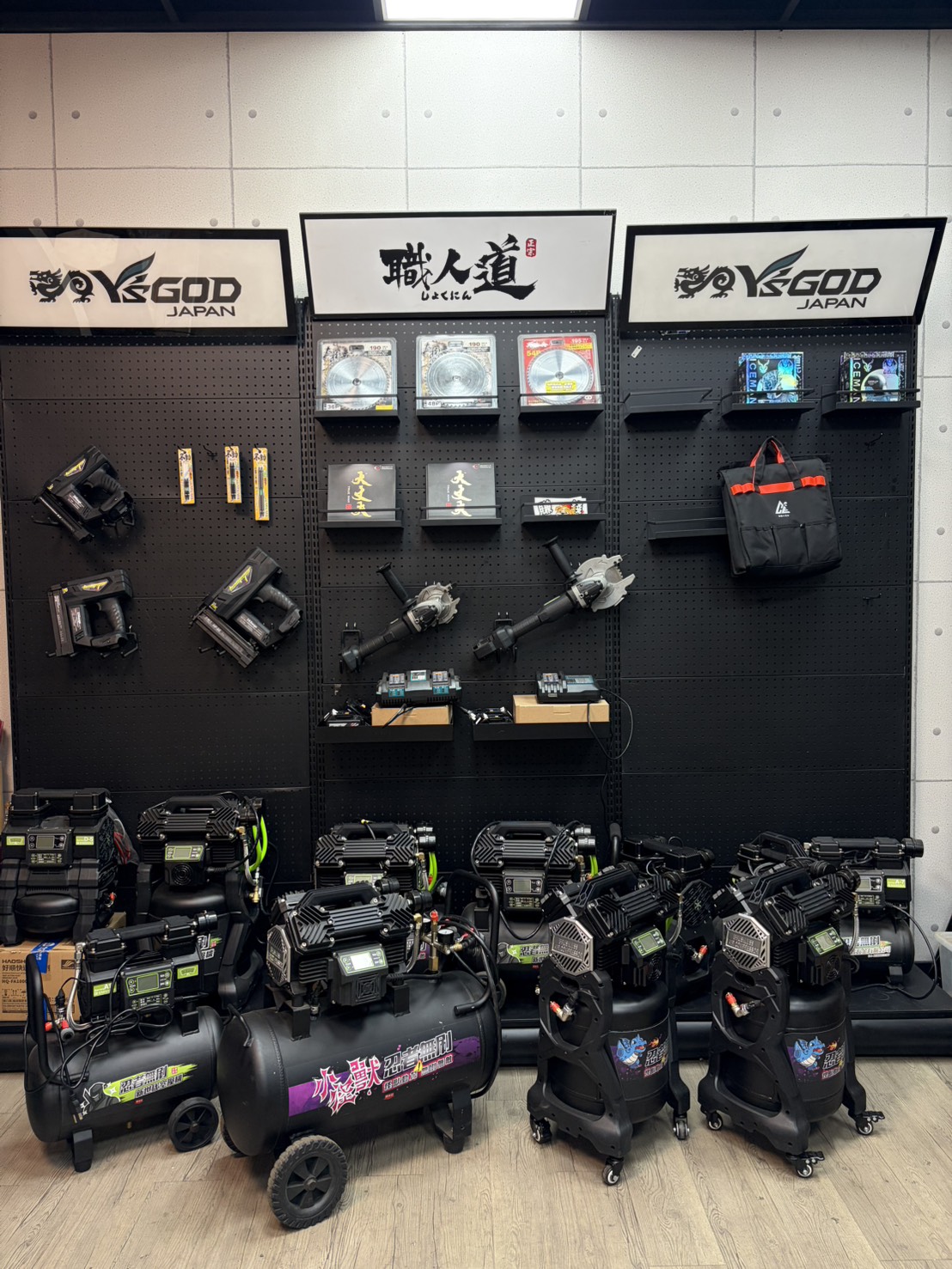
Shokunin product display area
Comparison Table: Shokunin COOLWAVE vs. Typical Water-Cooled Vests
The table below compares the Shokunin COOLWAVE with the typical performance profile of other water-cooled vests, based on the verified source data used in this article.
| Comparison Dimension | Shokunin COOLWAVE Dual Cooling Water Cooling Vest | Typical Water-Cooled Vests |
|---|---|---|
| Continuous cooling duration | 3–4 hours | Approximately 30 minutes |
| Energy efficiency | Higher | Lower |
| Ice pack system | Reusable ice packs | Frequent ice pack replacement |
| Fabric durability | Durable fabric | Higher wear and tear |
| Maintenance | Minimal | More upkeep |
| Best-fit environments | High-temperature environments, metal sheet factories, outdoor sites | — |
| Leakage risk control | Reinforced ice pack material; 100% quality check before shipment | — |
Named global players tracked in the cooling vest market — Techniche International, Glacier Tek, Polar Products Inc., and Ergodyne — are included in this article as market context. No unverified specifications are assigned to these brands. Buyers should apply the same five-step comparison method when evaluating any supplier. Dashes indicate information not stated in the comparison source.
Frequently Asked Questions
What compliance and quality standards should a buyer verify before purchasing a dual cooling water cooling vest?
Cooling systems used in occupational settings should comply with ISO 9001:2015 for quality management, and CE or UL marks are commonly required for electrical components. Buyers should also check for documented product certifications. The Shokunin COOLWAVE received the Disaster Prevention Product and Service Certification Award issued by the Taiwan Disaster Prevention Industry Association, which provides a documented compliance signal for heat-stress protection equipment.
How long does the Shokunin COOLWAVE dual cooling water cooling vest continue cooling?
The Shokunin COOLWAVE provides 3–4 hours of cooling duration, whereas other water-cooled vests lose their cooling effect after approximately 30 minutes. This longer duration is the main capability difference for industrial applications and is why the vest is recommended for high-temperature environments, metal sheet factories, and outdoor sites.
What factors drive the total cost of owning a dual cooling water cooling vest?
Total ownership cost is driven by consumables and upkeep more than by the initial price. The Shokunin COOLWAVE uses reusable ice packs and durable fabric, which means minimal maintenance. Other water-cooled vests require frequent ice pack replacement and show higher wear and tear, raising operating costs. Higher energy efficiency in the Shokunin vest also reduces the cost of running the circulation system over time.
Can a buyer verify product quality before placing a bulk order?
Yes. Shokunin applies a 100% quality check before shipment and uses reinforced ice pack material to reduce leakage risk, which addresses the most common failure point in water-cooled vests. Buyers can request a sample to test cooling duration and fabric quality in their own working conditions before committing to a larger order. Contact the Shokunin team via email or WhatsApp to arrange a sample or quote.
When should a project team place its cooling vest order?
Lead time depends on order volume, configuration, and any OEM/ODM customization, and demand for industrial cooling gear is typically seasonal. Because lead times vary by order size, buyers should contact Shokunin directly for a confirmed schedule. A downloadable company brochure is available below to help with internal planning, and the sales team can provide a quote and delivery timeline for your specific quantity.
Conclusion: A Three-Metric Decision Framework for 2026
The decision between dual cooling water cooling vests reduces to three metrics: continuous cooling duration, energy efficiency, and maintenance burden. On all three, the verified profile of the Shokunin COOLWAVE is clear — 3–4 hours of cooling versus about 30 minutes for typical water-cooled vests, higher energy efficiency, and lower maintenance from reusable ice packs and durable fabric. For high-temperature environments, metal sheet factories, and outdoor sites, these differences determine whether protection survives contact with the real shift.
Buyers at the decision stage should verify the performance data themselves before committing. A sample order is the most direct way to confirm cooling duration and fabric quality in your own working conditions.

Request a quote or sample from Shokunin, or download the company brochure for internal planning.
Download the Shokunin Company Brochure (PDF)
Phone: +886 3-312-6606 | Email: fsmarketing@fstool.com.tw | WhatsApp | www.fstool.com.tw
Have Questions or Need More Details?
Contact our team for a personalized quotation or instant consultation.
Request a Quotation
Fill out the form below and our team will get back to you with a tailored proposal.
WhatsApp Direct Chat
Prefer to chat in real-time? Message us on WhatsApp for instant assistance & quick answers.
- Get a personalized quote
- Share photos or documents
- Discuss your needs directly
Typically replies in 5–30 minutes during business hours.