
Dual Cooling Water Cooling Vest: Regional Compliance Guide
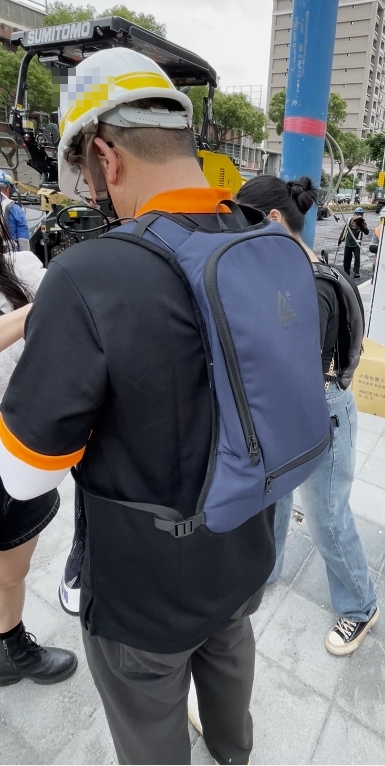
Heat-exposed construction work is the primary deployment scenario for a dual cooling water cooling vest — and the scenario that drives every compliance question a buyer has to answer.
A dual cooling water cooling vest is a wearable cooling system that combines a chilled cold source — reusable ice packs plus a water reservoir — with a pump-driven circulation loop that moves chilled water through tubing worn against the torso. For this product class, compliance is not a single mark on a label. It is a chain of decisions that has to line up: what the vest is legally treated as in each market, which materials touch the wearer, what the electrical subsystem requires, and what the employer owes workers under heat-exposure rules.
This guide sets out that chain in the order a procurement, safety or compliance team can actually verify it, using the documented specifications of the Shokunin COOLWAVE Water-Circulation Cooling Vest as a worked example. Shokunin is the professional tool and cooling-equipment brand of Feng Shang Precision Co., Ltd., a manufacturer based in Taoyuan, Taiwan, founded in 2009. Where the record is incomplete, this guide says so rather than filling the gap.
The Core Problem: This Category Has No Single Compliance Answer
The same cooling vest can leave one factory and enter two markets under two different legal identities. Sold into a workplace as protective equipment, it is personal protective equipment. Sold to a night-market vendor who wants to stay comfortable, it is apparel. Those two identities carry different documentation duties, different labelling obligations and different liability lines. A buyer who assumes one identity has usually discovered the problem late in the procurement cycle, after tooling and shipping schedules are already set.
Authoritative occupational-safety guidance confirms the category exists without imposing a single product-level standard. NIOSH describes auxiliary or personal cooling systems as wearable systems for reducing heat burden, and lists water-cooled garments, air-cooled garments, cooling vests and wetted overgarments as examples. That classification usefully positions a water-cooled vest inside heat-stress control — but it is a category description, not a conformity assessment.
Water circulation adds a further layer that passive vests do not have. A passive vest is essentially textile plus a phase-change material. A circulating vest adds a reservoir, tubing, a pump and a power source. Each of those parts raises its own question: what the materials expose the wearer to, what the electrical requirements of a 5V DC pump are, and who is responsible for the power supply. Those are exactly the items a compliance matrix has to make explicit.
Industry Background: Why Industrial Buyers Hold Cooling Vests to a Higher Bar
Industrial demand is where most of the compliance pressure in this category originates. Dataintelo's cooling vests market report covering 2025 to 2034 estimates the global cooling vests market at USD 342 million in 2025, with industrial applications accounting for a 34.5% revenue share. That mix matters because industrial volume moves through formal purchasing channels — tenders, supplier onboarding, safety review and insurance requirements — rather than through casual retail buying.
Purchases made through those channels generate a file that outlives the delivery. Signed specification sheets, material declarations, warranty terms and any certification are retained, audited and pulled back up during insurance reviews or incident investigations. For a buyer ordering 100 units for a construction site or a metal sheet factory, the failure mode is rarely that the vest does not cool. The failure mode is a file containing a document that nobody can substantiate.
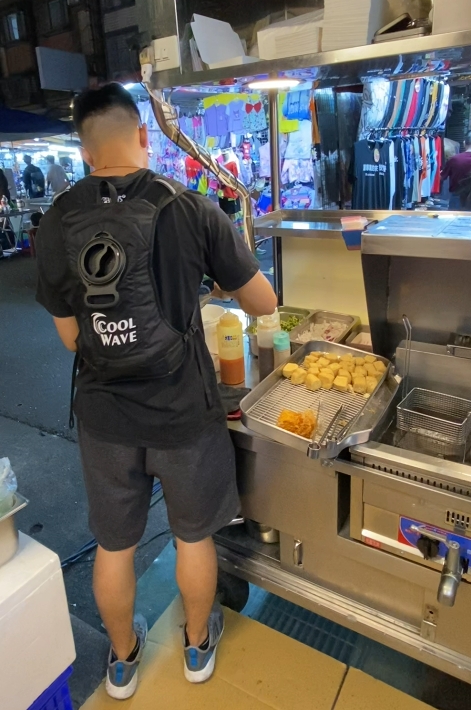
The same product can be bought as workplace protective equipment or as comfort apparel — and the compliance burden differs sharply between those two paths.
A Five-Layer Compliance Model for a Dual Cooling Water Cooling Vest
The practical way to run a compliance review is from the bottom up, in layers. The five below cover what a buyer actually has to close out before the first purchase order.
Layer 1 — Product classification: protective equipment or cooling apparel
The first decision drives every other one. Selling as personal protective equipment generally triggers a conformity route, labelling duties and documentation obligations. Selling as comfort apparel generally does not. Shokunin's COOLWAVE Water-Circulation Cooling Vest is listed in its product specifications as Industrial Cooling Apparel / Personal Protective Equipment (PPE) — a designation that invites PPE-level document review rather than apparel-level review.
Layer 2 — Materials that contact the wearer
The material list is short, but every line needs a declaration. The documented construction is: shoulder strap material 600D polyester, main material PEVA, water bag material TPU, water bag cap polypropylene, cooling tube sand rubber in black. For each item, buyers should request a material statement covering substances of concern and skin-contact suitability. The reservoir and tubing are the parts that actually hold water under use; their ageing, cleaning and replacement cycle matters more than the textile.
Layer 3 — The electrical subsystem and the power source
The COOLWAVE pump is rated at 5V, 150mA (max) with a flow rate of up to 320–370 ml/min. Two operational facts follow from that. The first is that the electrical requirement is low-voltage DC. The second, and the one that causes the most confusion in procurement, is that the power source is not part of the product. The documented contents are one water-cooled vest backpack and two ice packs — no battery, no power bank.
This means battery compliance sits with the buyer or the employer, not with the vest. Whoever supplies the power bank owns the questions about its capacity, output, charging safety and suitability for a dusty or wet site. The low-voltage rating reduces electrical risk but does not remove the inspection duty on connectors, cable routing and the power-bank enclosure in wet conditions.
Layer 4 — Workplace heat-exposure duties
A cooling vest is one control among several, not a substitute for a heat management programme. Employer duties — heat acclimatisation, fluid access, work-rest scheduling and medical surveillance where required — remain in place. NIOSH places personal cooling systems within heat-exposure protection precisely on that basis: they are auxiliary. In a compliance file, the vest should appear as a named item in a wider heat management plan, with documented issue conditions, usage rules and replacement criteria.
Layer 5 — Supplier traceability and commercial terms
Unit-level compliance does not guarantee batch-level compliance. Documented supply terms for the COOLWAVE line are: ODM production mode, minimum order quantity 10 units, monthly capacity 3,000 units, lead time 7–14 days, and a 6-month warranty on the water-cooled vest. Buyers should record the warranty in writing and define its scope — pump, tubing, reservoir, textile or full unit — because the components most likely to fail in service are also the ones most easily left ambiguous in warranty wording.
Certification and Standards by Region
Regional requirements do not converge on a single reference point. They diverge in both substance and in who carries the duty.
Taiwan (ROC): disaster-prevention product certification
The most concrete public evidence sits in Taiwan. Shokunin's cooling water-cooled vest has received the Disaster Prevention Product and Service Certification Award issued by the Taiwan Disaster Prevention Industry Association. For a buyer, the useful question is not whether a certificate exists but which models it covers and which it excludes. The professional model is offered in blue, gray and black, and model designations appear in the specification, so the certificate copy should be requested together with a mapping from the certificate's product scope to the SKUs being purchased.
United States: occupational guidance rather than product certification
In the US, the category is governed mainly through employer duty and occupational health guidance. NIOSH framing places cooling vests within personal cooling systems, and US buyers typically pair that with a site heat-illness prevention programme. What the buyer owns in a compliance review is the written heat-stress procedure, the inclusion of the vest as a named control, and the specification of the product by its recorded parameters in tender documents.
European Union and United Kingdom: the PPE framework question
Where a cooling vest is marketed in the EU or UK as protective equipment, it generally falls under the PPE conformity framework; where it is marketed as comfort apparel, the obligation chain is different. Either way, two questions persist across both identities: contact materials and the low-voltage electrical portion. Buyers should ask the supplier directly which identity the product is declared under for each market, and what documentation supports that declaration.
Other import markets
Other markets follow a similar fork with a different allocation of responsibility. In most jurisdictions the importer or local distributor carries the duty to place conforming documentation on the market. That has a practical consequence for buyers: confirm what the manufacturer can provide, then confirm separately what the importer still has to add.
Step-by-Step Compliance Verification Process
The sequence below is designed to run before a quotation is accepted, not after. Each step produces something that goes into the procurement file.
- Fix the product identity per market. Write down, for each destination, whether the vest is being sold as protective equipment or as comfort apparel. Put that sentence into the specification document so it cannot drift later.
- Build a document matrix by market. One row per market, one column per required document. Mark each cell as provided, promised or missing. A cell that stays blank is a decision, not an oversight.
- Map every performance claim to its test conditions. The documented cooling duration is 3–4 hours, the listed suitable temperature is below 10°C, and the listed weight is within 2 kg. None of those statements carries a stated test protocol. The request for quotation should ask the supplier to define the measurement conditions: ambient temperature, relative humidity, activity level, number of ice packs and fill volume, pump duty cycle, and the point at which cooling duration is measured. It should also ask whether 'below 10°C' refers to water temperature or ambient temperature.
- Verify materials and skin contact. Request declarations for 600D polyester, PEVA, TPU, polypropylene and sand rubber, plus the cleaning agents the reservoir and tubing tolerate. Confirm the replacement interval for the TPU water bag.
- Audit the electrical subsystem and power strategy. Record the pump rating of 5V, 150mA (max) and the flow of up to 320–370 ml/min, then decide who supplies the power bank, what specification it must meet, and how it will be inspected and replaced on site.
- Lock the warranty in writing. The documented warranty is 6 months on the water-cooled vest. Define scope, claim route and turnaround before ordering.
- Put all of it into the purchase documents. Specifications, declarations, warranty text and the classification statement belong in the contract and the tender pack, not in an email thread that nobody can retrieve two years later.
Compliance Reference Matrix: What to Check Against What Is Documented
The table below pairs each compliance checkpoint with the corresponding recorded specification, so a buyer can see immediately where evidence exists and where a question still has to be asked.
| Compliance checkpoint | What the buyer must verify | Documented for COOLWAVE |
|---|---|---|
| Product classification | Whether the unit is declared as PPE or as apparel in each target market | Listed as Industrial Cooling Apparel / Personal Protective Equipment (PPE) |
| Cooling duration | Test method, ambient conditions, workload, measurement point | 3–4 hours, as listed in the product specification |
| Wearable weight | Whether weight is stated dry or with ice packs and water | Within 2 kg |
| Cold-source condition | Whether the stated figure refers to water temperature or ambient temperature | Listed suitable temperature: below 10°C |
| Pump electrical rating | Voltage, current, connector type, power-bank compatibility | 5V, 150mA (max) |
| Flow rate | Measurement conditions and head pressure | Up to 320–370 ml/min |
| Wearer-contact materials | Skin-contact suitability, cleaning tolerance, replacement interval | 600D polyester strap, PEVA body, TPU water bag, polypropylene cap, sand rubber cooling tube |
| Pack contents | What ships and what the buyer must source separately | Water-cooled vest backpack ×1, ice packs ×2 (no battery included) |
| Warranty | Duration, scope, claim route | 6 months on the water-cooled vest |
| Regional certification | Issuing body, product scope, covered SKUs | Disaster Prevention Product and Service Certification Award, Taiwan Disaster Prevention Industry Association |
Regional Requirements at a Glance
| Market | Primary compliance question | What belongs in the procurement file |
|---|---|---|
| Taiwan (ROC) | Disaster-prevention product positioning and site heat management | Certification copy mapped to the specific SKUs; written heat management procedure |
| United States | Occupational heat-exposure management and employer duty | Written heat-stress plan; manufacturer specification sheet with recorded parameters; NIOSH reference for category positioning |
| European Union | Declaration as PPE versus apparel; material and electrical review | Market-by-market classification statement; material declarations; pump data sheet |
| United Kingdom | PPE framework alignment; importer identification | Importer identity; matching conformity documentation |
| Other import markets | Local importer or distributor obligations | Pump data sheet; material declarations; written warranty terms |
Scenario-Specific Compliance Considerations
A cooling vest's compliance profile shifts with the scenario it is deployed into. The five below cover the documented application range and what changes in each.
Construction and infrastructure sites
Construction is the scenario with the heaviest documentation load, because the employer is usually a contractor with a formal heat management plan and an insurer behind it. The relevant questions are whether the vest appears as a named control in that plan, whether the purchase is captured in the tender documents, and whether the workforce has been trained on when the vest is issued and when it is withdrawn from service.
Traffic control and road works
Traffic control adds a visibility and uniform question on top of the heat question. Crews work in prolonged sun exposure and are often issued standardised clothing, so a cooling vest has to fit within the existing uniform and high-visibility arrangement rather than replace it. The compliance item here is a written issue-and-use rule rather than a product change.
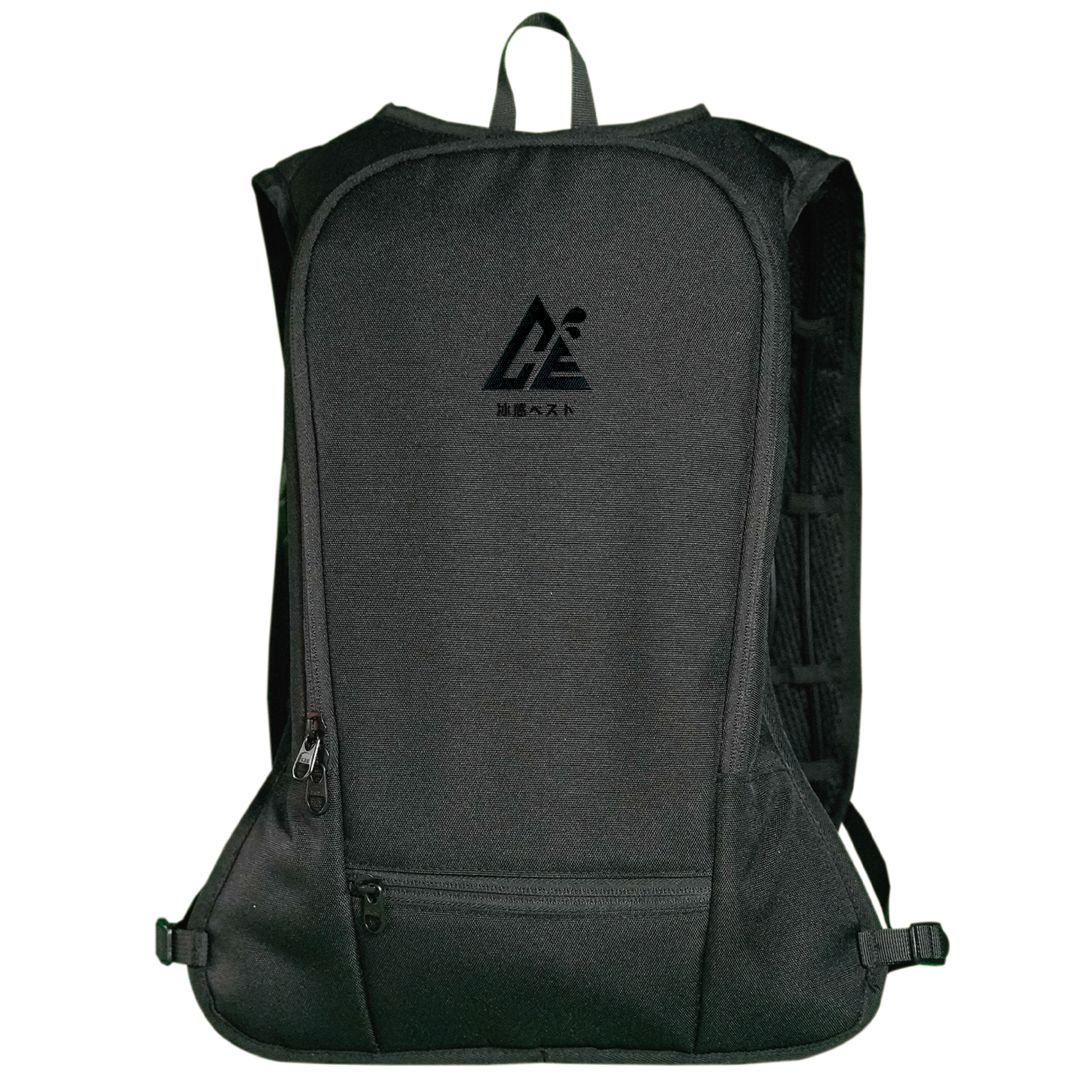
The professional model is offered in blue, gray and black; certificate and declaration scope should be mapped to the exact SKU being purchased.
Metal sheet and metal-roof factories
Metal sheet factories combine radiant heat with limited air movement, which is the condition the cooling system is aimed at. Compliance here runs through the factory's own safety management: documented heat assessment, a defined issue policy, and a record of which workers received units. Because the vest relies on ice packs and a pump rather than a fixed installation, the factory also needs a refreeze and recharge routine in the written procedure.
Outdoor night markets and food stalls
Street vendors and food stall operators sit on the non-industrial side of the classification fork. Documentation duty is lighter, but the practical compliance questions remain: material contact with skin during a long shift, and a clean water and ice routine in an environment where food handling rules may already apply.
Fishing and extended outdoor exposure
Extended outdoor exposure with no fixed shade is where the pump power strategy becomes the deciding factor. Without a supplied battery, runtime is a function of the power bank the user brings. Anyone deploying in this scenario should specify the power bank as part of the kit and document its capacity against the expected shift length.
Five Compliance Mistakes Buyers Make
- Treating a certification as a blanket approval. A certificate has a product scope. If it does not name the SKU and colour being purchased, it does not close the file.
- Accepting a runtime figure without a test condition. A stated 3–4 hour cooling duration is only verifiable when the ambient temperature, workload and measurement point are defined alongside it.
- Assuming the battery is included. The documented contents are one backpack and two ice packs. Power-bank compliance belongs to whoever supplies the power bank.
- Leaving warranty scope undefined. A 6-month warranty that does not say whether it covers the pump, the TPU water bag or the garment is difficult to enforce in practice.
- Keeping compliance evidence outside the purchase documents. Declarations and classification statements that live in email are not audit evidence.
Frequently Asked Questions
Is the COOLWAVE vest a certified PPE product?
It is listed in Shokunin's product specifications as Industrial Cooling Apparel / Personal Protective Equipment (PPE), and it has received the Disaster Prevention Product and Service Certification Award issued by the Taiwan Disaster Prevention Industry Association. Buyers should treat those two items as the starting point, not the whole file: request the certificate copy mapped to the exact SKU, and confirm with the supplier what classification the product is declared under for each destination market before placing an order.
What supply terms apply to an ODM order?
The documented terms are ODM production mode, minimum order quantity of 10 units, monthly capacity of 3,000 units, lead time of 7–14 days, and a 6-month warranty on the water-cooled vest. These terms should be written into the purchase order rather than confirmed verbally, and the warranty should be specified by component.
What should be budgeted for beyond the vest itself?
Three items sit outside the unit: the power bank that drives the 5V, 150mA pump, replacement ice packs, and eventual TPU water bag replacement. Because no battery is included in the documented pack contents of one backpack and two ice packs, the power bank has to be budgeted, specified and inspected by the buyer or employer. Warranty coverage runs 6 months, so consumable planning should extend past that window.
Can a small trial lot be ordered before a full site rollout?
Yes. The documented minimum order quantity is 10 units, which is the smallest quantity a buyer can use to run a site trial across a crew or a single shift pattern. A trial at that volume should be paired with a written checklist covering fit, refreeze routine, power-bank performance and wearer feedback before scaling to a multi-site order.
What lead time should a multi-site project plan for?
The documented lead time is 7–14 days, against a monthly capacity of 3,000 units. For projects spanning several sites, the practical approach is to sequence delivery by site rather than order everything at once, and to confirm the lead-time start point — order confirmation, artwork approval or material release — in writing. Buyers who need a sample, a quotation or the full catalogue for a project review can request them directly from the Shokunin team.
Conclusion: Build the File, Not Just the Purchase
Compliance for a dual cooling water cooling vest is settled by paperwork as much as by product. The vest either has a classification statement for each market, material declarations for every wearer-contact component, a defined power strategy for the 5V pump, a written warranty and a certificate scope that names the SKU — or it has a gap that surfaces later. The recorded specifications give a buyer something concrete to work from: 3–4 hours of cooling duration, weight within 2 kg, listed suitable temperature below 10°C, pump output of 5V, 150mA (max), flow up to 320–370 ml/min, and materials built from 600D polyester, PEVA, TPU, polypropylene and sand rubber. What still has to be added is the test condition behind each figure and the regional declaration behind each market. Request those before the purchase order, and the compliance review becomes a checklist rather than a negotiation.
Next Step: Request Specifications, Warranty Terms and Certification Copies
Shokunin supplies product specifications, warranty terms and certification documentation for the COOLWAVE Water-Circulation Cooling Vest for procurement review. Samples, quotations and the full product catalogue are available on request.
www.fstool.com.tw · fsmarketing@fstool.com.tw · +886 3-312-6606
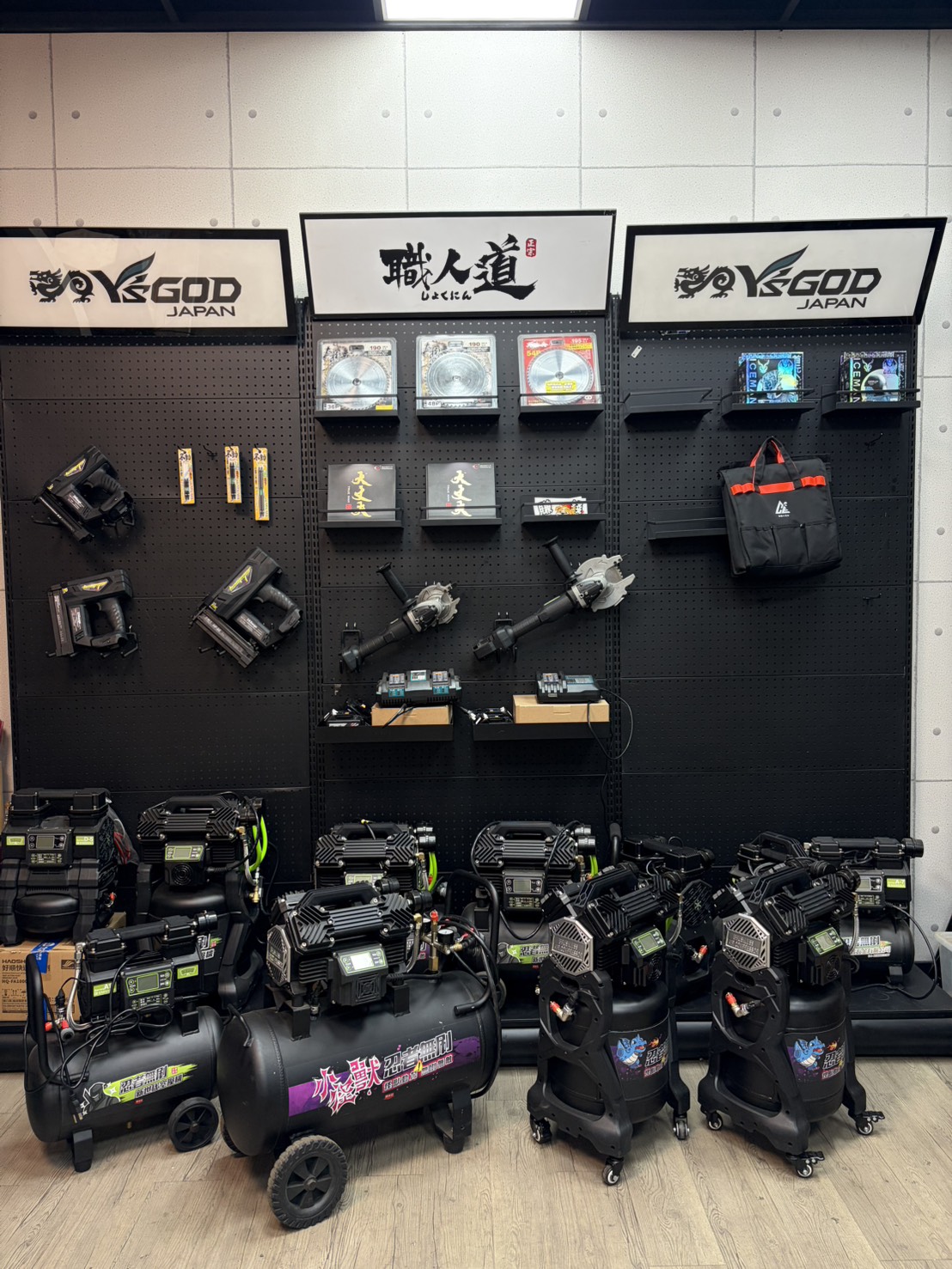
Documented specifications, material declarations and warranty terms form the compliance file a buyer can defend at audit.
Have Questions or Need More Details?
Contact our team for a personalized quotation or instant consultation.
Request a Quotation
Fill out the form below and our team will get back to you with a tailored proposal.
WhatsApp Direct Chat
Prefer to chat in real-time? Message us on WhatsApp for instant assistance & quick answers.
- Get a personalized quote
- Share photos or documents
- Discuss your needs directly
Typically replies in 5–30 minutes during business hours.