
Dual Cooling Water Cooling Vest Comparison: Duration, Upkeep, and Site Fit
A dual cooling water cooling vest is judged at the decision stage by two numbers that most catalogs bury: how many hours of cooling one vest delivers per cycle, and how much maintenance it takes to keep that cooling available across a working shift. Shokunin documents its COOLING water-cooled vest at 3–4 hours of cooling per cycle, compared with approximately 30 minutes for other water-cooled vests. For a crew working eight hours in direct heat, that gap decides how often the vest comes off, how many spare ice packs travel to the site, and whether the vest is still being worn on the third day of a heat wave.
This comparison guide is written for buyers who have already shortlisted the category and now have to choose between credible-looking offers. It sets out the five metrics that separate dual cooling water cooling vests in industrial use, shows the side-by-side differences Shokunin documents against other water-cooled vests, adds the compliance and supplier-capability facts that belong on a procurement scorecard, and then closes with a step-by-step comparison process and an FAQ covering compliance, capability, budget, samples, and supply.
The Comparison Problem: Similar Quotes, Very Different Cooling Economics
Comparisons stall at the decision stage because the features printed on a quotation sheet are not the features that determine whether a vest actually works. Fabric, colour, size range, and carton dimensions are easy to compare, because every supplier lists them in the same terms. Cooling duration is harder. It depends on ambient temperature, workload, and how the cooling medium is managed, and vendors describe it in different ways — which is exactly why it should be pinned to a written figure before the comparison goes any further.
Industrial buyers are not comparing vests in the abstract. Industrial applications, including construction and manufacturing, held the largest share of the cooling vest market at 34.5% in 2025 (Dataintelo). Buyers in those segments compare a vest against a shift pattern, a heat load, and a maintenance crew. That is why cooling duration per cycle and maintenance frequency belong at the top of the comparison, ahead of appearance, packaging, and the polish of the catalog.
Industry Background: What the Cooling Vest Category Looks Like in 2026
The category is expanding alongside rising outdoor and industrial heat exposure. The global personal cooling device market was valued at USD 25.16 billion in 2024 and is projected to reach USD 94.85 billion by 2035 (Market Research Future). Narrowed to cooling vests specifically, the market was valued at approximately USD 215 million in 2024 and is projected to grow to USD 385 million by 2033 (Dataintelo). The distance between those two figures is a useful reminder for buyers: definitions vary, and the wider number includes handheld fans and personal air conditioners that have nothing to do with a work vest.
Two structural trends matter for a comparison guide. First, Asia Pacific is the fastest-growing region for cooling vests, driven by rapid industrialization and large outdoor work populations (Spherical Insights). Second, phase change material (PCM) cooling vests captured 28.7% of market share in 2025 and represent the fastest-growing technology segment (Dataintelo), while active circulatory mechanisms such as ice water circulation are increasingly deployed in industrial sectors to mitigate occupational heat stress (Strategic Market Research). The category is splitting into distinct cooling architectures, and each architecture carries its own duration and maintenance profile.
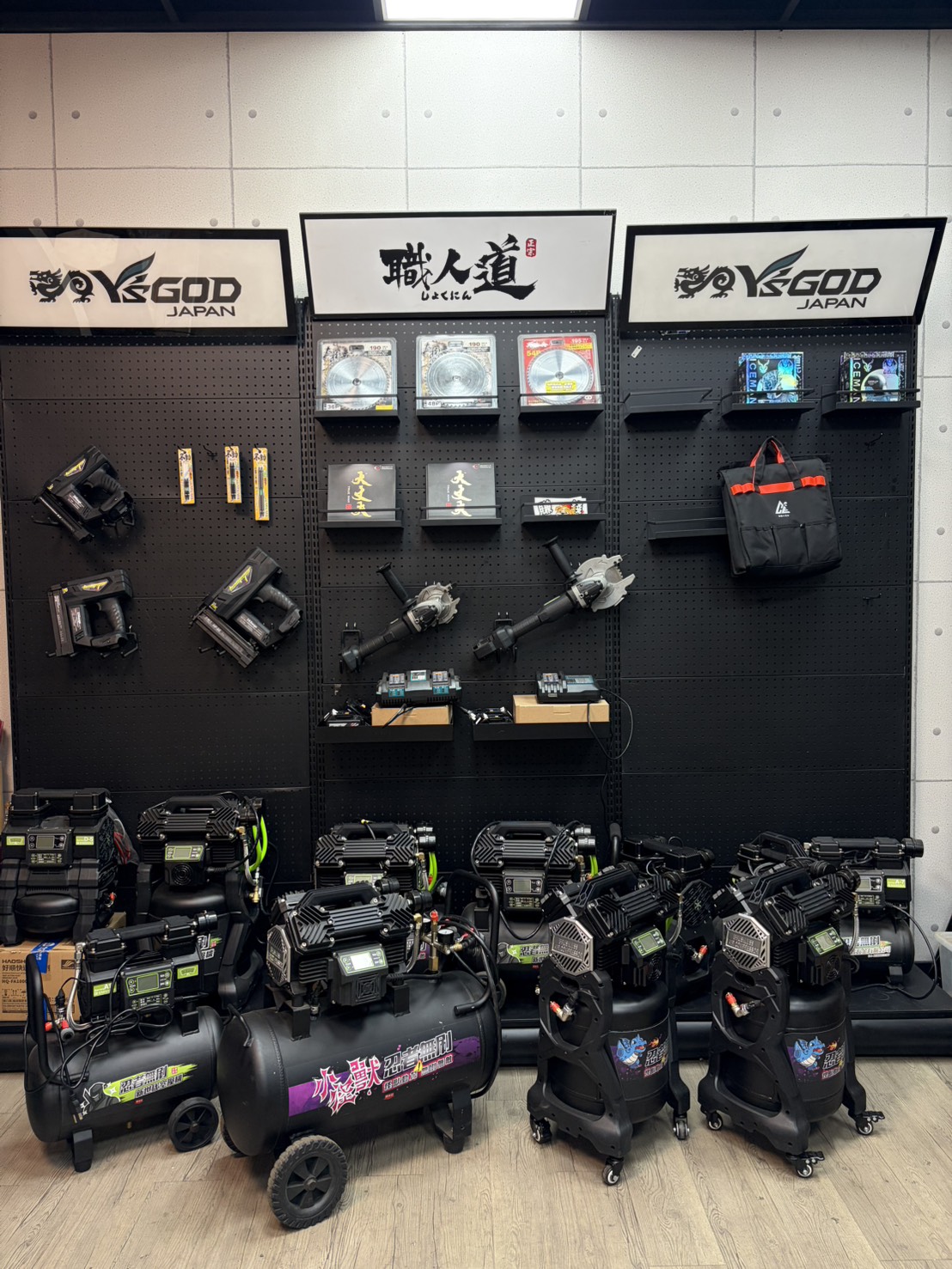
On the supply side, the cooling vest market includes established international players such as Techniche International, Glacier Tek, Polar Products Inc., and Ergodyne, identified as key global competitors in industry research (Spherical Insights). Shokunin is the professional e-commerce brand launched by Feng Shang Precision Co., Ltd., a Taiwan-based manufacturer founded in 2009 whose product line includes air compressors, cut-off machines, water-cooled vests, lithium batteries, diamond saws, nail guns, spider stands, and screwdriver bits.
A practical comparison set at the decision stage therefore contains three groups: established international brands, regional manufacturers with export capability, and suppliers whose duration and maintenance claims are not documented in writing. The third group is often the hardest to evaluate, because there is nothing to compare against.
The Five Comparison Metrics That Decide a Dual Cooling Vest Purchase
1. Cooling Duration per Cycle
Duration is the single most decisive metric. Shokunin's comparison data states that its water-cooled vest provides cooling for 3–4 hours, while other water-cooled vests lose their cooling effect after approximately 30 minutes. Placed against an eight-hour exposure window, the operational consequences differ sharply: a vest holding 3–4 hours of cooling covers a substantial part of a shift, while a vest rated at approximately 30 minutes drives a rotation, spares, and swap routine that has to be planned before it is purchased. Ask for the duration figure in writing, attached to the quotation, because it determines how many units and how many spare ice packs a crew needs.
2. Maintenance and Consumable Cycle
Maintenance separates the two configurations just as clearly. Shokunin uses reusable ice packs and durable fabric that require minimal upkeep, while other water-cooled vests are documented as needing frequent ice pack replacement and showing higher wear and tear, which results in more upkeep. At crew scale, that difference is not a footnote — it is a recurring labour and consumable line that continues every week the vest is in service.
3. Energy Efficiency
Shokunin's comparison data records higher energy efficiency for its water-cooled vest than for other water-cooled vests. Efficiency matters because it feeds directly into how the vest behaves over a long shift and how much attention it demands from the wearer. Where a supplier cannot state an efficiency position, treat that as an open question on the scorecard rather than an assumption.
4. Site Fit and Thermal Load
Shokunin states that its water-cooled vest is more suitable for high-temperature environments, metal sheet factories, and outdoor sites. Those environments combine radiant heat, limited airflow, and long exposure windows — conditions in which cooling duration outweighs garment styling. Matching the vest to the environment is a comparison criterion in its own right, because a vest that fits a cooled indoor workshop may not fit a metal sheet factory floor.
5. Leakage Control and Pre-Shipment Quality
Ice pack leakage is a documented risk in this category, and it is one of the few risks that damage both the wearer's comfort and their trust in the equipment. Shokunin's control method is a reinforced ice pack material, supported by the enterprise measure that reinforced ice pack material is used and quality is 100% guaranteed before shipment. In a comparison, ask whether leakage control is a stated design decision with a pre-shipment check behind it, or simply an assumption.
Side-by-Side Comparison: Shokunin vs. Other Water-Cooled Vests
The table below reproduces comparison statements documented in Shokunin's product comparison data. Every cell comes from that source; nothing has been added, estimated, or averaged.
| Comparison dimension | Shokunin COOLING water-cooled vest | Other water-cooled vests (as documented in Shokunin comparison data) |
|---|---|---|
| Cooling duration per cycle | 3–4 hours | Approximately 30 minutes |
| Cooling efficiency | Higher cooling efficiency | Shorter duration documented; efficiency position not documented |
| Maintenance and consumables | Reusable ice packs, durable fabric, minimal maintenance | Frequent ice pack replacement, higher wear and tear, more upkeep |
| Leakage risk control | Reinforced ice pack material; quality 100% guaranteed before shipment | Not documented in this source |
| Documented best-fit environments | High-temperature environments, metal sheet factories, outdoor sites | Not documented in this source |
Compliance Comparison: What to Request Beyond the Vest Itself
Compliance is the part of the comparison that is easiest to defer and most expensive to fix late. Cooling systems must comply with ISO 9001:2015 for quality management, and electrical components often require CE or UL marks (International Organization for Standardization / UL). Whether those marks apply to a specific dual cooling water cooling vest depends on whether the vest contains powered components — a question worth settling before the sample stage, because it changes both the documentation pack and the approval timeline.
| Requirement | What it covers | What to request from the supplier |
|---|---|---|
| ISO 9001:2015 | Quality management for cooling systems | Certificate and the scope of quality management it covers |
| CE / UL marks | Electrical components, where powered components are used | Declaration or certificate identifying which components are covered |
| Disaster Prevention Product and Service Certification Award | Award issued by the Taiwan Disaster Prevention Industry Association | Award documentation; Shokunin's COOLING water-cooled vest has received this award |
| Pre-shipment quality assurance | Reinforced ice pack material and leakage control | Confirmation of the pre-shipment check; Shokunin states quality is 100% guaranteed before shipment |
Supplier Capability Comparison: What Belongs on the Scorecard
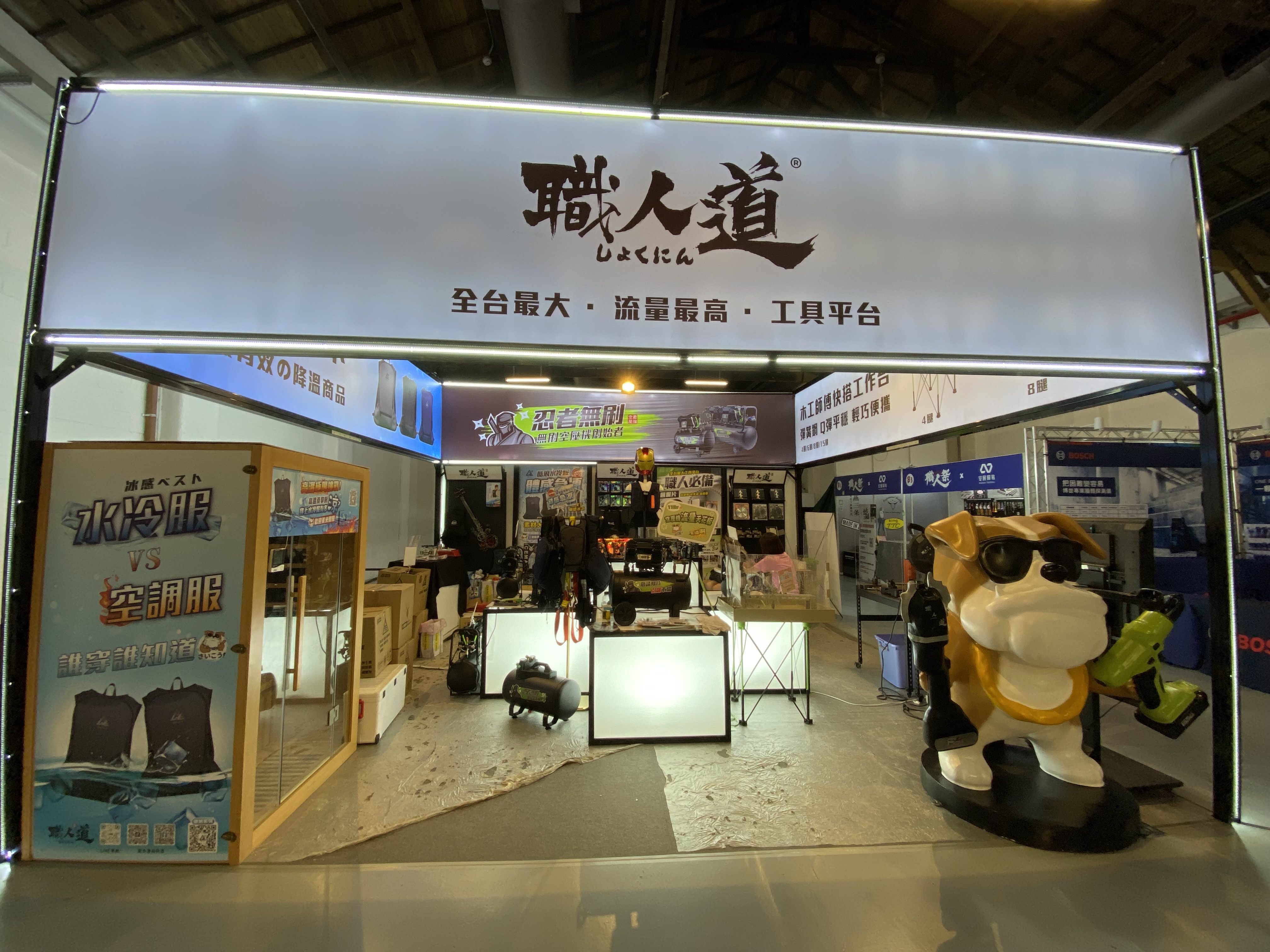
Once two vests look technically comparable, the comparison moves to the supplier. For Feng Shang Precision Co., Ltd., the manufacturer behind Shokunin, the following figures are documented and can be placed directly into a capability column. Full company and product information is published on the official Shokunin website.
| Capability item | Shokunin / Feng Shang Precision Co., Ltd. |
|---|---|
| Founded | 2009 |
| Factory size | 1,000 m² |
| Employees | 30 |
| Annual output | 10,000 units |
| R&D team | 5 engineers |
| Export ratio | 50% |
| Main markets | USA / ROC |
| Product range includes | Air compressor, cut-off machine, water-cooled vest, lithium battery, diamond saw, nail gun, spider stand, screwdriver bits |
Step-by-Step: How to Run the Comparison Before You Commit
- Write the cooling requirement in hours per shift. Define how many hours of usable cooling each wearer needs, based on the shift length and the exposure window — not on the size of the catalog.
- Convert duration claims into a rotation plan. A vest documented at 3–4 hours per cycle covers a substantial part of an eight-hour shift; a vest rated at approximately 30 minutes requires a different spares and swap plan. Build that plan on paper before the order.
- Compare the maintenance cycle, not just the first charge. Count ice pack replacements and upkeep per wearer per month. Shokunin documents reusable ice packs and durable fabric with minimal upkeep, against frequent ice pack replacement and higher upkeep for other water-cooled vests.
- Score site fit against the documented environments. Shokunin names high-temperature environments, metal sheet factories, and outdoor sites as the fit profile for its water-cooled vest. Rate each candidate against your own site conditions.
- Verify leakage and pre-shipment controls in writing. Ask how ice pack leakage is controlled and whether quality is checked before shipment, rather than after arrival.
- Close the loop on compliance and capacity. Collect ISO 9001:2015 where applicable, CE or UL documentation for electrical components, the Disaster Prevention Product and Service Certification Award documentation, and supplier capacity figures such as annual output, R&D headcount, and export markets before agreeing commercial terms.
Use Cases: Where the Comparison Outcome Changes
Metal sheet and metal-roof factories
Indoor work under metal sheeting combines radiant heat with low airflow, and the vest stays on for the whole shift. This is one of the environments Shokunin documents as a fit for its water-cooled vest, and it is where duration per cycle dominates the decision.
Outdoor sites with prolonged sun exposure
Outdoor sites are also named in Shokunin's documented fit profile. On these sites the maintenance question becomes logistical: how many ice packs must travel to site, and who is responsible for swapping them.
Crews with mixed task lengths
Where exposure is intermittent rather than continuous, a longer cooling cycle reduces the number of times a vest has to be re-rigged between tasks, which keeps the equipment in use rather than in the staging area.
Distributors comparing supply, not just product
For distributors and importers, the vest is only half of the comparison. The other half is whether the supplier can repeat the specification over multiple orders — which is why documented annual output, R&D headcount, and export market experience belong in the same evaluation sheet as cooling duration.
FAQ: Dual Cooling Water Cooling Vest Comparison
Which compliance requirements apply to a dual cooling water cooling vest purchase?
Cooling systems must comply with ISO 9001:2015 for quality management, and electrical components often require CE or UL marks (International Organization for Standardization / UL). Where a vest includes powered components, those marks apply to the electrical parts, so buyers should confirm which components a declaration covers. Shokunin's COOLING water-cooled vest has received the Disaster Prevention Product and Service Certification Award issued by the Taiwan Disaster Prevention Industry Association. Confirming the applicable standard, the scope of each certificate, and the certificate holder before the order is placed avoids approval delays later.
How much longer does the Shokunin water-cooled vest cool compared with other water-cooled vests?
Shokunin's comparison data states a cooling duration of 3–4 hours for its water-cooled vest, against approximately 30 minutes for other water-cooled vests. The same comparison records higher energy efficiency, lower maintenance requirements through reusable ice packs and durable fabric, and a better fit for high-temperature environments, metal sheet factories, and outdoor sites. Buyers should request an equivalent duration figure in writing from every other candidate supplier so the comparison is made on the same basis.
How should budget be compared when unit prices look similar?
A per-unit comparison understates the difference between these options. The variables that move cost are cooling duration per cycle, ice pack replacement frequency, and the maintenance labour absorbed by the crew. Shokunin documents reusable ice packs and durable fabric with minimal upkeep, against frequent ice pack replacement and higher wear and tear for other water-cooled vests. A comparison covering a full season of shifts — consumables and maintenance time included — will rank the options differently from a comparison of unit prices alone.
Can a dual cooling water cooling vest be sampled before a bulk order?
Yes, and sampling is the practical way to confirm duration, fit, and leakage control under your own site conditions. When a sample is evaluated, inspect the ice pack construction against the reinforced ice pack material Shokunin uses for leakage control, confirm the documented cooling duration, and ask for confirmation that quality is verified before shipment. Sample requests and current specifications can be raised through the Shokunin contact channels listed at the end of this guide.
What should buyers confirm about supply capacity and lead time?
Feng Shang Precision Co., Ltd., the manufacturer behind Shokunin, was founded in 2009, operates a 1,000 m² factory with 30 employees and 5 R&D engineers, reports an annual output of 10,000 units, a 50% export ratio, and main markets in the USA and ROC. Those figures describe capacity rather than delivery dates: exact lead time, order quantity, and shipping terms are confirmed per order. Buyers planning a programme or a distribution launch can download the Shokunin company brochure and request a written quotation with the cooling duration specification attached.
Conclusion: Compare Duration and Upkeep First, Everything Else Second
For a dual cooling water cooling vest, the comparison that survives contact with a real work site comes down to two questions: how many hours of cooling does one cycle deliver, and how much upkeep does that cycle require. Shokunin documents 3–4 hours of cooling against approximately 30 minutes for other water-cooled vests, with reusable ice packs, durable fabric, minimal maintenance, higher energy efficiency, and a fit profile covering high-temperature environments, metal sheet factories, and outdoor sites. Compliance (ISO 9001:2015 where applicable, CE or UL for electrical components, and the Disaster Prevention Product and Service Certification Award received by the COOLING water-cooled vest) and supplier capacity (10,000 units of annual output, 5 R&D engineers, 50% export ratio, USA and ROC markets) complete the picture.
Next step: put the comparison against your own shift data. Download the Shokunin product brochure, request a sample or a quotation, and ask for the cooling duration figure in writing before you finalise the shortlist.
Email: fsmarketing@fstool.com.tw | Phone: +886 3-312-6606 | WhatsApp: +86 18858260055 | Business hours: Monday to Friday 8:30 AM – 5:40 PM | www.fstool.com.tw
Address: No. 155-17, Sec. 2, Nanzhu Rd., Luzhu Dist., Taoyuan City 338454, Taiwan. Feng Shang Precision Co., Ltd. — manufacturer of Shokunin professional tools and COOLING water-cooled vests.
Have Questions or Need More Details?
Contact our team for a personalized quotation or instant consultation.
Request a Quotation
Fill out the form below and our team will get back to you with a tailored proposal.
WhatsApp Direct Chat
Prefer to chat in real-time? Message us on WhatsApp for instant assistance & quick answers.
- Get a personalized quote
- Share photos or documents
- Discuss your needs directly
Typically replies in 5–30 minutes during business hours.