
Dual Cooling Water Cooling Vest: Category Basics for Buyers
Dual Cooling Water Cooling Vest: Category Basics for Buyers
Short answer: A dual cooling water cooling vest is a wearable cooling garment that combines a stored cold source — in the Shokunin water-cooled vest, reusable ice packs — with an active water-circulation path, so chilled water keeps moving across the torso instead of sitting in one place. The Shokunin water-cooled vest is documented at 3–4 hours of cooling duration, compared with roughly 30 minutes for other water-cooled vests.
Buyers usually meet this category by accident. A crew working in high heat asks for something better than a wet towel, someone searches for a cooling vest, and the results mix ice-pack vests, phase change material (PCM) vests and water-circulation vests under labels that are rarely defined. This article covers the explainer step rather than the shortlist step: what dual cooling refers to in a water cooling vest, what sits inside the garment, how one cooling cycle runs from frozen ice pack to warm return water, where the category fits on site, and how dual cooling water circulation compares with the approaches that appear beside it in the same search results.
What Dual Cooling Means in a Water Cooling Vest
Dual cooling describes a design in which two cooling functions work at the same time: a stored cold source that holds a low temperature, and an active circulation path that distributes that cold across the body. In a water cooling vest, the stored cold comes from chilled water and the frozen or reusable ice packs in the reservoir, while the circulation is the water loop that carries that chilled water through the garment.
The distinction matters because a single-function garment behaves differently. An ice-pack-only vest cools where the pack touches the body and stops cooling once the pack warms to skin temperature. A dual cooling water cooling vest continues transferring heat for as long as the circulating water stays cold, and spreads that transfer across the torso instead of concentrating it under one panel. Duration is the number that separates one dual cooling design from another: Shokunin documents 3–4 hours of cooling for its water-cooled vest, while other water-cooled vests are documented as losing their cooling effect after approximately 30 minutes.
Terminology in this category is looser than it looks. The same architecture appears in catalogs and search results as an ice water circulation cooling vest, a water-circulation cooling vest, a circulating cooling vest or — where a portable battery drives the loop — a power-bank cooling vest. These are naming variants of one concept rather than separate product classes. When two listings use different words for the same architecture, the useful question is not which name sounds more advanced, but what measured cooling duration and maintenance profile each design delivers.
Problem Definition: Why Heat Needs a Garment-Level Answer
Heat stress develops when the body produces heat faster than it can release it. On industrial and outdoor sites, that gap widens for reasons that have little to do with personal fitness: radiant heat from metal roofs and sheet stock, direct sun across a full shift, limited shade, and protective clothing that traps heat against the body. The usual controls — shade, hydration, work–rest rotation, moving heavy tasks to cooler hours — reduce exposure, but they do not follow a worker from task to task.
Personal cooling garments exist to close that specific gap. Instead of cooling a space, they cool the person, so the cooling moves with the worker. A dual cooling water cooling vest belongs to this protective layer, alongside hydration and shift planning. Its limits deserve the same plain statement as its benefits: it supplements engineering and administrative heat controls rather than replacing them, and its cooling window has to be planned against the length of the task. A design that holds 3–4 hours and a design that fades after about 30 minutes solve very different parts of a shift.
Industry Background: A Small Garment Category Inside a Large Cooling Market
Cooling vests are a niche inside a much larger personal cooling market, and published estimates differ sharply depending on how wide that market is drawn. Market Research Future values the global personal cooling device market — a definition that includes handheld fans and other cooling devices, not vests alone — at USD 25.16 billion in 2024, projected to reach USD 94.85 billion by 2035. Dataintelo, measuring the cooling vest segment specifically, puts that narrower market at approximately USD 215 million in 2024, projected to grow to USD 385 million by 2033. The two figures are not in conflict; they measure different boundaries.
| Market measure | Value | Scope | Source |
|---|---|---|---|
| Personal cooling device market, 2024 | USD 25.16 billion | Global; all personal cooling devices | Market Research Future |
| Personal cooling device market, projected 2035 | USD 94.85 billion | Global | Market Research Future |
| Cooling vest market, 2024 | ≈ USD 215 million | Global; cooling vests only | Dataintelo |
| Cooling vest market, projected 2033 | USD 385 million | Global; cooling vests only | Dataintelo |
| Fastest-growing region | Highest CAGR | Asia Pacific | Spherical Insights |
| Largest application segment, 2025 | 34.5% market share | Industrial, incl. construction and manufacturing | Dataintelo |
| Fastest-growing technology segment, 2025 | 28.7% market share | Phase change material (PCM) vests | Dataintelo |
Two structural points matter more to a buyer than the headline sizes. First, Asia Pacific is identified as the fastest-growing region for cooling vests, driven by rapid industrialization and large outdoor work populations. Second, industrial applications held the largest share of the cooling vest market at 34.5% in 2025, which lines up with the site types vendors document most often: high-temperature environments, metal sheet factories and outdoor sites. Within the technology mix, PCM vests took 28.7% of market share in 2025, while active circulatory mechanisms — the water-circulation family this article covers — continue to be deployed in industrial sectors specifically to mitigate occupational heat stress.
Detailed Solution: What Sits Inside a Dual Cooling Water Cooling Vest
Strip away product names and a dual cooling water cooling vest is a short list of parts, each with one job. The Shokunin water-cooled vest is a practical reference because its component choices are documented rather than implied.
1. The cold source
Frozen or reusable ice packs hold the low temperature that the whole system depends on. Reusable packs matter for both cost and routine: they refreeze between shifts, so the same set returns to service the next day. The Shokunin water-cooled vest uses reusable ice packs, which is one reason its documented maintenance requirement is lower than that of vests that need frequent ice pack replacement.
2. The circulation path
Chilled water has to move, otherwise cooling collapses into the single contact patch of an ice pack. The circulation path spreads chilled water across the vest cooling surface, keeping the effect distributed over the torso through a shift instead of fading in one spot.
3. The vest body
The garment is the interface between the cooling system and the worker. Fabric has to hold the cooling path against the body, survive daily industrial use and be cleanable. Shokunin pairs its water-cooled design with durable fabric intended for repeated use rather than one-off tasks.
4. The drive
Active circulation needs a drive, and drives introduce electrical components. Verified industry guidance notes that cooling systems must comply with ISO 9001:2015 for quality management and often require CE or UL marks for electrical components — a reminder that the electrical side of a cooling vest is a compliance question, not only a performance question.
5. Ice pack leakage control
Leakage is the failure mode that ends a cooling vest working life early, because a leaking pack damages both the garment and the shift. Shokunin control method for ice pack leakage is a reinforced ice pack material, with 100% quality guaranteed before shipment.
6. The manufacturer behind the garment
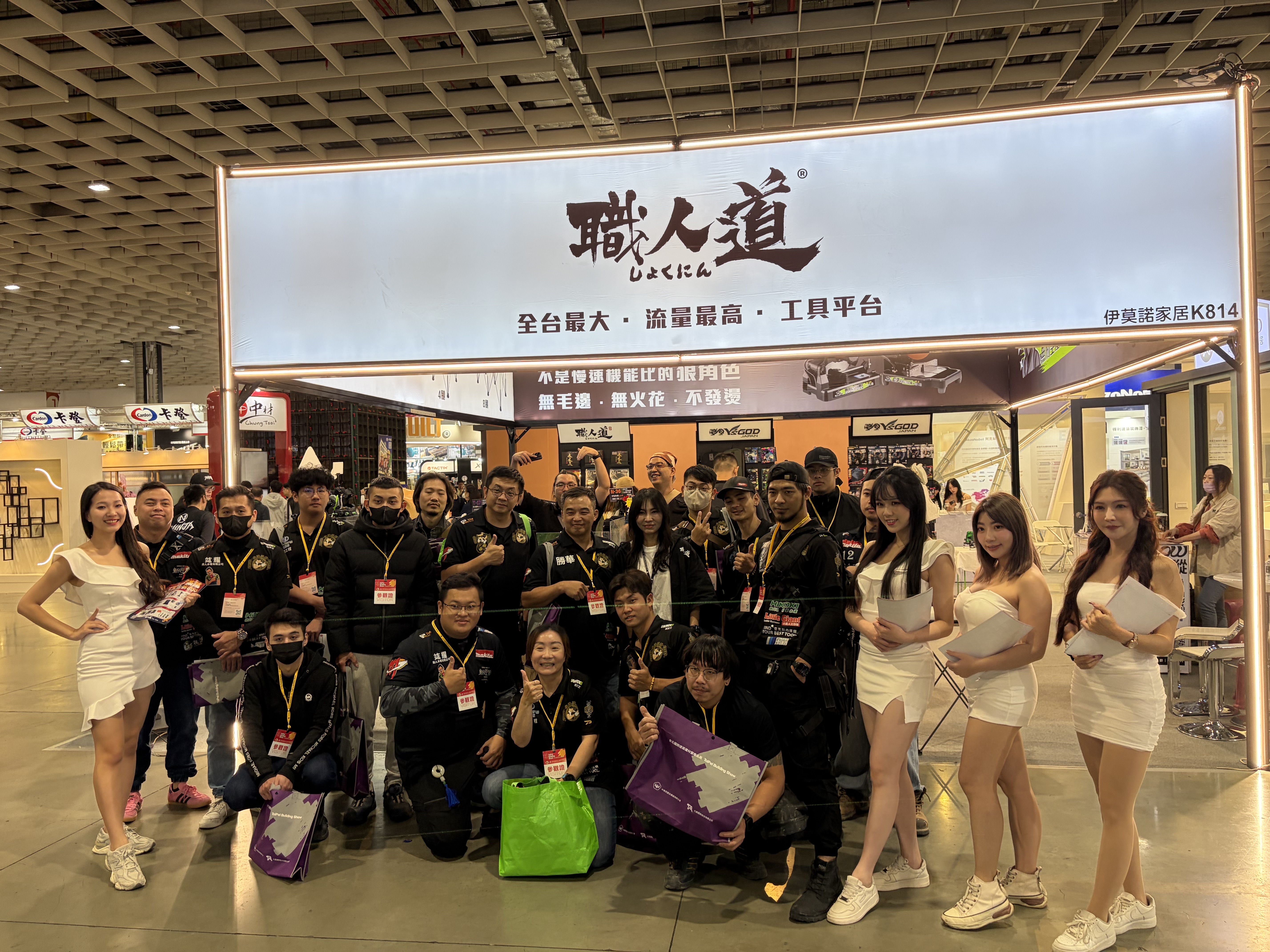
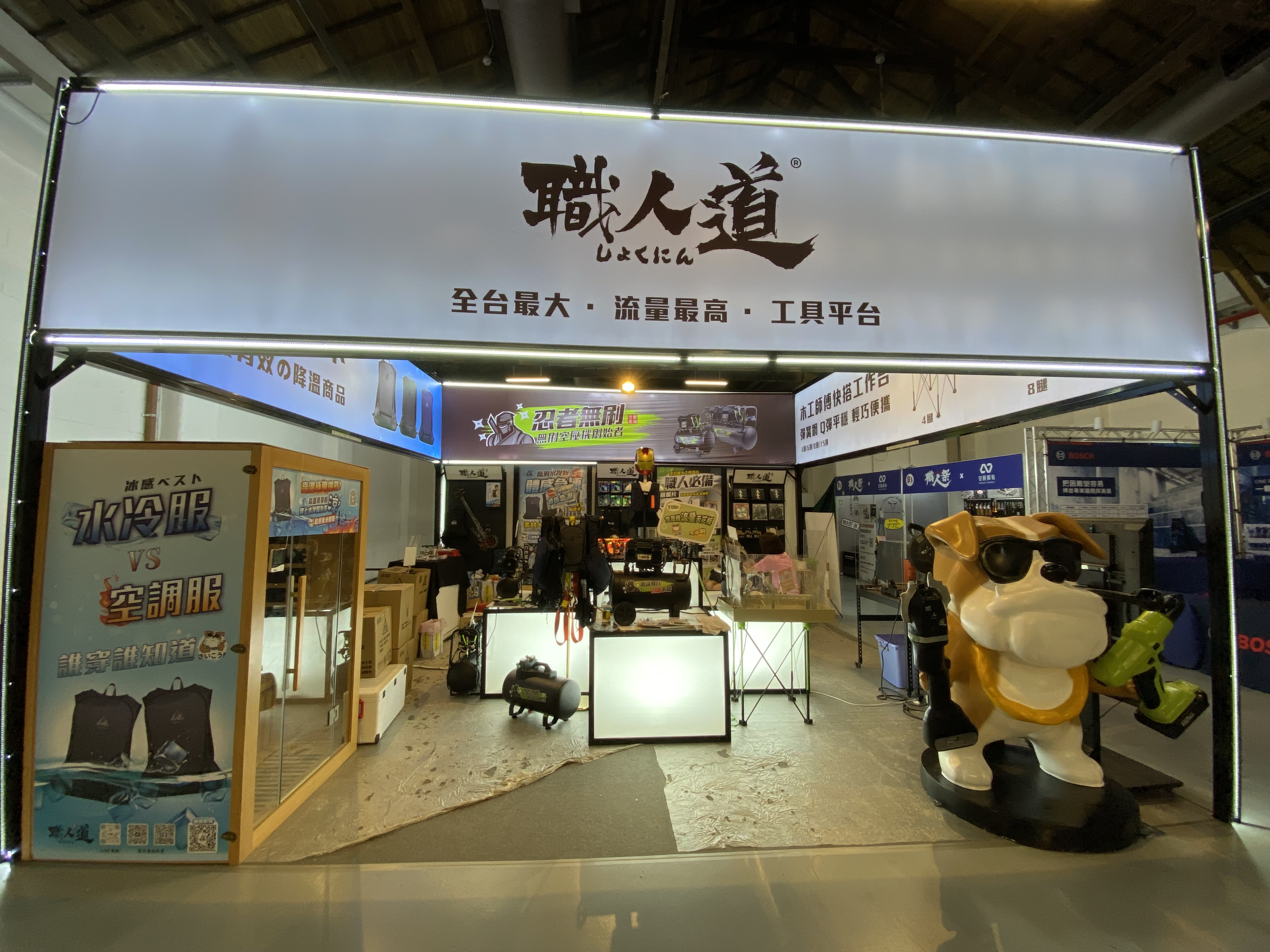
Cooling apparel is manufactured, and the manufacturing entity belongs to the product story. Shokunin is a professional e-commerce brand launched by Feng Shang Precision Co., Ltd., a Taiwan-based manufacturer founded in 2009 with a 1,000 m² factory, 30 employees, 5 R&D engineers and an annual output of 10,000 units. Roughly 50% of that output is exported, with the USA and Taiwan among its main markets, and the COOLING water-cooled vest has received the Disaster Prevention Product and Service Certification Award issued by the Taiwan Disaster Prevention Industry Association.
Step-by-Step: How One Cooling Cycle Runs
- Charge the cold source. Freeze the ice packs (and chill water where the procedure calls for it). The cooling capacity of the shift is largely fixed at this step.
- Load and fit the vest. Packs go into the reservoir and the vest is fitted so the cooling surface stays against the torso; a loose fit reduces contact, and less contact means less cooling.
- Start circulation. Chilled water begins moving through the vest cooling path instead of resting in one chamber.
- Transfer heat. Body heat moves into the circulating water, which is why the water warms over time rather than holding its starting temperature.
- Run to the documented window. Cooling lasts 3–4 hours in the Shokunin water-cooled vest, against approximately 30 minutes in other water-cooled vests. Shift planning happens here: a task shorter than the window needs no rotation, while a longer task needs a second set of packs or a scheduled break.
- Recover and repeat. Reusable ice packs refreeze and durable fabric with minimal upkeep keeps the garment in rotation. Vests that require frequent ice pack replacement carry higher wear and tear, more upkeep and more handling time between shifts.
Use Cases: Where the Category Fits
The documented fit for the Shokunin water-cooled vest is high-temperature environments, metal sheet factories and outdoor sites — a set that matches the industrial segment holding the largest share of the cooling vest market.
- Metal sheet and metal-roof factories: radiant heat from sheet stock and roofing keeps working areas hot even where air movement exists, and production continues through the hottest hours.
- Outdoor sites with prolonged sun exposure: construction, traffic control and street-level work share the same problem of direct sun with limited shade.
- High-temperature process areas: any indoor environment where the task has to continue while the heat does.
Knowing where the category does not fit is just as useful. A task that runs longer than the cooling window, with no second set of packs, will not be solved by a vest alone. A site with no heat controls at all should treat a cooling vest as one addition to a plan rather than the plan itself.
Comparison: Dual Cooling Water Circulation vs. Other Approaches
The table compares the water-cooled vest design with the alternatives a buyer meets in the same search results. Only documented figures are used; where a source does not state a value, the table says so.
| Dimension | Dual cooling water circulation (Shokunin water-cooled vest) | Other water-cooled vests | PCM (phase change material) vests |
|---|---|---|---|
| Cooling duration | 3–4 hours | Cooling lost after approximately 30 minutes | Not stated in source data |
| Cold source | Reusable ice packs | Ice packs; frequent replacement required | Phase change material; 28.7% market share in 2025 |
| Maintenance profile | Reusable ice packs, durable fabric, minimal upkeep | Frequent ice pack replacement, higher wear and tear, more upkeep | Not stated in source data |
| Efficiency | Higher cooling efficiency documented against other water-cooled vests | Lower | Not stated in source data |
| Documented fit | High-temperature environments, metal sheet factories, outdoor sites | Not stated in source data | Not stated in source data |
Source basis: Shokunin comparison documentation; Dataintelo (cooling vest market and PCM segment share); ISO and UL (quality management and electrical component requirements). For category context, published market analysis names Techniche International, Glacier Tek, Polar Products Inc. and Ergodyne among the key global competitors in the cooling vest market; this article does not compare their specifications, and buyers evaluating them should verify duration, maintenance and electrical compliance directly with each supplier.
Frequently Asked Questions
What standards or certifications apply to a dual cooling water cooling vest?
Cooling systems must comply with ISO 9001:2015 for quality management, and electrical components in cooling systems often require CE or UL marks. The Shokunin COOLING water-cooled vest has received the Disaster Prevention Product and Service Certification Award issued by the Taiwan Disaster Prevention Industry Association. Because the electrical requirement attaches to the drive rather than to the garment category as a whole, buyers specifying for regulated sites should confirm which marks apply to the specific model and its components.
How long does a dual cooling water cooling vest stay cool?
Duration depends on the design. The Shokunin water-cooled vest provides cooling for 3–4 hours, while other water-cooled vests are documented as losing their cooling effect after approximately 30 minutes. The practical way to compare two candidates is to ask for a stated cooling duration, then match that window against the length of the task the vest is meant to cover.
What maintenance and upkeep should be planned for?
The Shokunin design uses reusable ice packs and durable fabric that require minimal upkeep, in contrast to other water-cooled vests that need frequent ice pack replacement and carry higher wear and tear and more upkeep. In practice, planning means freezer space for refreezing packs between shifts, a cleaning routine for the fabric, and enough pack sets on hand to cover tasks that exceed the 3–4 hour cooling window.
How is ice pack leakage controlled?
Ice pack leakage is a recognized risk type in this category. The Shokunin control method is a reinforced ice pack material, with 100% quality guaranteed before shipment. For buyers, the checkable questions are whether the packs are reinforced and whether pre-shipment inspection is part of the supplier stated process.
Where can buyers get specifications or ask about a specific site?
The Shokunin cooling product brochure can be downloaded here: Shokunin cooling product brochure (PDF). Shokunin is the professional e-commerce brand of Feng Shang Precision Co., Ltd.; the team can be reached at +886 3-312-6606 or fsmarketing@fstool.com.tw, or on WhatsApp at +86 18858260055, during business hours from Monday to Friday, 8:30 AM to 5:40 PM. For site-specific questions, describing the environment — indoor process heat, metal sheet production or prolonged sun exposure — is the fastest way to match the vest to the task.
Conclusion
A dual cooling water cooling vest is defined less by its name than by two numbers: how long the cooling lasts, and how much upkeep the design demands between shifts. The architecture — a stored cold source plus active circulation — is what separates the water-circulation family from an ice-pack-only garment, and the documented 3–4 hour window of the Shokunin water-cooled vest is what separates it from other water-cooled vests that lose cooling after about 30 minutes. For buyers at the evaluation stage, the sequence is straightforward: confirm the terminology, confirm the duration, confirm the maintenance and leakage controls, then confirm the compliance marks on the electrical side. Category data supports the direction of the decision — industrial applications hold the largest share of the cooling vest market and Asia Pacific is its fastest-growing region — but the site in front of you determines the final choice.
Next Step: Match the Vest to Your Site
Download the Shokunin cooling product brochure for the full specification set: cooling product brochure (PDF).
Website: www.fstool.com.tw | Email: fsmarketing@fstool.com.tw | Phone: +886 3-312-6606 | WhatsApp: +86 18858260055
Business hours: Monday to Friday, 8:30 AM – 5:40 PM. Address: No. 155-17, Sec. 2, Nanzhu Rd., Luzhu Dist., Taoyuan City 338454, Taiwan.
Have Questions or Need More Details?
Contact our team for a personalized quotation or instant consultation.
Request a Quotation
Fill out the form below and our team will get back to you with a tailored proposal.
WhatsApp Direct Chat
Prefer to chat in real-time? Message us on WhatsApp for instant assistance & quick answers.
- Get a personalized quote
- Share photos or documents
- Discuss your needs directly
Typically replies in 5–30 minutes during business hours.