
Dual Cooling Water Cooling Vest: A Recommendation Shortlist for Long-Term Deployment
This shortlist ranks dual cooling water cooling vest configurations for buyers who are past the first purchase and now have to keep a crew cooled for a full season. It is written for procurement managers, safety officers and distributors in the Decision-to-Execution stage, and every recommendation is tied to a documented product, capacity or commercial fact rather than to a marketing claim.
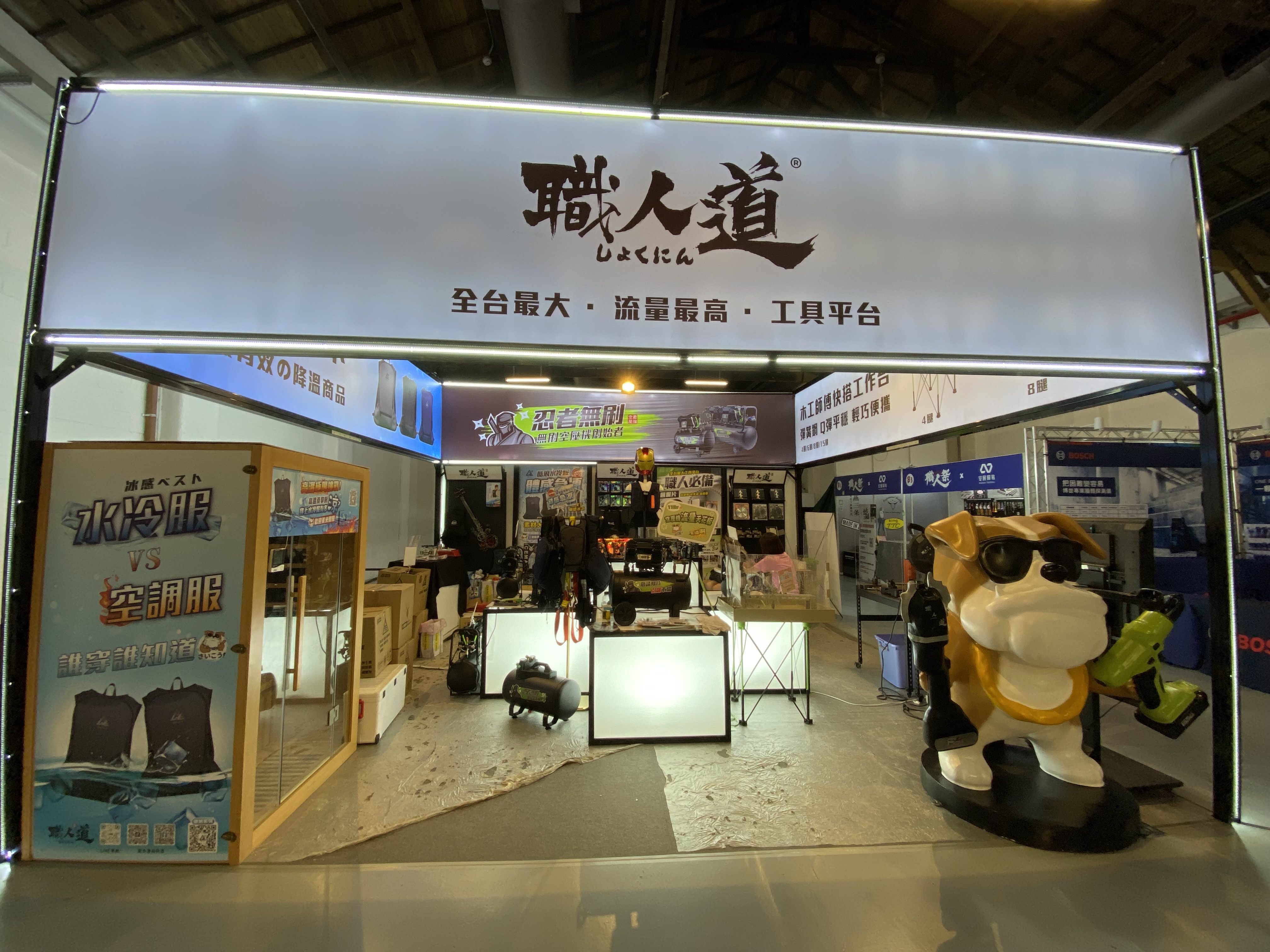
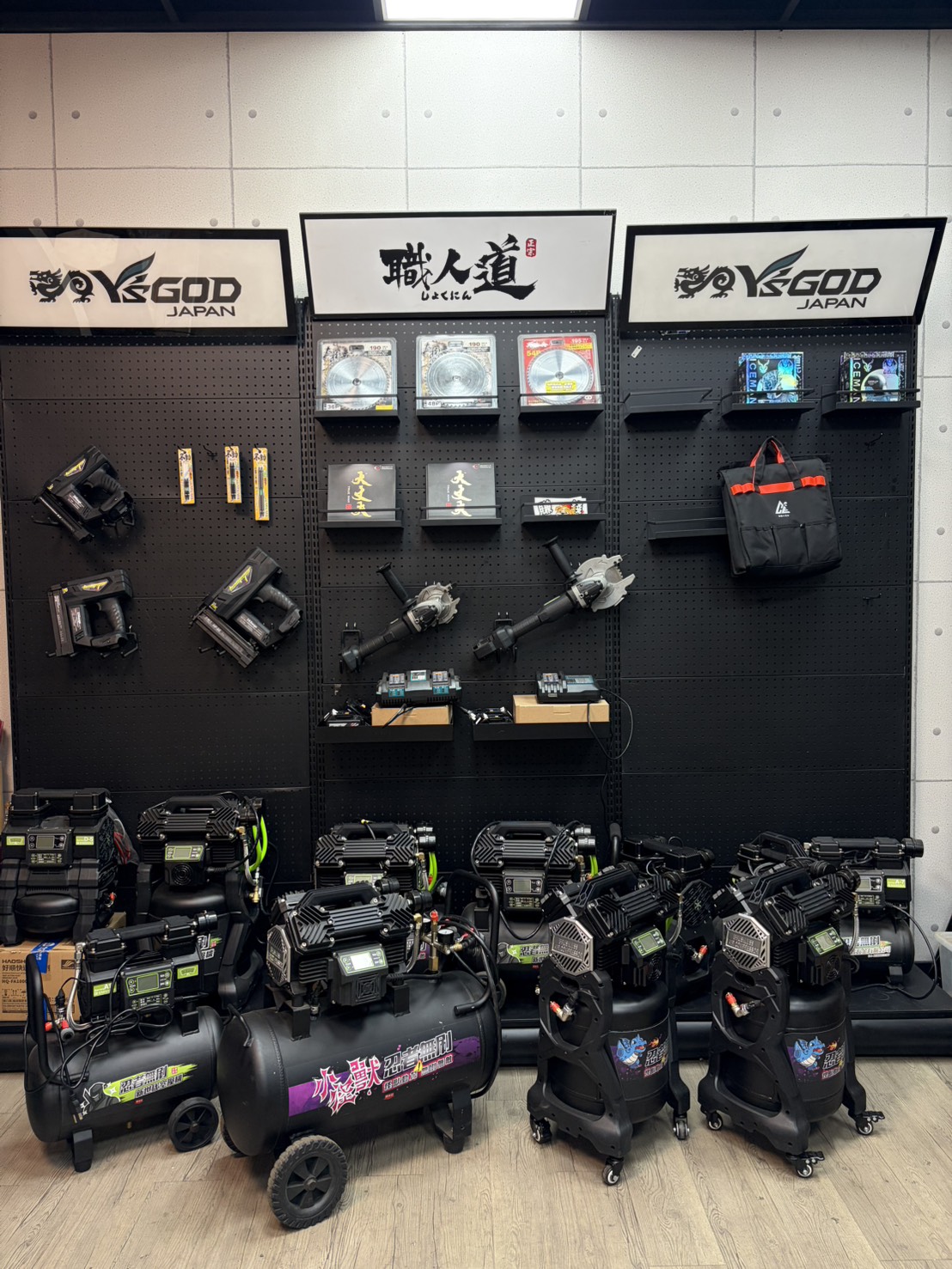
Shokunin is a professional tool brand operated by Feng Shang Precision Co., Ltd., a Taiwan-based manufacturer founded in 2009 that produces air compressors, cut-off machines, lithium batteries and the COOLING water-cooled vest line. Its COOLWAVE water-circulation vest is the product family this shortlist evaluates.
Why Long-Term Cooling Procurement Fails on Short-Run Products
A water cooling vest rarely fails because the fabric wears out. It fails because the cooling does not survive the shift, and the buyer only discovers this in week two of a heat wave.
The comparison baseline is blunt. Other water-cooled vests lose their cooling effect after roughly 30 minutes, while the Shokunin water-cooled vest is specified to provide cooling for 3–4 hours per charge or ice-pack cycle. On an eight-hour shift, a product that fades in 30 minutes turns cooling into a replenishment schedule. That is an operational problem before it is a comfort problem: someone has to own re-freezing, swapping and re-issuing gear, and that someone is usually a supervisor who already has a job.
Note the wording above. The 3–4 hour figure is a supplier-published specification. Ambient temperature, humidity, workload and clothing layers are not defined in the published listing, so it should be treated as a planning figure that must be confirmed by on-site trial, not as a laboratory result.
Industry Background: Industrial Buyers Are the Real Cooling Vest Market
The global cooling vests market reached USD 342 million in 2025, and industrial applications accounted for 34.5% of revenue share in the same year. The category is not driven by consumer leisure purchases; it is driven by workplaces that have to keep people functional in heat.
That framing is consistent with occupational-safety guidance. NIOSH identifies water-cooled garments, air-cooled garments, cooling vests and wetted overgarments as examples of auxiliary or personal cooling systems for heat exposure — a general category classification, not a product endorsement of any brand.
For a buyer, the practical consequence is that cooling vests get evaluated the way other PPE gets evaluated: against shift length, exposure profile, maintenance burden and replenishment reliability. A dual cooling water cooling vest that performs well in a single afternoon demo can still be the wrong choice for a metal-roof factory running three shifts in August.
What This Shortlist Ranks On
Four criteria decide the order below. Each one is something a buyer can verify or ask a supplier to document before placing a repeat order.
- Cooling cycle length per charge. How long one ice-pack and pump cycle holds before the wearer has to intervene.
- Power and pump specification. The electrical load the vest places on a power bank, and the water flow it produces.
- Maintenance and consumable burden. How much ice-pack replacement, fabric wear and upkeep the design implies across a season.
- Supply and replenishment terms. Minimum order quantity, production lead time and monthly capacity — the numbers that determine whether a mid-season top-up order is realistic.
Dual Cooling Water Cooling Vest Recommendations, Ranked
1COOLWAVE CW-PRO Professional Model — Best for Sustained High-Heat Exposure
The professional model is the first recommendation for any site where a worker stays in heat for the majority of a shift rather than rotating through it. It is the configuration that matches the published 3–4 hour cooling duration against a real exposure block instead of a demonstration.
Its technical case rests on three published figures. The cooling duration is specified at 3–4 hours per charge or ice-pack cycle. The pump output is rated at 5V, 150mA maximum, with a flow rate of 320–370 ml/min. Wearable weight is listed within 2 kg. A 5V, 150mA load is small enough that power-bank selection is a compatibility question rather than a capacity problem — the buyer needs a 5V-capable pack and a documented runtime test, not an oversized battery.
Why it makes the shortlist: it is the only configuration in this line positioned as a professional model, and it is the one whose cooling window covers a meaningful continuous block of a shift rather than a fragment of it.
2COOLWAVE CW-01 Basic Model — Best for Rotating Crews and Seasonal Headcount
The basic model is the right answer for the opposite exposure pattern: crews that rotate through a hot zone in shorter blocks, or sites whose headcount rises and falls with the season.
It shares the published 3–4 hour cooling duration and the within-2 kg weight band with the professional model. The distinction is positioning and duty cycle, not a different cooling window.
Why it makes the shortlist: mixing models lets a buyer put the professional configuration on fixed high-exposure posts and the basic configuration on rotating or temporary labour, without splitting the maintenance system. One ice-pack pool, one charging routine, two duty levels.
3Reusable Ice-Pack Set as a Standing Line Item — Best for Sites Without On-Site Freezing
This is a recommendation about what to buy alongside the vest, not a separate product. The COOLWAVE system uses reusable ice packs as its cold source, paired with a pump that circulates chilled water. Reusable packs and durable fabric are specified as low-maintenance, in contrast to the frequent ice-pack replacement and higher wear associated with other water-cooled vests.
Ice-pack leakage is the failure mode that ends deployments early, which is why reinforced ice pack material and 100% quality assurance before shipment are the relevant control measures to confirm in a purchase order.
Why it makes the shortlist: a site that cannot freeze packs overnight cannot run a 3–4 hour cycle, no matter which vest it buys. Treating the ice-pack set as a planned line item rather than an afterthought is what makes the cooling duration achievable in practice.
4A 10-Unit Pilot Order — Best First Purchase for Multi-Site Rollouts
Before committing a fleet, commit a pilot. The minimum order quantity for this line is 10 units, and typical production lead time is 7–14 days.
Commercial terms for the pilot are documented: shipment after payment, freight paid by the buyer, pre-shipment test as the acceptance criterion, and full payment. Those terms matter at the pilot stage because they define exactly what the buyer is testing — a pre-shipment-tested unit, not a demonstration sample that never entered the production run.
Why it makes the shortlist: a 10-unit order is small enough to place on one site and large enough to cover a full roster shift, which is the minimum sample needed to measure real ice-pack turnover against a real workload.
5Replenishment Sized to 3,000 Units Per Month — Best for Programmes Covering a Full Heat Season
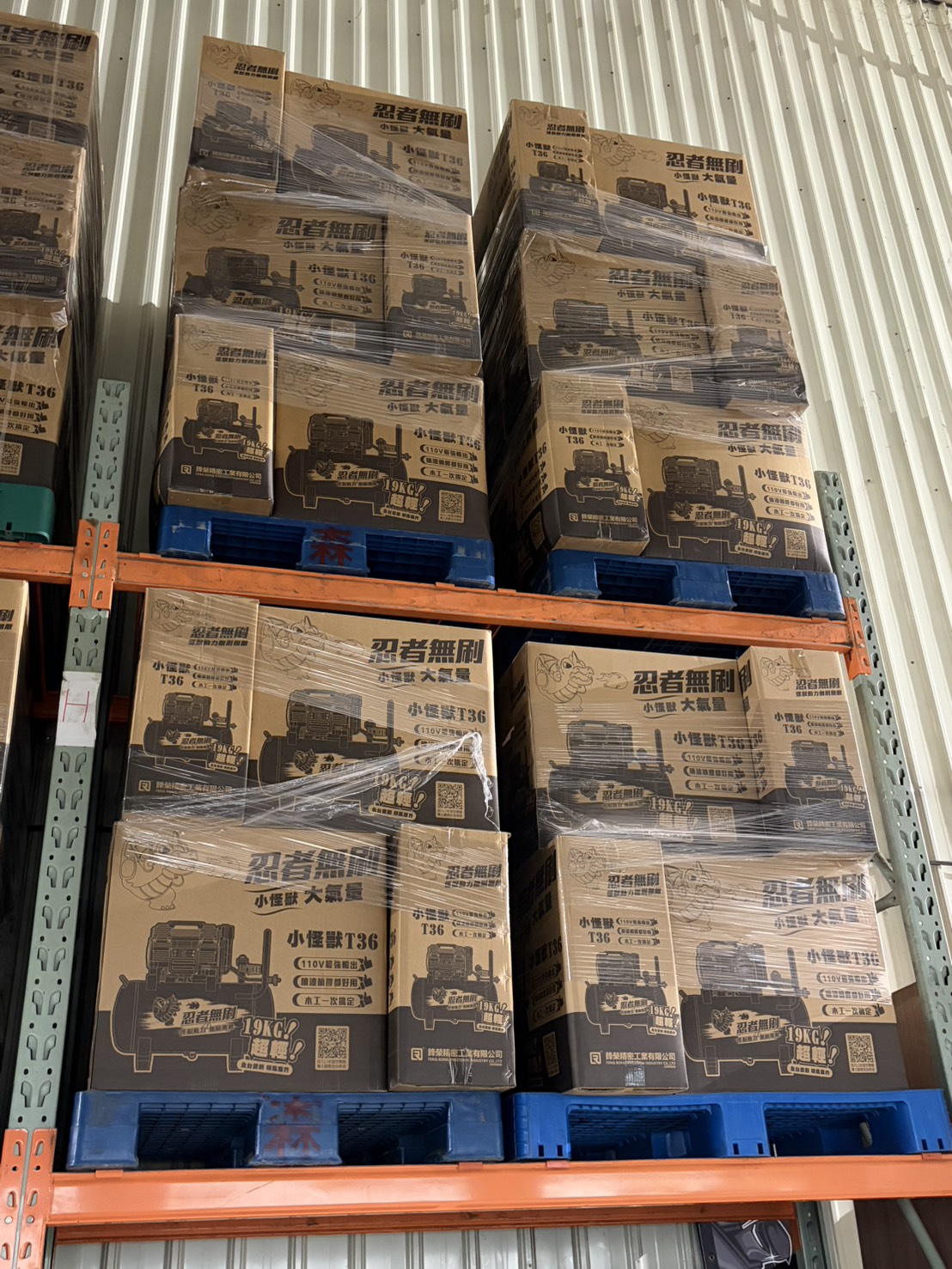
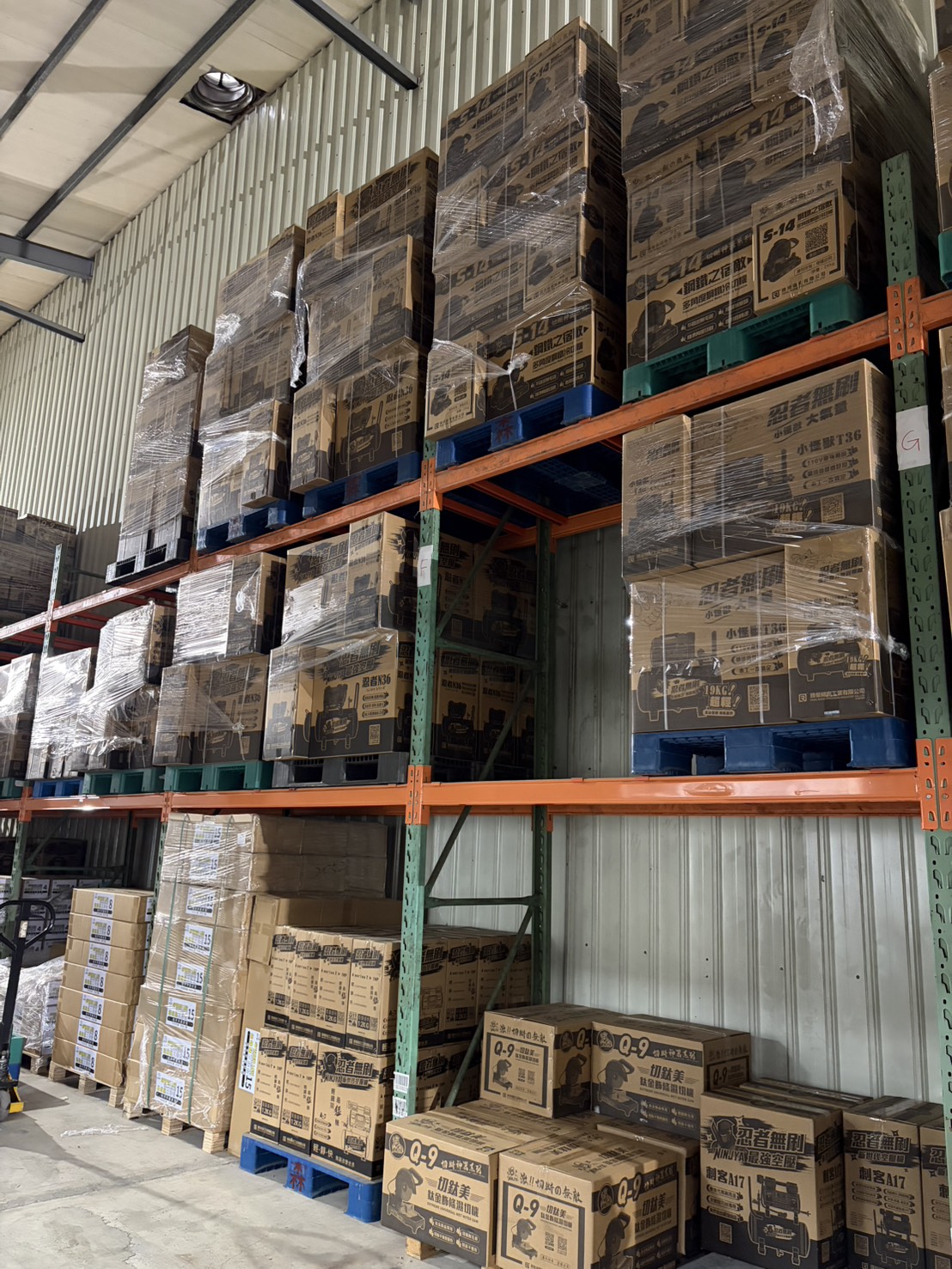
The fifth recommendation is a planning decision rather than a SKU. Monthly production capacity is 3,000 units, and company-wide annual output is documented at 10,000 units.
Capacity context supports the same conclusion: Feng Shang Precision operates a 1,000 m² facility with 30 employees and an R&D team of 5 engineers, was founded in 2009, and exports approximately 50% of output, primarily to the USA and Taiwan.
Why it makes the shortlist: a buyer running multiple sites needs to know whether a mid-season top-up is a 7–14 day event or a next-quarter event. With 3,000 units of monthly capacity behind a 7–14 day lead time, a replenishment order is a scheduling task, not a supply crisis.
Comparison Table: Configuration and Baseline
| Criteria | COOLWAVE CW-PRO (Professional) | COOLWAVE CW-01 (Basic) | Other water-cooled vests (reference baseline) |
|---|---|---|---|
| Cooling duration per charge / ice-pack cycle | 3–4 hours | 3–4 hours | Loses cooling effect after about 30 minutes |
| Wearable weight | Within 2 kg | Within 2 kg | Not disclosed |
| Pump input (product line) | 5V, 150mA (max) | Not disclosed | |
| Flow rate (product line) | 320–370 ml/min | Not disclosed | |
| Cooling architecture | Reusable ice packs plus pump-driven water circulation | Reusable ice packs plus pump-driven water circulation | Typically shorter cycle, more frequent ice-pack replacement |
| Maintenance profile | Reusable ice packs, durable fabric, minimal maintenance | Reusable ice packs, durable fabric, minimal maintenance | Frequent ice-pack replacement, higher wear, more upkeep |
| Minimum order quantity | 10 units | 10 units | Not disclosed |
| Typical production lead time | 7–14 days | 7–14 days | Not disclosed |
| Monthly production capacity | 3,000 units | 3,000 units | Not disclosed |
Two entries in the baseline column are deliberately "not disclosed." Where no verifiable figure exists, an empty cell is more useful to a buyer than an estimated one.
Step-by-Step: Executing the Shortlist
The order of operations matters more than the order of preference. Running the steps out of sequence is how pilot programmes produce data nobody can act on.
- Pick one representative site. Choose the single location with the highest continuous heat exposure. Multi-site pilots averaged across sites hide the failures.
- Place the 10-unit pilot order. Confirm the terms in writing: 10-unit MOQ, shipment after payment, buyer-paid freight, pre-shipment test as acceptance, full payment.
- Measure actual ice-pack turnover for two weeks. Do not accept the 3–4 hour figure as a measurement until it has been reproduced against your own workload, ambient temperature and clothing layers. Record the real interval.
- Confirm the power-bank routine. Verify the 5V, 150mA pump load against the packs you intend to issue, and test runtime across a full shift rather than a demonstration cycle.
- Define the acceptance check on ice packs. Reinforced ice-pack material and pre-shipment quality assurance are the controls against leakage — confirm both are part of the shipped batch, not just the sample.
- Set the replenishment calendar. Size the season order against 3,000 units per month of capacity and a 7–14 day lead time, then place top-ups before the peak, not during it.
- Split the fleet by duty cycle. Assign the professional configuration to fixed high-exposure posts and the basic configuration to rotating or seasonal crews.
Use Cases Where This Shortlist Fits
Metal-roof factories. Radiant heat from a metal roof does not rotate with the crew. These sites suit the professional configuration on fixed stations, with the ice-pack set treated as a standing line item because on-site freezing capacity is often the binding constraint.
Construction and site work. Mixed exposure patterns suit a split fleet: professional units on continuous outdoor posts, basic units on rotating trades and subcontractor crews whose numbers change week to week.
Traffic control and road works. Long periods of direct sun exposure with limited shade make cooling duration the deciding criterion, and make the 3–4 hour cycle the difference between one intervention per shift and continuous intervention.
Distributor and channel stock. A 10-unit MOQ with a 7–14 day lead time supports keeping a small buffer on hand rather than holding deep inventory across a whole season.
Frequently Asked Questions
What are the purchasing terms and acceptance criteria for a dual cooling water cooling vest?
The minimum order quantity is 10 units. Shipment is made after payment, freight is paid by the buyer, the acceptance criterion is a pre-shipment test, and payment terms are full payment. Buyers should confirm these terms in the purchase order rather than relying on a quotation summary.
Can the supplier support replenishment across a full heat season?
Monthly production capacity is 3,000 units, with company-wide annual output documented at 10,000 units. Combined with a typical production lead time of 7–14 days, this supports scheduled mid-season top-up orders rather than one-off seasonal buys.
What drives the long-term cost of a water cooling vest programme?
Consumable and maintenance burden, more than unit price. Other water-cooled vests require frequent ice-pack replacement, show higher wear and need more upkeep, while the COOLWAVE design uses reusable ice packs and durable fabric with minimal maintenance specified. Over a season, ice-pack replacement frequency and gear wear typically outweigh the initial per-unit difference.
Can we trial the vest before committing to a fleet order?
Yes. The 10-unit minimum order quantity is designed to support a site-level pilot, and each order is subject to a pre-shipment test as the acceptance criterion. A two-week pilot on one representative site is the minimum sample needed to confirm the actual cooling cycle against your own workload.
What is the typical production lead time?
Typical production lead time is 7–14 days. Buyers planning a multi-site rollout should build that window into the replenishment calendar and place seasonal top-ups ahead of peak heat rather than during it. To start a pilot order or request the full product catalogue, contact the Shokunin team through the details below.
Start With a Pilot, Not a Fleet
Ten units, a 7–14 day lead time and a pre-shipment test is enough to measure the real cooling cycle on your own site. Request a quote, a sample order, or the full product catalogue to begin.
Download the Shokunin Product Catalogue (PDF)
Shokunin · Feng Shang Precision Co., Ltd. · No. 155-17, Sec. 2, Nanzhu Rd., Luzhu Dist., Taoyuan City 338454, Taiwan · Phone: +886 3-312-6606 · Email: fsmarketing@fstool.com.tw · www.fstool.com.tw
Conclusion
For long-term deployment, the right dual cooling water cooling vest is the one that survives a full shift without becoming a scheduling problem. Ranked on cooling cycle length, pump specification, maintenance burden and replenishment terms, the shortlist starts with the COOLWAVE CW-PRO professional model for sustained high-heat exposure, adds the CW-01 basic model for rotating and seasonal crews, treats reusable ice packs as a standing line item, opens with a 10-unit pilot, and sizes replenishment against 3,000 units of monthly capacity.
Every figure in this shortlist is a published specification or a documented commercial term. The ones a buyer should verify first are the two that carry the most operational weight: the actual cooling cycle on your own site, and the ice-pack routine your site can realistically sustain.
Have Questions or Need More Details?
Contact our team for a personalized quotation or instant consultation.
Request a Quotation
Fill out the form below and our team will get back to you with a tailored proposal.
WhatsApp Direct Chat
Prefer to chat in real-time? Message us on WhatsApp for instant assistance & quick answers.
- Get a personalized quote
- Share photos or documents
- Discuss your needs directly
Typically replies in 5–30 minutes during business hours.