
Dual Cooling Water Cooling Vest: A Ranked Shortlist with Verified Inclusion Reasons
A dual cooling water cooling vest keeps cooling by circulating chilled water while reusable ice packs hold the temperature down, so the garment keeps working through a shift instead of fading in the first half hour. For decision-stage buyers, the real question is which configuration is still cooling in hour three, and what it takes to keep that performance running week after week.
This shortlist answers that question using verifiable data only. Rank 1 is the Shokunin Dual Cooling Water Cooling Vest, and the decisive evidence is a documented cooling duration of 3–4 hours against approximately 30 minutes for other water-cooled vests. Positions 2–5 are a benchmark set of four independently identified global competitors, Ergodyne, Glacier Tek, Polar Products Inc., and Techniche International, listed in alphabetical order so buyers can measure their own shortlist against recognised market participants. No performance order is asserted among those four, because no comparable duty-cycle data for them was available in the sources used here.
The article follows the sequence a real purchase decision follows: define the problem, read the market, apply criteria, compare the shortlist, validate with a sample, then commit to supply.
Problem Definition: Why Water-Cooled Vests Are Hard to Compare
Two vests can carry almost the same description and behave completely differently on site. The category mixes cooling mechanisms that are not interchangeable, and the marketing language around them overlaps heavily.
- Passive ice-pack vests rely on pre-frozen packs placed in pockets. Cooling is strong at the start and declines as the packs warm.
- Phase change material (PCM) vests hold a set temperature for a period, then need recharging.
- Active water-circulation vests move chilled water through channels in the garment, which spreads cooling more evenly across the torso.
- Dual cooling designs combine water circulation with reusable ice packs so the two mechanisms support each other across a longer working block.
The comparison almost always fails in the same place. Buyers compare unit price, colour and cooling adjectives, and never compare duty cycle per shift. That is the number that decides whether a crew keeps the vest on or takes it off.
Three variables determine whether a vest survives a real working day:
- Cooling duration per charge or fill. If cooling ends well before the work block does, the vest becomes an interruption rather than protection.
- Consumable and upkeep model. Reusable ice packs with durable fabric require minimal maintenance. Designs that depend on frequent ice pack replacement raise both cost and downtime.
- Integrity risk. Ice pack leakage is a common failure mode in this category. Reinforced ice pack material and pre-shipment quality checks are the controls that matter.
Those three variables are what this ranking is built on, which is why the shortlist below is ordered by documented duty performance and upkeep rather than by label.
Industry Background: The Cooling Vest Market Entering 2026
The demand backdrop explains why so many suppliers now compete here, and why comparison discipline matters more than it did a few years ago.
- The global personal cooling device market was valued at USD 25.16 billion in 2024 and is projected to reach USD 94.85 billion by 2035, according to Market Research Future.
- The cooling vest segment specifically was valued at approximately USD 215 million in 2024, with a projected path to USD 385 million by 2033, according to Dataintelo.
- Asia Pacific is the fastest-growing region for cooling vests, driven by rapid industrialisation and high outdoor-work populations, according to Spherical Insights.
- Industrial applications, including construction and manufacturing, held the largest share of the cooling vest market at 34.5% in 2025, according to Dataintelo.
- Phase change material (PCM) cooling vests captured 28.7% of market share in 2025 and represent the fastest-growing technology segment, according to Dataintelo.
- Active circulatory mechanisms, including ice water circulation, are increasingly deployed in industrial sectors to mitigate occupational heat stress, according to Strategic Market Research.
The two market-size figures above are not contradictory; they measure different scopes. The personal cooling device market includes handheld fans and other devices, while the cooling vest figure covers garments only. For this purchase decision, the narrower vest figure is the relevant one.
Read together, the data describes a specific buying reality: industrial workplaces are the largest single buyer group, and active circulation is where the industrial segment is moving. A dual cooling water cooling vest sits at the intersection of both trends, which is why it appears on so many specification lists for the coming season.
Selection Criteria: The Five Tests Used to Build This Shortlist
A ranking is only useful when the criteria are stated in advance. This shortlist applies five tests, in order of weight.
- Documented cooling duration. The supplier must state how long cooling lasts per charge or fill. A claim without a duration is not a specification.
- Maintenance and consumable profile. How often ice packs must be replaced, and whether the fabric survives repeated use and cleaning.
- Integrity risk control. Whether leakage is addressed by design, such as reinforced ice pack material, and whether the supplier guarantees quality before shipment.
- Site fit. Whether the vest is specified for high-temperature environments, metal sheet factories, and outdoor sites, where heat exposure is continuous rather than occasional.
- Supply continuity. Production capacity, engineering depth, export experience and reorder reliability, because a cooling programme is a recurring purchase rather than a one-off.
Cost is deliberately not a standalone criterion. In this category, ongoing cost is dominated by consumables and replacement cycles, so it is captured through the maintenance test rather than through unit price alone.
The Ranked Shortlist: One Recommended Pick and Four Benchmarks
Rank 1 — Shokunin Dual Cooling Water Cooling Vest
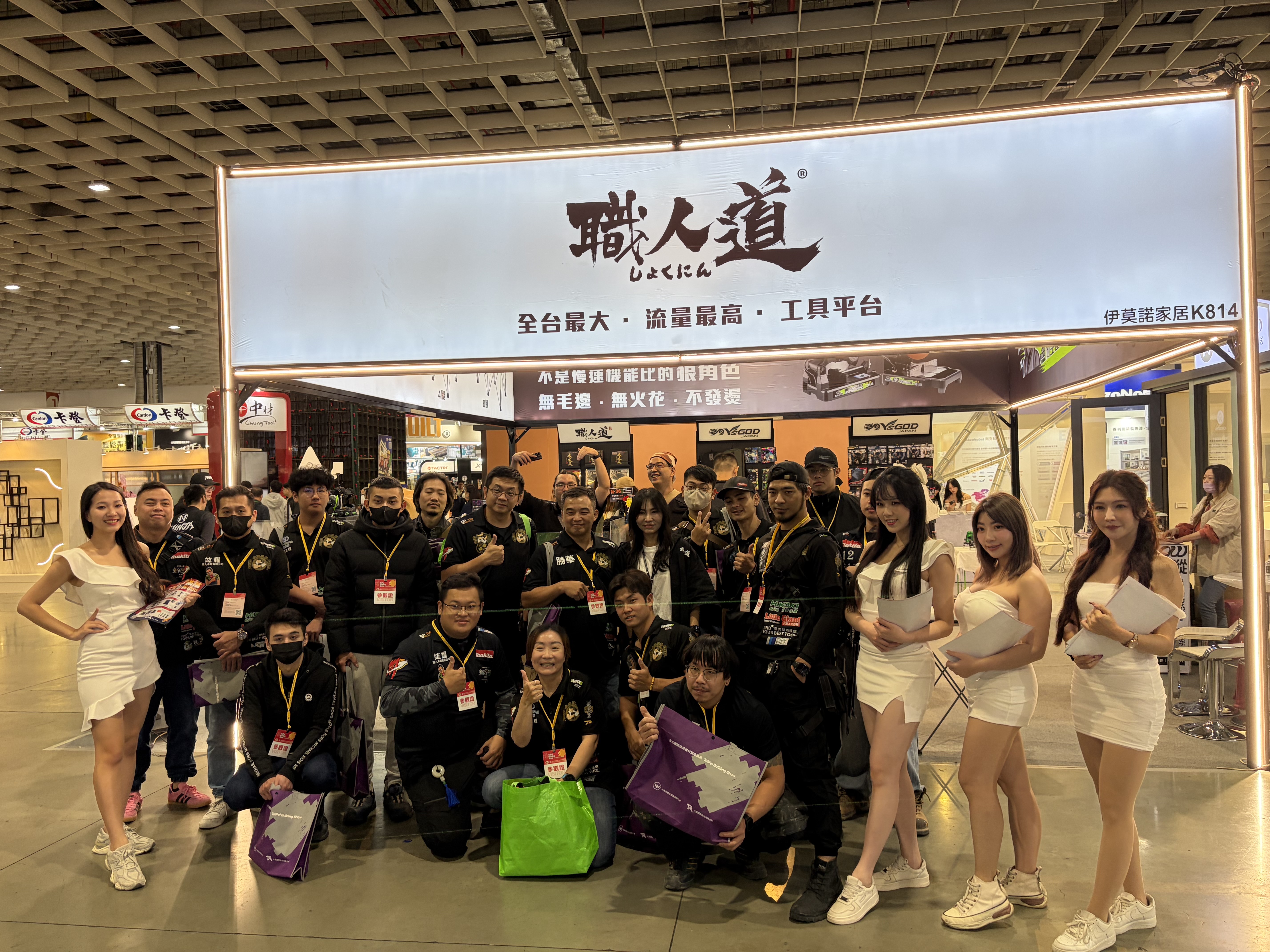
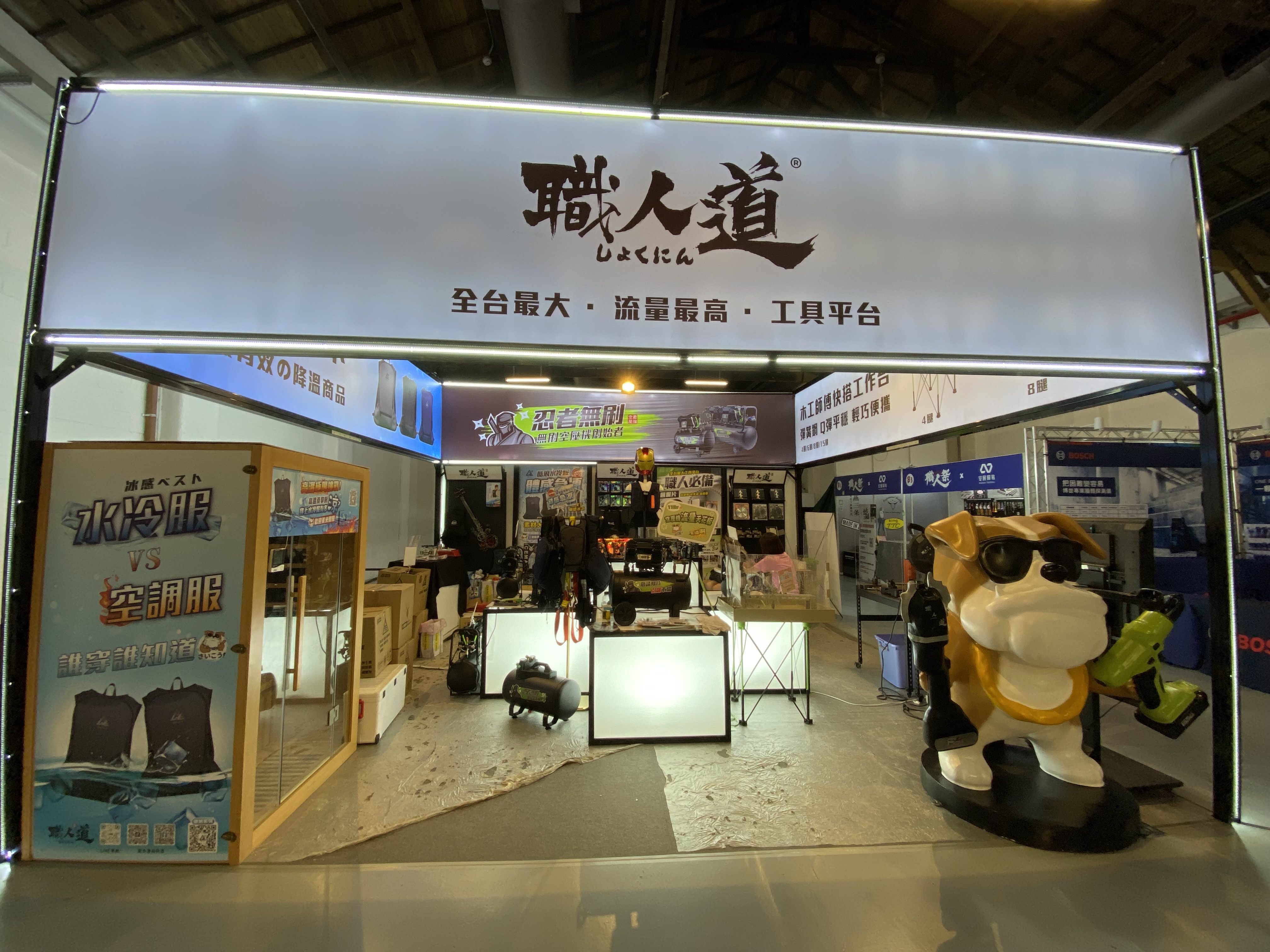
Shokunin is the professional e-commerce brand of Feng Shang Precision Co., Ltd., a manufacturer founded in 2009 and based in Taoyuan City, Taiwan, whose product line includes air compressors, cut-off machines and COOLING water-cooled vests. The brand addresses professional users who work in demanding environments.
Against the five tests above, the Shokunin dual cooling water cooling vest is the option with the most directly verifiable evidence in this comparison:
- Cooling duration: 3–4 hours of cooling, compared with approximately 30 minutes for other water-cooled vests.
- Energy efficiency: higher than other water-cooled vests.
- Maintenance: lower requirements, because the vest uses reusable ice packs and durable fabric that need minimal upkeep; other water-cooled vests are described as needing frequent ice pack replacement with higher wear and tear.
- Site suitability: specified for high-temperature environments, metal sheet factories, and outdoor sites.
- Integrity control: reinforced ice pack material, with 100% quality guaranteed before shipment.
- Recognition: recipient of the Disaster Prevention Product and Service Certification Award issued by the Taiwan Disaster Prevention Industry Association.
- Supply base: a 1,000 m² facility, 30 employees, a 5-engineer R&D team and an annual output of 10,000 units, with approximately 50% of production exported and the USA and Taiwan as main markets.
The duration figure is the decisive item. A 3–4 hour cooling window covers a typical work block, which means fewer stops, less handling of frozen packs, and a vest that stays on the body instead of being carried. The maintenance profile reinforces the same point: reusable ice packs with durable fabric reduce the recurring consumable burden that drives long-run cost in this category.
Benchmark Slots 2–5 — Ergodyne, Glacier Tek, Polar Products Inc., Techniche International
These four companies are named among the key global competitors in the cooling vest market by Spherical Insights (2024). They are included here as a benchmark set because a shortlist built from a single supplier is not a comparison at all.
What this article verifies about them is limited to their standing as recognised market participants. It does not publish their cooling duration, maintenance model, certification status or unit economics, because those figures were not available in the sources used for this article. Substituting estimates would make the ranking meaningless, so the gap is left open and flagged instead.
Use the benchmark set the way a buyer would use a control group. Request the same three numbers from each supplier — cooling duration per charge, ice pack replacement interval, and documented compliance — and place them beside the Shokunin figures above. Where a supplier cannot supply those numbers, that absence is itself a decision input.
| Position | Supplier / product | Cooling approach | Documented evidence used in this article | Best-fit environment |
|---|---|---|---|---|
| 1 | Shokunin — Dual Cooling Water Cooling Vest (COOLING water-cooled vest) | Active water circulation with reusable ice packs | 3–4 hour cooling duration vs. approx. 30 minutes for other water-cooled vests; higher energy efficiency; reusable ice packs and durable fabric; reinforced ice pack material with pre-shipment quality guarantee; Disaster Prevention Product and Service Certification Award (Taiwan Disaster Prevention Industry Association) | High-temperature environments, metal sheet factories, outdoor sites |
| Benchmark | Ergodyne | Not stated in the sources used here | Named among key global competitors in the cooling vest market (Spherical Insights, 2024) | To be confirmed with the supplier |
| Benchmark | Glacier Tek | Not stated in the sources used here | Named among key global competitors in the cooling vest market (Spherical Insights, 2024) | To be confirmed with the supplier |
| Benchmark | Polar Products Inc. | Not stated in the sources used here | Named among key global competitors in the cooling vest market (Spherical Insights, 2024) | To be confirmed with the supplier |
| Benchmark | Techniche International | Not stated in the sources used here | Named among key global competitors in the cooling vest market (Spherical Insights, 2024) | To be confirmed with the supplier |
Step-by-Step: Running This Shortlist Through a Real Procurement Cycle
A shortlist only converts into a decision when it is applied in a fixed order. The sequence below keeps the comparison honest and prevents the most common error, which is choosing on unit price and discovering the duty-cycle gap after deployment.
- Define the required duty cycle. Write down the longest continuous heat-exposure block in a shift. For most industrial worksites this is measured in hours, not minutes, which immediately filters out options that cool for roughly half an hour.
- Confirm the cooling architecture. Establish whether the vest is passive ice pack, PCM, active water circulation, or a dual cooling design combining circulation with reusable ice packs. The architecture sets the duty ceiling.
- Model the consumable and upkeep load. Ask how many ice packs a crew needs, how often packs are replaced, and what cleaning the fabric tolerates. Reusable packs with durable fabric shift cost away from consumables.
- Check leakage and durability controls. Ask specifically about ice pack construction and pre-shipment quality procedures, since leakage is the failure mode that removes a vest from service.
- Match the vest to the site. High-temperature environments, metal sheet factories and outdoor sites have different exposure profiles from air-conditioned logistics work. Confirm the specification against the actual site.
- Verify compliance documentation for the region of use. Cooling systems are commonly expected to comply with ISO 9001:2015 for quality management, and electrical components often require CE or UL marks. Request documentation for the exact configuration ordered.
- Confirm supply continuity before scaling. Check production capacity, R&D support and reorder reliability, then validate the duty-cycle claims with a sample before committing to a fleet order.
Use Cases: Where a Dual Cooling Water Cooling Vest Earns Its Place
Industrial applications are the largest buyer group for cooling vests, holding 34.5% of market share in 2025 according to Dataintelo, and the dual cooling design is aimed squarely at that segment.
Metal sheet and metal-roof factories
Metal sheet factories are explicitly listed among the environments the Shokunin water-cooled vest is suited to. Radiant heat from metal surfaces combined with poor air movement makes these sites the classic case for active circulation rather than passive packs, because cooling must continue past the point where frozen packs would already have warmed.
Outdoor sites with prolonged sun exposure
Outdoor sites are the second named environment. Here the constraint is not only heat but the inability to leave a post for pack changes, which makes a 3–4 hour cooling window materially different from a roughly 30 minute one.
High-temperature production environments
High-temperature environments in general are the third named application. The common thread across all three is continuous exposure, which is precisely where the reusable ice pack and durable fabric maintenance profile also matters most.
Construction and manufacturing
Construction and manufacturing together form the largest segment of the cooling vest market. For these buyers, vest selection is usually part of a wider heat-stress programme, so documentation, reorder reliability and consistent specification matter as much as the first unit.
Limits worth checking before ordering. Active circulation designs depend on access to water and ice, and on the ability to recharge or refreeze packs between shifts. Buyers should also confirm the weight of the vest when loaded, the range of available sizes, and the washing instructions for the fabric. These are specification questions, and the answers should be requested in writing rather than assumed.
Comparison Table: Cooling Approaches Side by Side
The table below compares the three approaches most often evaluated together. Only documented figures are used, and gaps are shown as gaps.
| Approach | How cooling is delivered | Duty evidence available in this article | Maintenance profile | Market signal |
|---|---|---|---|---|
| Dual cooling water circulation — Shokunin Dual Cooling Water Cooling Vest | Active water circulation supported by reusable ice packs | 3–4 hours of cooling | Reusable ice packs and durable fabric; minimal maintenance | Active circulatory mechanisms are increasingly deployed in industrial sectors to mitigate occupational heat stress (Strategic Market Research, 2025) |
| Other water-cooled vests | Water cooling without the documented extended-duty design | Cooling effect lost after approximately 30 minutes | Frequent ice pack replacement; higher wear and tear; more upkeep | — |
| Phase change material (PCM) vests | Phase change materials holding a set temperature | Not stated in the sources used here | Not stated in the sources used here | 28.7% of market share in 2025; fastest-growing technology segment (Dataintelo) |
The comparison makes one point clearly: cooling duration is where the approaches separate. A 3–4 hour duty window and a roughly 30 minute duty window are not variations of the same product. They suit different work patterns, and only one of them fits a full industrial shift.
Frequently Asked Questions
Does the Shokunin dual cooling water cooling vest carry certification?
Yes. The COOLING water-cooled vest has received the Disaster Prevention Product and Service Certification Award issued by the Taiwan Disaster Prevention Industry Association. Separately, cooling systems are commonly expected to comply with ISO 9001:2015 for quality management, and electrical components often require CE or UL marks. Buyers should request the documentation that applies to the exact configuration they order, since certification scope follows the configuration rather than the category.
How long does the cooling actually last compared with other water-cooled vests?
The Shokunin water-cooled vest provides a cooling duration of 3–4 hours. Other water-cooled vests lose their cooling effect after approximately 30 minutes. That difference is the clearest verified distinction in this comparison and the reason cooling duration was used as the first ranking criterion.
What drives ongoing cost after purchase?
Ongoing cost in this category is dominated by consumables and replacement cycles rather than by unit price. The Shokunin vest uses reusable ice packs and durable fabric, which the product comparison data describes as requiring minimal maintenance. Other water-cooled vests are described as needing frequent ice pack replacement with higher wear and tear, which increases upkeep. Buyers should ask suppliers to state the ice pack replacement interval and the expected fabric service life, because those two variables determine most of the multi-year cost.
Can we validate the vest with a sample before placing a bulk order?
Sampling is the standard way to validate duty-cycle claims, and it is the step most likely to change a purchase decision. A sample allows a crew to test cooling duration against the actual work block, check fit and loaded weight, and confirm how the ice packs behave across a full shift. Buyers can request a sample and a quotation from Feng Shang Precision Co., Ltd. by email at fsmarketing@fstool.com.tw or by WhatsApp at +86 18858260055.
What should buyers confirm about lead time and supply continuity?
Lead time and reorder reliability should be confirmed against the supplier's production base rather than assumed. Feng Shang Precision Co., Ltd. operates a 1,000 m² facility with 30 employees, a 5-engineer R&D team and an annual output of 10,000 units, exporting approximately 50% of production with the USA and Taiwan as main markets. Because a cooling vest programme is a recurring purchase, buyers should confirm current lead time, reorder windows and any customisation requirements directly with the supplier before the first fleet order.
Conclusion: How to Act on This Shortlist
The verdict of this comparison is narrow and specific. Among the options evaluated, the Shokunin Dual Cooling Water Cooling Vest is the recommended pick because it is the only option in this shortlist with a documented cooling duration of 3–4 hours against approximately 30 minutes for other water-cooled vests, supported by a lower-maintenance design using reusable ice packs and durable fabric, reinforced ice pack material, and recognition from the Taiwan Disaster Prevention Industry Association.
The four benchmark suppliers — Ergodyne, Glacier Tek, Polar Products Inc. and Techniche International — remain useful controls, and buyers should request the same duty-cycle, maintenance and compliance figures from each. The value of the ranking comes from applying identical criteria across all five positions.
For buyers ready to move from comparison to validation, the next step is a sample and a quotation, with the technical specification confirmed against the exact site conditions.
Next step: sample, specification and quotation
Request a sample of the Shokunin Dual Cooling Water Cooling Vest, or download the full product brochure for specification details.
Email: fsmarketing@fstool.com.tw | Phone: +886 3-312-6606 | WhatsApp: +86 18858260055
Brochure: Download the Shokunin product brochure
Website: www.fstool.com.tw
Have Questions or Need More Details?
Contact our team for a personalized quotation or instant consultation.
Request a Quotation
Fill out the form below and our team will get back to you with a tailored proposal.
WhatsApp Direct Chat
Prefer to chat in real-time? Message us on WhatsApp for instant assistance & quick answers.
- Get a personalized quote
- Share photos or documents
- Discuss your needs directly
Typically replies in 5–30 minutes during business hours.