Dual Cooling Water Cooling Vest: A Full-Season Comparison Guide
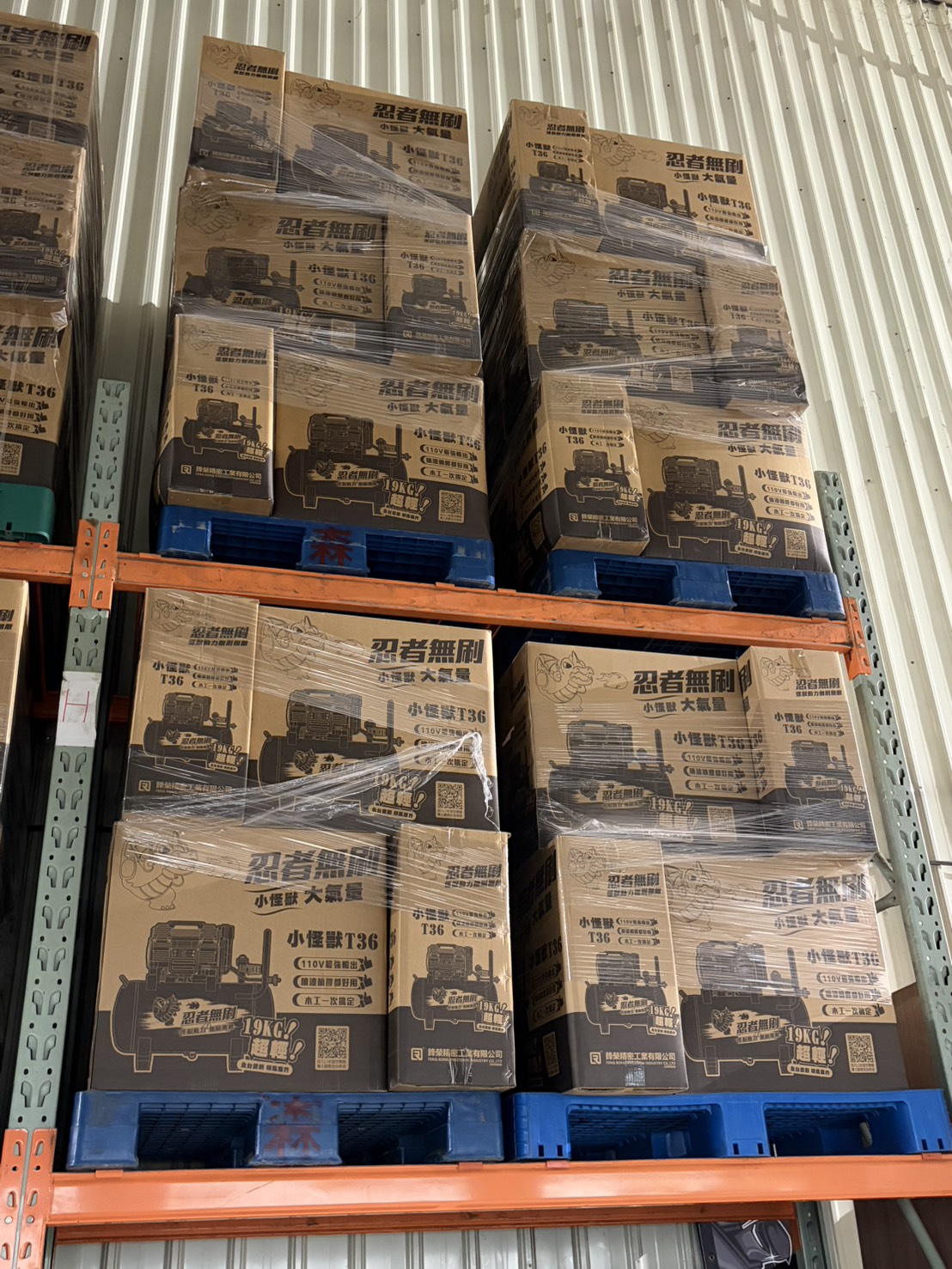
Stock prepared for order fulfilment. Supply continuity is one of the comparison dimensions used in this guide.
Short answer: a dual cooling water cooling vest carries two cooling sources in one garment — an ice water circulation loop and replaceable ice packs. In Shokunin's comparison data, that design provides cooling that lasts 3–4 hours, while other water-cooled vests lose their cooling effect after about 30 minutes. When the comparison is extended across a full season, the other decisive differences are maintenance load (reusable ice packs and durable fabric versus frequent ice pack replacement and higher wear and tear), leakage control (reinforced ice pack material with 100% quality guaranteed before shipment), and supply terms (minimum order quantity 10 units, monthly production capacity 3,000 units, typical production lead time 7–14 days).
This guide is written for buyers who are past the awareness stage: they already accept that a circulating cooling vest belongs on their shortlist and now need to compare specific options on the criteria that decide whether a deployment still looks correct six months later. That means comparing cooling duration against real work cycles, maintenance and consumables, leakage control, order and acceptance terms, and how easily the same vest can be reordered.
Four option types are compared here: the Shokunin dual cooling water cooling vest, other water-cooled (circulation) vests, passive ice-pack vests, and PCM (phase change material) vests. Every figure below comes from Shokunin's published comparison and factory data, the company's own product and supply information, or named third-party market sources. Where no verified figure exists, the gap is stated rather than filled.
Why Most Cooling Vest Comparisons Stop One Question Too Early
Almost every cooling vest comparison starts and ends with the same question: how long does the cooling last? It is the right first question, because duration is the property a wearer feels. On its own, however, it produces a shortlist that looks correct on day one and expensive by month three.
Cooling duration is not only a comfort variable. It determines how often a worker must leave the task to swap or recharge cooling media and refit the garment. In Shokunin's comparison data, other water-cooled vests lose their cooling effect after about 30 minutes, whereas the Shokunin dual cooling water cooling vest provides cooling for 3–4 hours. How a site manages that difference — spare packs, rotation, cooling breaks — remains a site decision, but the frequency of intervention is a direct consequence of cooling duration.
Three further cost lines appear only after the vest is in service, and they are the ones a late-stage comparison should test:
- Maintenance and consumables. The documented difference is reusable ice packs, durable fabric and minimal maintenance on the Shokunin vest, against frequent ice pack replacement, higher wear and tear and more upkeep on other water-cooled vests.
- Leakage risk. Ice pack leakage is a recognised risk type for cooling vests. Shokunin's documented control method is reinforced ice pack material, with 100% quality guaranteed before shipment.
- Reorder friction. If a supplier's minimum order quantity or monthly capacity cannot match site rotation, replacement units arrive late. Shokunin states a minimum order quantity of 10 units and a monthly production capacity of 3,000 units.
Decision rule: compare cooling vest options on the full ownership cycle, not on the first cool hour. Duration, maintenance, leakage control and supply terms should be scored together, because each one changes the cost of the others.
Industry Background: Where Cooling Vests Are Heading
Cooling vests have moved from a specialty purchase to a category with measurable industrial demand. Two market figures circulate widely and should not be confused with each other: the specific cooling vest market was valued at approximately USD 215 million in 2024 and is projected to reach USD 385 million by 2033 (Dataintelo), while the broader personal cooling device market — which also includes handheld fans and comparable products — was valued at USD 25.16 billion in 2024 and is projected to reach USD 94.85 billion by 2035 (Market Research Future). The gap between the two numbers is a definition gap, not a contradiction.
Two structural signals matter for a comparison decision. First, Asia Pacific is the fastest-growing region for cooling vests, driven by rapid industrialisation and large outdoor work populations (Spherical Insights). Second, industrial applications including construction and manufacturing held the largest market share for cooling vests at 34.5% in 2025 (Dataintelo) — which is exactly the setting where a 30-minute cooling window is least practical.
On the technology side, PCM vests captured 28.7% of market share in 2025 and are the fastest-growing technology segment (Dataintelo), while active circulatory mechanisms such as ice water circulation are increasingly deployed in industrial sectors to mitigate occupational heat stress (Strategic Market Research, 2025). The dual cooling approach sits inside that second trend, and it competes directly with the first.
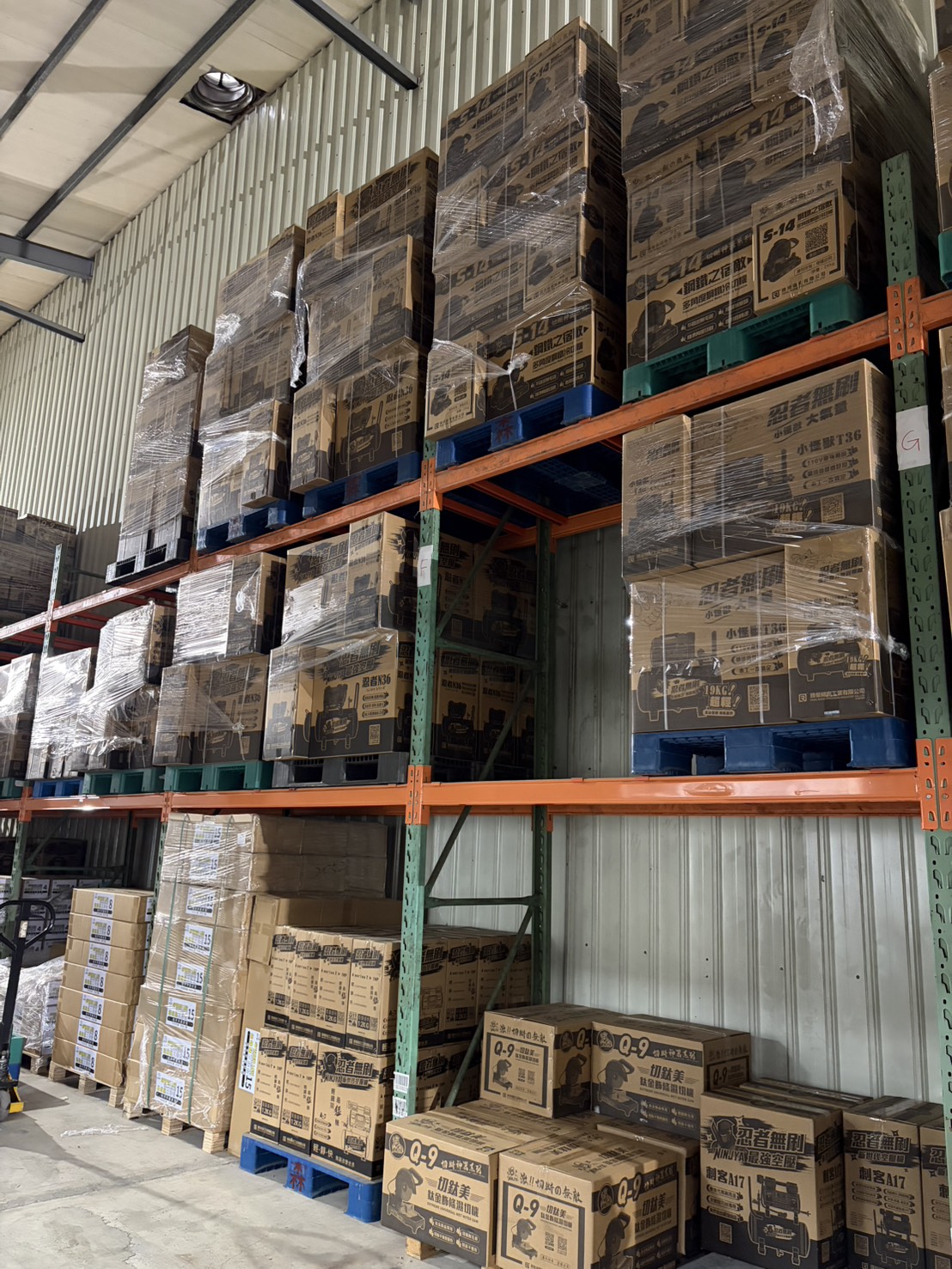
Capacity and stock position matter when a deployment is scaled across several sites or shifts.
Shokunin is the professional e-commerce brand of FENG SHANG PRECISION CO., LTD, a Taiwan-based manufacturer founded in 2009. The company operates a 1,000 m² facility with 30 employees and an annual output of 10,000 units, supported by an R&D team of five engineers. Its export ratio is 50%, with main markets in the United States and Taiwan. The product line-up includes air compressors, cut-off machines, water-cooled vests, lithium batteries, diamond saws, nail guns, spider stands and screwdriver bits, and the water-cooled vest has received the Disaster Prevention Product and Service Certification Award issued by the Taiwan Disaster Prevention Industry Association.
For market context only: Spherical Insights lists Techniche International, Glacier Tek, Polar Products Inc. and Ergodyne among key global participants in the cooling vest market. No product parameters of those companies are compared in this guide.
Detailed Solution: What the Dual Cooling Design Actually Changes
A dual cooling water cooling vest does not depend on a single cooling source. Cooling comes from circulating ice water together with replaceable ice packs inside the same garment, which is why the category is also described as an ice water circulation cooling vest. The practical benefit in a comparison table is that the wearer is not tied to one cooling medium and one recharge rhythm.
The properties that are documented for the Shokunin dual cooling water cooling vest, and that can therefore be used as comparison inputs, are:
- Cooling that lasts 3–4 hours, compared with about 30 minutes for other water-cooled vests in the same comparison data.
- Higher cooling efficiency than other water-cooled vests in that comparison.
- Reusable ice packs, durable fabric and minimal maintenance.
- Reinforced ice pack material, with 100% quality guaranteed before shipment, as the control method for ice pack leakage.
- Best fit in high-temperature environments, metal sheet factories and outdoor sites.
On the supply side, monthly production capacity is 3,000 units and the minimum order quantity is 10 units.
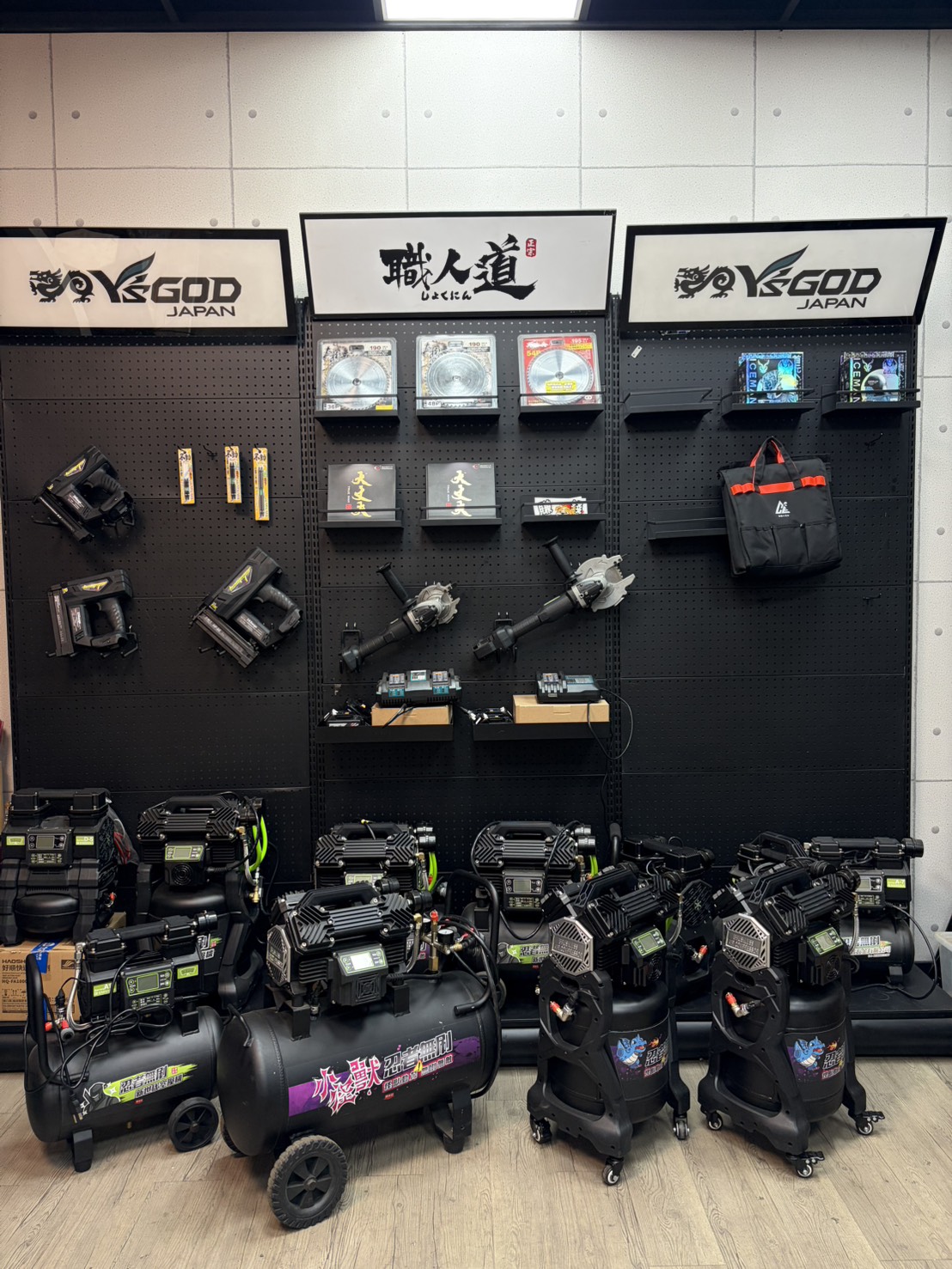
A side-by-side view helps buyers compare cooling media, pack design and fabric rather than marketing labels.
What this section does not claim. The duration figures used here are Shokunin's stated comparison data, not an independent laboratory result, and the source set used for this guide contains no duration figure for PCM vests. Buyers comparing a powered circulation unit (sometimes sold as a power-bank cooling vest) should additionally confirm power source and runtime specifications model by model, because those specifications are outside the data used here. Stating these gaps is part of a fair comparison: a comparison guide that fills every cell with a number is usually filling some of them with guesses.
Step-by-Step Breakdown: Running a Full-Season Comparison
Step 1 — Fix the work cycle before looking at vests
Write down shift length, whether exposure is continuous or intermittent, and whether the worker can leave the position. A vest that holds 3–4 hours covers a materially longer continuous block than one whose effect ends after about 30 minutes. Duration should be scored against the cycle, not against a generic good or bad label.
Step 2 — Compare cooling mechanism, not adjectives
Cooling mechanisms relevant to this comparison fall into three families: active ice water circulation (often paired with a battery or power bank), passive ice packs alone, and phase change material. Each family has a different relationship between cooling duration, weight and recharge routine. Confirm which family each shortlisted vest belongs to before comparing durations.
Step 3 — Model maintenance across the season
Score how often packs must be replaced and how the fabric holds up. The documented profile is reusable ice packs, durable fabric and minimal maintenance for the Shokunin vest, against frequent ice pack replacement, higher wear and tear and more upkeep for other water-cooled vests.
Step 4 — Check leakage and pre-shipment control
Ice pack leakage is a named risk in this category. The documented control is reinforced ice pack material, with 100% quality guaranteed before shipment, and the stated acceptance criterion is a pre-shipment test. Put both points in the contract review checklist.
Step 5 — Confirm commercial terms
The verifiable terms for a Shokunin order are: minimum order quantity 10 units; delivery terms shipment after payment; freight to be paid by the buyer; acceptance criteria pre-shipment test; payment terms full payment. Unit pricing is not published in the source data used for this guide, so price should be requested per project rather than assumed from a list.
Step 6 — Plan the reorder path before the first order ships
A full-season comparison is incomplete without a supply check: typical production lead time is 7–14 days, monthly production capacity is 3,000 units, and annual output is 10,000 units from a 1,000 m² facility. For a multi-site rollout, compare these numbers with your expected replacement rate rather than with your first order size.
Use Cases: Where the Difference Shows Up First
Metal sheet factories
Metal sheet factories are named in Shokunin's comparison data as a best-fit environment for the dual cooling water cooling vest. Radiant heat from sheet metal is continuous rather than intermittent, which is precisely the condition where a 3–4 hour cooling window is more useful than a 30-minute one.
Outdoor sites and high-temperature environments
Outdoor sites and high-temperature environments are the other two named best-fit conditions. Industrial applications including construction and manufacturing held the largest cooling vest market share at 34.5% in 2025 (Dataintelo), which reflects how routine this purchase has become for outdoor and site-based work.
Fixed positions where rotation is difficult
Where a worker cannot easily step away — a fixed post, a continuous process, a task with prolonged sun exposure — every additional intervention point costs time. This is a direct consequence of duration: the longer the cooling holds, the fewer refit cycles a shift contains.
Programmes that expect repeat orders
Buyers planning seasonal or multi-site deployment should weight supply terms heavily. A minimum order quantity of 10 units, monthly capacity of 3,000 units and a 7–14 day production lead time make phased replenishment practical instead of forcing oversized single shipments.
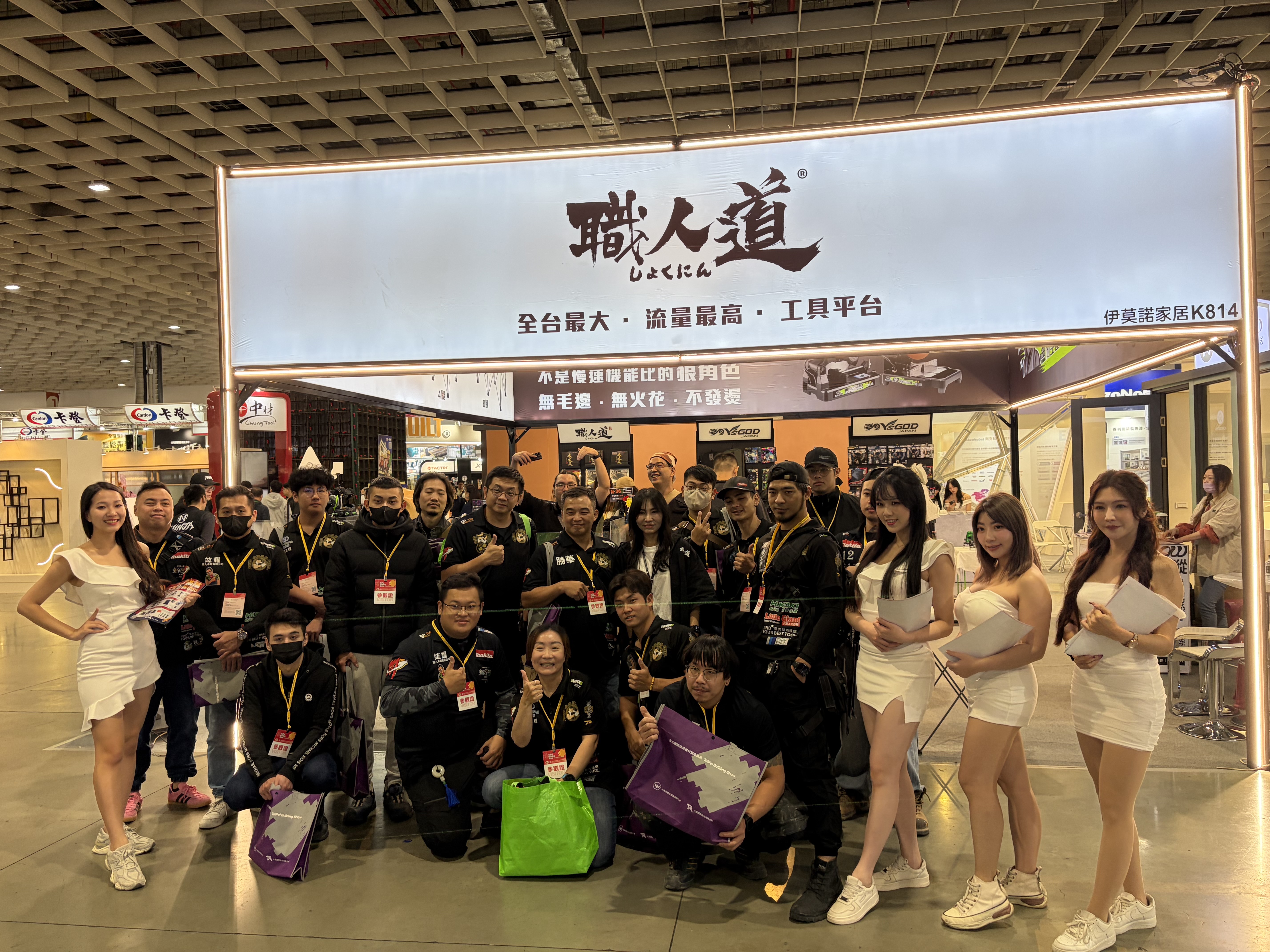
The dual cooling water cooling vest is positioned for high-temperature environments, metal sheet factories and outdoor sites.
Comparison Table: Dual Cooling vs. Other Options
| Option | Cooling mechanism | Stated cooling duration | Maintenance and risk profile | Best fit |
|---|---|---|---|---|
| Shokunin dual cooling water cooling vest | Ice water circulation plus replaceable ice packs | 3–4 hours (Shokunin comparison data) | Reusable ice packs, durable fabric, minimal maintenance; leakage controlled with reinforced ice pack material and 100% quality guaranteed before shipment | High-temperature environments, metal sheet factories, outdoor sites |
| Other water-cooled vests | Water circulation | Cooling effect lost after about 30 minutes | Frequent ice pack replacement, higher wear and tear, more upkeep | Short cooling windows |
| Passive ice-pack vests | Ice packs only, no circulation loop | Varies with pack count and ambient conditions; no single verified figure in the source set used here | Maintenance driven by pack freezing and replacement between uses | Intermittent tasks and short exposure blocks |
| PCM (phase change material) vests | Phase change material packs | Not stated in the source set used here | No verified maintenance data in the source set used here | Buyers prioritising newer cooling technology; the segment held 28.7% of cooling vest market share in 2025 and is the fastest-growing technology segment (Dataintelo) |
Comparison basis: Shokunin product comparison data, Shokunin supply data, and named third-party market sources (Dataintelo, Spherical Insights, Strategic Market Research). Cells marked as not stated are gaps in the available source set, not negative findings.
FAQ
What acceptance and quality checks apply to a dual cooling water cooling vest order?
The stated acceptance criterion for a Shokunin order is a pre-shipment test, and the stated payment term is full payment. For pack integrity specifically, the documented control method is reinforced ice pack material, with 100% quality guaranteed before shipment. At industry level, cooling systems are expected to follow ISO 9001:2015 for quality management, and electrical components often require CE or UL marks (ISO / UL). Buyers of a powered circulation unit should confirm which of these marks apply to the exact model being purchased.
What minimum order quantity and monthly production capacity should buyers plan around?
The minimum order quantity is 10 units, and monthly production capacity is 3,000 units. Behind those figures, FENG SHANG PRECISION CO., LTD operates a 1,000 m² facility with 30 employees and an annual output of 10,000 units, supported by an R&D team of five engineers. For a site rotating vests between workers or shifts, 3,000 units per month is the relevant number for planning replenishment rather than the size of the first order.
What commercial terms come with the order?
The verifiable terms are: minimum order quantity 10 units; delivery terms shipment after payment; freight to be paid by the buyer; acceptance criteria pre-shipment test; payment terms full payment. Unit pricing is not part of the source data used in this guide, so no price figure is quoted here. Buyers should treat those five terms as the fixed commercial baseline and negotiate project-specific items such as volume and delivery schedule on top of them.
How can a buyer verify ice pack leakage risk before committing to a full order?
Ice pack leakage is a recognised risk type in this category, and it is addressed at two points. The material control is reinforced ice pack material, and the commercial control is 100% quality guaranteed before shipment, with a pre-shipment test as the stated acceptance criterion. In practice this means pack integrity is verified before the goods leave the factory rather than after arrival at the site, so the pre-shipment test record for the specific order is the document to review during contract finalisation.
What is the production lead time, and what does it mean for reordering?
Typical production lead time is 7–14 days, with a minimum order quantity of 10 units and a monthly production capacity of 3,000 units. For seasonal or multi-site programmes, that combination supports phased replenishment instead of one oversized shipment, which reduces storage burden and keeps replacement units close to the sites that need them. To review the full product and factory documentation before setting a reorder schedule, download the Shokunin company brochure (PDF), or contact the team by email at fsmarketing@fstool.com.tw or on WhatsApp to discuss a quotation for your deployment.
Conclusion: Score the Season, Not the First Hour
The comparison question that decides an industrial cooling vest purchase is not which vest cools the fastest on the first hour, but which option still holds up at the end of a season. On the data used in this guide, the dual cooling water cooling vest separates itself in four ways: cooling that lasts 3–4 hours against about 30 minutes for other water-cooled vests, higher cooling efficiency in the same comparison, a maintenance profile built on reusable ice packs and durable fabric instead of frequent pack replacement and higher wear and tear, and leakage control through reinforced ice pack material with a 100% pre-shipment quality guarantee.
The supply side completes the picture. A minimum order quantity of 10 units, monthly production capacity of 3,000 units, a 7–14 day production lead time, and a manufacturer founded in 2009 with a 50% export ratio and main markets in the United States and Taiwan together answer the question that a shortlist comparison usually leaves open: can this vest still be reordered in month six, at the same specification, without a new sourcing project?
For buyers in the decision and execution stage, the practical next step is to compare your own work cycle against the numbers above, then verify the commercial and acceptance terms directly with the supplier.
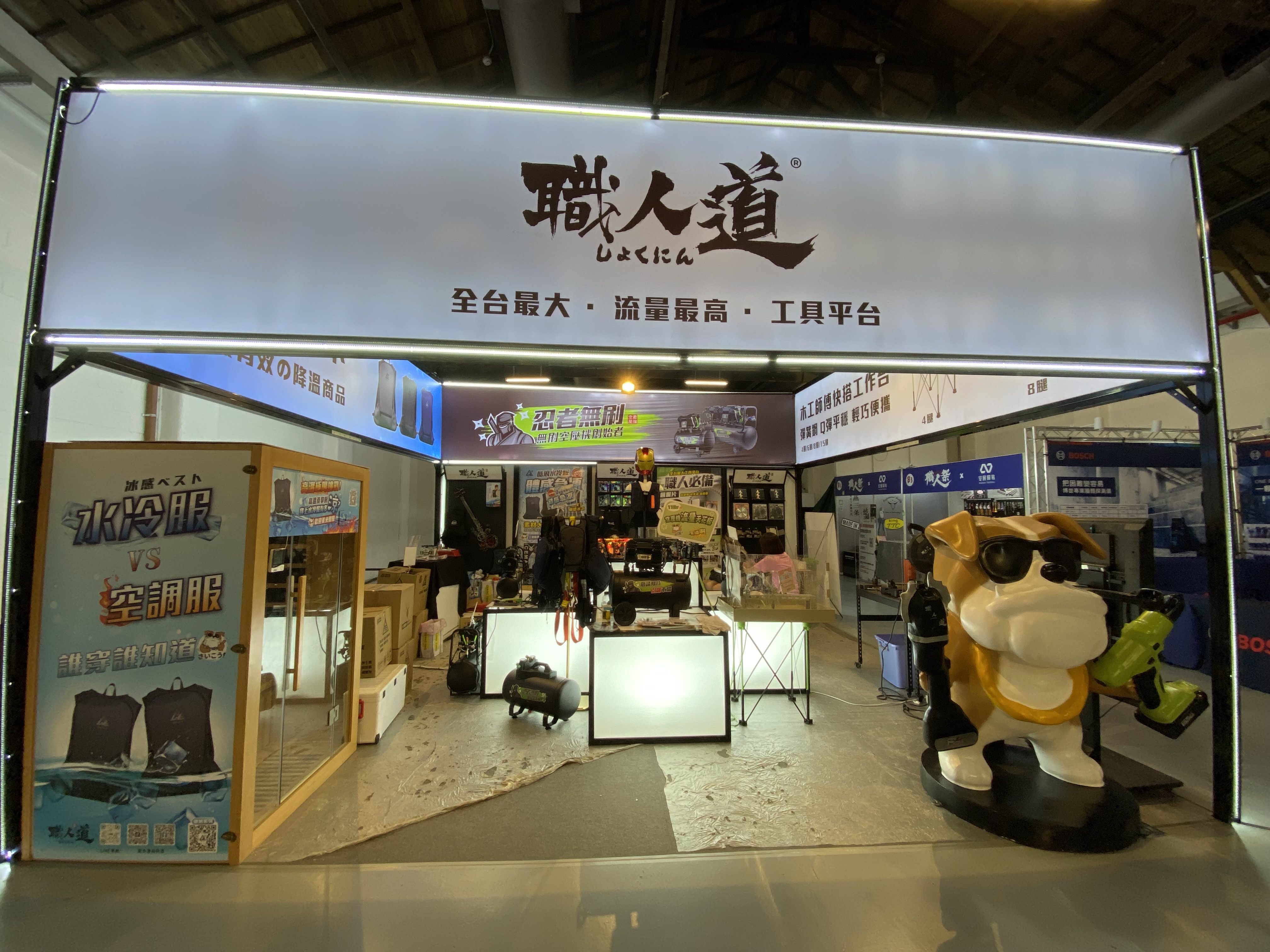

Next step: request a quotation or the full catalogue
FENG SHANG PRECISION CO., LTD (Shokunin) — No. 155-17, Sec. 2, Nanzhu Rd., Luzhu Dist., Taoyuan City 338454, Taiwan. Business hours: Monday to Friday, 8:30 AM – 5:40 PM.
Download the product brochure (PDF) | www.fstool.com.tw | Email: fsmarketing@fstool.com.tw | WhatsApp
Have Questions or Need More Details?
Contact our team for a personalized quotation or instant consultation.
Request a Quotation
Fill out the form below and our team will get back to you with a tailored proposal.
WhatsApp Direct Chat
Prefer to chat in real-time? Message us on WhatsApp for instant assistance & quick answers.
- Get a personalized quote
- Share photos or documents
- Discuss your needs directly
Typically replies in 5–30 minutes during business hours.