
Construction Cooling Vest Compliance: Certifications & PPE
Construction Cooling Vest Compliance: Certifications, PPE, and Regional Requirements
A construction cooling vest does not become compliant because a supplier calls it certified. It becomes defensible when a safety manager can put four documents in one file: the hazard assessment that justified the purchase, the product's classification in the PPE register, a verified certification claim that names the issuing body and scope, and a replenishment plan that matches the vest's real cooling duration. This guide walks through that file for U.S. and Taiwan projects, using the COOLWAVE water-circulation vest as the worked example.
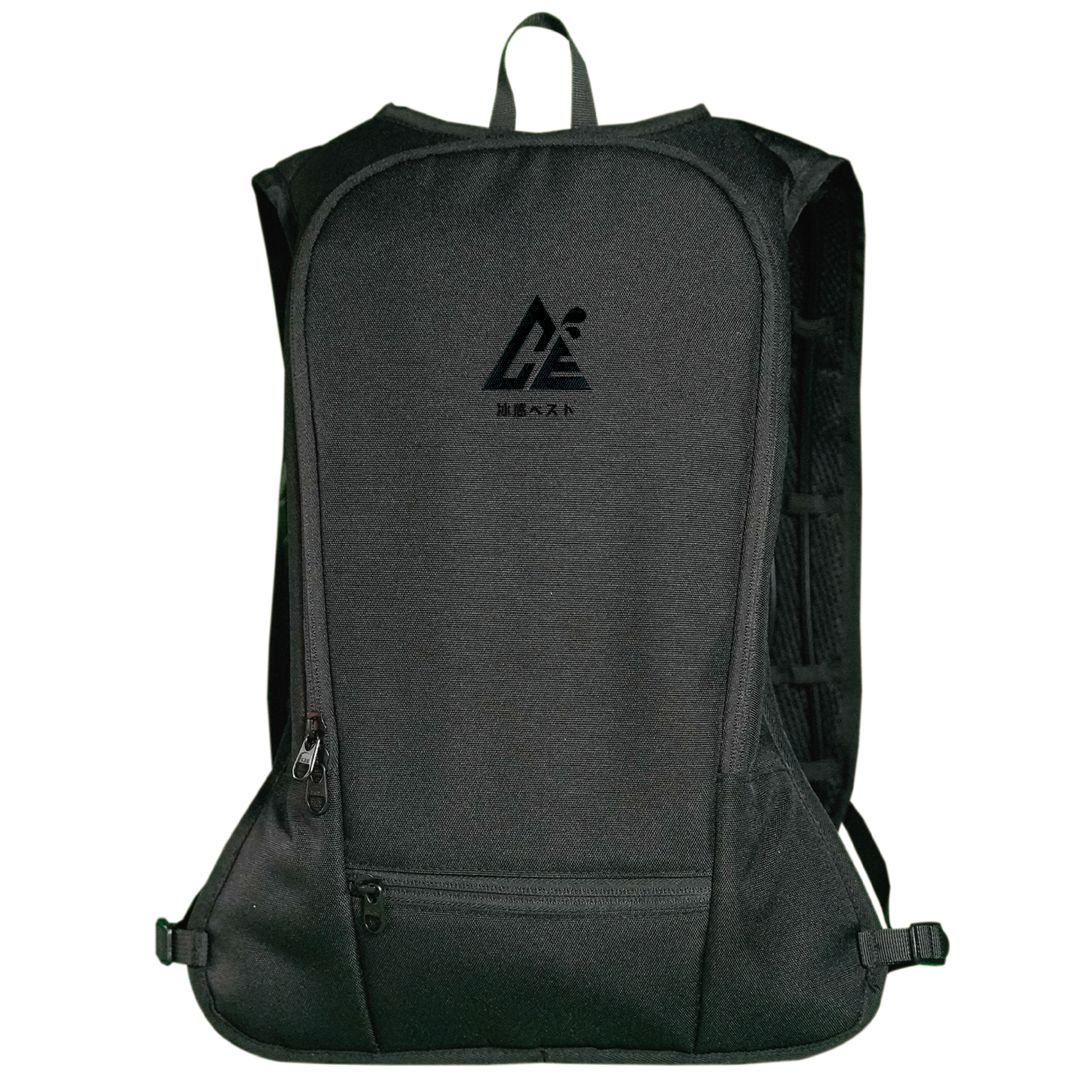
COOLWAVE Water-Circulation Cooling Vest, Professional Model-Black, listed by the manufacturer as Industrial Cooling Apparel / Personal Protective Equipment (PPE).
Quick answer
- Classification: Feng Shang Precision Co., Ltd. — the Taiwan company behind the Shokunin brand — lists the COOLWAVE vest as Industrial Cooling Apparel / Personal Protective Equipment (PPE). That is a product-type classification, and it is separate from a conformity mark.
- Certification: The product has received the Disaster Prevention Product and Service Certification Award issued by the Taiwan Disaster Prevention Industry Association. Ask for the certificate copy, the models covered, and the validity period before you cite it.
- U.S. context: The OSHA heat-rule triggers referenced in this article are at proposed stage, and OSHA guidance does not establish a universal cooling-vest mandate. The employer still owns the classification decision.
- Duration: OSHA describes ice-packet cooling as lasting 2 to 4 hours at moderate to heavy heat loads with frequent replacement. COOLWAVE is specified at 3 to 4 hours of cooling per charge, under its own stated conditions.
- Commercial terms: ODM production, MOQ 10 units, 7–14 day lead time, 6-month warranty on the water-cooled vest.
Problem Definition: Why Cooling Vest Compliance Is Harder Than It Looks
Cooling vests sit in an awkward category. They are worn on the body, they are bought through a PPE or safety budget line, and they are often described as protective equipment — but in most procurement files they arrive with less documentation than a pair of safety boots. Three specific gaps cause most of the trouble.
Gap 1: classification is mistaken for conformity. A manufacturer writing "PPE" on a datasheet tells you how the product is positioned and used. It does not tell you that an independent body assessed the product against a standard. Safety managers who treat these as the same thing end up with a register that says "certified" and a folder with nothing in it.
Gap 2: cooling duration is quoted without test conditions. A duration figure only means something alongside ambient temperature, humidity, workload, and the starting temperature of the cooling medium. Ice-pack systems, phase-change systems, and water-circulation systems are not measured on a common protocol, so a number from one supplier cannot be placed next to a number from a regulator without a caveat.
Gap 3: regional rules differ in kind, not just in detail. U.S. occupational heat guidance is largely duty-based and control-based. Taiwan market claims for this product sit on an industry-association certification award. Comparing the two requires translating both into the same internal document — the hazard assessment and the PPE register.
Practical rule: every claim you keep should name the source, the scope, and the date. If a supplier cannot attach those three things to a statement, the statement stays out of the compliance file even if it appears on the brochure.
Industry Background: What U.S. and Taiwan Buyers Are Actually Working With
Construction is the highest-risk setting in this category. According to a 2026 compliance guide summarizing 2024 reporting, construction workers account for half of all heat-related workplace fatalities in the United States. NIOSH makes the same point from the exposure side: construction and other outdoor operations conducted in hot weather are likely to cause heat stress, particularly where workers wear semi-permeable or impermeable protective clothing.
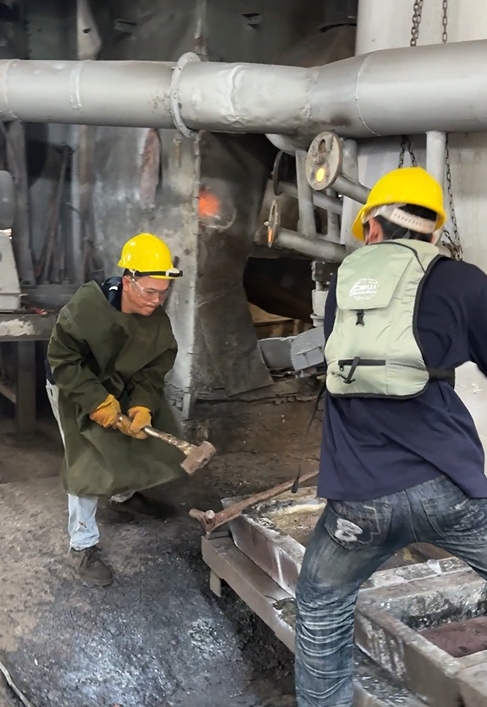
Metal sheet factory — the COOLWAVE vest's applicable industries include construction, outdoor work, metal sheet factories, traffic control, and street vending.
U.S. requirements: guidance, a proposed rule, and an employer decision
The U.S. heat framework has two layers, and mixing them up is the most common compliance error.
The first layer is guidance. NIOSH identifies cooling vests, water-cooled garments, air-cooled garments, and wetted overgarments as auxiliary or personal cooling systems for heat exposure, and states that where heat stress levels exceed the NIOSH recommended occupational exposure limit, some form of heat-protective clothing or equipment should be provided. OSHA describes special cooling devices for hot environments, including vests with cooled air and vests with reusable ice packs or phase-change cooling packs, and warns that certain PPE — respirators, impermeable clothing, head coverings — can itself increase the risk of heat-related illness. That last point matters commercially: the cooling vest is often being bought to offset a burden created by other mandatory equipment.
The second layer is rulemaking. OSHA's proposed heat rule triggers mandatory water and shade at 80°F, and 15-minute breaks every two hours at a 90°F heat index. Those are proposed triggers, not final requirements, and they define rest and water obligations rather than product specifications. Nowhere in that guidance is there a universal mandate to issue a cooling vest, and there is no U.S. product standard specific to cooling vests in the verified evidence used for this article.
The implication for a safety manager is straightforward. The cooling vest enters your file through your heat-illness prevention program and your PPE risk assessment — not through a checklist line that says "must be OSHA approved," because that line does not exist for this product category.
Taiwan requirements: what the certification award does and does not cover
For Taiwan-facing projects, the verifiable product claim for COOLWAVE is the Disaster Prevention Product and Service Certification Award issued by the Taiwan Disaster Prevention Industry Association. Treat it as an industry-association certification of a disaster-prevention product and service, and verify it accordingly: who issued it, which models were assessed, what criteria were applied, when it expires, and whether it is a product certification or a recognition award.
The verified evidence set used for this article did not contain Taiwan-specific occupational heat regulations, and this guide will not invent them. If your Taiwan project carries client, insurer, or public-tender documentation requirements, confirm the applicable local rules and any conformity requirements directly with the relevant authority before you write the vest into a specification.
The COOLWAVE Vest: Classification, Certification, and Material Evidence
Shokunin is a professional tool brand launched by Feng Shang Precision Co., Ltd., a Taiwan manufacturer founded in 2009 with a 1,000 m² factory, 30 employees, 5 R&D engineers, annual output of 10,000 units, and an export ratio of around 50% with the United States and Taiwan as main markets. COOLWAVE is its water-circulation cooling vest line, designed for high-temperature environments and operated in passive cooling mode using ice packs to cool the body.
Product identity and model range
The COOLWAVE Water-Circulation Cooling Vest is offered as a Basic Model and as a Professional Model in blue, gray, and black. All four listings carry the same core specification set, which makes model selection a color and positioning decision rather than a performance decision — useful when a procurement team wants one standard item across multiple sites.
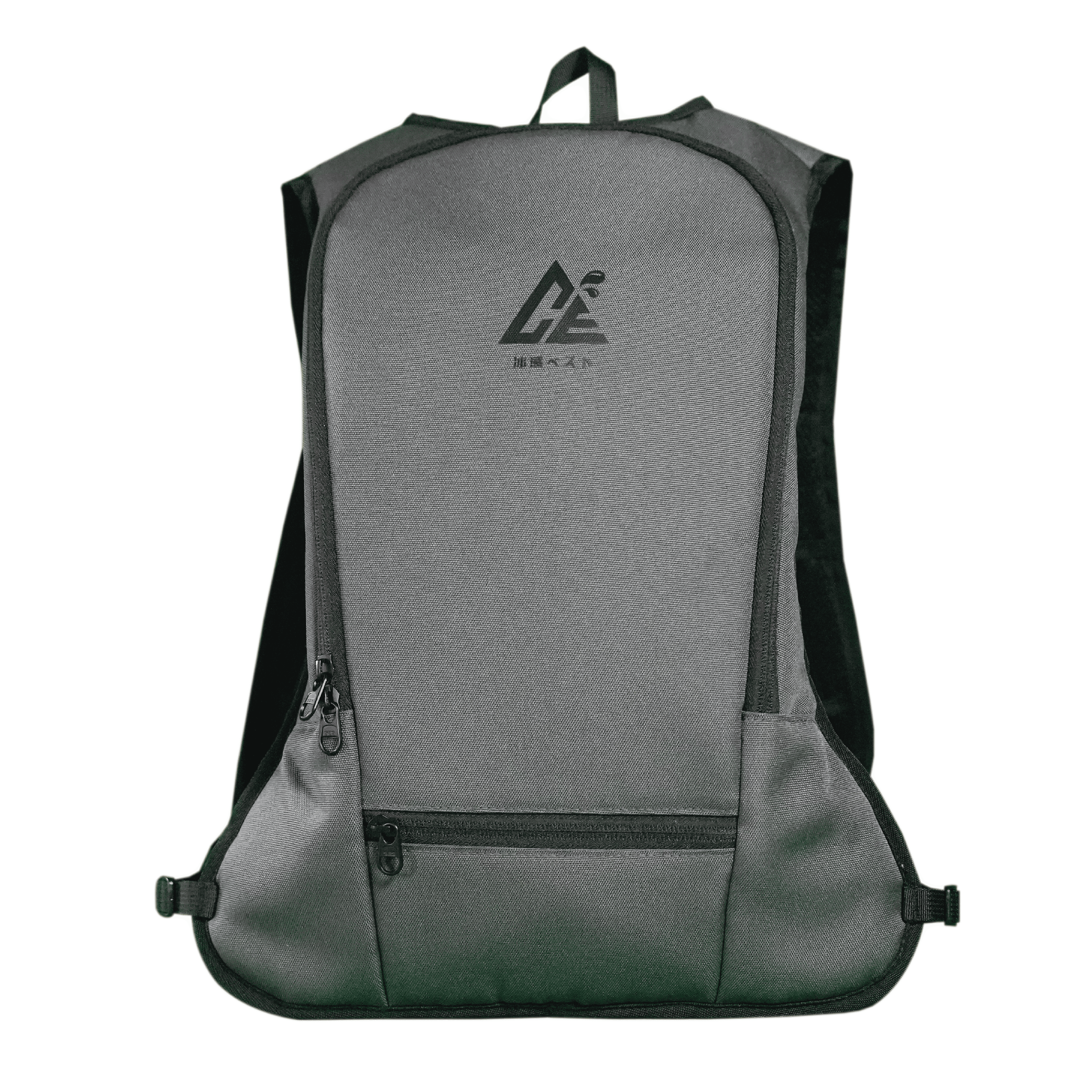
Professional Model-Gray. The PEVA body, TPU water bag, polypropylene cap, 600D polyester shoulder strap, and sand rubber cooling tube are identical across the Basic and Professional listings.
Specification table: what belongs in your compliance file
| Specification | Stated value | Why it belongs in the file |
|---|---|---|
| Product type | Industrial Cooling Apparel / Personal Protective Equipment (PPE) | Defines the register category; does not by itself prove conformity |
| Cooling duration | 3–4 hours | Sets shift-coverage and replenishment planning |
| System weight | Within 2 kg | Relevant to wearer acceptance and to layering under other PPE |
| Suitable temperature | Below 10°C (as stated) | Ask the supplier in writing whether this refers to ambient conditions, coolant, or storage |
| Body material | PEVA | Cleaning, storage, and durability instructions follow from the material |
| Water bag material | TPU | Determines refill and hygiene handling |
| Water bag cap | Polypropylene | Replacement-part identification |
| Shoulder strap | 600D polyester | Load-bearing component of a backpack-style system |
| Cooling tube | Sand rubber (black) | Wear item; plan a replacement interval |
| Pump output | 5V 150mA (max) | Electrical spec for the circulation pump |
| Flow rate | Max 320–370 ml/min | Circulation performance reference |
| Contents | Water-cooled vest backpack ×1, ice packs ×2 | Defines the order unit and the number of packs in circulation per worker |
Reading the Taiwan Disaster Prevention Product and Service Certification Award correctly
A certification award is a document, and a document has boundaries. Before the award appears in a tender response or a worker-safety file, four questions should be answered in writing:
- Issuer status: the award is issued by the Taiwan Disaster Prevention Industry Association. Record the association's role, and keep a copy of the certificate rather than a screenshot of a web page.
- Scope and models: confirm whether the assessment covered the whole COOLWAVE line — Basic and the blue, gray, and black Professional models — or a single configuration.
- Validity: record issue date and expiry date, and add a renewal reminder to the supplier file.
- What it is not: an industry-association award should not be assumed to function as a regulatory conformity assessment or a market-access approval. If your jurisdiction requires a specific conformity route, verify that route separately with the authority.
Handled this way, the award does real work: it is third-party evidence of disaster-prevention positioning for a Taiwan-market product, and it removes one item from the "unverified supplier claims" column.
Step-by-Step: Building a Compliance File for a Cooling Vest Order
Step 1 — Anchor the purchase to a documented hazard assessment
Start with the exposure, not the product. NIOSH identifies construction and other outdoor work as settings likely to cause heat stress, especially where semi-permeable or impermeable clothing is worn, and OSHA notes that certain PPE can increase heat-related illness risk. Your assessment should name the task, the measured or estimated heat load, the other PPE in use, and the control you are adding. A vest bought without this step has no defensible reason to be in the budget.
Step 2 — Classify the item in the PPE register with the right wording
Record the vest as Industrial Cooling Apparel / PPE, and attribute that classification to the manufacturer. Keep the classification line separate from any conformity line. Mixing "classified as PPE" with "certified to standard" is the single most common audit finding in heat-relief procurement.
Step 3 — Verify the certification claim in writing
Request the certificate for the Disaster Prevention Product and Service Certification Award, the model list, and the validity dates. If a distributor's quotation says "certified", ask which certificate and ask for the PDF. If the answer references a different document than the one you hold, restart the verification.
Step 4 — Map materials and components to site conditions
The material list is a maintenance plan in disguise. PEVA body and TPU water bag define cleaning and storage practice. The 600D polyester shoulder strap carries the backpack load. The sand rubber cooling tube is a wear item. The 5V 150mA pump and the 320–370 ml/min maximum flow rate describe the circulation system. For the stated "suitable temperature: below 10°C", get a written definition — the phrase can refer to ambient conditions, coolant temperature, or storage — because a spec you cannot interpret cannot be defended.
Step 5 — Test compatibility with the PPE your crews already wear
NIOSH notes that cooling vests may enable workers to work for longer periods, while adjustments must be made when additional protective gear is worn. Under 2 kg of system weight sits on top of harnesses, high-visibility layers, and respirators. Fit and layering should be confirmed on a trial basis, not inferred from a datasheet.
Step 6 — Plan replenishment against real shift length
This is where compliance meets logistics. OSHA states that ice-packet cooling lasts 2 to 4 hours at moderate to heavy heat loads and that frequent replacement is necessary. COOLWAVE is specified at 3 to 4 hours of cooling per charge and ships with two ice packs. Work out how many packs per worker per shift your freezer capacity can support, then write that number into the heat-illness prevention program so supervisors are not improvising.
Step 7 — Lock the commercial terms into the same file
Production runs in ODM mode with a monthly capacity of 3,000 units, an MOQ of 10 units, a 7–14 day lead time, and a 6-month warranty on the water-cooled vest. Customization is not offered in the current ODM setup, so any branding or specification change should be treated as out of scope until confirmed in writing. Keeping these terms next to the certification documents means an auditor or a site manager can see the whole chain in one place.
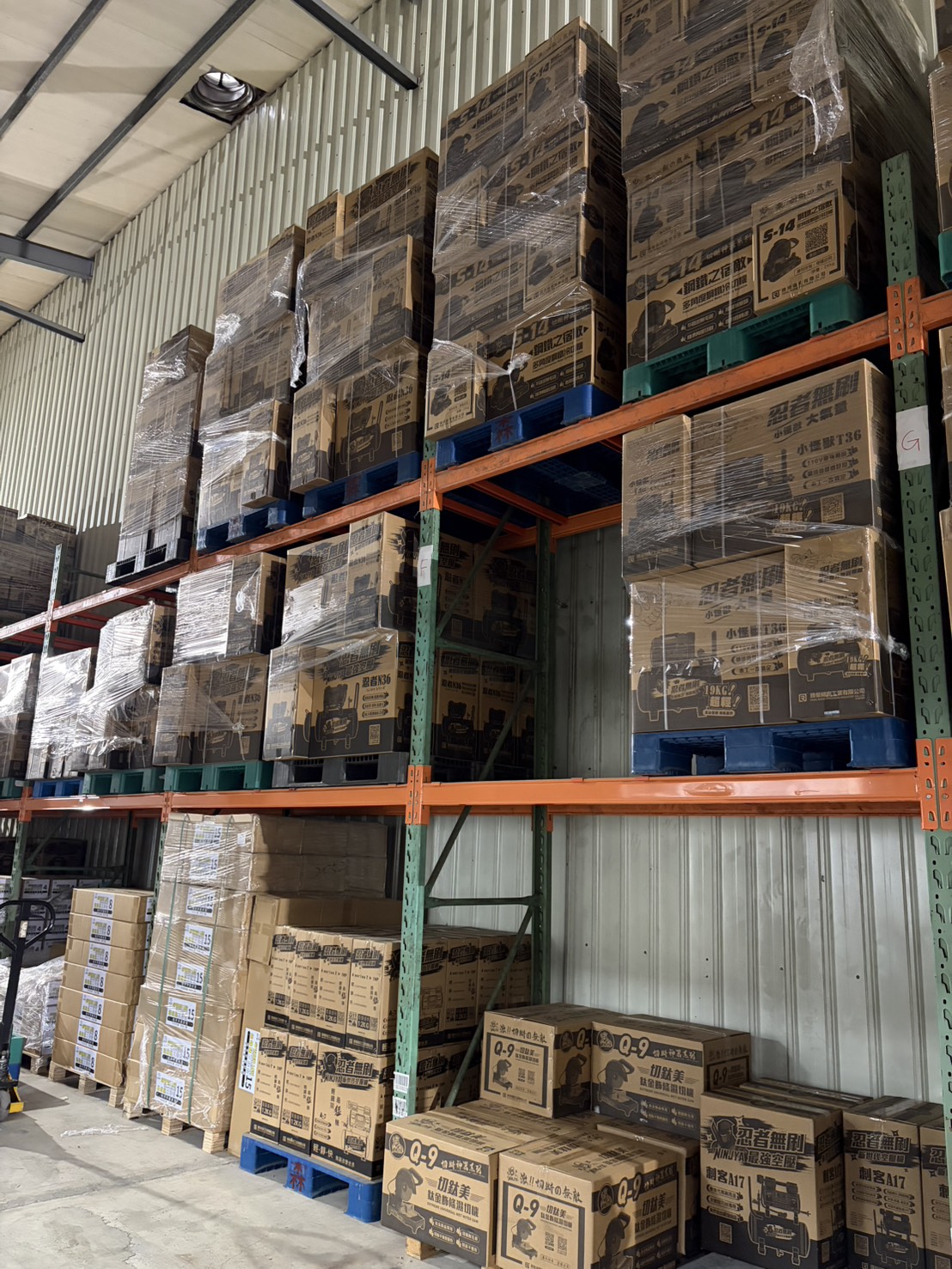
Warehouse stock. ODM production is stated at 3,000 units per month, with a 7–14 day lead time and an MOQ of 10 units — terms that can support staged site rollouts.
Use Cases: Where the Documentation Meets the Site
Construction sites in Taiwan. A documented Taiwan case covers 100 units deployed on construction sites, outdoor work, metal sheet factories, and street-vending applications over a 10-year period, with reported outcomes of effective body cooling, heatstroke prevention, and improved worker efficiency and comfort. The case highlights passive ice-pack cooling, no power requirement, lightweight portable construction, an adjustable one-size-fits-all design, and certified disaster-prevention status — the last of which is exactly the claim you should verify from the certificate rather than from the case summary.
Metal sheet and metal-roof workplaces. Radiant heat from metal surfaces plus restricted airflow is a different problem from direct sun. The dominant compliance question is not cooling power but compatibility: can a worker wear the vest under or over the required protective layers and still move, climb, and communicate? NIOSH's adjustment note applies directly here.
Traffic control and roadwork crews. These crews rotate between high-visibility outer layers and short, exposed shifts. Replenishment planning matters more than runtime bragging rights, because a crew that runs out of frozen packs at hour four is a crew working without a control.
Long-duration outdoor exposure. Where shifts routinely exceed the rated cooling window, the compliance file should state the swap procedure explicitly — how many packs are held per worker, who manages the freezer, and what the supervisor does when a pack is not available.
Comparison: Cooling Approaches and the Documents to Demand
The table below compares cooling approaches using only regulator-stated characteristics and the manufacturer's own stated specification. It deliberately does not rank technologies, because the underlying test conditions are not comparable.
| Approach | Duration evidence | Infrastructure and replenishment | Document to request |
|---|---|---|---|
| Ice-pack auxiliary cooling vests (as described by OSHA) | 2–4 hours at moderate to heavy heat loads; frequent replacement necessary | Freezing capacity and pack rotation each shift | Replacement schedule and any duration test data |
| Circulating-air systems (as described by OSHA) | Characterized as highly effective and complicated; no duration figure stated | Air supply or blower infrastructure; higher maintenance load | System drawings, maintenance plan, integration assessment |
| COOLWAVE water-circulation vest (manufacturer specification) | 3–4 hours cooling per charge; system weight within 2 kg | Two ice packs included; water bag refill; pump 5V 150mA | Product datasheet, certification scope, warranty terms, written definition of stated temperature range |
| Wetted overgarments and other NIOSH-listed personal cooling systems | No duration figure in the evidence used here | Water access and drying | Category confirmation and care instructions |
Verification table: translating supplier claims into documents
| Claim you may hear | What to ask for | Who confirms it |
|---|---|---|
| "Certified product" | Certificate copy with issuing body, assessed models, criteria, and validity dates | Supplier, then the issuing association |
| "PPE" | The written classification statement and the basis for it | Supplier specification document |
| "OSHA compliant" | The specific clause being referenced, and an explanation of how it applies to a product rather than to a work practice | Your safety manager |
| "ODM factory" | Production mode, monthly capacity, MOQ, lead time, warranty terms | Quotation and contract |
| "3–4 hours cooling" | The test conditions: ambient temperature, workload, coolant starting temperature | Supplier test documentation |
| "Works under other PPE" | Field-trial results on your site, with the PPE configuration recorded | Your own trial |
FAQ
Is the COOLWAVE cooling vest a certified PPE product for construction sites?
Two separate things are being described, and a compliance file should keep them apart. Feng Shang Precision Co., Ltd., the manufacturer behind the Shokunin brand, classifies the COOLWAVE vest as Industrial Cooling Apparel / Personal Protective Equipment (PPE). Separately, the product has received the Disaster Prevention Product and Service Certification Award issued by the Taiwan Disaster Prevention Industry Association. Before either statement enters your PPE register, request the certificate copy showing the issuing body, the models covered, the assessment criteria, and the validity period. OSHA heat guidance referenced in this article does not establish a universal cooling-vest mandate, so the classification decision remains with the employer.
Can one vest design cover construction tasks that already require other PPE?
The COOLWAVE system weighs within 2 kg, is specified at 3–4 hours of cooling per charge, and uses a PEVA body, TPU water bag, polypropylene cap, 600D polyester shoulder strap, and sand rubber cooling tube driven by a 5V 150mA pump at a maximum flow rate of 320–370 ml/min. Those numbers make it wearable alongside other equipment, but wearability is not the same as compatibility. NIOSH states that adjustments must be made when additional protective gear is worn, and OSHA notes that respirators, impermeable clothing, and head coverings can increase heat-related illness risk. Confirm layering and fit in a site trial with the actual PPE configuration recorded.
What drives the operating budget of an ice-pack-based cooling program?
Replenishment and administration, not the garment. OSHA states that ice-packet cooling lasts 2 to 4 hours at moderate to heavy heat loads and requires frequent replacement. COOLWAVE ships with two ice packs and is specified at 3–4 hours of cooling per charge. Three variables set the budget: how many packs each worker needs per shift, whether your site has freezing capacity for that volume, and how the 6-month warranty on the water-cooled vest is administered across a multi-site deployment.
Can we validate a cooling vest before committing to a full rollout?
Yes. The ODM terms include an MOQ of 10 units and a 7–14 day lead time, which is small enough for a first order to function as a site trial rather than a fleet purchase. Define pass and fail before the trial starts: heat-stress indicators, wearer comfort, work-rest cycle behavior, fit under existing PPE, and how long the swap procedure actually takes. NIOSH research summaries report that participants wearing cooling vests with ice packs, phase-change materials, or water hoses under PPE showed fewer signs of heat stress than participants without cooling devices — directional evidence, which is why your own trial is the deciding document. Sample and quotation requests can be sent to fsmarketing@fstool.com.tw or via WhatsApp at +86 18858260055.
What lead time and capacity should we plan around?
COOLWAVE is produced in ODM mode with a monthly capacity of 3,000 units, a minimum order quantity of 10 units, and a 7–14 day lead time, backed by a 6-month warranty on the water-cooled vest. Export markets are listed as global, with the United States and Taiwan as main markets. Customization is not offered in the current ODM setup, so any branding or specification change must be confirmed in writing before it is planned into a project schedule.
Conclusion: Build the File, Then Buy the Vest
Compliance for a construction cooling vest is an assembly job, not a purchase decision. The hazard assessment justifies the spend. The classification line tells an auditor what the product is. The certification documents — the Disaster Prevention Product and Service Certification Award from the Taiwan Disaster Prevention Industry Association, with its issuer, scope, and validity recorded — tell an auditor who checked it and against what. The material and component list tells maintenance what to replace. The replenishment plan tells supervisors what to do at hour four. The commercial terms tell procurement when the next batch lands.
Get those six items in order and the regional question becomes manageable: U.S. projects lean on NIOSH and OSHA guidance plus your own exposure assessment, while Taiwan projects lean on the association certification and any local requirements you confirm directly. Neither route hands you a ready-made "approved" stamp, and any supplier who implies otherwise is worth a second look.
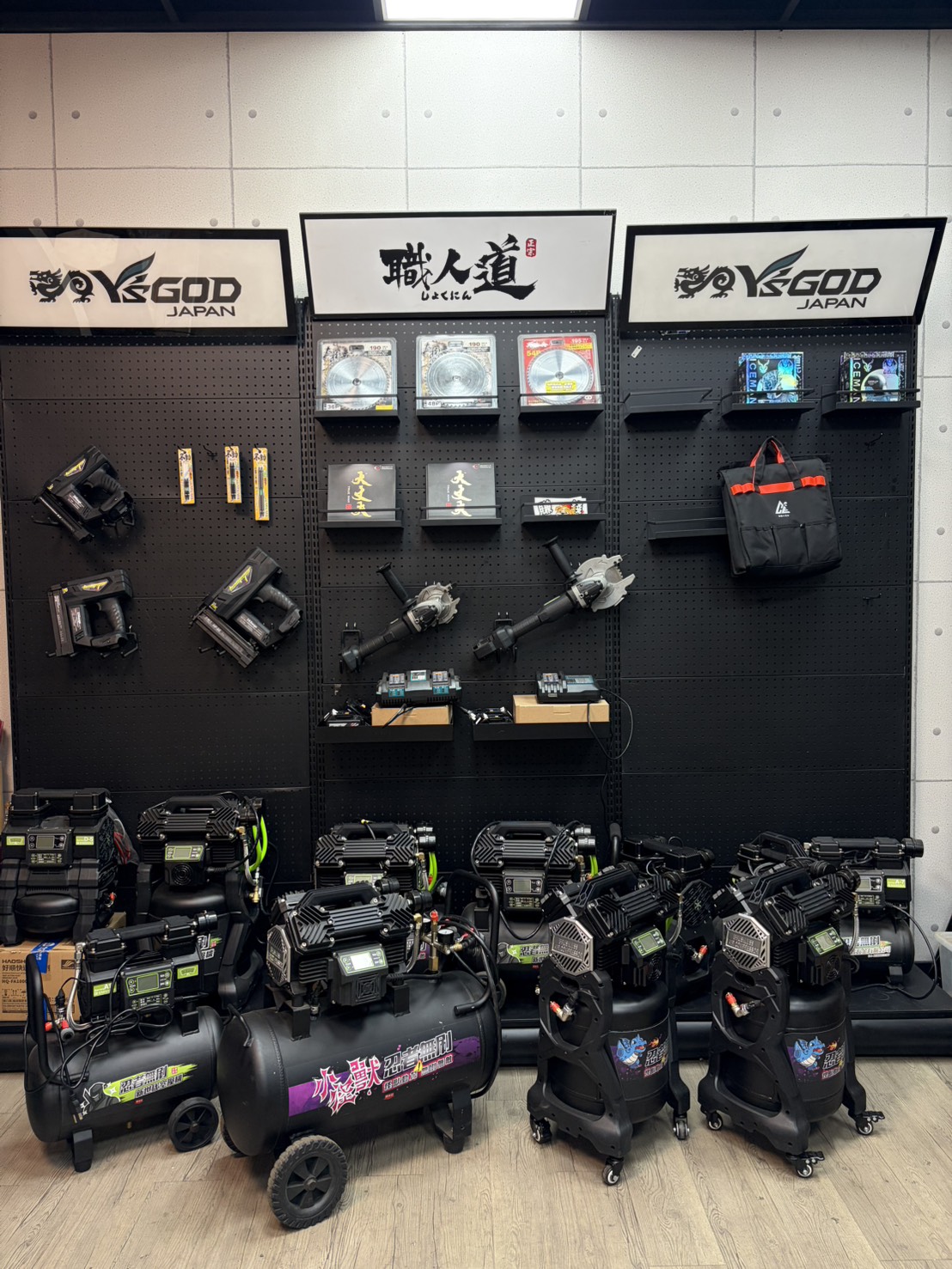
COOLWAVE display area — sample requests, quotations, and the product catalogue are available for compliance-file evaluation.
Next step for safety managers and procurement teams
Request a sample unit or a formal quotation to run the seven-step file against a real deployment. Feng Shang Precision Co., Ltd. (Shokunin) is reachable at fsmarketing@fstool.com.tw, by phone at +886 3-312-6606, or on WhatsApp at +86 18858260055 during business hours, Monday to Friday, 8:30 AM – 5:40 PM. Company address: No. 155-17, Sec. 2, Nanzhu Rd., Luzhu Dist., Taoyuan City 338454, Taiwan.
Download the product catalogue for specification and certification reference: Shokunin product brochure (PDF). Product and company information: www.fstool.com.tw.
Have Questions or Need More Details?
Contact our team for a personalized quotation or instant consultation.
Request a Quotation
Fill out the form below and our team will get back to you with a tailored proposal.
WhatsApp Direct Chat
Prefer to chat in real-time? Message us on WhatsApp for instant assistance & quick answers.
- Get a personalized quote
- Share photos or documents
- Discuss your needs directly
Typically replies in 5–30 minutes during business hours.