
Construction Cooling Vest Application Guide: COOLWAVE for Roofing, Ground & Traffic Crews
Construction Cooling Vest Application Guide: COOLWAVE for Roofing, Ground & Traffic Crews
Short answer: for roofing, formwork, rebar, concrete, masonry, and metal sheet factory crews, the COOLWAVE Water-Circulation Cooling Vest (Basic Model) is the default deployment — a 3–4 hour cooling cycle per ice-pack charge, an assembled weight within 2 kg, and a pump-driven water loop rated 5 V / 150 mA with a maximum flow rate of 320–370 ml/min. For traffic control crews, roadside staff, and street vendors — roles that stand still in reflected road heat and face the public — the Professional Model in Black, Gray, or Blue is the configuration most often specified.
This guide is written for the people who place the order: site managers, safety officers, and procurement staff. It maps each construction role to a COOLWAVE configuration, walks through the shift-level deployment sequence, lists the materials that determine service life, and sets out the ODM terms — minimum order quantity of 10 units, 7–14 day lead time, and a 6-month warranty on the water-cooled vest — that apply when a pilot becomes a programme.
Shokunin is the professional tool and cooling-apparel brand of Feng Shang Precision Co., Ltd., a manufacturer founded in 2009 and based in Taoyuan, Taiwan (ROC). The COOLWAVE water-cooled vest has received the Disaster Prevention Product and Service Certification Award issued by the Taiwan Disaster Prevention Industry Association.
Why Crew Role, Not Site Temperature, Decides Which Cooling Vest You Issue
Two crews can work the same site, on the same day, at the same recorded temperature, and still need different cooling equipment. Heat load is not one number; it is the sum of posture, radiant surfaces, protective layers worn on top of the body, and how long a worker can realistically stop. That is why a construction cooling vest programme should be built crew by crew rather than bought as a single line item.
- Roofing crews absorb radiant heat from metal decking and sheet roofing, work at height, and cannot simply remove layers because a fall-protection harness is fixed to the body.
- Ground crews — rebar, formwork, concrete, masonry — generate their own heat through continuous physical effort, sweat heavily, and bend and reach all day, so strap pressure and bulk matter as much as cooling intensity.
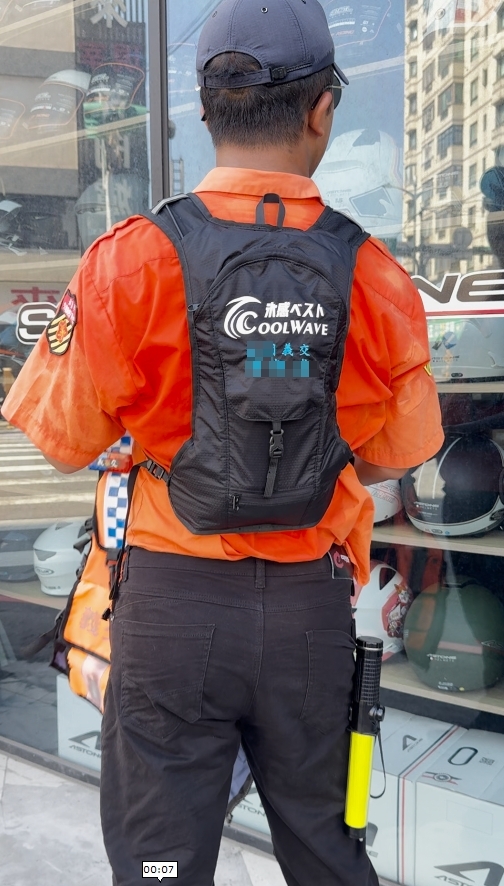
- Traffic control and roadside crews stand almost motionless over asphalt that stores heat and radiates it upward, typically under a high-visibility layer that further reduces airflow.
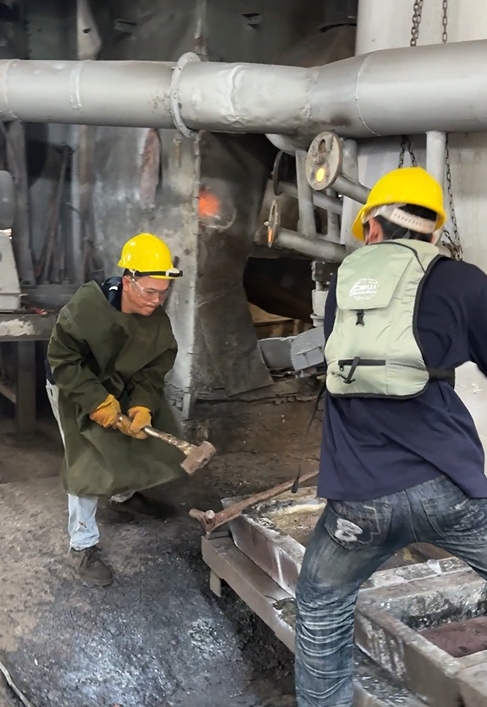
- Metal sheet factory workers face radiant heat indoors with limited air movement — the stuffy, oven-like metal-roof and furnace-adjacent environments where a fan accomplishes very little.
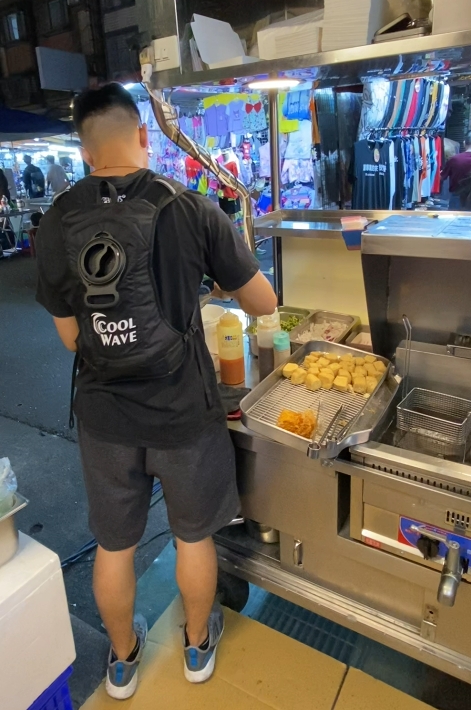
- Street vendors and night-market operators work long static outdoor shifts beside grills, fryers, and generators, in public-facing settings where appearance carries commercial weight.
Three failure modes show up repeatedly when cooling gear is issued without matching it to the role. First, duration mismatch: if a cooling cycle is shorter than the crew's longest continuous work segment, re-chilling becomes the bottleneck and the vest gets left in the container. Second, weight and bulk: every additional kilogram is carried for a full shift, and bulky systems collide with harnesses, tool belts, and high-visibility garments. Third, consumable logistics: ice packs that were never staged before the shift never get used in the middle of it.
The 2026 Context: Heat-Stress Prevention Has Become a Budget Line
Cooling equipment for construction and outdoor work is no longer a discretionary purchase. The global market for heat-stress prevention products reached USD 2.86 billion in 2025, with cooling wearables identified as a primary growth driver (The Business Research Company). Within the cooling vest category, industrial applications accounted for a 34.5% revenue share in 2025 (Dataintelo), and the Asia-Pacific region held a 38.2% revenue share in the same year, driven largely by rapid industrialisation (Dataintelo). A separate 2024 estimate put the industrial cooling vest segment for warehouse and logistics workers at USD 412 million (Cooling Vests for Warehouse Workers Market Research Report 2033).
Market sizing varies between research houses because the scope varies — some count only vests, others count broader personal cooling systems — so any single figure should be treated as directional rather than definitive.
Regulation is moving in the same direction. In the United States, OSHA's General Duty Clause, Section 5(a)(1), requires employers to provide a workplace free from recognised hazards, and heat stress at high-temperature construction sites falls within that duty (OSHA). Traffic control and roadside crews add a second requirement: high-visibility safety vests used in construction must comply with ANSI/ISEA 107-2020 for reflective material and contrast fabric, in Class 1, 2, or 3 (ANSI/ISEA). A cooling vest therefore has to work with the high-visibility layer, not replace it.
On the supply side, the global cooling vest landscape includes manufacturers such as Glacier Tek, TechNiche International, Polar Products, Ergodyne, and Occunomix (Global Cooling Vests Market Trends Report 2033). This guide does not rank those suppliers. It addresses the decision a site team actually faces: matching a specific COOLWAVE configuration to a specific crew.
The COOLWAVE Water-Circulation System in Plain Terms
COOLWAVE is a water-circulation cooling vest line. A small pump — 5 V, 150 mA maximum — drives water through a closed loop at a maximum flow rate of 320–370 ml/min. Two ice packs, supplied with every unit, chill the water; the pump then circulates the chilled water through a cooling tube routed across the torso. Documented cooling duration is 3–4 hours per cycle, and the assembled vest weighs within 2 kg as stated on the product data sheet. Each unit ships as a water-cooled vest backpack ×1 plus ice packs ×2.
The materials list is short and worth reading before a bulk order, because these are the parts that decide how the vest behaves after a full season of daily site use:
- Primary vest material: PEVA
- Water bag: TPU, with a polypropylene cap
- Cooling tube: sand rubber (black)
- Shoulder strap: 600D polyester
- Pump output: 5 V, 150 mA (max); flow rate max 320–370 ml/min
- Cooling duration: 3–4 hours; assembled weight within 2 kg
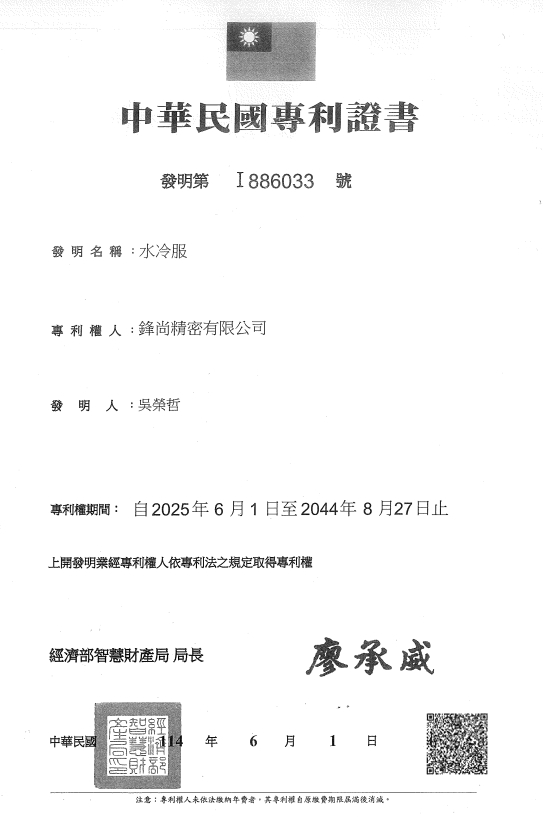
Two credentials matter for procurement files. The COOLWAVE water-cooled vest has received the Disaster Prevention Product and Service Certification Award from the Taiwan Disaster Prevention Industry Association. The water-cooled vest structure and cooling system are also covered by patent certificate I886033, issued by the Intellectual Property Office, Ministry of Economic Affairs, Taiwan (ROC) on 2025-06-01 and valid until 2044-08-27.
Crew-by-Crew Application Map
The Basic Model is sufficient for the majority of construction and outdoor work. The Professional Model becomes the better choice when the worker is stationary on hot pavement and visible to the public.
Roofing and metal-roof crews
Roofing combines two stressors that many cooling products handle badly: reflected radiant heat from metal decking and sheet roofing, and a fall-protection harness that cannot be adjusted around a bulky garment. The Basic Model is the right starting configuration here. At within 2 kg, with a 600D polyester shoulder strap, it can be worn under the harness without altering attachment geometry, and the 3–4 hour cycle covers a typical morning or afternoon roofing block.
Deployment note: before the climb, confirm the polypropylene water bag cap is sealed, route the sand rubber cooling tube along the side of the torso rather than across the sternum, and keep the two ice packs in a cooler at the roof access point so a mid-block swap takes minutes instead of requiring a descent.
Ground crews: rebar, formwork, concrete, and masonry
Ground crews produce their own heat. Because metabolic heat rises with effort, the priority is uninterrupted cooling rather than maximum cooling intensity — a vest that stays on and stays comfortable for four hours beats a colder vest that comes off after forty minutes. The adjustable one-size-fits-all design matters here, because ground crews often share pooled equipment between shifts and headcount changes with the project phase. The PEVA body and TPU water bag are the components most exposed to daily abrasion against formwork, rebar, and scaffolding, so they belong in the post-shift inspection routine.
Deployment note: for crews reporting excessive sweating, the practical intervention is a second set of ice packs staged at the site container. The cooling loop itself does not need to change; only the rotation does.
Traffic control and roadside crews
Traffic control is the role where the Professional Model in Black, Gray, or Blue adds the most value. These workers stand in one place for long periods over asphalt that stores and radiates heat, they are required to wear high-visibility garments that reduce airflow, and they are the most visible, public-facing crew on the site. Comfort alone is not sufficient: the vest has to layer predictably beneath the high-visibility garment without blocking the reflective material and contrast fabric required by ANSI/ISEA 107-2020, in Class 1, 2, or 3. Colour selection in Black, Gray, or Blue also lets a traffic management contractor standardise the visible uniform standard across a crew while keeping the same water-circulation system underneath.
Deployment note: build the signaller's rotation around the 3–4 hour cooling cycle. A workable planning pattern for fixed stand posts is one vest per worker, with charged spare ice packs staged at the post rather than at the depot.
Metal sheet factory and indoor radiant-heat work
Inside metal sheet plants and furnace-adjacent production halls, cooling needs are continuous rather than episodic, and air movement is limited. These are the environments workers describe as stuffy or oven-like. Because the work is stationary and shift-based, deployment is simpler than on site: allocate one vest per worker per production shift, align ice-pack swaps with scheduled breaks, and keep a freezer in the plant as the charging station. The COOLWAVE record includes metal sheet factory use alongside construction sites and outdoor work.
Street vendors and night-market operators
Food stall operators, street vendors, and night-market sellers are documented user groups for the same vest, and they behave like a stationary outdoor crew: long hours, radiant heat from cooking equipment, and direct public contact. The Professional Model in Black, Gray, or Blue is the usual specification here, because visual presentation carries as much commercial weight as thermal performance.
Shift-Level Deployment Checklist
- Profile the shift against the cooling cycle. Measure the crew's longest continuous work segment. At 3–4 hours of cooling per ice-pack charge, a ten-hour summer shift needs staged spares, not a single vest per worker.
- Choose the model tier. Basic Model for roofing, ground, and factory crews. Professional Model in Black, Gray, or Blue for traffic control, roadside, and street-facing roles.
- Stage ice packs before the shift begins. Two ice packs ship with each unit. Freeze overnight, and label packs by crew so rotation is not improvised on the site.
- Fit and layer check. Confirm the adjustable one-size-fits-all fit, check the polypropylene water bag cap seal and the TPU water bag, and route the sand rubber cooling tube clear of harness points and tool belts. Where a high-visibility layer is worn, verify that the reflective material required by ANSI/ISEA 107-2020 remains visible and unobstructed.
- Mid-shift swap discipline. Swap at the 3–4 hour mark, before performance drops, rather than waiting for a worker to remove the vest voluntarily.
- Post-shift care and documentation. Rinse and dry the vest, inspect tubing and seams, and log defects. The water-cooled vest carries a 6-month warranty, and logged issues are what make a warranty claim straightforward.
Application Comparison Table
| Crew / work environment | Primary heat driver | Recommended COOLWAVE configuration | Documented specification that matters |
|---|---|---|---|
| Roofing and metal-roof work | Radiant heat from metal decking at height; fixed fall-protection harness | Basic Model | Assembled weight within 2 kg; 600D polyester shoulder strap |
| Ground crews: rebar, formwork, concrete, masonry | Metabolic heat from continuous manual work; heavy sweating | Basic Model | Adjustable one-size-fits-all design; PEVA body and TPU water bag |
| Traffic control and roadside | Standing over radiating asphalt; high-visibility layer reduces airflow; public-facing | Professional Model in Black, Gray, or Blue | Water-circulation cooling loop that layers beneath ANSI/ISEA 107-2020 high-visibility garments |
| Metal sheet factory and indoor radiant heat | Radiant heat with limited air movement; fixed production shifts | Basic Model | 3–4 hour cooling cycle aligned to scheduled breaks |
| Street vending and night markets | Long static outdoor hours near cooking heat; public-facing | Professional Model in Black, Gray, or Blue | Same water-circulation system with standardised colour options |
| Shared system specification (all configurations) | — | Water-cooled vest backpack ×1 plus ice packs ×2 per unit | Pump 5 V / 150 mA max; flow rate max 320–370 ml/min; cooling duration 3–4 hours |
Component and Material Reference
| Component | Material / rating | Why it matters on site |
|---|---|---|
| Primary vest material | PEVA | The surface that takes daily abrasion against formwork, rebar, and scaffolding; inspect during post-shift checks. |
| Water bag | TPU | Holds the chilled water that the pump circulates; the main wear item in a shared-equipment pool. |
| Water bag cap | Polypropylene | The seal to verify before each climb or shift start — a loose cap is the most common avoidable failure. |
| Cooling tube | Sand rubber (black) | Routes water around the torso and holds position beneath harnesses and tool belts. |
| Shoulder strap | 600D polyester | Carries the vest's load; abrasion resistance matters more than padding for full-shift use. |
| Pump output | 5 V, 150 mA (max) | Low-draw circulation — the specification to quote when checking power or battery arrangements. |
| Flow rate | Max 320–370 ml/min | Determines how quickly chilled water moves through the loop and, with ice-pack volume, how long cooling lasts. |
| Cooling duration | 3–4 hours per cycle | The planning figure for shift segmentation and ice-pack staging. |
| Assembled weight | Within 2 kg | Carried for a full shift; the figure that decides whether a roofing crew keeps the vest on. |
| Included contents | Water-cooled vest backpack ×1, ice packs ×2 | The minimum consumable set per worker; additional packs are the rotation plan, not an accessory. |
Field Evidence: A 100-Unit Deployment Across Four Crew Types
The documented COOLWAVE reference deployment in Taiwan covers 100 units supplied to construction sites, outdoor work, metal sheet factories, and street vendors for cooling use in high-temperature environments. The record spans ten years and lists the outcomes as effective body cooling, heatstroke prevention, improved work efficiency, and improved worker comfort.
The same record highlights the design characteristics those crews valued in daily use: ice-pack cooling with two packs per vest, light weight and portability, an adjustable one-size-fits-all fit, and disaster-prevention product certification. For a buyer evaluating a crew rollout, those four characteristics map directly onto the three failure modes described earlier — duration, weight and bulk, and consumable logistics.
ODM Ordering Terms for a Cooling Vest Programme
COOLWAVE is supplied under an ODM production model. The commercial terms that determine how a pilot scales into a programme are straightforward:
- Production mode: ODM
- Minimum order quantity: 10 units
- Lead time: 7–14 days
- Monthly capacity: 3,000 units
- After-sales: 6-month warranty for the water-cooled vest
- Export markets: global
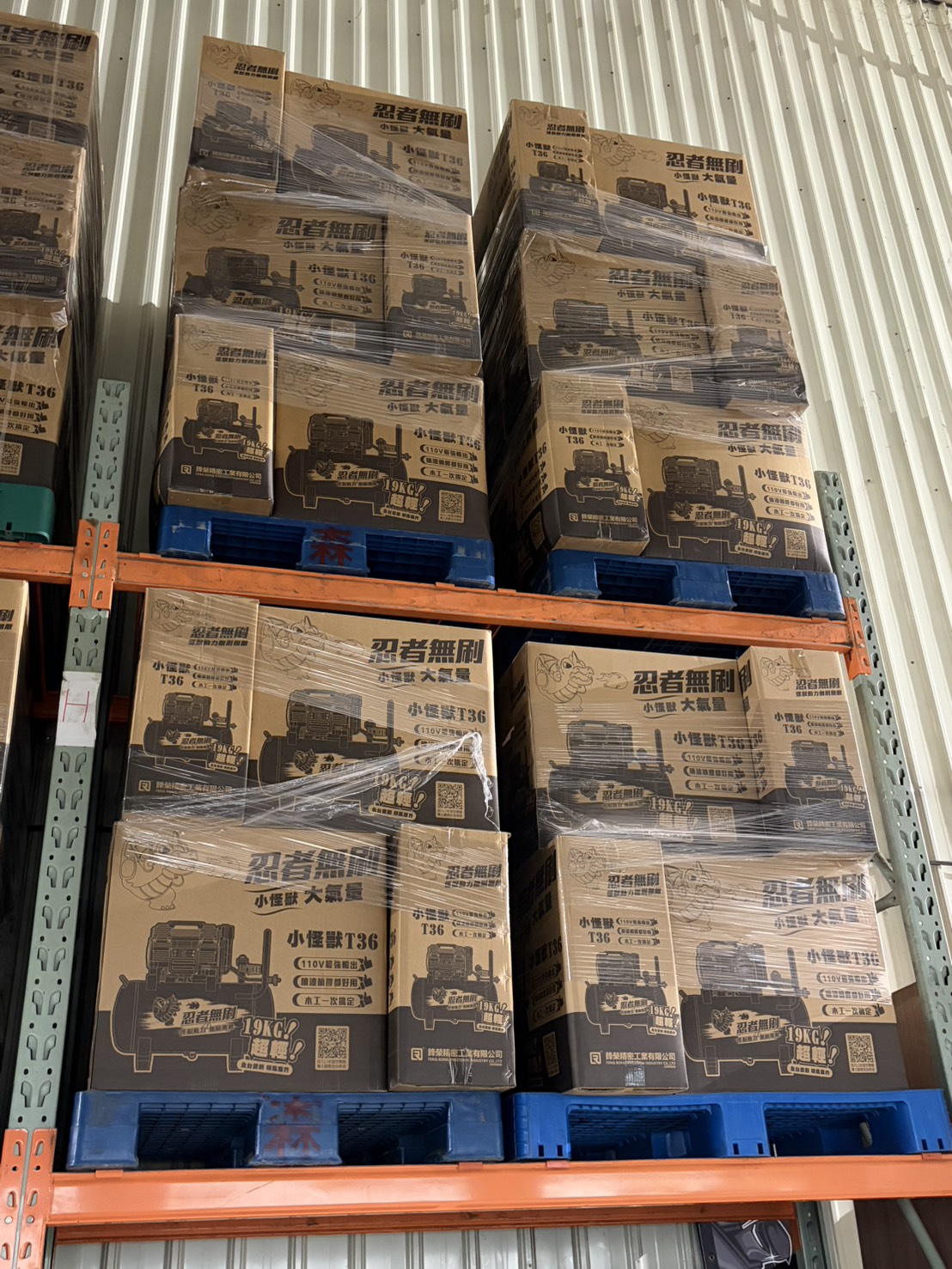
The manufacturer behind the line, Feng Shang Precision Co., Ltd., was founded in 2009 and operates a 1,000 m² factory with 30 employees, an annual output of 10,000 units, and a five-engineer R&D team. Roughly 50% of output is exported, primarily to the USA and ROC (Taiwan) markets. Because the minimum order quantity is 10 units, a site team can validate a single crew — roofing, traffic control, or a factory line — before committing to a full seasonal rollout.
FAQ
Is COOLWAVE a certified cooling vest for construction and heat-stress prevention?
Yes. The COOLWAVE water-cooled vest has received the Disaster Prevention Product and Service Certification Award issued by the Taiwan Disaster Prevention Industry Association, and the water-cooled vest structure and cooling system are covered by patent certificate I886033, issued by the Intellectual Property Office, Ministry of Economic Affairs, Taiwan (ROC) on 2025-06-01 and valid until 2044-08-27. Two limits are worth stating plainly: the certificate covers disaster-prevention product qualification rather than site-specific heat plans, and US employers still need to meet OSHA's General Duty Clause, Section 5(a)(1), which requires a workplace free from recognised hazards including heat stress. Where a high-visibility layer is worn over the vest, that layer must independently comply with ANSI/ISEA 107-2020, Class 1, 2, or 3.
Can one COOLWAVE configuration cover roofing, ground, and traffic control crews?
Mostly, with one split. The Basic Model covers roofing, formwork, rebar, concrete, masonry, and metal sheet factory work: 3–4 hours of cooling per cycle, assembled weight within 2 kg, a maximum flow rate of 320–370 ml/min from a 5 V / 150 mA pump, and an adjustable one-size-fits-all fit. Traffic control crews, roadside staff, and street vendors are usually specified with the Professional Model in Black, Gray, or Blue, because those roles stand still in reflected road heat and face the public. Both share the same water-circulation principle and the same consumable model — two ice packs ship with each unit — so ice-pack staging and rotation planning stay identical across a mixed fleet.
What drives the cost of equipping a construction crew with COOLWAVE vests?
Four variables determine the scale of a programme: crew headcount and shift overlap; how many ice-pack sets you stage per worker, since a 3–4 hour cooling cycle means a long summer shift needs staged spares; the model tier, Basic or Professional; and whether you order standard stock or an ODM configuration. The minimum order quantity of 10 units allows a phased rollout by crew rather than a single all-site purchase. In practice, ice-pack rotation — not vest count alone — is the variable that most often decides whether the equipment is actually used in the second half of a shift.
Can we validate a COOLWAVE vest before committing to a full rollout?
Sample and pilot validation is the normal first step, and the 10-unit minimum order quantity exists precisely to make that possible. Samples can be requested through the Shokunin website at www.fstool.com.tw, by email at fsmarketing@fstool.com.tw, or via WhatsApp at +86 18858260055. Quote the crew role, site conditions, and expected headcount so the right Basic or Professional configuration is quoted back to you.
What are the ODM ordering terms and lead time?
ODM is the production mode for the COOLWAVE programme. Minimum order quantity is 10 units, lead time is 7–14 days, monthly capacity is 3,000 units, shipments serve global markets, and the water-cooled vest carries a 6-month warranty. Feng Shang Precision Co., Ltd. manufactures the line in a 1,000 m² facility in Taoyuan, Taiwan (ROC), with 30 employees, an annual output of 10,000 units, and a five-engineer R&D team. The next step is to send your crew list, shift pattern, and preferred model tier, and request both a sample and a quote through the Shokunin website or the brochure below.
Next Step
Deploy by crew, not by guesswork. Send Shokunin your crew breakdown — roofing, ground, traffic control, factory, or vending — together with shift length and expected headcount. Samples are available from a 10-unit minimum order, lead time is 7–14 days, and the water-cooled vest is covered by a 6-month warranty.
Download the product brochure: COOLWAVE product brochure (PDF)
Website: www.fstool.com.tw · Email: fsmarketing@fstool.com.tw · WhatsApp: +86 18858260055 · Phone: +886 3-312-6606
Business hours: Monday to Friday, 8:30 AM – 5:40 PM. Address: No. 155-17, Sec. 2, Nanzhu Rd., Luzhu Dist., Taoyuan City 338454, Taiwan.
Have Questions or Need More Details?
Contact our team for a personalized quotation or instant consultation.
Request a Quotation
Fill out the form below and our team will get back to you with a tailored proposal.
WhatsApp Direct Chat
Prefer to chat in real-time? Message us on WhatsApp for instant assistance & quick answers.
- Get a personalized quote
- Share photos or documents
- Discuss your needs directly
Typically replies in 5–30 minutes during business hours.