
Compliance Guide: Dual Cooling Water Cooling Vest
Compliance on a dual cooling water cooling vest is almost never settled by a single certificate. The product behaves like a system rather than a garment: a wearable body, a closed water loop, reusable ice packs, and a low-voltage pump that pushes cooled water through tubing. Each of those parts sits in a different compliance category, and each one asks a buyer for a different kind of evidence.
This guide is written for importers, distributors, safety managers and project buyers who have already accepted that circulating-water cooling is the right technology and are now preparing to place, or repeat, an order. It sets out the standards most often referenced for cooling systems, the component-level risks that reviewers question, the published specifications of the COOLWAVE Water-Circulation Cooling Vest, the documents worth requesting before a purchase order, and the supply facts that decide whether compliance can be maintained over a long-term program.
Why a Powered Cooling Vest Creates More Compliance Work Than a Static Garment
A conventional protective vest has one compliance profile. The fabric, the stitching and any retroreflective tape are declared once, a label is attached, and the risk profile barely changes between the first unit and the ten-thousandth. A water-circulation vest changes that picture in three ways.
- A fluid pathway that must not leak. The water bag, the cap, the tubing and the connections form a closed loop that is filled, worn, drained and refilled repeatedly. Leakage is the failure mode that matters most, because it affects both the wearer's comfort and any electronics carried alongside the vest.
- A powered pump. As soon as a vest contains an electrically driven component, the question of electrical marking arises. That question simply does not exist for a passive garment.
- Re-used consumables. Reusable ice packs are frozen, handled and refitted for the life of the product, so their durability belongs to the compliance file rather than to after-sales.
Requirements also shift by destination market. A low-voltage pump assembly that raises no questions in one country may need a recognised electrical marking in another. The formal guidance collected for this product category states that cooling systems must comply with ISO 9001:2015 for quality management and often require CE or UL marks for electrical components. Those two lines already explain why compliance is best handled as a checklist of components and documents, not as one certificate to file away.
The practical consequence for buyers at the decision and execution stage is this: you can receive a perfectly acceptable garment and still face open questions about the pump's marking status, the water bag's material, or how leakage is prevented across repeated freeze-thaw cycles. Those questions become harder, not easier, as quantities rise and as the vest moves from a trial on one site to a standard item in an employer's heat-safety program.
Industry Background: A Growing Powered-PPE Category Under Increasing Scrutiny
Cooling apparel has moved from a comfort product to a procurement category. Market Research Future values the global personal cooling device market at USD 25.16 billion in 2024, with a projection of USD 94.85 billion by 2035. That figure covers all personal cooling devices, including handheld fans and personal air-conditioning units, so it should not be read as the size of the vest segment alone.
The narrower cooling vest market is estimated by Dataintelo at approximately USD 215 million in 2024, projected to reach USD 385 million by 2033. The gap between the two numbers is a useful reminder for anyone building a business case: always check what an analyst counted before repeating a market size.
Two structural facts matter more for compliance planning than the totals do.
- Industrial buyers dominate demand. Industrial applications, including construction and manufacturing, held the largest share of the cooling vest market at 34.5% in 2025 (Dataintelo). Industrial purchasing drags employer safety documentation, tender conditions and audit trails along with it.
- Active circulation is gaining ground. Phase Change Material vests captured 28.7% of market share in 2025 and are described as the fastest-growing technology segment, while active circulatory mechanisms, the ice-water circulation approach used in the COOLWAVE vest, are increasingly deployed in industrial sectors to mitigate occupational heat stress (Strategic Market Research, 2025).
Asia Pacific is identified as the fastest-growing region for cooling vests, driven by rapid industrialisation and large outdoor work populations (Spherical Insights). Companies named in the same market research as key global competitors in the cooling vest market include Techniche International, Glacier Tek, Polar Products Inc. and Ergodyne. Their presence is useful context rather than a threat: this is a category with established suppliers, which means compliance questions are normal and documented answers should be available on request.
What Compliance Actually Covers on the COOLWAVE Water-Circulation Cooling Vest
The COOLWAVE Water-Circulation Cooling Vest is a dual cooling water cooling vest classified as industrial cooling apparel and personal protective equipment. Its compliance-relevant facts fall into five groups: quality management, leakage control, the powered circuit, acceptance testing, and the supplier capacity that determines whether any of it can be repeated.
1. The quality-management baseline
ISO 9001:2015 is the quality-management standard that verified guidance identifies for cooling systems. In practice this is a supplier-level check rather than a product-level one, and it should be read carefully: a quality-management certificate covers the site and the processes named on it, not every item a company sells. When you request it, ask for the certificate scope and the issuing body, and confirm which production site the certificate refers to. Alongside that, Shokunin states that the COOLING water-cooled vest has received the Disaster Prevention Product and Service Certification Award issued by the Taiwan Disaster Prevention Industry Association, which is a product-category recognition rather than a substitute for a market-specific electrical marking.
2. Leakage control on the ice packs and the water loop
Ice pack leakage is a documented risk for this product type. The control method applied is a reinforced ice pack material, and the stated enterprise measure is that reinforced material combined with 100% quality guaranteed before shipment. That is the sentence a compliance reviewer wants to see, because it names both the physical control and the checkpoint where it is verified.
The wet-side components are specified as follows: the water bag is TPU, the water bag cap is polypropylene, the vest material is PEVA, the cooling tube is sand rubber in black, and the shoulder strap is 600D polyester. Together these define the surfaces that contact water and the surfaces that carry load, which is exactly the list you need when you build or check a material declaration.
3. The powered circuit: pump, power source and marking questions
The circulating pump is rated at 5 V with a maximum output of 150 mA, and the maximum flow rate is 320–370 ml/min. That is a low-voltage circuit, but low voltage is not the same as outside the scope of electrical marking. Because verified guidance for cooling systems notes that CE or UL marks are often required for electrical components, the pump and its power source are the parts of the vest most likely to trigger a documentation request from an importer, a customs broker or a buyer's own quality team.
A practical rule when you ask: name the component, name the market, and ask which marking applies and which document evidences it. A general statement that a product is compliant is not the same as a document tied to a specific component and a specific destination.
Published specification set for the COOLWAVE Water-Circulation Cooling Vest (Basic Model)
- Cooling duration: 3–4 hours
- Weight: within 2 kg
- Suitable temperature: below 10 °C
- Pump output: 5 V, 150 mA (max)
- Flow rate: max 320–370 ml/min
- Shoulder strap: 600D polyester
- Vest material: PEVA
- Water bag: TPU; water bag cap: polypropylene
- Cooling tube: sand rubber (black)
- Standard contents: water-cooled vest backpack ×1, ice packs ×2
4. Pre-shipment testing as an acceptance control
The purchase terms list pre-shipment test as the acceptance method. For a compliance-driven purchase this is the checkpoint that carries the most weight, because leakage, seal integrity and flow behaviour are all detectable at the factory and expensive to detect after distribution. A pre-shipment test is also a practical way to keep a compliance file current: each shipment produces its own record, and those records are what an employer's safety officer or an importer's quality team will ask for if a batch is ever questioned.
5. Supplier facts that decide whether compliance can be sustained
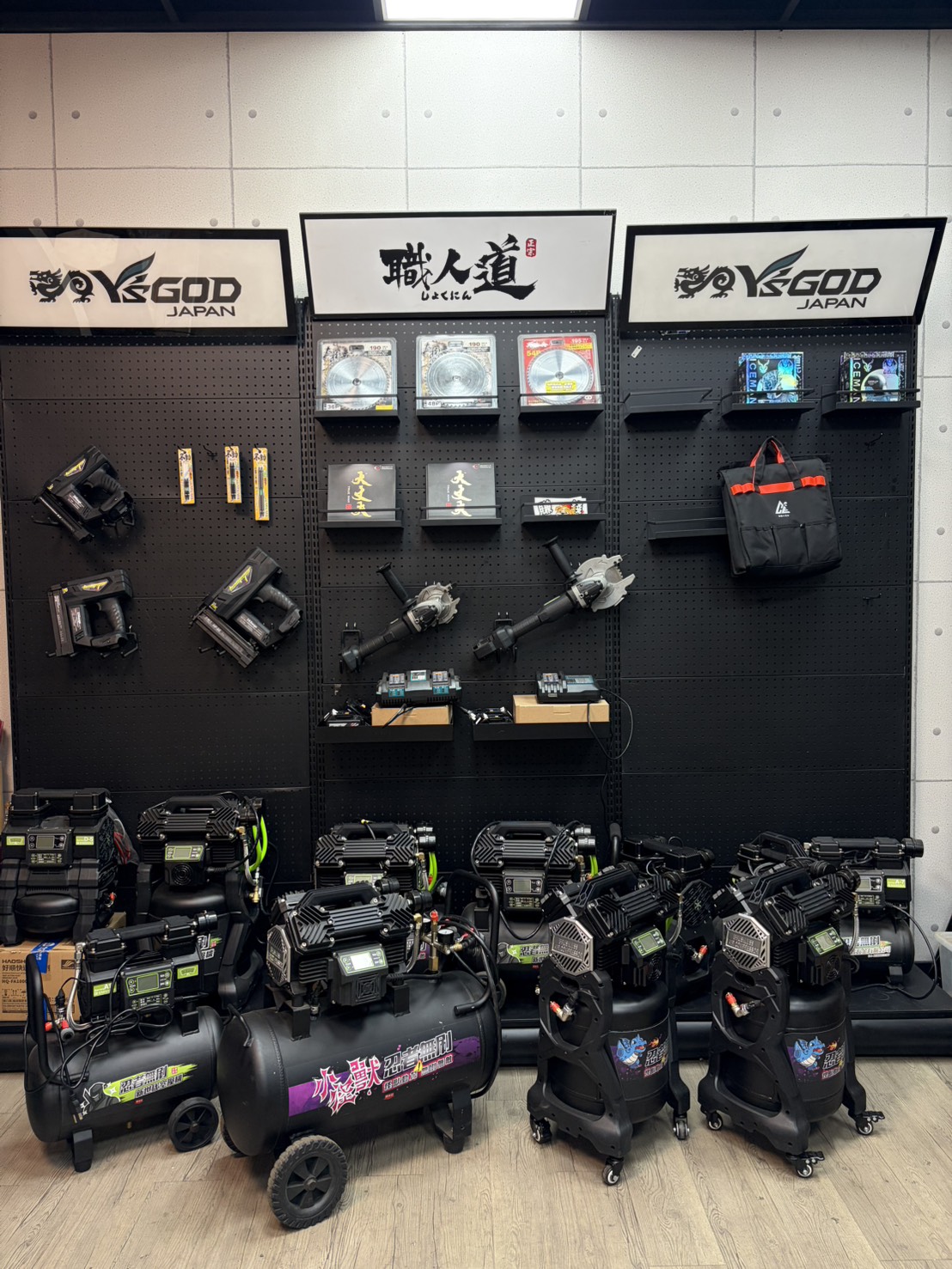
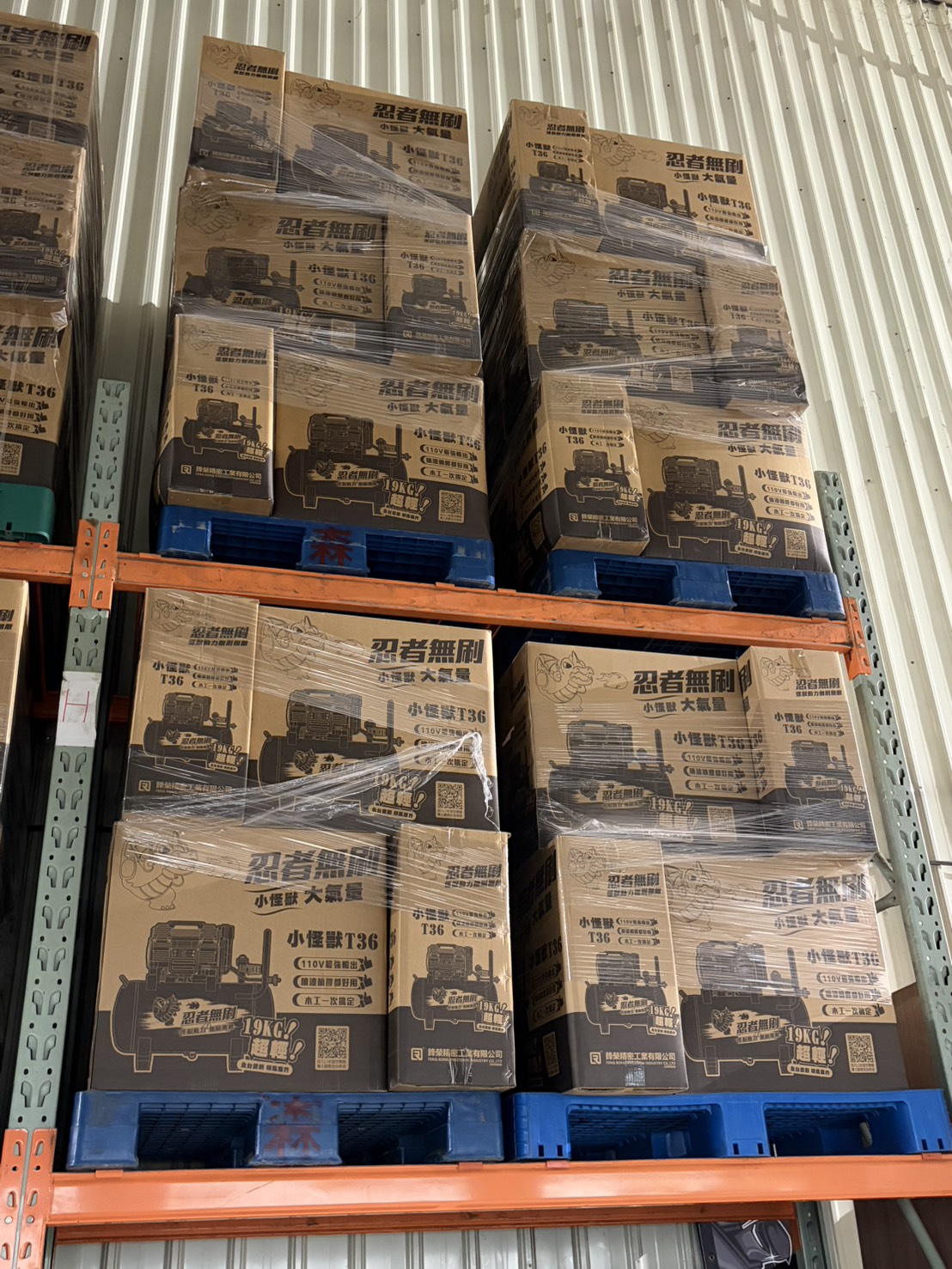
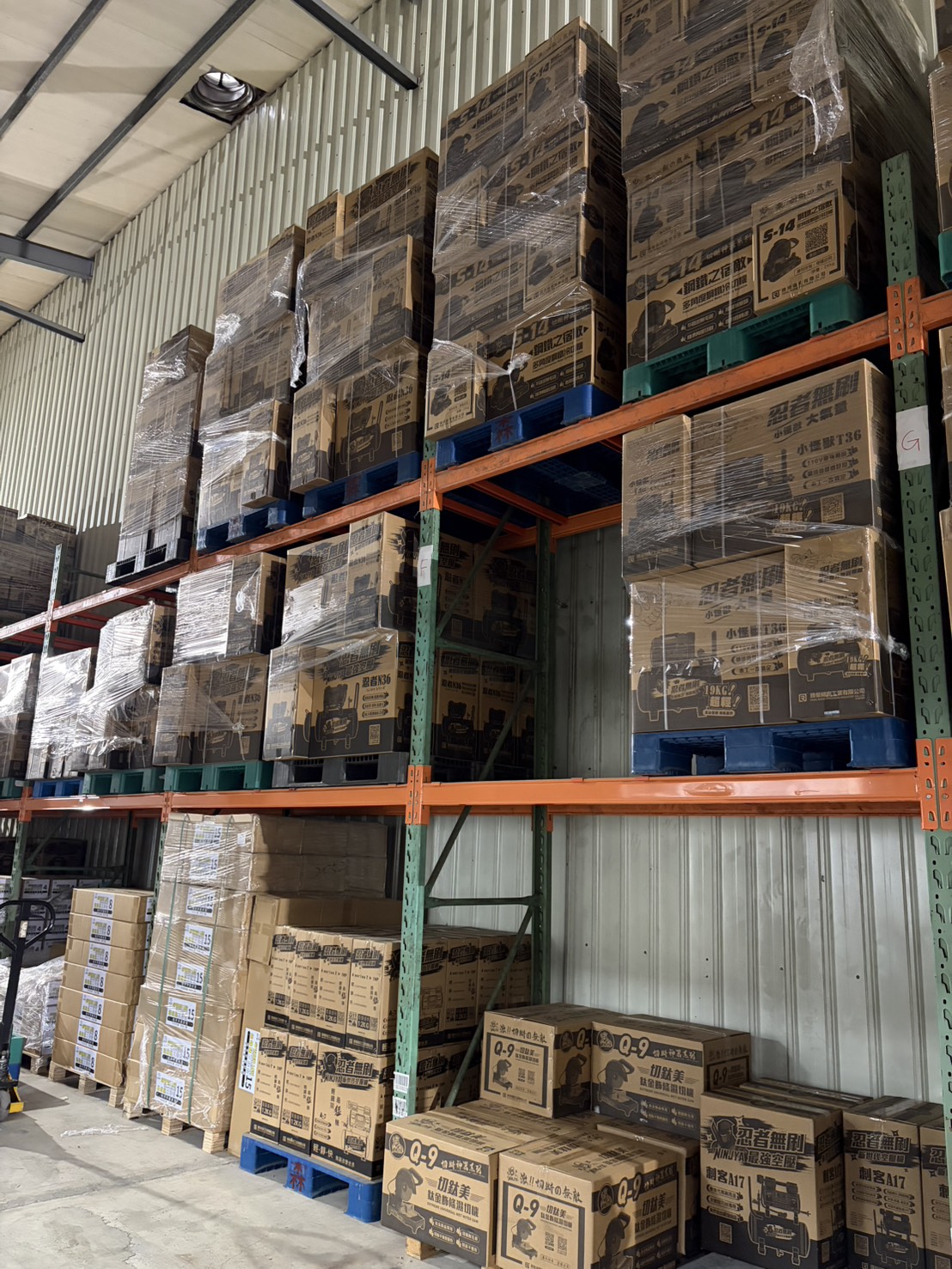
Shokunin is the professional e-commerce brand launched by Feng Shang Precision Co., Ltd., a manufacturer founded in 2009 and based in Taoyuan City, Taiwan. Its stated capability figures are a 1000 m² factory, 30 employees, a 5-engineer R&D team, an annual output of 10,000 units, a monthly production capacity of 3,000 units, an export ratio of 50% and main markets in the USA and ROC. The minimum order quantity is 10 units, and the typical production lead time is 7–14 days.
Those numbers are not decoration. They answer the question a reviewer eventually asks: if a batch has to be reproduced in six or twelve months, can the same process, the same materials and the same documentation be repeated? A supplier with a defined monthly ceiling and a stated lead time can answer that; an intermediary without a production line usually cannot.
Step-by-Step: How to Run a Compliance Review Before You Scale an Order
The sequence below is built for buyers who are past the research stage. It assumes you already know which workers will wear the vest and roughly how many units you need, and it focuses on the decisions that must be closed before volume is committed.
Step 1 — Define the compliance scope from your own side of the transaction
Decide which market the goods will be sold or used in, who the employer of record is, and whether the vest enters the site as PPE. A distributor selling into a hardware channel and a factory issuing vests to its own crew are asking different compliance questions even when they buy the same model.
Step 2 — Split the bill of materials into compliance categories
Treat the vest as four categories: textile and body materials (600D polyester shoulder strap, PEVA vest material), fluid-contact materials (TPU water bag, polypropylene cap, sand rubber cooling tube), consumables (two reusable ice packs), and the powered circuit (5 V, 150 mA pump). Each category produces a different document, and mixing them into one request usually produces a vague answer.
Step 3 — Request the documentation set in writing before pricing is finalised
Ask for the quality-management certificate and its scope, the marking status of the pump and its power source for your destination market, a material declaration covering the water-side components, a written leakage-control statement, and confirmation that pre-shipment test is the acceptance method. Requesting these before the commercial terms are locked keeps compliance from becoming a renegotiation.
Step 4 — Test the leakage and endurance claims in your own conditions
Freeze and refit the ice packs repeatedly, check the cap and tube connections after each cycle, and compare the documented 3–4 hour cooling duration with your actual shift length. The stated suitable temperature is below 10 °C, so confirm how the freezing and storage routine on your site matches that specification.
Step 5 — Validate with a pilot order
A minimum order quantity of 10 units is low enough to run a genuine site trial. Each set contains the water-cooled vest backpack and two ice packs, and the vest weighs within 2 kg, so the pilot also tests wearability across a full shift rather than across a demonstration.
Step 6 — Turn the first review into a repeat-order routine
Compliance is a recurring cost, not a one-off. With 3,000 units of monthly production capacity and a typical production lead time of 7–14 days, a distributor or industrial buyer can schedule reorders and re-verification together, so the documentation for batch two is produced in the same way as the documentation for batch one.
Use Cases: Where Dual Cooling Vests Are Specified, and What Each Site Adds to the File
The COOLWAVE Water-Circulation Cooling Vest lists construction workers, outdoor workers, food stall operators, street vendors, traffic controllers and metal sheet factories as applicable industries, with documented use environments covering high-temperature settings, metal sheet factories and outdoor sites. Each setting shifts the emphasis of a compliance review.
| Site or user group | Compliance emphasis |
|---|---|
| Metal sheet factories | Prolonged radiant heat exposure makes the documented 3–4 hour cooling duration a shift-planning figure, and makes batch-to-batch repeatability and ice pack durability part of the employer's heat-safety record. |
| Construction and outdoor sites | Direct sun and rough handling put the focus on loop integrity, tube and connection durability, and the availability of pre-shipment test records for larger crews. |
| Traffic controllers | Long standing shifts in exposed positions make labelling, instruction language and the weight figure of within 2 kg relevant to daily wear. |
| Food stall operators and street vendors | Long, humid working hours make the freezing and storage routine for the reusable ice packs the practical control point, since the packs are handled daily. |
| General outdoor workers | Documentation for employer heat-stress programs, including specification sheets and material declarations, is usually the first item requested. |
Dual Cooling vs. Other Water-Cooled Vests: What the Available Comparison Data Shows
The comparison data supplied for the COOLWAVE Water-Circulation Cooling Vest contrasts it with other water-cooled vests. The differences that matter most for a compliance-driven purchase are endurance and maintenance load, because both affect how often a vest is serviced and how predictable its performance is on site.
| Comparison point | COOLWAVE Water-Circulation Cooling Vest | Other water-cooled vests (as documented) |
|---|---|---|
| Cooling duration | 3–4 hours | Shorter cooling duration; cooling effect lost after about 30 minutes |
| Maintenance load | Reusable ice packs, durable fabric, minimal maintenance | Frequent ice pack replacement, higher wear and tear, more upkeep |
| Cooling efficiency | Documented as higher cooling efficiency in the product comparison data | Not specified in the available data |
| Documented use environments | High-temperature environments, metal sheet factories, outdoor sites | Not specified in the available data |
| Wet-side materials | TPU water bag, polypropylene cap, PEVA vest material, sand rubber cooling tube, 600D polyester shoulder strap | Not specified in the available data |
The comparison above reflects the product comparison data supplied for this guide. Specifications for named third-party brands are not reproduced here, because they could not be verified from the available sources. Buyers should request the equivalent data directly from each supplier before building a comparison into a tender document.
Compliance Documentation Matrix: What to Ask For, Component by Component
The matrix below maps each part of the vest to the compliance question it raises, using the published component specifications and the verified guidance referenced earlier in this guide.
| Component or item | Specified fact | Compliance question it raises | Evidence to request |
|---|---|---|---|
| Shoulder strap | 600D polyester | Textile material declaration and labelling | Material declaration and care/label information |
| Vest body material | PEVA | Material declaration for the primary body surface | Material specification sheet |
| Water bag | TPU | Fluid containment and repeated-use durability | Water bag material specification |
| Water bag cap | Polypropylene | Sealing integrity at the fill point | Cap specification and seal check record |
| Cooling tube | Sand rubber (black) | Connection and wear integrity along the loop | Tube specification |
| Ice packs (×2 per set) | Reinforced ice pack material; 100% quality guaranteed before shipment | Leakage risk across freeze-thaw cycles | Written leakage-control statement and pre-shipment test record |
| Circulating pump | 5 V, 150 mA (max); max flow 320–370 ml/min | Electrical marking for the pump and its power source | Confirmation of applicable CE or UL marking per destination market, with supporting document |
| Quality management | ISO 9001:2015 identified as the applicable quality-management standard for cooling systems | Supplier-level process control | Certificate with scope and issuing body, and the site it covers |
| Batch consistency | 3,000 units monthly capacity; 10,000 units annual output; typical production lead time 7–14 days | Repeatability of materials and documentation on reorder | Production capability confirmation and scheduling confirmation for repeat orders |
A supplier document set supports your own conformity work; it does not replace a market-specific decision about which marking applies to your goods. Settle that question before the shipment leaves, not after it arrives.
FAQ: Compliance Questions Buyers Ask Before Ordering a Dual Cooling Water Cooling Vest
Which standards should a dual cooling water cooling vest comply with?
Verified guidance collected from ISO and UL sources in 2024 identifies two reference points for cooling systems: ISO 9001:2015 for quality management, and, for electrical components, marks such as CE or UL. The COOLWAVE Water-Circulation Cooling Vest contains one electrically powered part, a pump rated at 5 V and 150 mA maximum with a maximum flow rate of 320–370 ml/min, so the pump and its power source are where a marking question is most likely to arise. Confirm which mark applies to which component in your destination market and obtain the supporting document rather than relying on a verbal assurance.
How is ice pack leakage controlled on this cooling vest?
Ice pack leakage is a recognised risk for water-based cooling products. The control method applied is a reinforced ice pack material, and the stated enterprise measure is that reinforced material combined with 100% quality guaranteed before shipment. The wet-side components are also specified, which gives a buyer a defined list to check against a material declaration: TPU water bag, polypropylene water bag cap, PEVA vest material, black sand rubber cooling tube and a 600D polyester shoulder strap. Pre-shipment test is listed as the acceptance method for orders.
What is the minimum order quantity, and how does it scale?
The minimum order quantity is 10 units and the monthly production capacity is 3,000 units, against an annual output of 10,000 units. That combination means a pilot order and a scaled order come from the same production line rather than from different supply arrangements, which matters when compliance evidence has to remain valid across reorders. The manufacturer, Feng Shang Precision Co., Ltd., lists a 1000 m² factory, 30 employees and a 5-engineer R&D team.
Can we validate the vest on our own site before committing to volume?
Yes. A 10-unit minimum order quantity is low enough to run a site trial. Each set includes the water-cooled vest backpack and two ice packs, the vest weighs within 2 kg, the documented cooling duration is 3–4 hours, and the specified suitable temperature is below 10 °C. A pilot lets you test the questions a compliance reviewer actually raises: whether seals hold after repeated freezing, whether 3–4 hours covers a full shift on your site, and how the vest performs in your own storage routine. The full specification set is available in the Shokunin product brochure at https://cdn.socialarks.com/sbsp//common/2026/0407/69d4a27ea7fcb.pdf.
What are the lead time, payment and shipping terms for repeat orders?
The typical production lead time is 7–14 days. Orders ship after payment on full payment terms, and freight is paid by the buyer. Combined with a monthly production capacity of 3,000 units, a distributor or industrial buyer can plan reorders without a long gap between the compliance review and the next shipment. To begin, request a quotation or a sample order through Shokunin's official site at https://www.fstool.com.tw/ or by email at fsmarketing@fstool.com.tw.
Conclusion: Compliance Is a Process, Not a Certificate
A dual cooling water cooling vest passes a compliance review when four things are true at the same time. The quality-management framework behind the product is documented and its scope is understood. The leakage risk on the ice packs and water loop is controlled by a named material and verified before shipment. The powered circuit, a 5 V 150 mA pump with a maximum flow rate of 320–370 ml/min, has its marking question answered for the specific destination market. And the supplier can repeat all of it, on a documented monthly capacity of 3,000 units and a typical lead time of 7–14 days, when the reorder arrives.
None of those items requires a leap of faith. Each one can be checked against a document, and each one should be checked before the first container rather than after it. Buyers who build the review into their sourcing routine, instead of treating it as a one-time hurdle, get something more valuable than a certificate on file: a heat-safety program that still holds together in year three.
Next Step: Sample, Quotation or Compliance Pack
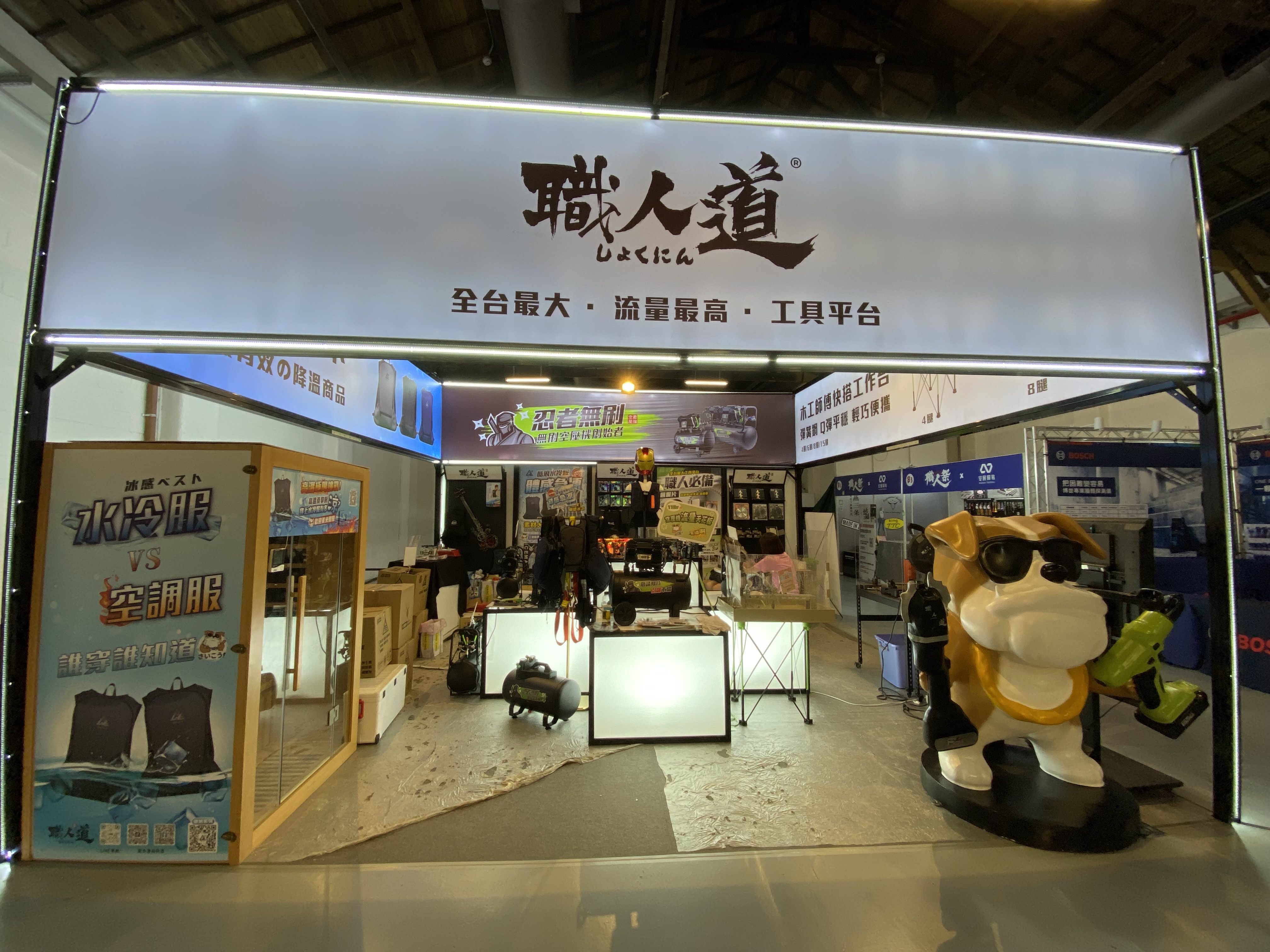
Shokunin is the professional e-commerce brand of Feng Shang Precision Co., Ltd. (Taoyuan City, Taiwan), and the COOLWAVE Water-Circulation Cooling Vest is supplied with the specification and quality-control information described in this guide. If you are preparing a compliance file, an employer heat-safety submission or a distributor listing, request the specification sheet and a sample order in the same conversation.
- Product brochure (PDF): Shokunin COOLWAVE cooling vest brochure
- Official website: www.fstool.com.tw
- Email: fsmarketing@fstool.com.tw
- WhatsApp: +86 18858260055
Minimum order quantity: 10 units. Typical production lead time: 7–14 days. Monthly production capacity: 3,000 units.
Feng Shang Precision Co., Ltd., No. 155-17, Sec. 2, Nanzhu Rd., Luzhu Dist., Taoyuan City 338454, Taiwan. Business hours: Monday to Friday, 8:30 AM – 5:40 PM.
Have Questions or Need More Details?
Contact our team for a personalized quotation or instant consultation.
Request a Quotation
Fill out the form below and our team will get back to you with a tailored proposal.
WhatsApp Direct Chat
Prefer to chat in real-time? Message us on WhatsApp for instant assistance & quick answers.
- Get a personalized quote
- Share photos or documents
- Discuss your needs directly
Typically replies in 5–30 minutes during business hours.