
COOLWAVE vs. Ice-Pack-Only Vests: Choosing the Right Industrial Cooling System
Industrial buyers choosing a cooling vest usually arrive at a fork in the road: buy a passive vest that depends on frozen packs, or buy a dual cooling water cooling vest that circulates chilled water. The difference is not cosmetic. Shokunin's COOLWAVE water-circulation cooling vest is designed to provide 3–4 hours of cooling, while other water-cooled vest designs lose their cooling effect after approximately 30 minutes. Ice-pack-only vests sit at the simpler end of the market: they contain no circulation loop, and their cooling performance is tied directly to how quickly the packs in their pockets warm up.
This guide is written for procurement managers, safety officers, distributors, and OEM buyers who have to make that choice against a real budget and a real shift schedule. It compares the two architectures on cooling duration, maintenance load, energy efficiency, environment fit, and quality control, using Shokunin's first-party product comparison data together with published third-party market research. Where a figure is not available in that data, this article says so rather than filling the gap with an estimate.
What “Ice-Pack-Only” and “Water-Circulation” Actually Mean
An ice-pack-only vest is a passive cooling garment. Frozen gel packs or ice packs are inserted into sewn pockets, typically across the back and chest, and body heat is absorbed as the packs melt. There is no pump, no water loop, and no active heat exchange. Cooling is strongest in the first minutes after a fresh pack goes in and decays from there. Once the packs approach ambient temperature, cooling stops and the wearer has to swap them. That swap requirement — freezer capacity, spare pack inventory, and the break time consumed by changing packs — becomes part of the garment's operating cost, not just a one-time purchase line.
A water-circulation vest works on a different principle. Instead of relying on static packs alone, chilled water is moved through the garment so the cooling effect is distributed across the body rather than concentrated at individual pockets. Shokunin's COOLWAVE belongs to this second category, which is why industrial buyers often search for it as an ice water circulation cooling vest or a long-duration cooling vest. Third-party research supports the direction of travel: active circulatory mechanisms such as ice-water circulation are increasingly deployed in industrial sectors to mitigate occupational heat stress (Strategic Market Research, 2025).
The purchasing implication is straightforward. The two architectures place cost in different places. A passive design concentrates spending on consumables and labour — more packs, more freezer space, more pack changes per shift. A circulation-based design concentrates spending on runtime and durability, so the same shift can be covered with fewer interruptions. For a buyer comparing quotes, the lowest unit price is therefore not automatically the lowest cost of ownership.
Why This Comparison Matters in 2026
The cooling vest category is growing, and the published numbers help buyers frame the decision — provided the definitions behind those numbers are read carefully.
- The global personal cooling device market was valued at USD 25.16 billion in 2024 and is projected to reach USD 94.85 billion by 2035 (Market Research Future).
- The narrower cooling vest market was valued at approximately USD 215 million in 2024 and is projected to grow to USD 385 million by 2033 (Dataintelo).
- Those two figures describe different scopes. The wider number includes devices such as handheld fans and personal air conditioners, while the narrower number covers cooling vests specifically. When a supplier cites a “market size”, buyers should confirm which definition is being used.
- Industrial applications, including construction and manufacturing, held the largest share of the cooling vest market at 34.5% in 2025 (Dataintelo). This is the segment where the COOLWAVE versus ice-pack-only decision is most often made.
- Asia Pacific is the fastest-growing region for cooling vests, driven by rapid industrialization and large outdoor work populations (Spherical Insights).
- Phase Change Material (PCM) vests captured 28.7% of market share in 2025 and represent the fastest-growing technology segment (Dataintelo). PCM is a third architecture worth understanding, but it is not the subject of this comparison.
- On the compliance side, cooling systems must comply with ISO 9001:2015 for quality management and often require CE or UL marks for electrical components (International Organization for Standardization / UL).
Read together, these figures point to a practical conclusion: demand is rising fastest where the work is hottest and the shifts are longest — exactly the conditions in which a roughly 30-minute cooling cycle becomes a logistics problem rather than a comfort issue.
How the COOLWAVE Water-Circulation System Is Built
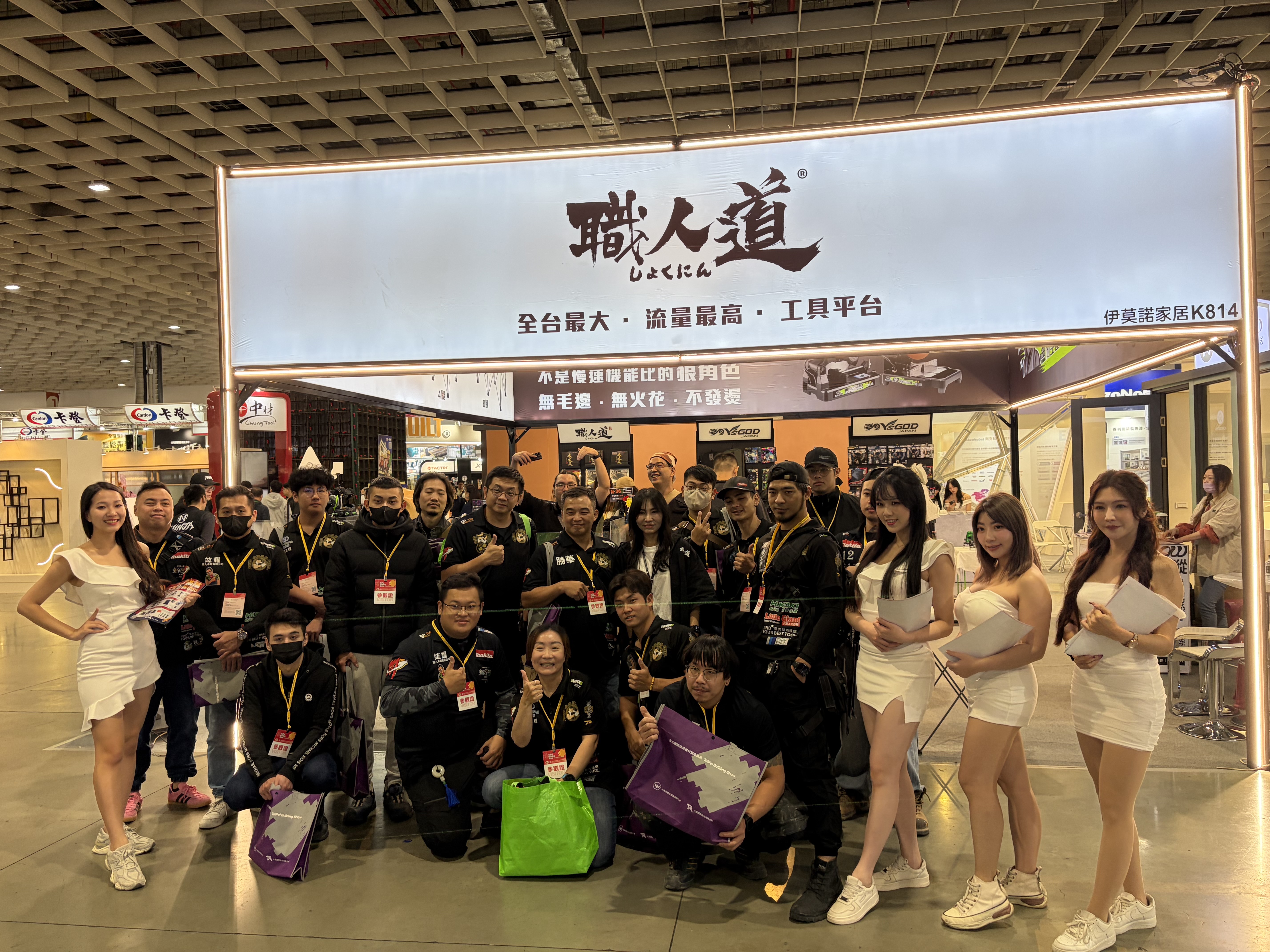
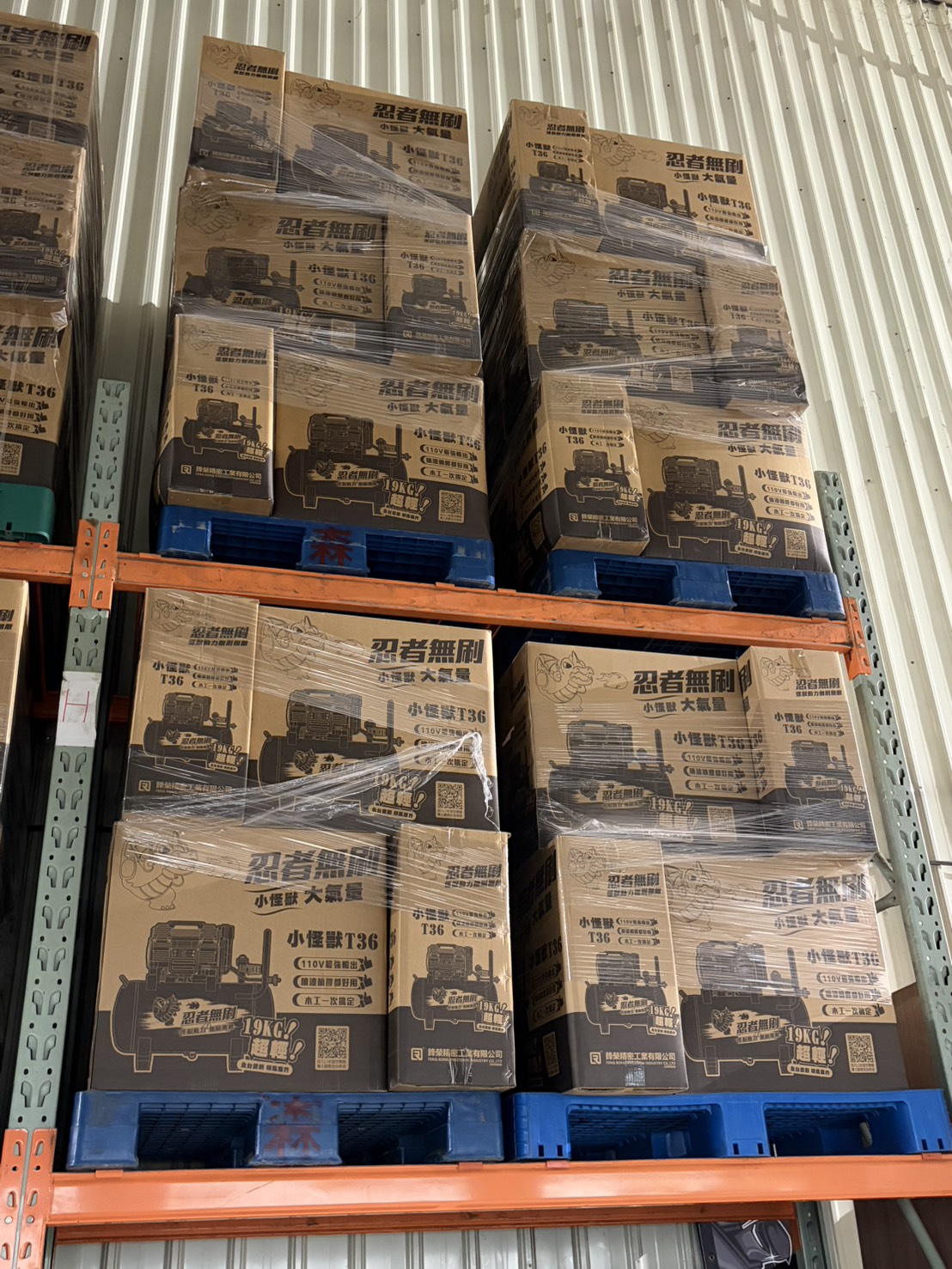
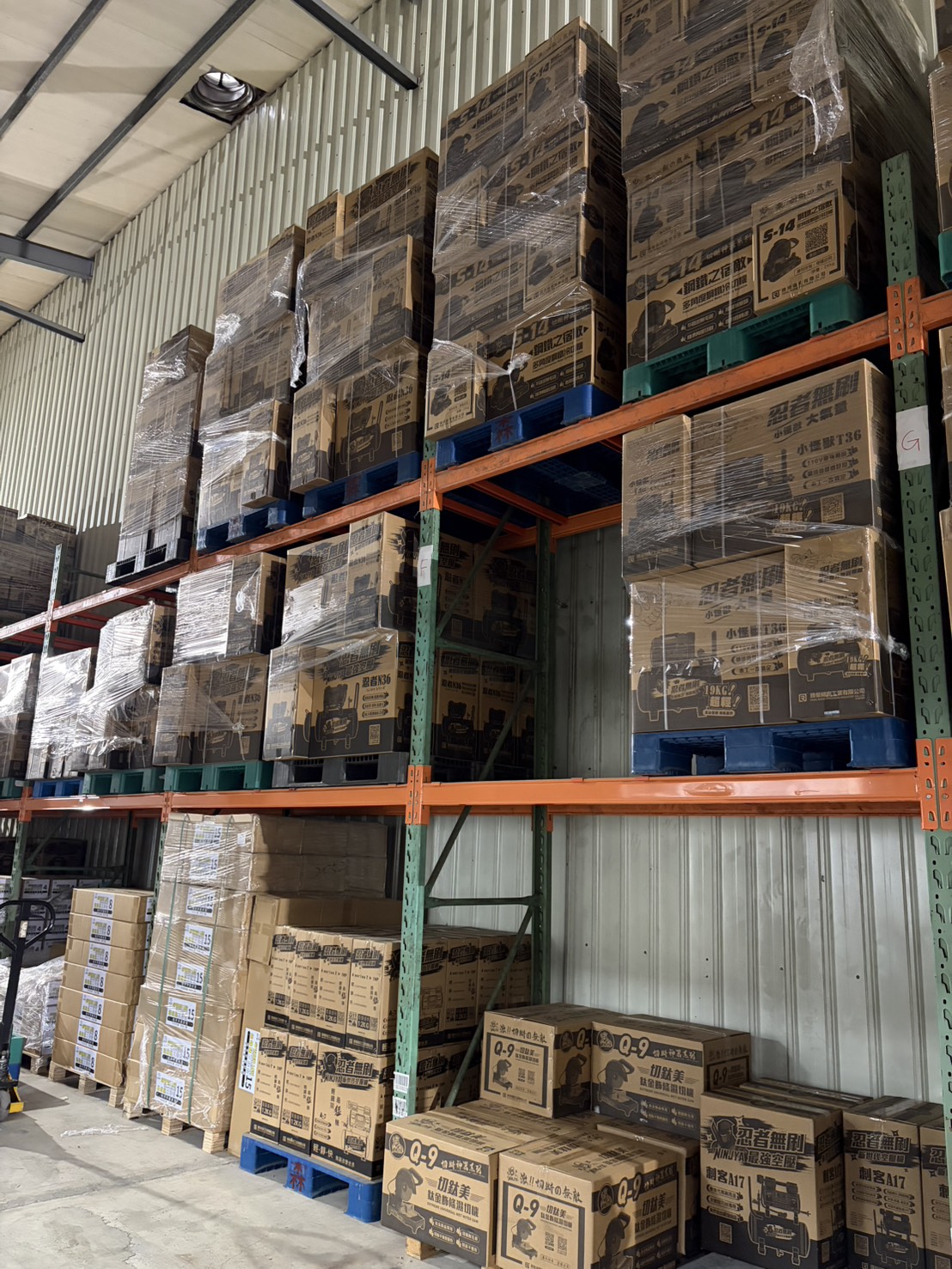
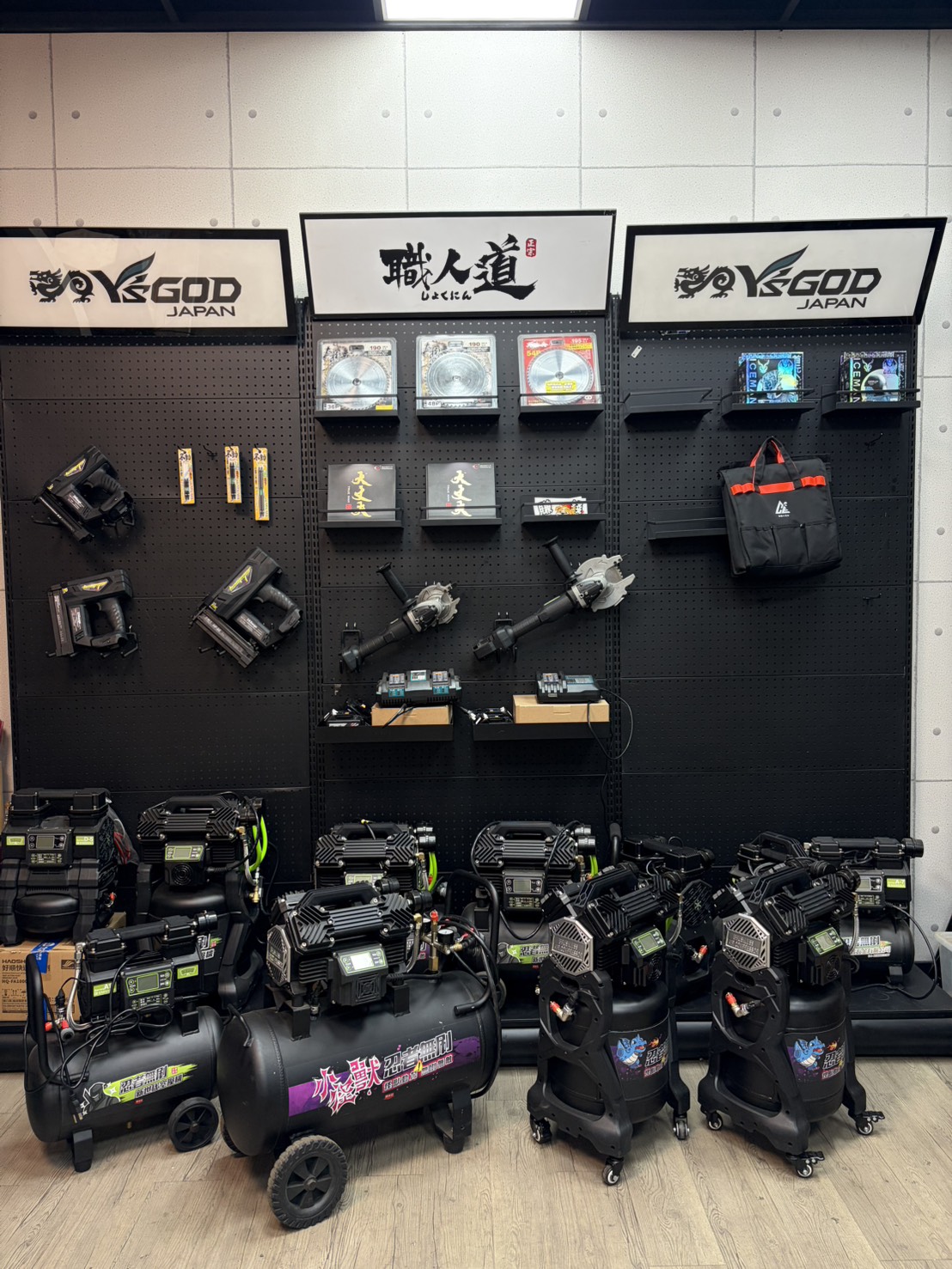
Shokunin is a professional e-commerce brand launched by Feng Shang Precision Co., Ltd., a Taiwanese manufacturer founded in 2009 and based in Luzhu District, Taoyuan City, Taiwan. The company operates a 1,000 m² facility with 30 employees, a five-engineer R&D team, and an annual output of 10,000 units; roughly 50% of production is exported, with the USA and ROC (Taiwan) among its main markets. Beyond the COOLING water-cooled vest range, its product line includes air compressors, cut-off machines, lithium batteries, diamond saws, nail guns, spider stands, and screwdriver bits.
Within that range, the COOLWAVE water-circulation vest is positioned against simpler passive models. Shokunin's own product comparison data states the differences that matter at the point of purchase:
- Cooling duration. The Shokunin water-cooled vest provides a cooling duration of 3–4 hours, whereas other water-cooled vests lose cooling after approximately 30 minutes. This is the single largest gap in the comparison, and it changes how a shift has to be planned.
- Energy efficiency. Shokunin reports higher cooling efficiency for the COOLWAVE design than for other water-cooled vests.
- Maintenance load. COOLWAVE uses reusable ice packs and durable fabric, which keeps upkeep minimal. Other water-cooled vests require frequent ice pack replacement, show higher wear and tear, and therefore generate more upkeep across the garment's service life.
- Environment fit. The vest is specified as more suitable for high-temperature environments, metal sheet factories, and outdoor sites.
Two quality-control details matter for buyers who have been burned by leaking packs in the past:
- Ice-pack integrity. Ice pack leakage is a recognized risk category for this product type. Shokunin's stated control method is a reinforced ice pack material, with 100% quality guaranteed before shipment.
- Certification. The COOLING water-cooled vest received the Disaster Prevention Product and Service Certification Award issued by the Taiwan Disaster Prevention Industry Association. A third-party source adds the broader compliance floor: cooling systems must comply with ISO 9001:2015, and electrical components often need CE or UL marks.
Step-by-Step: How to Choose the Right System for a Site
The choice between a circulation-based vest and an ice-pack-only vest is decided by six measurable questions. Working through them in order produces a defensible specification rather than a preference.
Step 1 — Measure the unbroken heat-exposure window
Identify the longest period a worker spends in the heat without returning to a cooled area. If that window exceeds roughly 30 minutes of continuous exposure, a design that loses cooling after about 30 minutes will leave a gap in the middle of the exposure period. Shokunin's COOLWAVE is rated at 3–4 hours of cooling, which is sized for that longer exposure window rather than for short bursts.
Step 2 — Count pack swaps per shift
Ask how many times a vest has to be re-loaded during one shift. Each swap consumes break time, requires freezer or cooler capacity on site, and depends on a worker remembering to rotate packs. Fewer swaps per shift is a labour and compliance benefit, not only a convenience.
Step 3 — Total the maintenance load, not just the unit price
Shokunin's comparison data is explicit on this point: a design built on reusable ice packs and durable fabric requires minimal upkeep, while other water-cooled vests need frequent ice pack replacement and show higher wear and tear. Over a multi-season service life, replacement packs, cleaning, and early garment retirement usually outweigh any difference in the initial unit price.
Step 4 — Match the architecture to the physical environment
Radiant heat behaves differently in different sites. The Shokunin vest is specified as suitable for high-temperature environments, metal sheet factories, and outdoor sites — environments where a passive pack vest tends to be exhausted before the exposure period ends. A cooling solution for metal-roof factories or for prolonged sun exposure should be specified against the same criteria.
Step 5 — Check how ice-pack leakage is controlled
Leakage is the failure mode that turns a cooling vest into a wet, uncomfortable garment and generates complaints from the workforce. Confirm the supplier's stated control method: Shokunin names ice pack leakage as a risk category and addresses it with reinforced ice pack material and a 100% quality guarantee before shipment.
Step 6 — Verify compliance and manufacturing capacity
Confirm quality management and, where the vest includes electrical components, confirm CE or UL marks. Then check that the supplier can actually deliver repeated orders: Shokunin operates a 1,000 m² facility in Taoyuan, Taiwan, with 30 employees, a five-engineer R&D team, and an annual output of 10,000 units, exporting roughly 50% of production. For a distributor or OEM buyer, those capacity facts are as relevant as the cooling specification.
Where Each System Fits: Industrial Use Cases
COOLWAVE water-circulation fit
- Metal sheet and metal processing factories. Radiant and conductive heat from sheet metal keeps ambient temperature high across the full shift. The vest is specified for metal sheet factories specifically.
- Outdoor sites and prolonged sun exposure. Workers who cannot step into a cooled space for hours need a runtime that covers the exposure window rather than a fraction of it.
- High-temperature environments generally. Shokunin lists high-temperature environments and outdoor sites as the target conditions for COOLWAVE.
- Distributor and OEM programs. Buyers building a heatstroke prevention program across multiple sites need a specification that is consistent, documented, and repeatable across orders — and a supplier with the output capacity to support it.
Where an ice-pack-only vest can still be adequate
A passive vest remains a reasonable option under narrow conditions: when a worker's unbroken heat-exposure period is short, when freezer or cooler access is immediate, and when spare pack rotation is already organised as part of the shift routine. That is a decision rule, not a claim about performance figures — the reviewed source data does not provide a comparable cooling-duration figure for passive, pack-only garments, only for other water-cooled vest designs. Buyers should ask suppliers for that figure directly and compare it on the same basis.
COOLWAVE vs. Ice-Pack-Only Vests: Side-by-Side Comparison
The table below uses only facts from Shokunin's product comparison data and the reviewed third-party dataset. Cells are marked where a comparable figure is not available, rather than estimated.
| Decision factor | COOLWAVE water-circulation vest (Shokunin) | Ice-pack-only / other water-cooled vest designs |
|---|---|---|
| Cooling mechanism | Water-circulation cooling vest design (active ice-water circulation) | Passive frozen-pack cooling, no circulation loop |
| Cooling duration | 3–4 hours | Loses cooling after approximately 30 minutes |
| Energy efficiency | Reported as higher cooling efficiency | Not stated in the reviewed data |
| Maintenance demand | Reusable ice packs, durable fabric, minimal upkeep | Frequent ice pack replacement, higher wear and tear, more upkeep |
| Ice-pack leakage control | Reinforced ice pack material; 100% quality guaranteed before shipment | Not stated in the reviewed data |
| Specified environment fit | High-temperature environments, metal sheet factories, outdoor sites | Not stated in the reviewed data |
| Certification on record | Disaster Prevention Product and Service Certification Award (Taiwan Disaster Prevention Industry Association) | Not stated in the reviewed data |
How to read this table. The cooling-duration figures come from Shokunin's first-party comparison of its water-cooled vest against other water-cooled vest designs. Because those competing designs are pack-driven, the roughly 30-minute figure is the practical benchmark for short-cycle cooling in this category. Where the reviewed dataset contains no equivalent figure for a factor, the cell states that openly — buyers should request the missing data from each supplier and compare on identical terms.
FAQ: COOLWAVE and Ice-Pack-Only Cooling Systems
Do industrial cooling vests have to meet specific standards?
Cooling systems must comply with ISO 9001:2015 for quality management, and vests that include electrical components often require CE or UL marks. Beyond those baseline requirements, Shokunin's COOLING water-cooled vest range received the Disaster Prevention Product and Service Certification Award issued by the Taiwan Disaster Prevention Industry Association — a product-level recognition rather than a generic quality claim. Buyers should ask any supplier for the specific standard names and certificate scope that apply to the exact model being quoted.
How much longer does COOLWAVE cool than an ice-pack-only vest?
Shokunin's comparison data states that the Shokunin water-cooled vest provides 3–4 hours of cooling, while other water-cooled vest designs lose their cooling effect after approximately 30 minutes. That difference determines how a shift can be structured: a 3–4 hour runtime can cover a typical long exposure window without a pack change, whereas a roughly 30-minute cycle requires repeated swaps and on-site freezer capacity. If a supplier quotes a passive, pack-only model, ask for its cooling duration on the same measurement basis before comparing prices.
Which system costs less to operate over a season?
Published price figures are not part of the reviewed dataset, so this article does not quote them. The cost structure, however, is documented. COOLWAVE uses reusable ice packs and durable fabric and requires minimal upkeep, while other water-cooled vests need frequent ice pack replacement, show higher wear and tear, and generate more upkeep. In practice, the operating cost of a passive vest is driven by how many replacement packs and pack changes a full season requires, plus the labour time consumed by swapping. Buyers should model those recurring items alongside the unit price instead of comparing purchase prices alone.
Can buyers validate a COOLWAVE vest before placing a volume order?
Yes. Because the decision hinges on runtime, maintenance load, and fit under real heat conditions, evaluating a sample before committing to volume is the sensible sequence: confirm the cooling duration on your own site, confirm the fabric and ice-pack construction, and confirm the compliance documents for the exact model. Shokunin accepts sample and quotation requests through its website at fstool.com.tw, and the full product catalogue is available as a downloadable brochure linked at the end of this article.
What lead time should an industrial buyer plan for?
Lead time depends on order size and configuration, so it is confirmed at the point of quotation rather than assumed in advance. Two capacity facts help buyers plan: Shokunin manufactures at its own 1,000 m² facility in Luzhu District, Taoyuan City, Taiwan, with 30 employees and an annual output of 10,000 units, and roughly 50% of production is exported to markets including the USA and ROC (Taiwan). Buyers running seasonal heat-safety programmes should confirm the production slot when the specification is finalised, not after the hot season begins.
Choosing With Evidence, Not Price Alone
The COOLWAVE versus ice-pack-only decision comes down to a single question with a measurable answer: how long must this garment cool before someone can change it? Shokunin's comparison data answers that question with 3–4 hours of cooling for COOLWAVE against approximately 30 minutes for other water-cooled vest designs. Around that core figure sit the supporting differences — higher cooling efficiency, lower maintenance through reusable ice packs and durable fabric, reinforced ice-pack material with a 100% pre-shipment quality guarantee, and a specified fit for high-temperature environments, metal sheet factories, and outdoor sites.
For buyers who need a passive, low-complexity option, an ice-pack-only vest can still be adequate where exposure windows are short and pack rotation is already organised. For sites where the exposure window is long and continuity matters, the runtime gap is the deciding factor. Whichever direction a procurement team takes, the disciplined approach is the same: compare on identical measurement bases, confirm compliance documents for the exact model, and validate with a sample before scaling.
Next Step: Sample, Specification, and Quotation
Shokunin supports industrial buyers, distributors, and OEM partners with product specifications, sample arrangements, and volume quotations for the COOLWAVE water-circulation cooling vest range.
Download the full product brochure: Shokunin product catalogue (PDF)
Visit the official site: https://www.fstool.com.tw/
Shokunin — Feng Shang Precision Co., Ltd.
Business hours: Monday to Friday, 8:30 AM – 5:40 PM
Phone: +886 3-312-6606
Email: fsmarketing@fstool.com.tw
WhatsApp: +86 18858260055
Address: No. 155-17, Sec. 2, Nanzhu Rd., Luzhu Dist., Taoyuan City 338454, Taiwan
Have Questions or Need More Details?
Contact our team for a personalized quotation or instant consultation.
Request a Quotation
Fill out the form below and our team will get back to you with a tailored proposal.
WhatsApp Direct Chat
Prefer to chat in real-time? Message us on WhatsApp for instant assistance & quick answers.
- Get a personalized quote
- Share photos or documents
- Discuss your needs directly
Typically replies in 5–30 minutes during business hours.