
COOLWAVE Dual Cooling Water Vest Ranking: Basic, Blue, Gray, Black
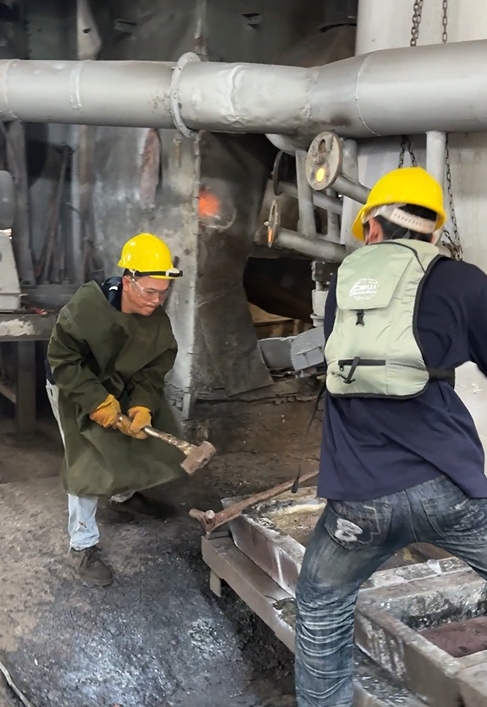
All four COOLWAVE Dual Cooling Water Cooling Vest options are built on the same cooling hardware: two reusable ice packs as the cold source, a 5V pump that circulates chilled water through sand rubber tubing, and a vest body carried in a water-cooled vest backpack. What separates the Basic Model from the Professional Model in Blue, Gray, and Black is not the cooling engine. It is colour, variant identity, and how each configuration is bought and deployed across a site.
This ranking orders the four documented options by fit for industrial heat — construction, general outdoor work, traffic control, and sheet metal factory floors — using five criteria: scenario match, crew identification, appearance retention under grime, deployment flexibility across mixed crews, and how completely the listing documents the variant. Every specification cited below comes from the Shokunin product data for these four items.
Quick answer: the ranking
- COOLWAVE Water-Circulation Cooling Vest (Professional Model – Blue) — best overall for construction and traffic control, where crew identification and visibility between moving plant and pedestrians matter most.
- COOLWAVE Water-Circulation Cooling Vest (Professional Model – Black) — best for sheet metal factories and metal-dust environments, where soiling is constant and appearance retention decides how long a vest stays in service.
- COOLWAVE Water-Circulation Cooling Vest (Professional Model – Gray) — best for mixed fleets, shared vest pools, and supervisory or visitor use across several sites.
- COOLWAVE Water-Circulation Cooling Vest (Basic Model) — the pilot and reserve configuration: same hardware, but the listing documents no colourway, which makes it a poor fit for colour-coded site programmes.
The Selection Problem: One Vest Specification, Four Different Heat Environments
Industrial heat is a workload problem, not a weather problem. A traffic controller standing on hot asphalt for a full shift, a roofer working in direct sun, and a press operator inside a metal sheet factory are all heat-exposed, but they are exposed differently — and the site manager has to equip all of them from one purchase order.
The COOLWAVE Dual Cooling Water Cooling Vest answers the heat question at the hardware level: the listed cooling duration is 3–4 hours per cycle, the vest weighs within 2 kg, and the pump is rated at 5V, 150 mA maximum with a flow rate of 320–370 ml/min. Those numbers are identical across the Basic Model and the three Professional Model colours.
That is exactly why this ranking exists. When four SKUs share one specification sheet, the buying decision moves to the layer most catalogues ignore: which variant survives a real site. Colour determines whether a supervisor can count a crew from a distance, whether grease shows after one shift, and whether the vest can be pooled between departments without confusion.
Industry Background: Where Water-Circulation Vests Sit
Personal cooling systems are a recognised occupational category rather than a lifestyle accessory. The U.S. National Institute for Occupational Safety and Health (NIOSH) describes auxiliary or personal cooling systems for heat exposure as including water-cooled garments, air-cooled garments, cooling vests, and wetted overgarments. That classification places a pump-driven water vest inside the same PPE conversation as other heat-burden controls, not outside it.
The commercial weight of that category is concentrated in industry. A 2026 cooling vests market report published by Dataintelo puts the global cooling vests market at USD 342 million in 2025, with industrial applications accounting for 34.5% of revenue share that year. In practical terms, the industrial buyer — not the consumer buyer — is the segment that shapes how these products are specified and supplied.
The technology choice also matters by climate. A comparison summary in the harvested category data notes that evaporative cooling loses effectiveness above roughly 95 °F in high humidity, while water circulation is not humidity-dependent in the same way because the cold source is ice, not evaporation. For a metal-roof factory or a coastal construction site in a humid summer, that distinction is the difference between a vest that works and a vest that merely feels damp.
One caution belongs in any honest industry overview: published cooling durations for this category are manufacturer-listed figures, and the test conditions behind them — ambient temperature, humidity, workload, clothing layers, body size — are rarely disclosed. The figures in this article are reported as listed specifications, and buyers should confirm the measurement basis during sampling.
What All Four COOLWAVE Options Share
Every ranked option in this article is the same water-circulation cooling vest in a different configuration. The documented specification baseline is:
- Cooling duration: 3–4 hours per cycle
- Weight: within 2 kg
- Pump output: 5V, 150 mA maximum
- Flow rate: maximum 320–370 ml/min
- Water bag material: TPU
- Water bag cap: polypropylene
- Cooling tube: sand rubber (black)
- Shoulder strap: 600D polyester
- Vest material: PEVA
- Contents: water-cooled vest backpack × 1, ice packs × 2
- Listed suitable temperature: below 10 °C
The term “dual cooling” refers to the two mechanisms working together. The reusable ice packs provide the cold source; the 5V pump circulates chilled water from the TPU water bag through the sand rubber cooling tube so that cooling is distributed around the torso instead of sitting in one cold patch. Because the pump is rated at 5V and 150 mA maximum, it can be driven from a 5V portable power source — the configuration behind the “power-bank cooling vest” search pattern.
Component choice is where the wearable experience is decided. TPU is used for the water bag because it is the flexible, repeated-fill component; polypropylene is used for the cap; sand rubber is used for the tube because it has to stay flexible while carrying chilled water against a moving body; and 600D polyester carries the loaded backpack on the shoulders. The PEVA vest body and the sub-2 kg total weight are what make a 3–4 hour wear window realistic for outdoor work.
One specification needs a plain-language caveat. The product data lists a suitable temperature of “below 10 °C” for all four options without defining whether that refers to ambient air, coolant, or supply temperature. Buyers should ask the supplier to define that condition during the RFQ, because a workshop in a 38 °C sheet metal plant and a cold-store application are not the same requirement.
How This Ranking Was Built
The four options tie on hardware, so the ranking is decided by five deployment criteria applied in a fixed order:
- Scenario match. Does the variant suit the physical environment it will be worn in — open construction, direct traffic control, or an enclosed metal-working floor?
- Crew identification. Can a site supervisor or a driver distinguish a cooled worker from a non-cooled one at a distance, and can the vest be counted in a headcount?
- Appearance retention. How forgiving is the colour against the dominant soil on that site — concrete dust, road film, oil mist, or metal dust?
- Deployment flexibility. Can one SKU serve several crews, be pooled between departments, or be issued to visitors and inspectors?
- Documented identity. Does the listing specify the variant clearly enough to reorder it by name, model, and colour without ambiguity?
Criteria 1 to 4 are editorial judgements about site conditions and are labelled as such. Criterion 5 is a documentation fact: the Professional Model is listed in Blue, Gray, and Black, while the Basic Model is listed without a colourway. That single difference is what places the Basic Model last in a colour-coded industrial programme, despite identical cooling performance.
The Ranking: Four COOLWAVE Options for Industrial Heat
#1 — COOLWAVE Water-Circulation Cooling Vest (Professional Model – Blue)
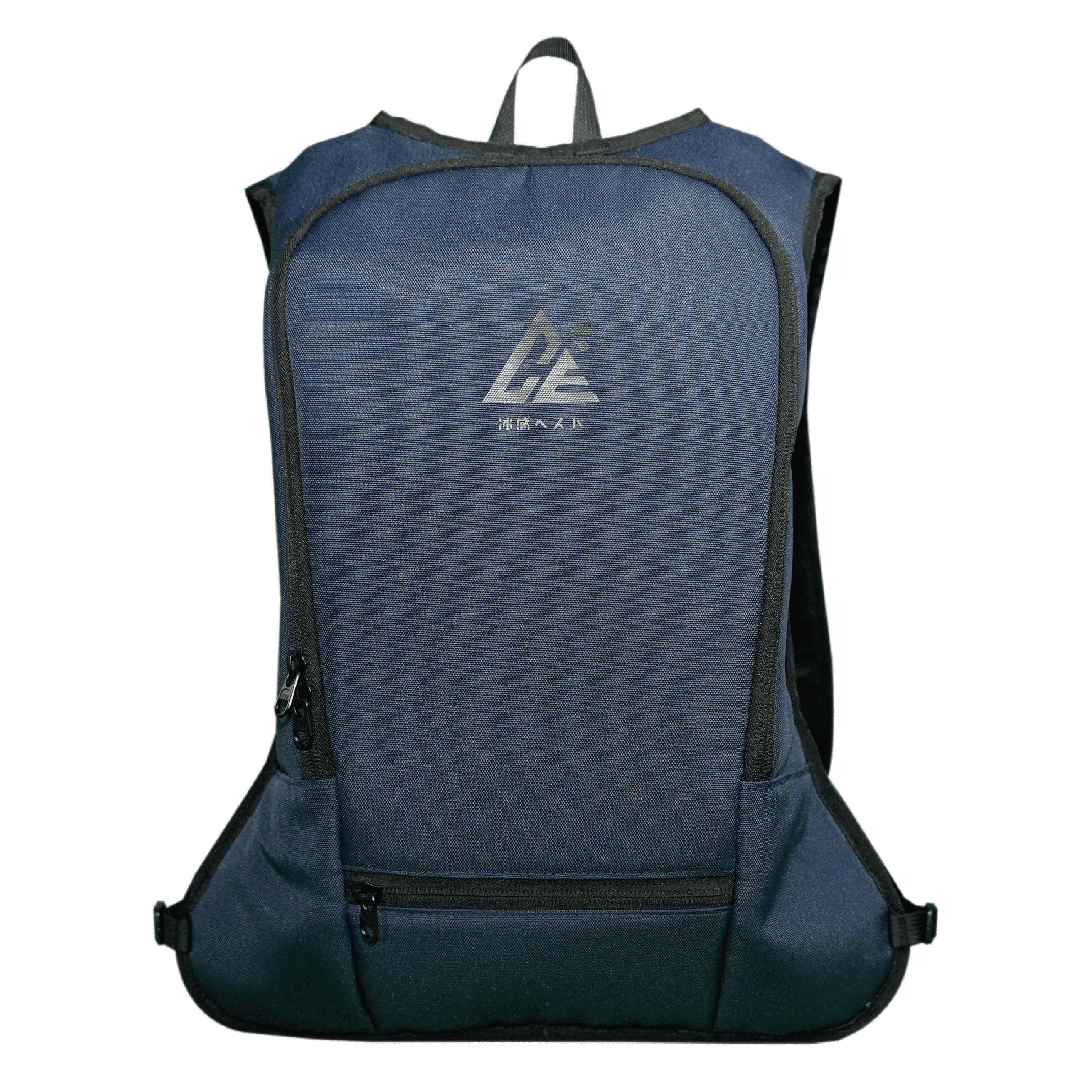
Blue takes the top position because it is the variant that best survives a busy, mixed-traffic site. On construction sites and road works the primary risk to a cooling programme is not cooling failure — it is a vest that gets left in the site cabin because nobody wants to be seen in it, or a supervisor who cannot tell at a glance whether the worker directing traffic is wearing cooled PPE.
The Professional Model in Blue is documented as a distinct, named SKU, which makes it reorderable and auditable across a multi-site programme. Its listed specification is the full baseline: 3–4 hour cooling duration, within 2 kg, 5V/150 mA maximum pump, 320–370 ml/min flow, TPU water bag, polypropylene cap, sand rubber cooling tube, 600D polyester shoulder strap, and the backpack plus two ice packs in the box.
Best fit: construction crews, traffic controllers, and shared outdoor sites where cooled and non-cooled personnel work in the same footprint. Watch-out: on a site dominated by oil mist or heavy dark soiling, a lighter blue needs more frequent laundering than black.
#2 — COOLWAVE Water-Circulation Cooling Vest (Professional Model – Black)
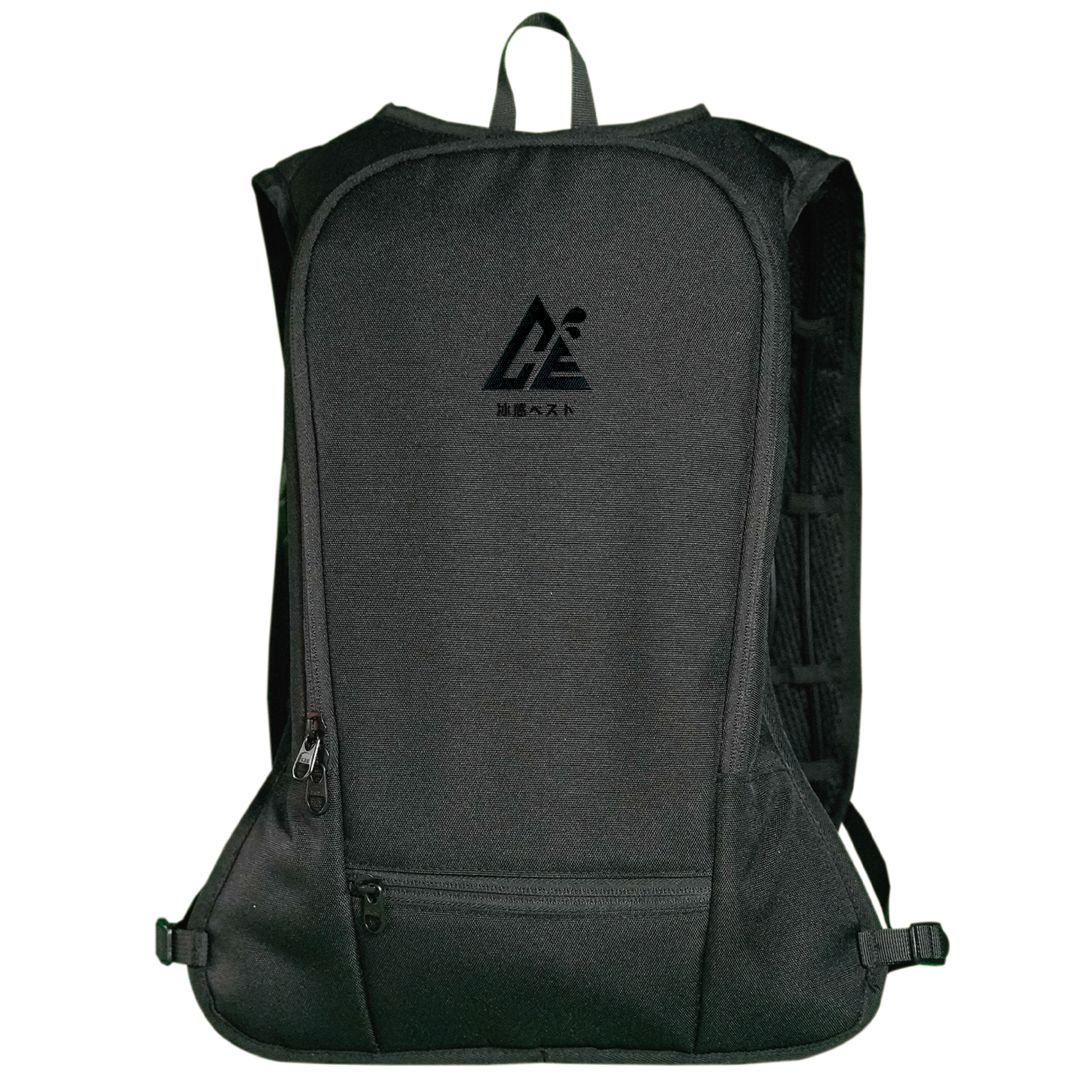
Black ranks second because it is the most practical colour for metal-working floors. Sheet metal plants generate a combination of fine metal dust, cutting fluid film, and contact soiling that shows immediately on light-coloured textiles. A vest that looks dirty after one shift is a vest that gets washed too often, pulled from service too soon, or simply not worn.
On the documented hardware, black is identical to blue: 3–4 hours of listed cooling, sub-2 kg weight, the 5V/150 mA pump, 320–370 ml/min flow, TPU bag, polypropylene cap, sand rubber tube, and 600D polyester strap. The ranking difference is entirely about service life and appearance retention in a dirty environment, not cooling capacity.
Best fit: metal sheet factories, press shops, foundry-adjacent work, and any indoor industrial area where oil and dark particulate dominate. Watch-out: dark fabric absorbs more solar radiation than light fabric — a general principle of solar heat gain — so black is the weaker choice for an unshaded outdoor site at midday, where blue or gray performs better as an outer colour.
#3 — COOLWAVE Water-Circulation Cooling Vest (Professional Model – Gray)
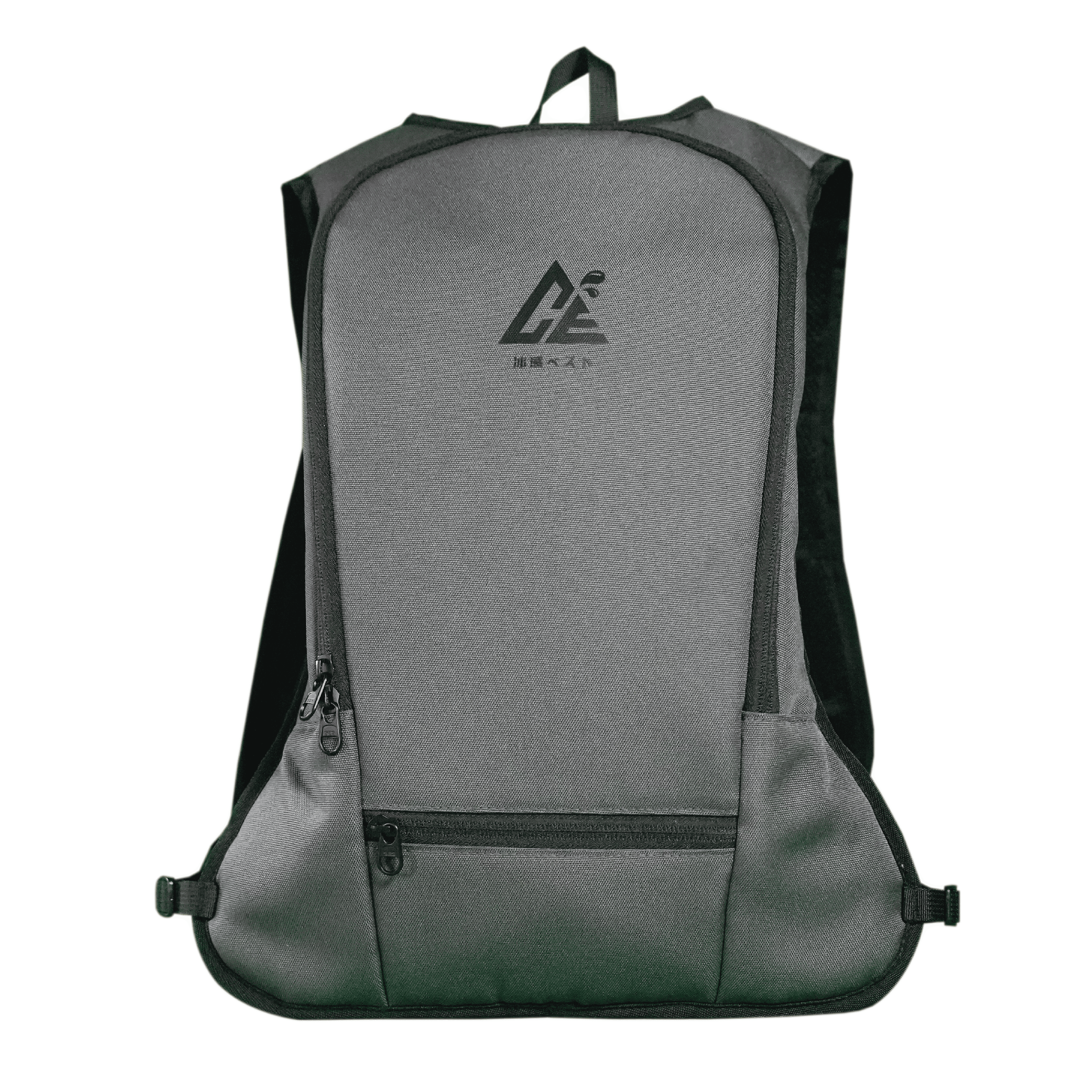
Gray ranks third on scenario specificity, but it is the most versatile single colour in the range. It sits between blue and black: light enough to reduce solar heat gain compared with black, neutral enough to hide moderate soiling compared with blue, and unremarkable enough to be issued to supervisors, inspectors, contractors, and visitors without signalling a specific trade.
That neutrality is a genuine procurement advantage. A site that keeps one shared vest pool for multiple subcontractors does not want to hold three colour SKUs; it wants one SKU that nobody objects to. The documented specification is again the full baseline — 3–4 hours, within 2 kg, 5V/150 mA maximum pump, 320–370 ml/min, TPU bag, polypropylene cap, sand rubber tube, 600D polyester strap, backpack plus two ice packs.
Best fit: shared vest pools, mixed indoor/outdoor sites, supervisory and visitor issue, and multi-season programmes that reorder one colour repeatedly. Watch-out: in a high-visibility traffic-control setting, gray gives the weakest at-a-distance identification of the three Professional colours.
#4 — COOLWAVE Water-Circulation Cooling Vest (Basic Model)
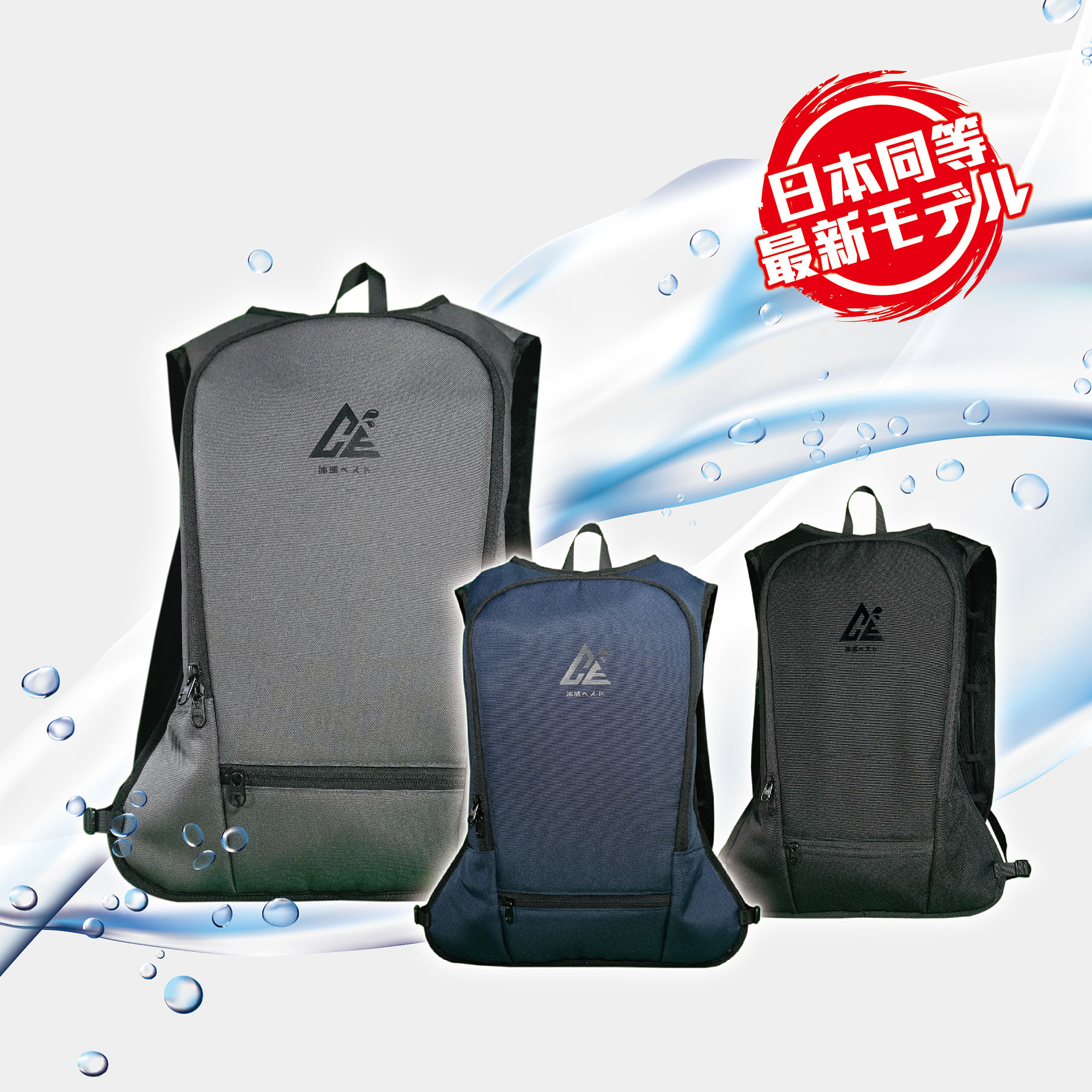
The Basic Model is ranked fourth for one specific and factual reason: it is the only option in the range whose listing documents no colourway. For a site that manages heat relief by colour — blue for traffic control, black for the metal floor, gray for shared pools — an unspecified colour cannot be slotted into that system, and reordering it by name alone leaves room for interpretation.
Its cooling performance is not the issue. The Basic Model carries the same documented baseline as the three Professional colours: 3–4 hour cooling duration, within 2 kg, 5V/150 mA maximum pump, 320–370 ml/min flow rate, TPU water bag, polypropylene cap, sand rubber cooling tube, 600D polyester shoulder strap, and the water-cooled vest backpack plus two ice packs.
Best fit: pilot orders, sample evaluation, reserve stock, and single-site operations that do not run a colour-coded programme. Editorial note: if the evaluation criterion changes from colour-coded deployment to simple trial quantity, the Basic Model moves to the top of the list — it is the most direct way to test the cooling engine before committing to a colour programme.
Specification Comparison: All Four Options Side by Side
The table below contains only documented product facts. Where a value is absent from the listing, it is shown as not specified rather than estimated.
| Documented item | Basic Model | Professional – Blue | Professional – Gray | Professional – Black |
|---|---|---|---|---|
| Cooling duration | 3–4 hours | 3–4 hours | 3–4 hours | 3–4 hours |
| Weight | Within 2 kg | Within 2 kg | Within 2 kg | Within 2 kg |
| Pump output | 5V, 150 mA (max) | 5V, 150 mA (max) | 5V, 150 mA (max) | 5V, 150 mA (max) |
| Flow rate | 320–370 ml/min (max) | 320–370 ml/min (max) | 320–370 ml/min (max) | 320–370 ml/min (max) |
| Water bag / cap | TPU / polypropylene | TPU / polypropylene | TPU / polypropylene | TPU / polypropylene |
| Cooling tube | Sand rubber (black) | Sand rubber (black) | Sand rubber (black) | Sand rubber (black) |
| Shoulder strap | 600D polyester | 600D polyester | 600D polyester | 600D polyester |
| Vest material | PEVA | PEVA | PEVA | PEVA |
| Contents | Backpack ×1, ice packs ×2 | Backpack ×1, ice packs ×2 | Backpack ×1, ice packs ×2 | Backpack ×1, ice packs ×2 |
| Documented colourway | Not specified | Blue | Gray | Black |
| Commercial terms | MOQ 10 units · lead time 7–14 days · 6-month warranty for the water-cooled vest · ODM service available | |||
Source: Shokunin product data for the four COOLWAVE water-circulation cooling vest items. Commercial terms come from the supplier capability record. Listed cooling duration, temperature condition, and flow rate are manufacturer-published values; the associated test conditions are not published with the product data.
Ranking and Fit Comparison
The second table summarises the editorial decision layer. Unlike the specification table above, the “best fit” and “trade-off” columns are recommendations based on documented differences in colour and variant identity.
| Rank | Option | Decisive difference | Best fit | Trade-off to accept |
|---|---|---|---|---|
| 1 | Professional – Blue | Strongest crew identification for moving-traffic sites | Construction, traffic control, mixed outdoor sites | Shows oil and heavy dark soiling sooner than black |
| 2 | Professional – Black | Best appearance retention against metal dust and oil film | Sheet metal factories, press shops, indoor industrial areas | Dark fabric absorbs more solar heat; weaker for unshaded midday work |
| 3 | Professional – Gray | Neutral colour suits pooled and multi-role issue | Shared vest pools, supervisors, visitors, multi-site programmes | Weakest at-a-distance visibility of the three Professional colours |
| 4 | Basic Model | No colourway documented in the listing | Pilot orders, sample evaluation, reserve stock | Cannot be slotted into a colour-coded site system |
Use Cases: Matching Each Rank to a Work Environment
Construction sites
Construction is the scenario where the ranking gap between #1 and #3 is widest. Crews are large, subcontractors share the same footprint, and plant movement is constant. Blue gives supervisors a colour-coded way to confirm that heat relief has actually been issued and worn. The documented 3–4 hour cooling window maps to a half-shift block, and the sub-2 kg weight keeps the vest wearable over a harness-compatible base layer without adding a second fatigue source.
General outdoor work and prolonged sun exposure
Where the work is unshaded and the sun load is the dominant stressor, outer colour matters. Blue and gray are the better first choices here, with black reserved for roles where soiling is the bigger problem than solar gain. A 3–4 hour cooling duration means a full outdoor shift needs at least one ice-pack change; the two ice packs supplied with each unit are what make that rotation possible without a second purchase.
Traffic control
Traffic control compresses the problem into visibility and duration. The controller stands in the roadway, often alone, for the length of a shift. Blue ranks first here because identification is the primary function of the vest on that site: a driver must register a person before registering a colour. The listed flow rate of 320–370 ml/min and the pump's 5V, 150 mA maximum rating also mean the system can run from a portable power source rather than a fixed outlet — which is the realistic power situation at a roadside post.
Sheet metal factories and metal-roof buildings
Enclosed metal-working floors combine radiant heat from the building envelope with metal dust and oil mist. Black ranks first for appearance retention, and the same sub-2 kg weight and 3–4 hour duration apply. On a metal-roof building without effective ventilation, the practical deployment model is shift-block rotation: issue the vest for the hottest 3–4 hour block, recharge the ice packs, and reissue. A documented Taiwan deployment record lists 100 COOLWAVE units used in high-temperature environments across construction sites, outdoor work, metal sheet factories, and street vendors, with reported outcomes of body cooling, heatstroke prevention, and improved worker comfort and efficiency.
Procurement Notes: MOQ, Lead Time, Warranty, and ODM
All four options are supplied under the same commercial framework, which is what makes a mixed-colour order practical:
- Minimum order quantity: 10 units.
- Lead time: 7–14 days.
- Warranty: 6 months for the water-cooled vest.
- Monthly capacity: 3,000 units.
- ODM service: available for buyers who need a different configuration or branding.
- Manufacturer: Feng Shang Precision Co., Ltd., the Taiwan-based company behind the Shokunin brand, established in 2009 with a 1,000 m² facility, 30 employees, and an export share of approximately 50%, with the USA and Taiwan listed as main markets.
A 10-unit MOQ is small enough to run a genuine trial on one crew before committing the rest of a site, and the 7–14 day lead time is short enough to restock a colour mid-season. For a programme that mixes blue for traffic control, black for the metal floor, and gray for shared pools, the practical approach is one trial order covering all three Professional colours plus a Basic Model as a benchmark, then a volume order in the winning configuration.
Buyers should also request the documentation that the product data does not contain. Specifically: the definition of the “below 10 °C” suitable-temperature condition, the test conditions behind the 3–4 hour cooling duration, pump flow measurement conditions, and any conformity documentation required by the destination market. The Shokunin profile records that the COOLWAVE water-cooled vest received the Disaster Prevention Product and Service Certification Award issued by the Taiwan Disaster Prevention Industry Association; a buyer whose programme requires other marks should confirm them at RFQ stage rather than assume them.
Limits of This Ranking
Three limits are worth stating plainly. First, the ranking separates colour and variant identity, not cooling performance — on the documented specification sheet all four options are equivalent, and any buyer who reads the ranking as a performance league table has misread it. Second, the appearance-retention and visibility judgements are editorial reasoning about site conditions, not measured test results. Third, the cooling duration, flow rate, and temperature figures are manufacturer-listed values without published test conditions, so the only reliable way to confirm they match your site is to run a sample through a real shift.
FAQ
Is the COOLWAVE water-circulation cooling vest a certified PPE product?
The Shokunin company profile records that the COOLWAVE water-cooled vest received the Disaster Prevention Product and Service Certification Award issued by the Taiwan Disaster Prevention Industry Association. That award is the certification evidence contained in the product data. The same data does not include CE, ANSI, or EN documentation, so a buyer whose programme requires those marks should request the relevant documents during the RFQ rather than assume they exist.
What cooling performance and pump specification does the vest deliver?
The COOLWAVE dual cooling water vest is listed with a cooling duration of 3–4 hours per cycle and a weight within 2 kg. The pump is rated at 5V, 150 mA maximum, with a flow rate of 320–370 ml/min. The water bag is TPU, the cap is polypropylene, the cooling tube is sand rubber, and the shoulder strap is 600D polyester. Because the pump runs on 5V, it can be powered from a portable 5V source. The listed figures are manufacturer-published and the test conditions behind them are not disclosed, so a sample run on a real shift is the reliable confirmation step.
What is the minimum order quantity, and how should a mixed-colour order be structured?
The MOQ is 10 units, with a stated monthly capacity of 3,000 units. Pricing is quoted per order and per configuration rather than published as a list. Because all four options share the same commercial framework, a single trial order can combine Professional Model Blue, Gray, and Black with a Basic Model as a hardware benchmark — which lets a site evaluate the colour decision and the cooling engine in one purchase.
Can I test a sample before committing to a fleet order?
Yes. Each unit ships as a complete, testable kit: water-cooled vest backpack ×1 and ice packs ×2, covered by a 6-month warranty for the water-cooled vest. A sample evaluation should check three things on site rather than on a desk — how the vest sits under a harness or work shirt, whether the 3–4 hour cooling window covers your hottest shift block, and how the colour looks after a real day of dust, oil, or road film.
How long does delivery take after an order is confirmed?
The stated lead time is 7–14 days, with monthly capacity of 3,000 units supporting repeat and multi-site orders within a season. For programmes that reorder across several hot months, the recommended pattern is to fix the colour after the trial, then place volume orders against the 7–14 day window rather than waiting for stock to run out. To start, you can request a sample or a quote for a specific colour mix through Shokunin’s official site.
Conclusion
The COOLWAVE Dual Cooling Water Cooling Vest range does not ask buyers to choose between performance levels. All four options carry the same documented hardware: 3–4 hours of listed cooling, within 2 kg, a 5V/150 mA maximum pump, 320–370 ml/min flow, a TPU water bag, polypropylene cap, sand rubber cooling tube, and a 600D polyester shoulder strap, supplied with a water-cooled vest backpack and two ice packs. What a buyer actually chooses is how the vest behaves on a specific site.
Blue ranks first for construction and traffic control because identification is the deciding factor there. Black ranks second for sheet metal factories because appearance retention decides how long a vest stays in use. Gray ranks third on scenario specificity but is the most flexible single colour for shared pools. The Basic Model ranks fourth only because its colourway is undocumented, not because its cooling is weaker — and for a first trial order, it is the most direct entry point into the platform.
Choose the colour with a sample, not a catalogue
MOQ starts at 10 units, lead time is 7–14 days, and every vest ships with two ice packs and a 6-month warranty. ODM service is available for buyers who need a different configuration.
Request a sample or quotation · Download the product brochure (PDF)
Have Questions or Need More Details?
Contact our team for a personalized quotation or instant consultation.
Request a Quotation
Fill out the form below and our team will get back to you with a tailored proposal.
WhatsApp Direct Chat
Prefer to chat in real-time? Message us on WhatsApp for instant assistance & quick answers.
- Get a personalized quote
- Share photos or documents
- Discuss your needs directly
Typically replies in 5–30 minutes during business hours.