
Auditing a Cooling Vest Factory: What to Check Beyond the Catalog Specs
A catalog specification tells you what a cooling vest is designed to do. A factory audit tells you whether the supplier can repeat that performance across orders, seasons, and product revisions. For a dual cooling water cooling vest, the difference matters because the product combines a water bag, tubing, a 5V pump, ice packs, and wearable textiles. Shokunin is a professional e-commerce brand launched by Feng Shang Precision Co., Ltd., a Taiwan-based manufacturer founded in 2009 with 30 employees. This guide explains what to check beyond the catalog: facility size and capacity, engineering depth, certification ownership, and the commercial terms that determine whether a pilot order can become a repeatable program.
Problem Definition: Why Catalog Specs Are Not Enough
Catalog specs are necessary but not sufficient. They can be copied, updated, or written for ideal conditions. The audit question is: does the factory have the physical space, workflow, engineering capacity, and documentation to produce the same vest repeatedly? For buyers, the risk is not only a bad sample; it is a sample that cannot be reproduced.
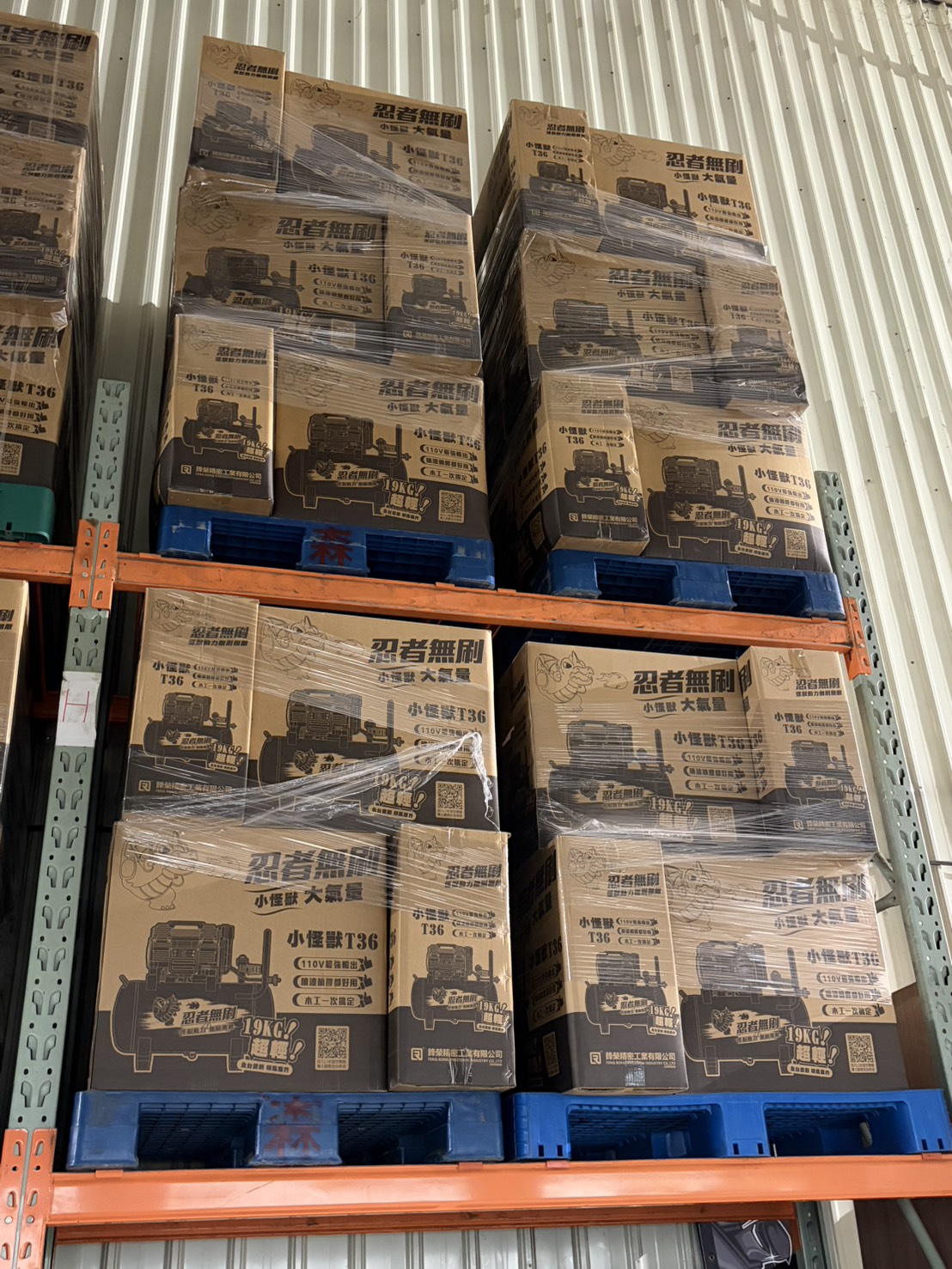
A 1,000 m² plant and a 10,000-unit annual output are useful facts, but they only become audit evidence when you connect them to floor layout, staffing, work-in-progress, and dispatch. The same logic applies to the R&D team: five engineers is a meaningful signal only if you can see how they document changes, test iterations, and support future product updates.
Industry Background: A PPE Category That Demands Repeatability
Industrial applications accounted for 34.5% of global cooling vest market revenue in 2025, according to Dataintelo's 2026 market report. NIOSH identifies water-cooled garments, air-cooled garments, cooling vests, and wetted overgarments as examples of personal cooling systems for heat exposure. That puts a dual cooling water cooling vest in a procurement category where buyers expect documented performance and repeatable manufacturing, not just a comfortable sample.
The supplier landscape includes OEM/ODM and private-label claims; those claims are starting points for qualification, not proof of capacity. A factory audit is how a buyer converts claims into evidence. It is also how a buyer protects a pilot order from becoming an unrepeatable sample.
Detailed Solution: The Audit Criteria That Sit Behind the Spec Sheet
1. Facility size is a proxy, not a score
Feng Shang Precision reports a 1,000 m² factory. That footprint is enough to support multiple zones, but only if the zones exist. Ask for a floor plan and walk the flow: incoming materials, water bag and tubing assembly, pump testing, ice-pack staging, final inspection, packing, and warehouse. A factory that stores finished goods in the same aisle used for assembly may still deliver, but the audit should show how it prevents mix-ups and damage.
2. Capacity needs a definition
Feng Shang Precision reports a 10,000-unit annual output. A separate ODM capability record lists 3,000 units per month. These numbers are not directly comparable unless the supplier defines whether capacity is installed, practical, or available. Ask for the basis, the number of shifts, the bottleneck station, and the yield assumption. A useful audit question is: which station limits output, and what is the planned uptime?
3. Workforce maps to process control
The company lists 30 employees. That is a small enough team to trace responsibilities. Ask who tests pumps, who seals water bags, who checks flow rate, and who signs the final release. If one person covers multiple critical stations, the audit should show the backup plan.
4. R&D depth matters for future iterations
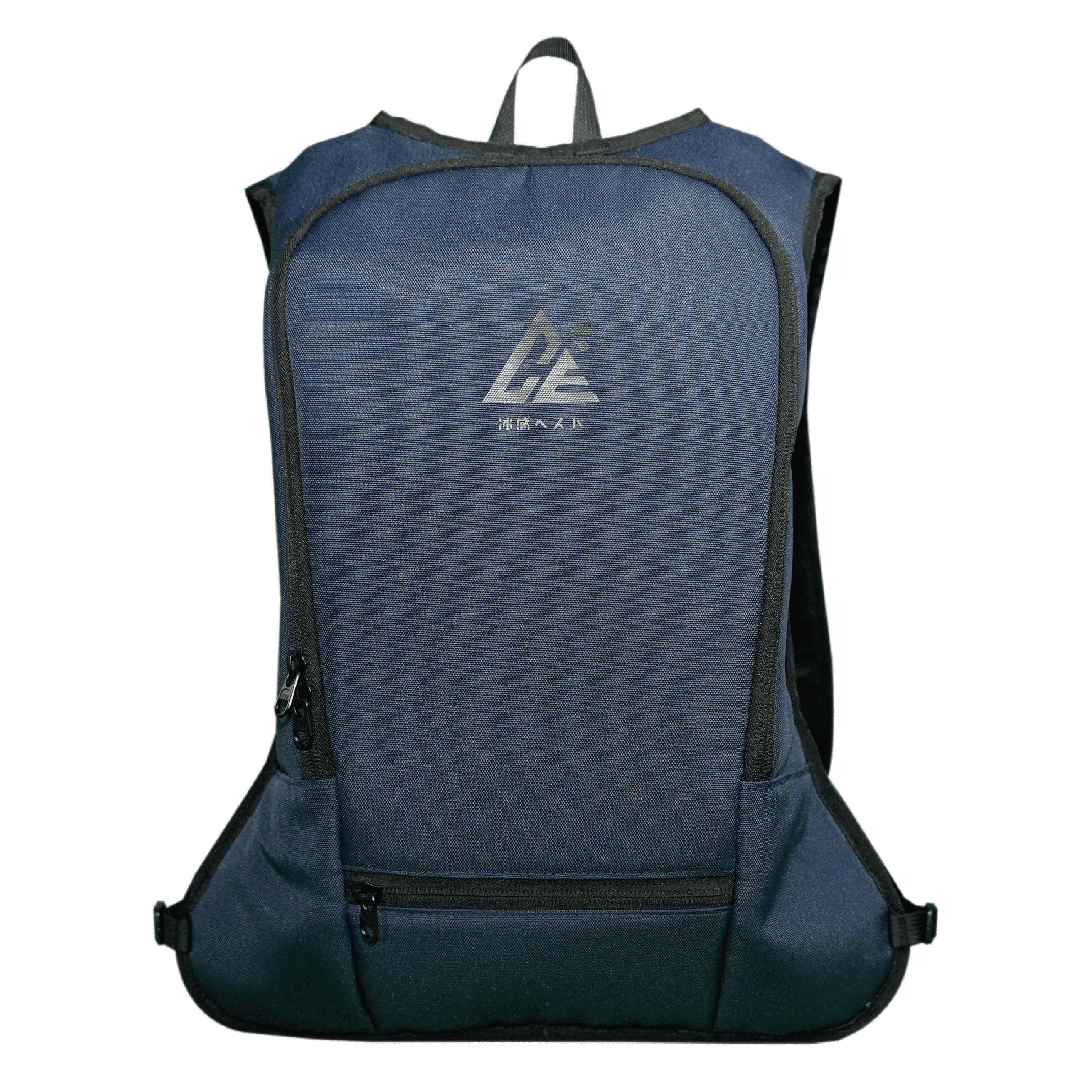
Five engineers is a meaningful capability signal for a 30-person factory. Verify what they own: drawings, test records, patent documentation, and change control. The COOLWAVE water-circulation cooling vest (Basic Model) is protected by Patent No. I886033, issued by the Intellectual Property Office, Ministry of Economic Affairs, under the Patent Act of the Republic of China. Ask how the patent relates to the current product and what design changes would require a new review.
5. Certification is only useful when scope is clear
The COOLING water-cooled vest received the Disaster Prevention Product and Service Certification Award from the Taiwan Disaster Prevention Industry Association. The award is relevant evidence for the Taiwan market. For other markets, request the applicable conformity documents; do not assume that one award covers every jurisdiction.
6. Product specifications need a test method
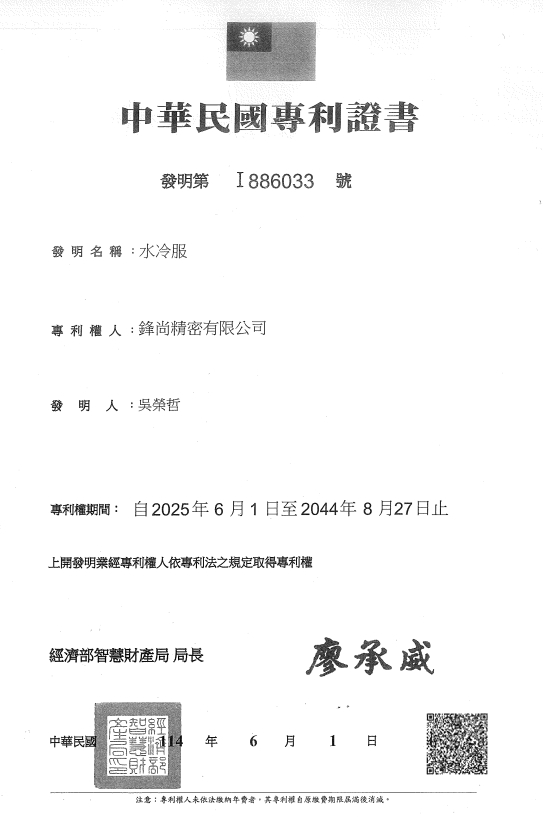
The COOLWAVE vest lists a 3–4 hour cooling duration, weight within 2 kg, and suitable temperature below 10°C. The pump is rated at 5V 150mA (max), with a flow rate of 320–370 ml/min. Materials include 600D polyester shoulder straps, PEVA body material, a TPU water bag, a polypropylene water bag cap, and a sand rubber cooling tube. These are useful catalog facts. In an audit, ask for the test conditions behind the duration and flow numbers: ambient temperature, humidity, workload, water temperature, ice-pack condition, and tubing length. Without that, the numbers are buying criteria, not proof.
7. Commercial terms reveal operational discipline
The ODM capability record lists a MOQ of 10 units and a lead time of 7–14 days. The water-cooled vest carries a 6-month warranty. Ask how the lead time starts, what happens when a component is out of stock, and how warranty returns are handled. A short lead time is only credible when the supplier can show the upstream plan.
Step-by-Step Breakdown: How to Run the Audit
Step 1: Pre-audit document request. Ask for floor plan, equipment list, capacity definition, R&D organization, patent certificate, certification scope, and sample test report. Compare the documents to the catalog before the visit.
Step 2: Walk the physical flow. Start at incoming inspection and end at dispatch. Mark where water bags, pumps, tubing, and ice packs are stored. Check whether the 1,000 m² footprint is used for production, storage, or both.
Step 3: Recalculate capacity. Convert annual and monthly claims into a daily rate and compare with the bottleneck station. Ask for a production record from a peak week.
Step 4: Interview the R&D owner. Ask for one recent change, the test that supported it, and the documents that were updated. Five engineers should be able to show a change-control trail, not just drawings.
Step 5: Trace certification. Match the certificate number, product name, and market scope. Patent No. I886033 and the Taiwan disaster-prevention award should be traceable to the product family under audit.
Step 6: Test the sample against the spec. Check cooling duration, weight, pump voltage and current, flow rate, and material identification. Record the conditions so the result can be compared later.
Step 7: Confirm commercial terms. Put MOQ, lead time, warranty, spare parts, and packaging into the RFQ. Ask for the name of the person who owns each commitment.
Step 8: Score and decide. Use a simple scale: evidence present, evidence partial, evidence absent. A supplier with partial evidence can still be qualified for a pilot, but the gaps should be written into the order.
Use Cases: Where the Audit Criteria Matter
Construction sites: Heat exposure is continuous, and workers need a vest that can be recharged with ice packs and checked at shift change. The case record for this product family includes 100 units deployed in Taiwan over a 10-year period for construction sites, outdoor work, metal sheet factories, and street vendors. The reported result is effective body cooling, heatstroke prevention, improved work efficiency, and worker comfort. Use that as context, not as a guarantee for every site.
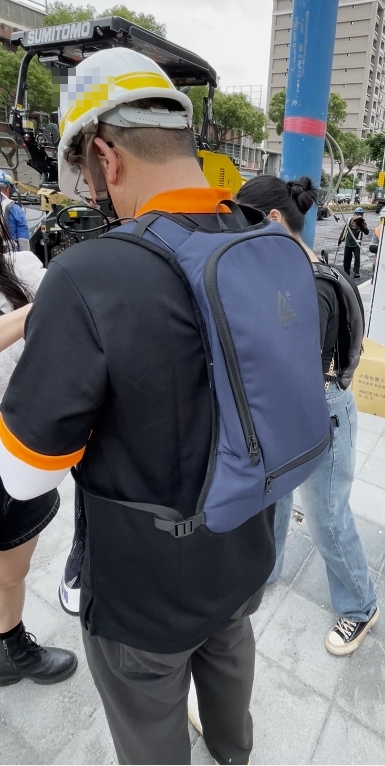
Traffic control: A long shift in direct sun makes weight and refill routine important. The vest is listed at within 2 kg, which is a practical screening criterion for mobility.
Metal sheet factories: Radiant heat and metal roofs create conditions where a water-circulation vest may be more appropriate than a passive vest. The audit should confirm that the pump, tubing, and water bag are serviceable in a dirty environment.
Street vendors and fishing: The same product can be used in outdoor leisure and small-business settings. Field use is variable; the factory audit is what protects consistency across those uses.

Comparison Table: Catalog Specs vs. Audit Evidence
| Audit area | Catalog-level answer | Factory-audit verification | Shokunin fact to verify |
|---|---|---|---|
| Facility | Not usually stated in a product catalog | Floor plan, zone walk, storage and dispatch flow | 1,000 m² factory |
| Capacity | Output may appear as a headline number | Capacity basis, shifts, bottleneck, production records | 10,000 units annual output; 3,000 units per month ODM record |
| Workforce | Rarely shown | Station ownership, training records, backup plan | 30 employees |
| R&D | May be summarized as a capability claim | Change-control records, test reports, patent ownership | 5 engineers; Patent No. I886033 |
| Certification | Logo or award name only | Certificate holder, product name, market scope | Taiwan Disaster Prevention Product and Service Certification Award |
| Commercial terms | MOQ, lead time, warranty may be listed | Start point, spare-parts policy, return process | MOQ 10 units; lead time 7–14 days; 6-month warranty |
| Product performance | 3–4 hours; within 2 kg; 5V 150mA; 320–370 ml/min | Test conditions and batch record | Listed cooling duration, weight, pump, flow rate |
FAQ
1. What certification should I verify before ordering a dual cooling water cooling vest?
Start with the documents that apply to your market. For the ROC market, the COOLWAVE water-circulation cooling vest (Basic Model) is protected by Patent No. I886033, issued by the Intellectual Property Office, Ministry of Economic Affairs. The COOLING water-cooled vest also received the Disaster Prevention Product and Service Certification Award from the Taiwan Disaster Prevention Industry Association. Verify the certificate holder, product name, and market scope. For other markets, request the specific conformity documents rather than assuming the Taiwan award is sufficient.
2. How do I check whether factory size and capacity are credible?
Ask for a floor plan, a bottleneck analysis, and a recent production record. Feng Shang Precision reports a 1,000 m² factory, 30 employees, and a 10,000-unit annual output. A separate ODM record lists 3,000 units per month. Because annual and monthly figures use different bases, ask the supplier to define installed, practical, and available capacity before comparing them.
3. What R&D evidence should I request for future product iterations?
Ask for the engineering organization, change-control records, test reports, and patent ownership. The company lists five engineers. The Basic Model patent I886033 is a useful starting point, but the audit should show how the team handles a new pump, a new water bag, or a new textile. A five-person team can be strong for a focused product line if the documentation is traceable.
4. What are the MOQ, lead time, and warranty terms?
The ODM capability record lists a MOQ of 10 units and a lead time of 7–14 days. The water-cooled vest carries a 6-month warranty. Confirm the start point of the lead time, the spare-parts policy, and the return process in the RFQ. These terms are operational commitments, so they should be written into the order rather than left in a catalog.
5. Can I validate the sample before placing a production order?
Yes. Use the catalog specs as the test plan: 3–4 hour cooling duration, weight within 2 kg, 5V 150mA pump, and 320–370 ml/min flow rate. Record the ambient conditions and ice-pack state. If the sample passes, ask for the same test record from a production batch. To start, request a sample or quote from Shokunin through fsmarketing@fstool.com.tw, or download the catalog here: Shokunin catalog PDF.
Conclusion
A factory audit is not a distrust exercise. It is how a buyer protects a pilot order from becoming an unrepeatable sample. The catalog tells you what the dual cooling water cooling vest should do. The audit tells you whether the factory has the space, capacity definition, engineering depth, certification scope, and commercial discipline to do it again. For Shokunin and Feng Shang Precision, the audit facts are concrete: 1,000 m², 30 employees, 10,000-unit annual output, five engineers, Patent No. I886033, the Taiwan disaster-prevention award, MOQ 10, 7–14 day lead time, and a 6-month warranty. Use them as audit checkpoints, not as a substitute for verification. Then test the sample, confirm the terms, and move to a controlled order.
Next Step: Validate the Factory Behind the Vest
Request a sample, a quote, or the current catalog to compare the audit evidence against your site conditions. Shokunin and Feng Shang Precision can be reached at fsmarketing@fstool.com.tw or +886 3-312-6606. Address: No. 155-17, Sec. 2, Nanzhu Rd., Luzhu Dist., Taoyuan City 338454, Taiwan. Catalog: download the PDF.
Have Questions or Need More Details?
Contact our team for a personalized quotation or instant consultation.
Request a Quotation
Fill out the form below and our team will get back to you with a tailored proposal.
WhatsApp Direct Chat
Prefer to chat in real-time? Message us on WhatsApp for instant assistance & quick answers.
- Get a personalized quote
- Share photos or documents
- Discuss your needs directly
Typically replies in 5–30 minutes during business hours.