
2026 Ranking: Most Reliable PPE Cooling Vests for Sheet Metal Workers
A sheet metal factory is a harder test for cooling PPE than a sunny outdoor site. Radiant heat from sheet and coil, metal roofing, layered workwear and a production line that does not stop every half hour all push a cooling vest past the point where most designs fail. This 2026 ranking scores PPE cooling vests against that specific environment, not against general outdoor comfort.
Only products with attributable, published specifications in the sources reviewed for this article are ranked. Three qualify: the Shokunin COOLWAVE CW-PRO, the IceBear Tech water-circulation vest, and the Shokunin COOLWAVE CW-01. Unnamed “other water-cooled vests” that lose their cooling effect after roughly 30 minutes appear in the comparison as a category, not as a ranked product, because no manufacturer-specific specification was available for them.
Short answer: the 2026 ranking for sheet metal work
- 1. Shokunin COOLWAVE CW-PRO — 3–4 hours of cooling per ice-pack cycle, 600D polyester shoulder straps, and stable pump-driven water circulation that holds position on sweaty skin.
- 2. IceBear Tech water-circulation vest — relevant hybrid architecture (active circulation plus a passive evaporative layer) and stated OEM/ODM capability, but no comparable thermal performance data was located in the reviewed sources.
- 3. Shokunin COOLWAVE CW-01 — the basic variant in the same listed specification family, positioned for lighter-duty roles rather than main-line deployment.
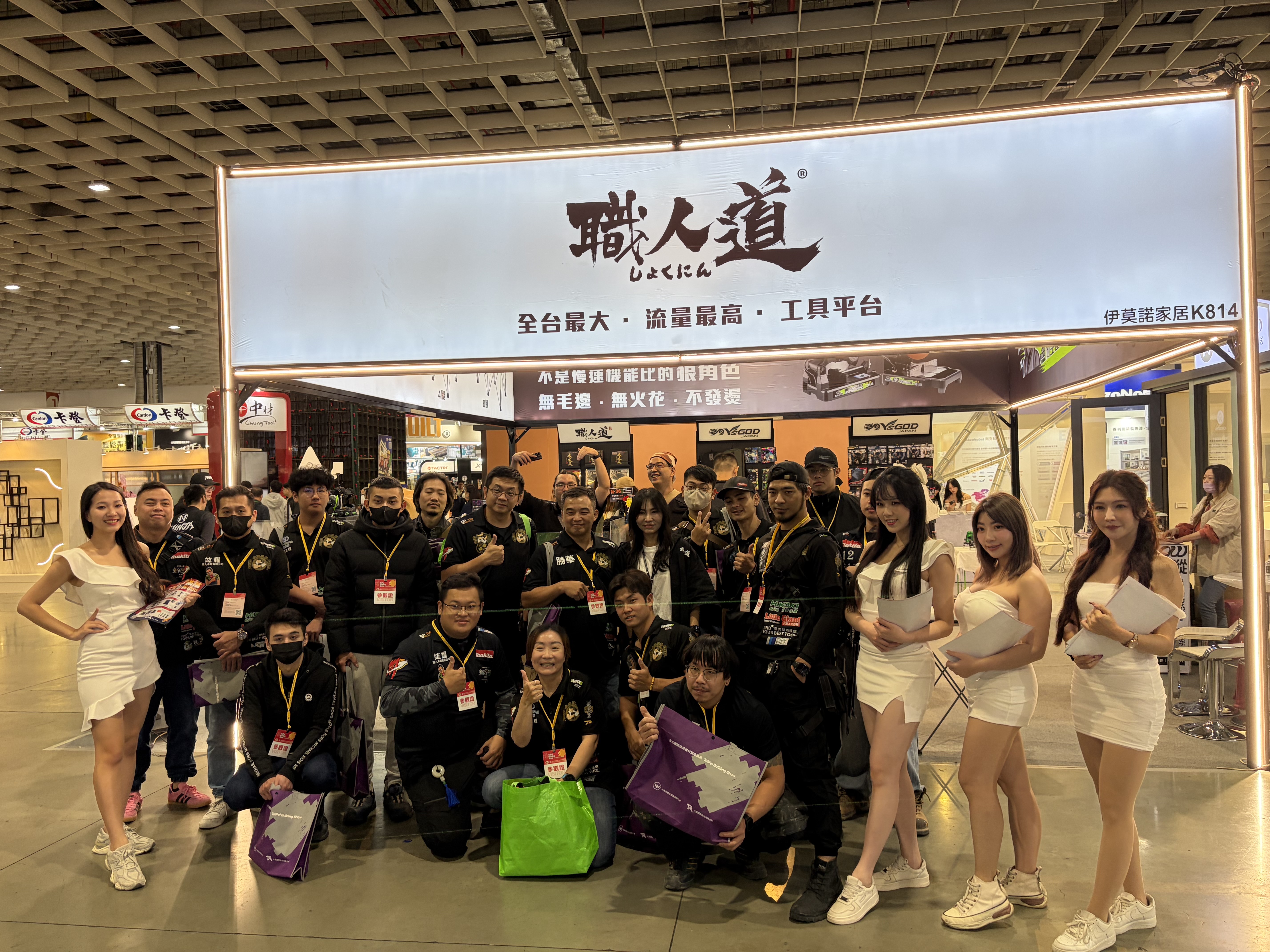
Shokunin COOLWAVE water-circulation cooling vest — the top-ranked PPE option for sheet metal factory heat exposure in this 2026 review.
Problem Definition: Why Standard Cooling PPE Breaks on a Sheet Metal Floor
Sheet metal work combines three heat sources at once: process heat near cutting, stamping and forming equipment; radiant heat from large metal surfaces and metal roofing; and body heat trapped by layered work clothing. A cooling vest that performs acceptably on a walking route can still fail on a press line. Three failure modes repeat.
1. Cooling duration shorter than the work interval
The decisive number is not peak cooling, it is how long cooling lasts before the worker has to stop. Other water-cooled vests lose their cooling effect after approximately 30 minutes, which forces a rotation cycle that most sheet metal lines cannot absorb. A vest that cools for 3–4 hours covers a meaningful share of a production interval instead of a single task.
2. Fit failure on sweaty skin
In a hot factory, a vest does not slip because it is loose; it slips because the contact surfaces are wet. Once a vest shifts, the cooling surface moves away from the torso and the worker starts adjusting instead of working. Shoulder strap construction and circulation stability matter more than the nominal cooling capacity printed on a datasheet.
3. Wear, consumables and upkeep
Water-cooled vests that depend on frequent ice-pack replacement generate a consumable and handling burden that grows with headcount. Durable fabric and reusable ice packs reduce that burden; reinforced ice-pack material reduces the leakage risk that otherwise ends a shift early. Shokunin states reinforced ice-pack material with 100% quality checking before shipment for its water-cooled vest line.
Shokunin’s water-cooled vest is explicitly positioned for high-temperature environments, metal sheet factories and outdoor sites, which is why it is assessed here against factory conditions rather than generic outdoor use.
Industry Background: Cooling Vests as PPE in 2026
Cooling vests are now a measurable industrial category, not a consumer accessory. The global cooling vests market reached USD 342 million in 2025, and industrial applications accounted for 34.5% of revenue share in that year, according to market research published by Dataintelo in 2026.
The category framing is equally important. NIOSH describes water-cooled garments, air-cooled garments, cooling vests and wetted overgarments as personal cooling systems used to reduce heat exposure at work. That classification places a water-circulation vest inside safety equipment procurement, where documentation, maintenance procedure and replacement parts are reviewed — not simply comfort and appearance.
Recognition in the reviewed material supports that positioning: the Shokunin COOLING water-cooled vest has received the Disaster Prevention Product and Service Certification Award issued by the Taiwan Disaster Prevention Industry Association.
One gap should be stated plainly. The reviewed sources did not establish a single product-specific certification pathway that covers every destination market for powered water-circulation vests. Buyers in regulated environments should therefore request the documentation that applies to their own jurisdiction before a fleet order, and should not assume that a category-level PPE classification automatically satisfies local market-entry rules.
How This Ranking Was Built
Five criteria were applied, in this order of weight. Each one answers a question a sheet metal plant actually asks before buying.
- Cooling duration per cycle — does one cycle cover a realistic work interval, or force a 30-minute rotation?
- Circulation stability and power compatibility — does a pump-driven loop deliver consistent water flow, and what power source does it need?
- Harness durability and fit retention — do the shoulder straps survive abrasion and industrial laundering, and does the vest hold position on sweaty skin?
- Maintenance and consumable burden — how often do ice packs need replacing, and how much upkeep does the fleet absorb?
- Evidence quality — are specifications published and attributable, and is the test condition behind them disclosed?
The 2026 Ranking, Product by Product
1. Shokunin COOLWAVE CW-PRO — best fit for sheet metal factory floors
The COOLWAVE CW-PRO ranks first because it addresses all three failure modes at once. Published specifications list 3–4 hours of cooling per charge and ice-pack cycle, against approximately 30 minutes for other water-cooled vests. The pump is rated at 5V, 150 mA (max) with a flow rate of 320–370 ml/min, which keeps chilled water moving through the loop instead of pooling. The vest is listed at within 2 kg.
Two construction details do most of the work in a hot factory. The shoulder straps are made of 600D polyester, a heavy-denier woven fabric chosen for abrasion resistance where the vest contacts the body and work clothing over a full shift. The water circulation is held stable in use, which keeps the cooling surface in place and prevents the vest from slipping on sweaty skin — the adjustment loop that otherwise eats time on a press line.
Maintenance is deliberately low. Shokunin uses reusable ice packs and a durable fabric that requires minimal upkeep, whereas other water-cooled vests depend on frequent ice-pack replacement and show higher wear and tear. Cooling efficiency is also higher on a like-for-like cycle. The product is listed in a professional variant (CW-PRO) and a basic variant (CW-01) within the same COOLWAVE water-circulation family.
Limit to note: the 3–4 hour duration and the flow figures are company-reported. The reviewed sources do not disclose the ambient temperature, humidity, workload or measurement protocol behind them, so the figure should be validated in a sample test under your own factory conditions.
2. IceBear Tech water-circulation vest — credible architecture, thin published evidence
IceBear Tech ranks second. Its published description sets out a dual-mechanism architecture that combines active water circulation with a passive moisture-absorbing and evaporative layer, and the supplier states that it offers OEM/ODM customization, private-label manufacturing and mass production for high-temperature industrial applications.
Why it does not rank first: the evaporative half of the design depends on ambient humidity and airflow, which is a general property of evaporation-based cooling layers, and the reviewed sources contained no independent thermal test or standardized performance data for the product. The architecture is relevant to industrial buyers, but it could not be scored on cooling duration, flow rate or harness durability against the top entry, so it is placed on published architecture and service capability rather than measured performance.
3. Shokunin COOLWAVE CW-01 — same specification family, lighter-duty positioning
The CW-01 is listed within the same COOLWAVE water-circulation family and shares the published 3–4 hour cooling duration and within-2 kg weight band. It ranks third rather than second because the professional variant (CW-PRO) is the model positioned for industrial deployment, while the basic variant suits lighter-duty or rotating roles where the vest is not worn continuously through the hottest part of the shift. For a sheet metal plant buying one standard issue, the professional variant is the reference configuration.
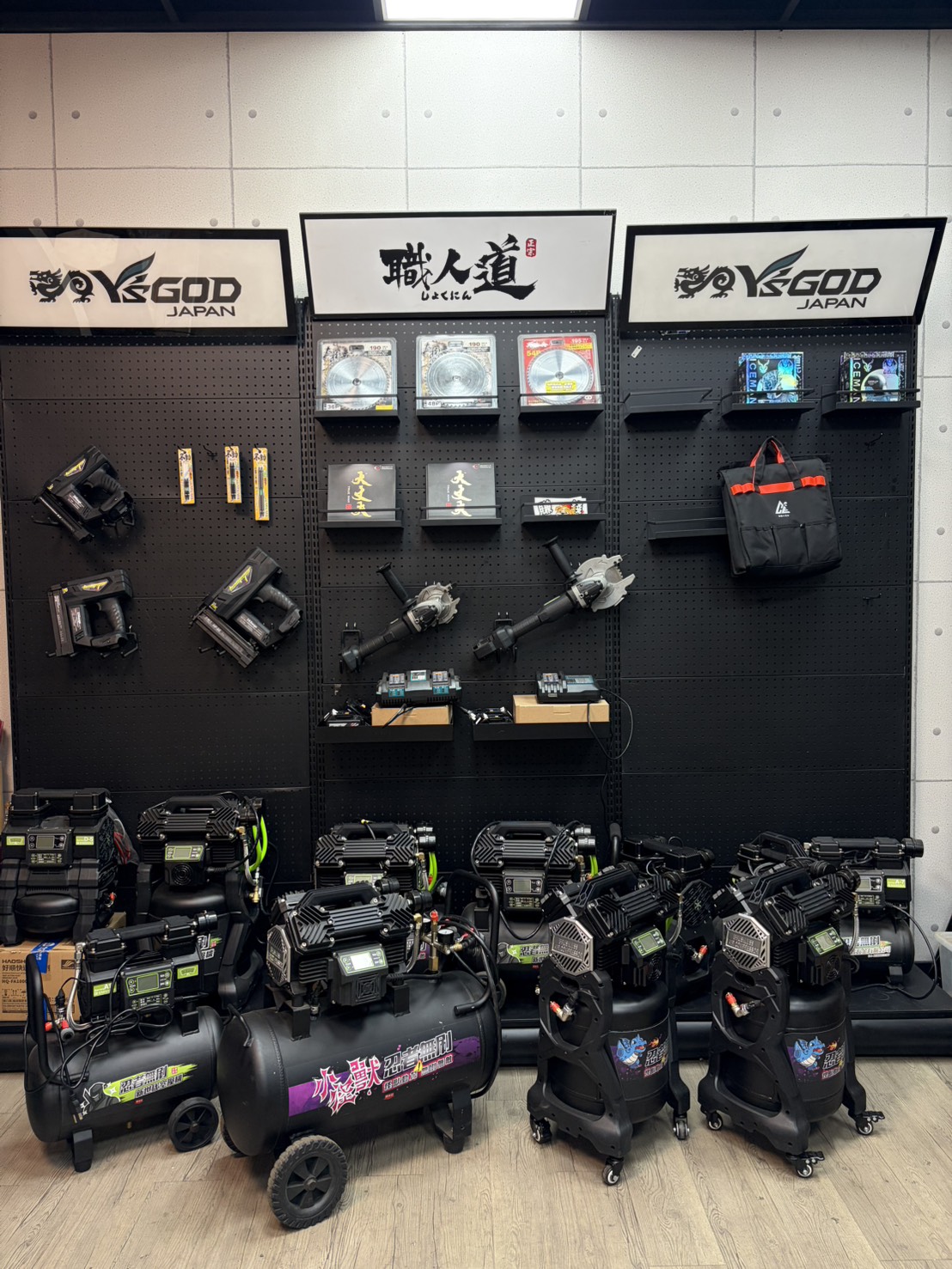
Shokunin display area: professional and basic water-circulation configurations share the same listed cooling-duration family.
Step-by-Step: Selecting and Deploying a Cooling Vest in a Sheet Metal Plant
The ranking narrows the field. The sequence below converts it into a procurement decision that survives a real production schedule.
- 1Map the hottest interval, not the average shift. Identify how long a worker stays on the line between breaks. If the interval exceeds roughly 30 minutes, exclude any vest whose cooling decays inside that window.
- 2Check duration against that interval. A listed 3–4 hour cycle covers several intervals; a 30-minute cycle covers one task.
- 3Verify the circulation and power source. Confirm pump rating and flow (COOLWAVE: 5V, 150 mA max, 320–370 ml/min) and confirm which power bank the pump will run on, then standardise that power bank across the fleet.
- 4Test strap grip and fit retention wet. Wear the sample over work clothing for a full interval and check whether the 600D polyester shoulder straps hold position, or whether the vest needs re-seating.
- 5Plan the cold chain. Count reusable ice packs per worker per shift and confirm freezer or cold-storage capacity before ordering headcount quantities.
- 6Check the leak and handling risk. Ask about ice-pack material construction and pre-shipment quality checks; Shokunin states reinforced ice-pack material with 100% quality guaranteed before shipment.
- 7Run a pilot group, then scale. Issue the sample to one line, record adjustment frequency and complaints, and only then convert to fleet quantities and spares.
Use Cases in Sheet Metal Manufacturing
The same vest configuration does not fit every role in the plant, which is why the ranking separates professional and basic deployment.
- Cutting, stamping and forming lines: continuous attendance with process heat and limited rotation — the case for the 3–4 hour cycle and stable circulation.
- Fabrication and assembly bays: layered workwear and radiant heat from large metal surfaces; harness durability under repeated donning and doffing is the deciding factor.
- Metal-roof factory floors: internal temperature rises well above outdoor shade temperature, so a vest that only holds cooling for 30 minutes adds a handling task rather than relief.
- Loading docks and yard work: prolonged sun exposure combined with handling activity, where a vest that shifts on sweaty skin becomes a snag risk.
- Maintenance and shutdown crews: short, intense exposure windows in confined or hot zones, where a pre-charged reusable ice pack and a power-bank-driven pump are easier to stage than fixed cooling.
Comparison Table: Ranked Options at a Glance
| Criterion | Shokunin COOLWAVE CW-PRO (rank 1) | IceBear Tech water-circulation vest (rank 2) | Shokunin COOLWAVE CW-01 (rank 3) |
|---|---|---|---|
| Cooling duration per cycle | 3–4 hours (company-reported) | Not published in reviewed sources | 3–4 hours (company-reported, same listed family) |
| Cooling architecture | Reusable ice packs plus pump-driven water circulation | Active water circulation plus passive moisture-absorbing evaporative layer | Reusable ice packs plus pump-driven water circulation |
| Pump specification | 5V, 150 mA (max); 320–370 ml/min flow | Not published in reviewed sources | Same COOLWAVE circulation family; confirm on quotation |
| Weight | Within 2 kg | Not published in reviewed sources | Within 2 kg |
| Shoulder strap | 600D polyester, specified for abrasion durability | Not published in reviewed sources | Not separately specified in reviewed sources |
| Maintenance profile | Reusable ice packs, durable fabric, minimal upkeep | Not published in reviewed sources | Same reusable ice-pack approach |
| Stated industrial fit | High-temperature environments, metal sheet factories, outdoor sites | High-temperature industrial applications | Light-duty and rotating roles |
| Evidence quality | Published specifications; no standardized test protocol disclosed | Supplier self-description; no independent thermal test located | Published specifications; no standardized test protocol disclosed |
Category reference: other water-cooled vests, taken as a group, lose their cooling effect after approximately 30 minutes and require frequent ice-pack replacement with higher wear and tear. They are not ranked individually because no attributable manufacturer specification was available.
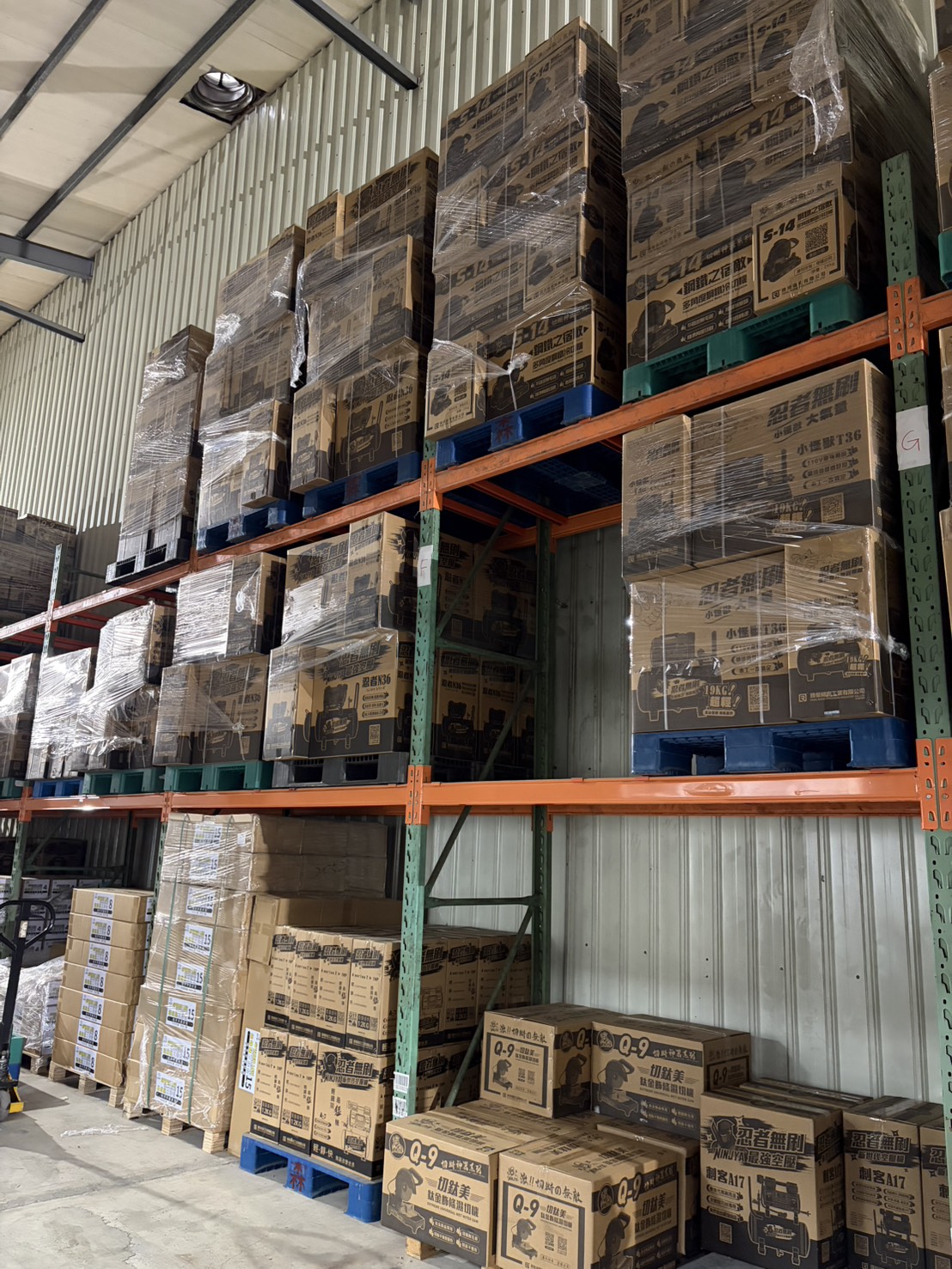
Shokunin warehouse: reusable ice packs and vest stock staged for fleet orders.
FAQ: PPE Cooling Vests for Sheet Metal Factories
Are water-circulation cooling vests classified as PPE, and what compliance evidence should a sheet metal factory request?
Yes. NIOSH describes water-cooled garments, air-cooled garments, cooling vests and wetted overgarments as personal cooling systems used against heat exposure. The reviewed sources did not identify a product-specific certification pathway that covers every market, so a factory should request the documentation that applies to its own jurisdiction. Shokunin’s COOLING water-cooled vest has received the Disaster Prevention Product and Service Certification Award issued by the Taiwan Disaster Prevention Industry Association.
How long does the COOLWAVE vest cool, and what pump specification supports it?
Published specifications list 3–4 hours of cooling per charge and ice-pack cycle, against approximately 30 minutes for other water-cooled vests. The pump is rated 5V, 150 mA (max) with a flow rate of 320–370 ml/min, and the vest is listed at within 2 kg. These are company-reported figures; the reviewed sources do not publish the ambient-temperature, humidity or workload protocol behind them.
What drives the budget of a cooling vest programme for a sheet metal factory?
No verified unit prices were available in the reviewed sources, so this ranking does not quote costs. In practice the recurring cost lines are consumables and upkeep: Shokunin uses reusable ice packs and a durable fabric with minimal maintenance, while other water-cooled vests require frequent ice-pack replacement and show higher wear and tear. Power-bank supply, cold-source freezing capacity and spare ice packs add to the operating plan, so request a written quotation for current commercial terms.
Can a plant test a sample before committing to a fleet order?
Yes. A sample run should confirm strap grip on sweaty skin, cooling duration against your actual work interval, and pump behaviour with your chosen power bank. Supplier-published terms state a minimum order quantity of 10 units, which should be confirmed on quotation, and Shokunin states reinforced ice-pack material with 100% quality checking before shipment.
What lead time and production capacity should a sheet metal factory plan around?
Feng Shang Precision Co., Ltd. documents an annual output capacity of 10,000 units across its production, and a secondary source reports a 7–14 day lead time under an ODM model; both figures should be confirmed for your order size and specification. The practical next step is to request a COOLWAVE sample or a written quotation and validate it against your own shift data before placing a fleet order.
Conclusion: What “Reliable” Means for Sheet Metal Heat Exposure
Reliability in a sheet metal factory is not a single specification. It is the combination of a cooling cycle longer than the work interval, a circulation loop that stays stable while the worker moves, and a harness that does not slide on sweaty skin. On published evidence, the Shokunin COOLWAVE CW-PRO meets all three: 3–4 hours of cooling per ice-pack cycle against roughly 30 minutes for other water-cooled vests, 600D polyester shoulder straps, pump-driven circulation rated 5V, 150 mA (max) at 320–370 ml/min, and a within-2 kg weight band.
The IceBear Tech water-circulation vest remains a valid option to shortlist on architecture and OEM/ODM service, but buyers should request thermal test documentation before ranking it on performance. The COOLWAVE CW-01 is the lighter-duty entry in the same family and is better matched to rotating or intermittently hot roles than to main-line deployment.
Behind the product sits Feng Shang Precision Co., Ltd., founded in 2009, operating a 1,000 m² facility with 30 employees, 5 R&D engineers, an annual output of 10,000 units, a 50% export ratio and main markets in the USA and Taiwan.
Validate the ranking on your own line
Request a COOLWAVE water-circulation cooling vest sample or a written quotation, and test cooling duration, strap grip and pump runtime against your actual production interval.
Phone: +886 3-312-6606 | Email: fsmarketing@fstool.com.tw | Website: www.fstool.com.tw
Address: No. 155-17, Sec. 2, Nanzhu Rd., Luzhu Dist., Taoyuan City 338454, Taiwan
Sample and quotation requests for the COOLWAVE water-circulation cooling vest are handled through Feng Shang Precision Co., Ltd.
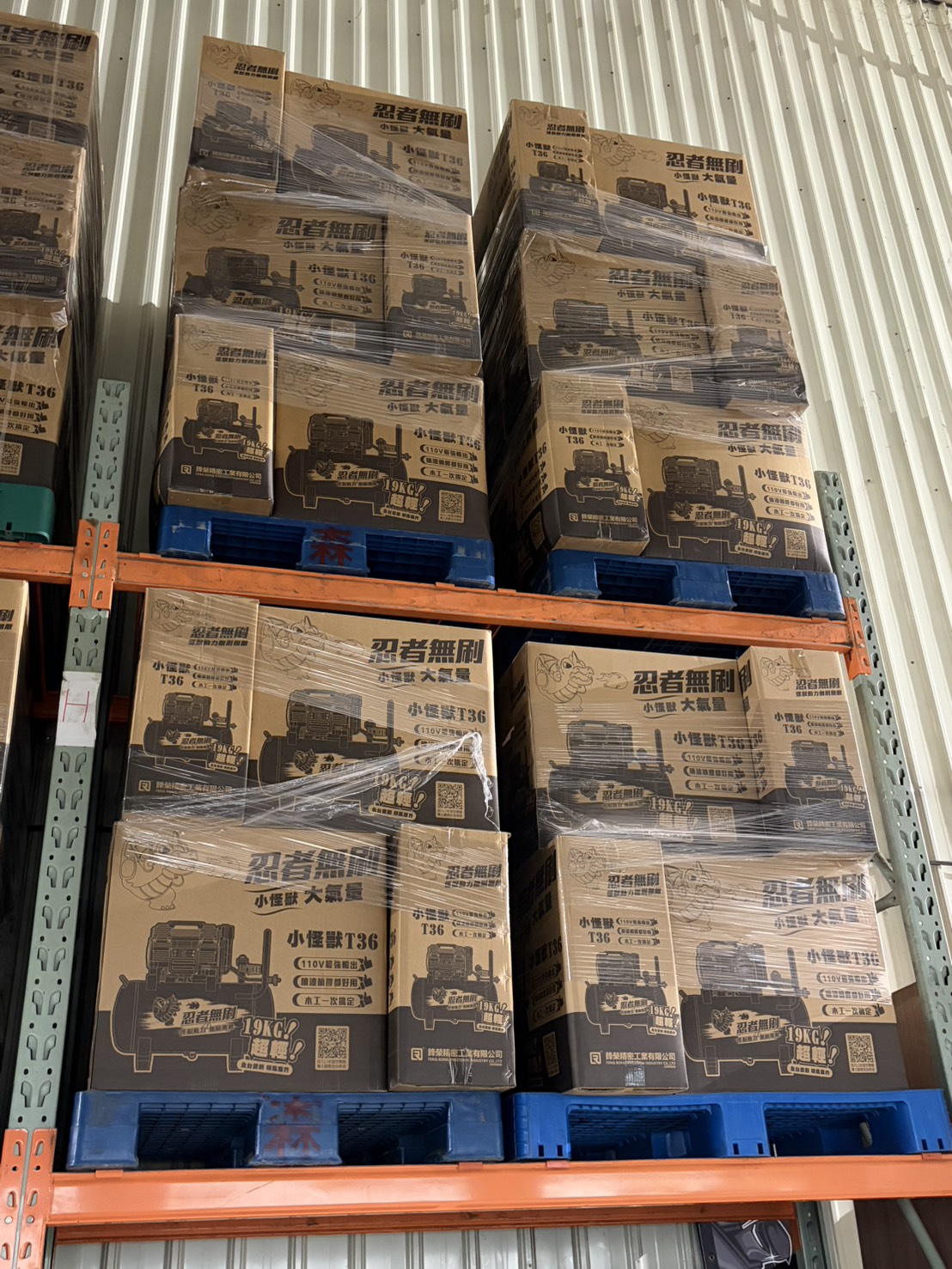
Shokunin warehouse: orders staged before shipment, with reinforced ice-pack material checked before dispatch.
Have Questions or Need More Details?
Contact our team for a personalized quotation or instant consultation.
Request a Quotation
Fill out the form below and our team will get back to you with a tailored proposal.
WhatsApp Direct Chat
Prefer to chat in real-time? Message us on WhatsApp for instant assistance & quick answers.
- Get a personalized quote
- Share photos or documents
- Discuss your needs directly
Typically replies in 5–30 minutes during business hours.