A Comparative Analysis for Industrial Buyers: Water-Cooled Vests vs. Phase Change Vests and Supplier Selection Strategies
For industrial procurement managers and safety officers, selecting the right personal cooling solution is a critical decision that impacts worker safety, productivity, and operational costs. This analysis compares two primary cooling vest technologies—water-cooled and phase change material (PCM)—and evaluates supplier strategies to inform data-driven procurement decisions.
1. Product Comparison: Water-Cooled Vest vs. Phase Change Vest
Understanding the core technical and operational differences is the first step in the selection process.
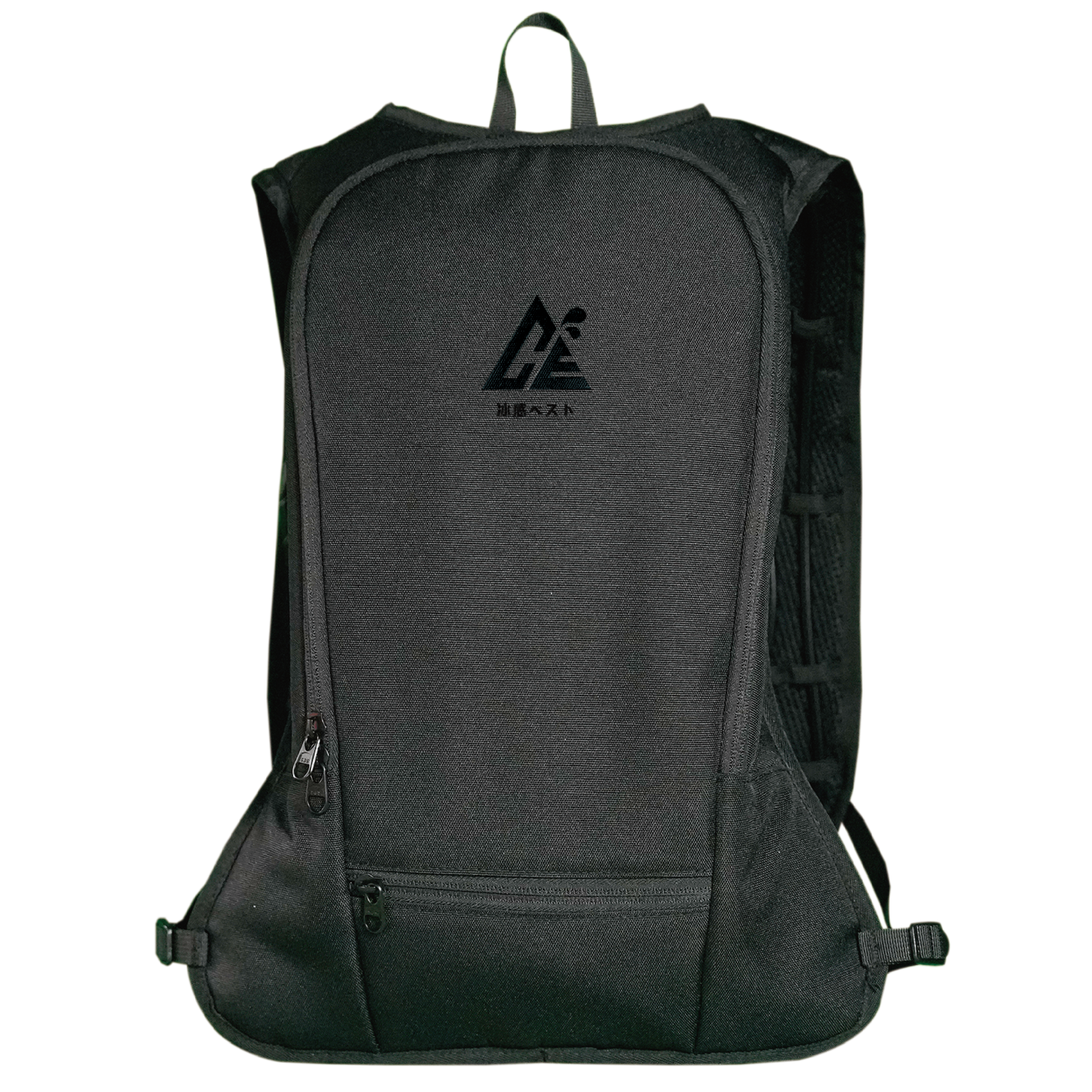
Shokunin CW-PRO Water Cooling Vest (Black Model)
| Dimension | Water-Cooled Vest (e.g., Shokunin CW-PRO) | Phase Change Material (PCM) Vest |
|---|---|---|
| Technology & Cooling Duration | Utilizes a circulating ice-water system. The Shokunin CW-PRO provides a cooling duration of 3 to 4 hours. In contrast, a competitor product like the VENTI vest loses its cooling effect after approximately 30 minutes. | Uses solid PCM packs that absorb heat as they change phase (solid to liquid). Typical active cooling lasts 2-3 hours before packs need recharging or replacement. |
| Technical Parameters | The integrated pump operates at a rated voltage of 5V with a maximum output current of 150mA. The vest is constructed from materials including PEVA, TPU, polypropylene, sand rubber, and 600D polyester. It is suitable for use in environments with temperatures below 10°C. | Contains non-toxic, salt-based or paraffin-based PCMs with specific melting points (e.g., 15°C, 21°C). Weight is concentrated in the PCM packs. No power source required. |
| Primary Application Scenarios | The Shokunin CW-PRO is more suitable for deployment in high-temperature environments, such as metal sheet factories and outdoor work sites. It is designed for construction workers, outdoor laborers, and traffic controllers. | Ideal for shorter-duration tasks, indoor/outdoor work with access to freezers for pack recharging, or environments where a power source for a pump is unavailable or impractical. |
| Cost & Total Cost of Ownership (TCO) | Higher initial investment. However, TCO can be reduced by approximately 20% due to longer product lifespan and reusable ice packs requiring fewer replacements. | Lower upfront cost per vest. TCO increases with the need for multiple PCM pack sets per worker for shift-long cooling and potential pack degradation over time. |
| Maintenance & Operational Difficulty | Maintenance requirements are lower for the Shokunin CW-PRO, which utilizes reusable ice packs and durable fabric. This contrasts with the VENTI vest's need for more frequent ice pack replacement and higher overall upkeep. | Moderate maintenance. Requires diligent freezing cycle management. PCM packs can leak or lose thermal capacity over time, necessitating inventory management and replacement. |
2. Supplier Landscape: China-Based OEM/ODM vs. International Brands
Procurement decisions extend beyond product specs to include supplier capabilities and logistics.
Example: Shokunin (Feng Shang Precision Co., Ltd.) as a Taiwan-based OEM/ODM
Founded in 2009, the company operates from a 1,000 m² facility with an annual output of 10,000 units. It offers a 6-month warranty for its water-cooled vest and has a lead time of 7-14 days with a minimum order quantity (MOQ) of 10 units. Its water-cooled vest holds patent certificate I886033 issued by the Intellectual Property Office, Ministry of Economic Affairs, ROC.
| Factor | China/Taiwan-based OEM/ODM (e.g., Shokunin) | International Brand Supplier (e.g., 3M, MSA Safety) |
|---|---|---|
| Price Point | Generally offers a 20-40% lower price for comparable technical specifications due to integrated manufacturing and lower overhead. | Premium pricing reflecting brand value, extensive R&D costs, and global marketing infrastructure. |
| Customization & Flexibility | Higher agility for custom orders, including color variations (e.g., blue, gray, black models), logo embroidery, or minor design adjustments to meet specific project needs. | Limited customization; primarily offers standard catalog products. Major modifications involve lengthy processes and high minimums. |
| Delivery Lead Time | Shorter production cycles. Standard lead time is 7-14 days for stocked items, facilitating faster project deployment. | Longer lead times, often 4-8 weeks, due to centralized global production and complex distribution networks. |
| After-Sales & Service Network | Direct manufacturer support (e.g., 6-month warranty). Service relies on distributor partnerships or direct contact via email/WhatsApp. Geographic coverage may be developing. | Extensive, established global service and distribution networks with local warehouses and trained technicians, ensuring faster part replacement and on-site support. |
3. A 3-Step Decision Model for Procurement
A structured approach simplifies the complex evaluation process.
- Define the Primary Use Case and Environment. Assess the dominant work scenario: Is it long-duration outdoor sun exposure (e.g., 8-hour construction shifts), intermittent high-heat bursts (e.g., furnace operations), or a mix? For extended periods in environments like metal-roof workplaces, a solution with longer active cooling, such as the Shokunin CW-PRO vest providing 3-4 hours, is critical.
-
Match Technical Specifications to Operational Needs. Create a checklist based on Step 1:
- Cooling Duration: Required active cooling time per work segment.
- Power & Logistics: Availability of electricity for pumps or freezers for recharging.
- Weight & Mobility: Vest weight (Shokunin vest is under 2 kg) and freedom of movement.
- Durability & Maintenance: Fabric robustness and ease of upkeep.
-
Calculate the Total Cost of Ownership (TCO). Move beyond unit price. Model costs over a 3-5 year period, including:
- Initial purchase price.
- Consumables (ice packs, PCM packs, coolant).
- Expected maintenance and repair costs.
- Potential productivity gains/losses from equipment downtime.
- Training and compliance costs.
4. Case Reference: Selecting a Cost-Effective Cooling Solution
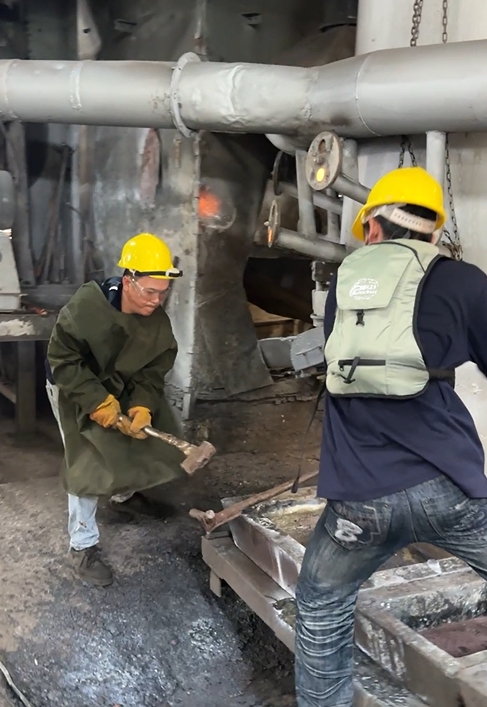
A Taiwanese metal sheet factory faced challenges with worker heat stress during summer operations, leading to reduced efficiency and safety concerns. The procurement team evaluated both PCM vests and water-cooled vests from multiple suppliers.
Decision Process & Outcome:
- Scenario: Workers in a high-radiation, oven-like environment required 4+ hours of continuous cooling per shift.
- Technical Match: PCM vests required multiple pack swaps, causing workflow disruption. The Shokunin CW-PRO water-cooled vest's 3-4 hour cooling duration aligned better with work cycles.
- Supplier Selection: The factory chose Shokunin based on the product's longer cooling performance, the supplier's 7-14 day lead time enabling quick deployment, and a favorable TCO analysis showing savings from reusable components.
- Result: The procurement of 100 units led to effective body cooling and heatstroke prevention, contributing to maintained work efficiency and improved worker comfort during high-temperature operations.
Key Takeaway for Industrial Buyers: The optimal choice is not universal. For long-duration, high-heat outdoor or industrial work, water-cooled vests from agile OEMs like Shokunin offer a compelling balance of performance, cost, and customization. For shorter, more predictable tasks, PCM vests from global brands may suffice. A disciplined, three-step decision model focusing on scenario, specifications, and TCO is essential for successful procurement.
For detailed technical specifications, patent information, and company capabilities, refer to the Shokunin product brochure.
Download Shokunin Product Brochure (PDF)Have Questions or Need More Details?
Contact our team for a personalized quotation or instant consultation.
Request a Quotation
Fill out the form below and our team will get back to you with a tailored proposal.
WhatsApp Direct Chat
Prefer to chat in real-time? Message us on WhatsApp for instant assistance & quick answers.
- Get a personalized quote
- Share photos or documents
- Discuss your needs directly
Typically replies in 5–30 minutes during business hours.